
1. Scottsdale, Arizona

The first year feels like a permanent vacation thanks to the sunshine, golf courses, and polished neighborhoods. When summer really hits, many retirees realize daily life revolves around avoiding extreme heat for months at a time. Errands shift to early mornings, and outdoor hobbies pause unless you migrate seasonally. It’s a great fit if you love desert living, but the climate becomes the main character.
Healthcare access is strong, which matters more as the novelty fades. Costs, however, are higher than many expect, especially housing and utilities during peak cooling months. Arizona doesn’t tax Social Security, which helps fixed incomes. Still, you need to genuinely like the desert, not just tolerate it.
2. The Villages, Florida
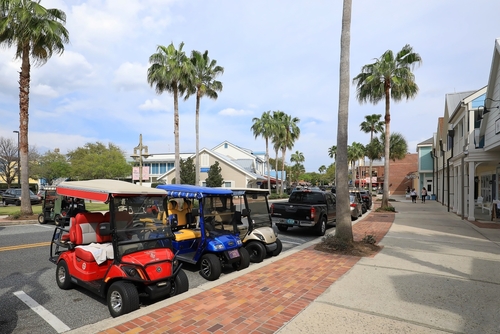
At first, the constant activities and social energy feel like summer camp for grown-ups. Over time, some retirees find the environment a bit insular and repetitive. Life can start to feel scheduled around golf carts, themed nights, and community calendars. If you thrive on routine, that’s a plus, but others miss variety.
Florida’s lack of state income tax is a long-term win. Hurricanes and intense humidity become more real concerns after a few seasons. Healthcare is plentiful locally but can feel crowded during peak retirement years. The Villages works best for people who want a highly structured social life.
3. Asheville, North Carolina
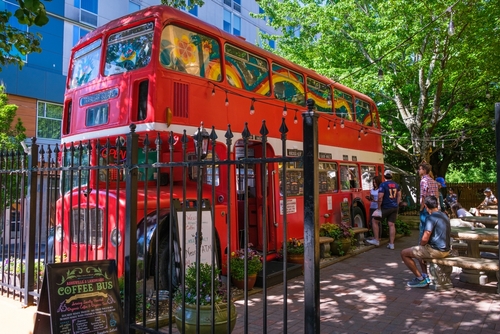
The mountains, arts scene, and mild seasons make a strong first impression. After settling in, retirees often notice rising housing costs and limited medical specialists. Traffic can feel surprising for a smaller city, especially during tourist seasons. It’s charming, but not as sleepy as it looks.
North Carolina’s flat income tax is relatively low, which helps with budgeting. Winters are manageable, though gray stretches can feel long. Outdoor access remains a big perk even after the honeymoon phase. Asheville suits retirees who want culture and nature, not total quiet.
4. Austin, Texas

Austin’s energy and food scene make retirement feel anything but dull at first. As time goes on, growth-related traffic and noise wear on some retirees. Texas has no state income tax, but property taxes can be a shock. Downsizing doesn’t always mean saving as much as expected.
Healthcare quality is solid, which becomes increasingly important. Summers are long and hot, limiting daytime outdoor activities. The city skews younger, which some retirees enjoy and others don’t. Austin fits those who want to stay plugged into a fast-moving city.
5. Naples, Florida
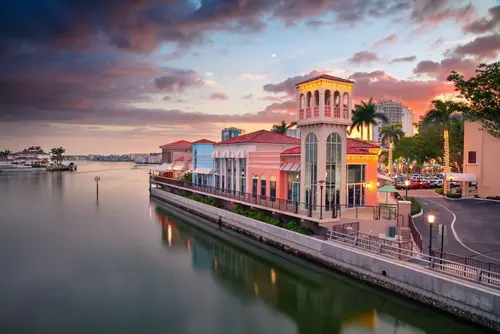
Naples feels refined and relaxed when you first arrive. Over time, the high cost of living becomes impossible to ignore. Dining, housing, and even everyday services skew upscale. Retirement here rewards strong savings more than careful budgeting.
The healthcare system is well regarded and easy to access. Seasonal population swings change the pace of life dramatically. Summer is quieter but also hotter and wetter. Naples works best if comfort and polish matter more than affordability.
6. Palm Springs, California
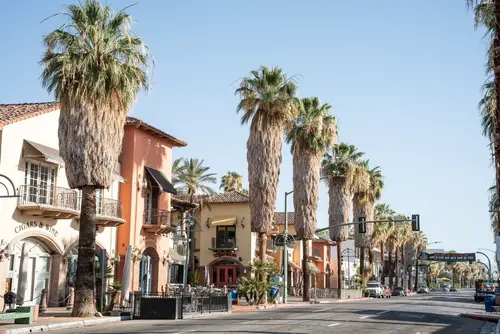
The mid-century vibe and mountain views are intoxicating at first. After a year or two, the desert heat defines daily routines much like Arizona. California’s taxes and housing costs become more noticeable on a fixed income. The glamour fades, but the climate reality remains.
Healthcare access is decent but more limited than in major metros. Many retirees adjust by traveling during the hottest months. The area still offers strong arts and dining scenes. Palm Springs suits those who can afford seasonal flexibility.
7. Santa Fe, New Mexico
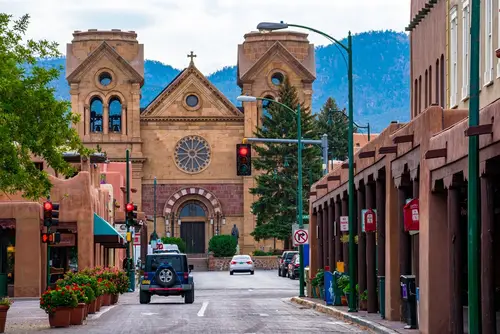
Santa Fe’s art, history, and slower pace feel deeply refreshing initially. As time passes, the high elevation can affect energy levels and health. Winters are colder than many expect for the Southwest. Shopping and services are more limited than in larger cities.
New Mexico taxes some retirement income depending on earnings. Healthcare access exists but often requires travel for specialists. The cultural richness stays rewarding long-term. Santa Fe fits retirees who value character over convenience.
8. Prescott, Arizona
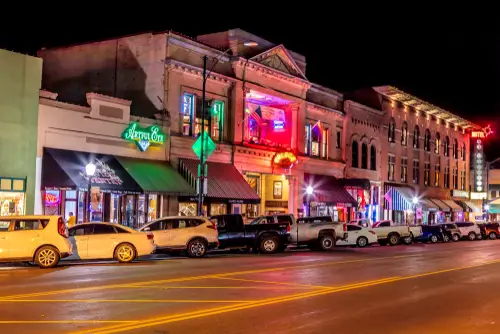
Prescott’s four seasons surprise many people in a good way. Once settled, retirees notice limited healthcare options compared to Phoenix. The town is friendly but quieter than expected. Entertainment and dining choices are modest.
Arizona’s tax treatment of retirement income is favorable. Winters can bring snow, which some love and others don’t. Outdoor recreation remains a constant draw. Prescott works well for retirees seeking small-town life with mild summers.
9. Sarasota, Florida
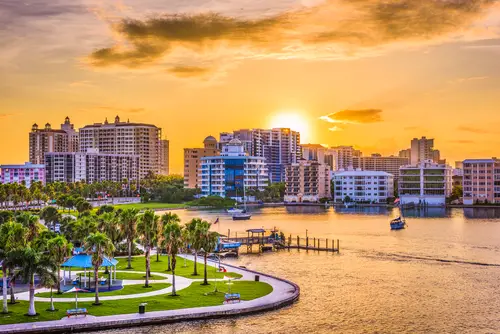
The beaches and arts scene make Sarasota feel balanced at first. Over time, traffic and seasonal crowding stand out more. Housing costs have climbed, tightening budgets. The laid-back image doesn’t always match daily logistics.
Florida’s tax advantages remain a long-term benefit. Healthcare access is strong, especially for retirees. Summers are steamy and quieter. Sarasota suits those who want culture alongside coastal living.
10. Bend, Oregon
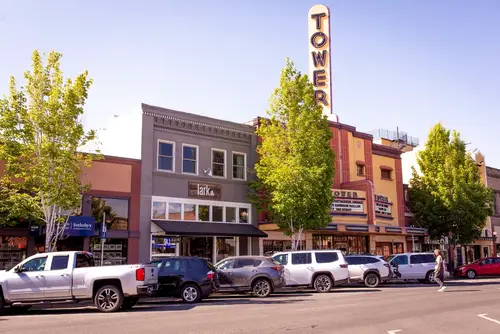
Bend’s outdoor lifestyle is thrilling during the first year. After settling in, wildfire smoke and healthcare shortages become clearer issues. Winters are long, especially if you don’t ski. The town feels remote when medical needs increase.
Oregon doesn’t have a sales tax, which helps with expenses. State income taxes are higher than many expect. Community spirit remains strong. Bend fits active retirees who prioritize nature over convenience.
11. Boise, Idaho
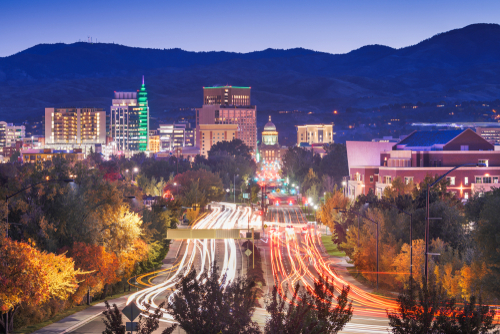
Boise feels affordable and friendly at first glance. As growth continues, housing costs have risen faster than expected. Healthcare options are decent but limited for specialized care. Travel for appointments becomes more common.
Idaho taxes retirement income, including Social Security for some. The climate offers four true seasons. The pace stays manageable compared to larger cities. Boise works for retirees who want a balance of city and quiet.
12. Charleston, South Carolina
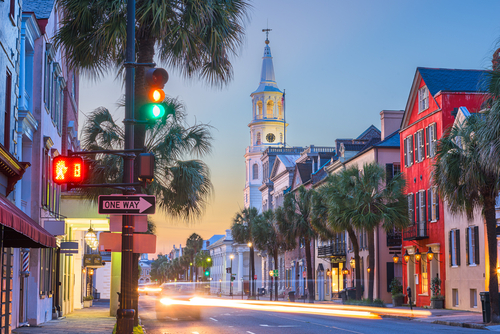
Charleston’s history and food scene are endlessly charming at first. Humidity and hurricanes feel more serious after a few years. Tourist crowds affect daily errands. The romance gives way to practical concerns.
South Carolina taxes some retirement income but offers deductions. Healthcare access is solid for a mid-sized city. Summers are long and hot. Charleston suits retirees who value culture and don’t mind visitors.
13. San Diego, California
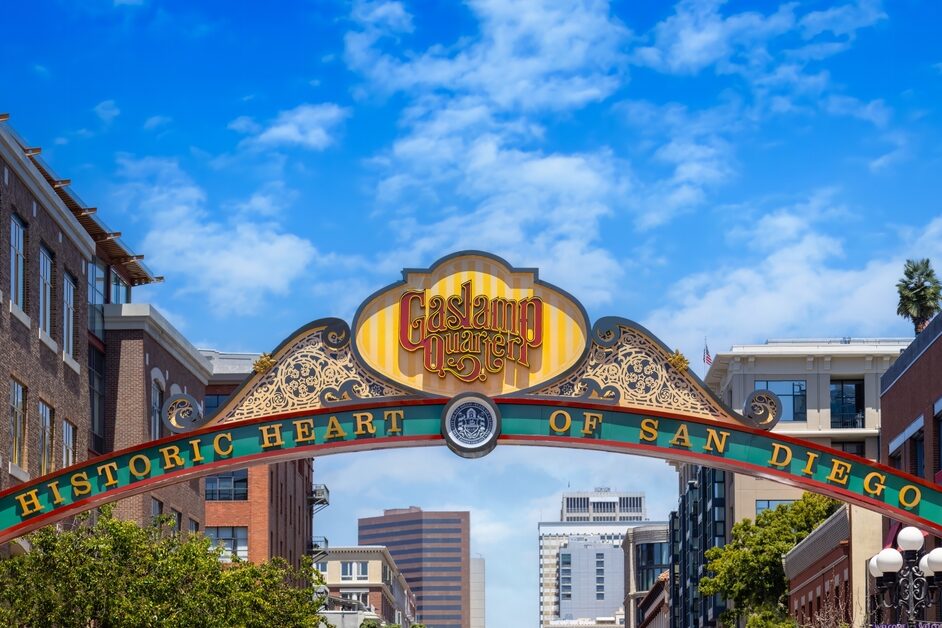
San Diego’s weather rarely disappoints, even long-term. The real adjustment comes from the cost of living. Housing and taxes pressure fixed incomes. Downsizing often doesn’t reduce expenses much.
Healthcare is excellent and widely available. The city remains active and engaging. Traffic becomes more annoying with time. San Diego fits retirees who prioritize climate above all else.
14. Henderson, Nevada
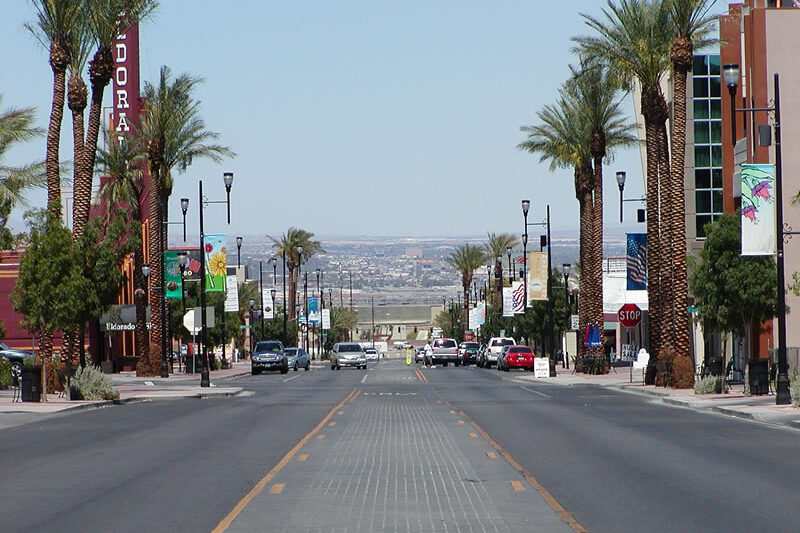
Henderson feels calmer than Las Vegas while staying close to amenities. Over time, desert heat becomes the biggest challenge. Nevada’s lack of state income tax helps long-term planning. Utility costs rise in summer.
Healthcare access is improving but still uneven. Growth brings traffic and construction. Outdoor access remains strong in cooler months. Henderson works for retirees seeking tax relief and proximity to a city.
15. Lancaster, Pennsylvania

Lancaster’s charm and farmland setting feel grounding at first. After settling in, winters and gray skies feel longer. Entertainment options are quieter than in major metros. The pace stays consistently slow.
Pennsylvania doesn’t tax most retirement income, which helps budgets. Healthcare access is solid due to nearby cities. Community ties tend to deepen over time. Lancaster fits retirees who value stability and simplicity.
This post How Retirement Really Feels in These 15 Places When the Honeymoon Ends was first published on Greenhouse Black.
