
1. Campgrounds Got Tech-Savvy

Gone are the days of paper maps and payphones at RV parks. Now, almost every campground has a Wi-Fi password, app-based check-ins, and online reservation systems. This shift quietly made RV travel feel more like a modern road trip and less like a leap into the unknown. It’s subtle, but suddenly, staying connected is just part of the experience.
Technology has also changed how RVers find spots. Apps and GPS services now crowdsource reviews, hookups, and scenic views. This has turned even first-time RVers into pros before they leave home. Without fanfare, technology reshaped where and how people choose to park.
2. Smaller Rigs, Bigger Adventures
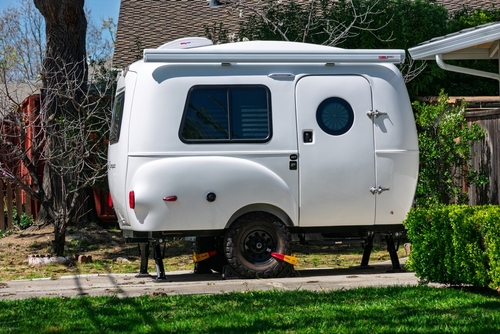
RVs used to be about size and luxury, with massive motorhomes dominating the scene. Today, there’s a noticeable shift toward smaller, nimble rigs like camper vans and teardrop trailers. These vehicles are easier to maneuver and cheaper to maintain, opening up RVing to a wider audience. It’s a quiet revolution that favors freedom over flash.
Smaller rigs also encourage creativity in travel planning. Many now venture to less traditional spots, exploring tiny towns and backroads that big rigs could never reach. This has subtly shifted RV culture from a “destination-first” mindset to a “journey-first” philosophy. The landscape of adventure changed without anyone formally announcing it.
3. Work-Life on Wheels

RVing used to be a retirement or long-vacation thing. Now, remote work has merged with travel culture, creating a class of digital nomads on wheels. People bring laptops, video calls, and Wi-Fi-dependent jobs to campgrounds. Suddenly, RVs are offices as much as they are homes.
This change has also affected community dynamics. Work-focused RVers might not gather around the campfire nightly, but they bring skills, networking, and new perspectives. Campgrounds now have coworking-friendly amenities like strong Wi-Fi and quiet zones. The RV lifestyle quietly adapted to a working world without a formal announcement.
4. Eco-Conscious Upgrades

Environmental awareness has crept into RV culture without much fanfare. Solar panels, composting toilets, and energy-efficient appliances are now common features. People aren’t just buying RVs—they’re buying options that minimize impact. It’s a shift that reflects broader lifestyle values.
Eco-conscious RVers are also more mindful of where they park. Many avoid sensitive lands and follow strict “leave no trace” principles. This subtle environmentalism affects campsite etiquette, waste management, and travel routes. Over time, it’s quietly transformed the ethical standards of the community.
5. Pet-Friendly Everywhere
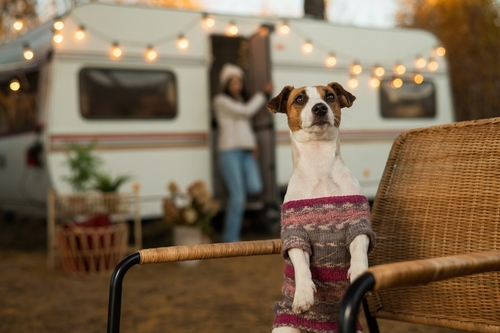
RVs were once a mostly human affair, with dogs often left behind. Now, almost every campground accommodates pets, from tiny trailers to sprawling resorts. This has encouraged families and solo travelers alike to bring furry companions along. Overnight trips now include food bowls and dog beds as essential gear.
This pet-friendly shift also influences social interactions. Dogs at campsites make strangers friendlier and icebreakers more natural. Pet events, hiking trails, and dog-friendly beaches have become part of RV planning. It’s a subtle cultural evolution, making RV travel more inclusive.
6. The Rise of Tiny Communities
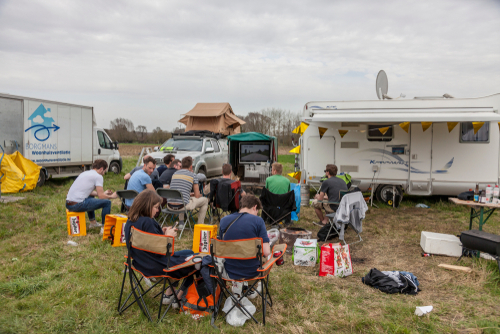
Old RV culture was about solitary camping or loosely organized rallies. Today, micro-communities and meetups define the scene. People gather around shared interests—van life, off-grid solar, classic rigs, or vintage trailers. These informal communities form organically, connecting strangers quickly.
This shift also encourages knowledge-sharing. Someone struggling with a broken water pump can get help from neighbors within hours. Social media amplifies these micro-communities, creating a sense of belonging on the road. RV life quietly became more collaborative than ever.
7. Instagramming the Journey

Photography has always been part of RV travel, but social media changed the stakes. Scenic shots, campfire selfies, and drone videos have turned road trips into shareable content. RVers now plan routes for Instagram-worthy moments, sometimes more than for logistical convenience. Travel became a performative, creative experience.
This trend also influences design and amenities. Campgrounds cater to “picture spots,” and RV interiors are styled for posts as much as comfort. Followers and hashtags create social validation that didn’t exist before. Without an official announcement, RV culture started thinking visually.
8. Food Culture on the Move
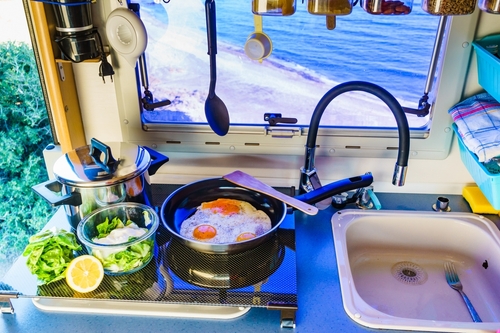
Cooking in RVs used to be purely practical. Now, culinary creativity is a growing part of RV life. Portable grills, induction cooktops, and outdoor pizza ovens have become standard. People are no longer just feeding themselves—they’re creating experiences.
Food also drives community connection. Shared meals, potlucks, and local ingredients bring RVers together at campgrounds. Culinary travel has become a cultural undercurrent that’s quietly reshaping priorities. Meals are now as much a part of the journey as the destinations.
9. Health and Fitness Integration

RVs once implied a sedentary lifestyle: drive, park, repeat. Today, fitness is often part of the travel plan. Portable gym equipment, hiking backpacks, and even onboard yoga spaces are common. RVers are finding ways to stay active while exploring new landscapes.
This focus also changes campground infrastructure. Trails, bike paths, and fitness-friendly layouts are increasingly expected. People now plan RV trips with wellness in mind, subtly altering routines and behaviors. It’s another quiet shift that prioritizes balance over convenience.
10. Multi-Generational Travel
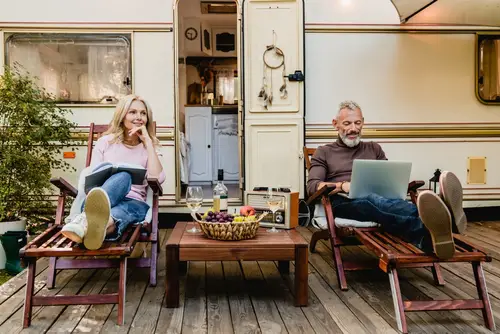
RV trips used to focus on retirees or young families. Now, trips increasingly include grandparents, parents, and children traveling together. This shift affects vehicle choices, camping styles, and activity planning. Everyone has a role, from storytelling to meal prep.
The dynamic also influences the culture around interaction. Multi-generational travel encourages patience, cooperation, and shared experiences. Campsites become places for mixed-age learning and fun. It’s a cultural transformation that happened gradually, without fanfare.
11. Minimalism by Necessity
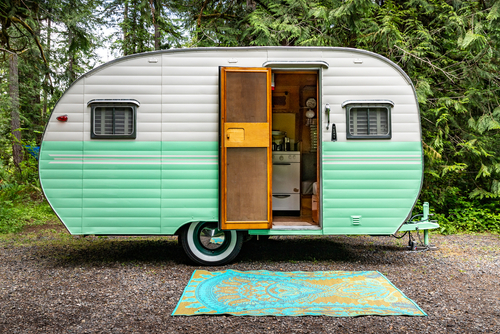
Luxury used to define RV life, but smaller rigs and off-grid travel brought minimalism into focus. People pack lighter, live more intentionally, and focus on experiences over possessions. It’s a lifestyle shift that changes how RVers approach planning and consumption.
Minimalism also impacts the social aspects of RVing. Campers swap ideas for efficient storage, multifunctional gear, and sustainable habits. There’s a shared pride in simplicity that unites travelers across styles and demographics. Without any formal announcement, RV culture quietly embraced doing more with less.
This post How RV Culture Changed Without Announcing It was first published on Greenhouse Black.
