
1. Typewriter
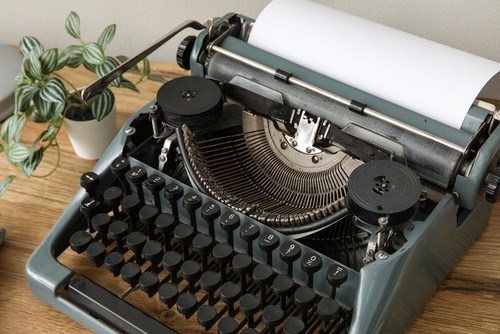
Not long ago, typewriters were standard equipment in homes, offices, and classrooms. Once personal computers and word processors became affordable in the 1980s and 1990s, they disappeared quickly from daily use. Their rarity today isn’t about age alone, but about how completely digital tools replaced their function. When someone encounters a working typewriter now, it feels unusual because the skills and habits around it have vanished.
Today, typewriters resurface mainly as aesthetic objects or niche creative tools. Writers and collectors prize them for their tactile feedback and mechanical reliability. Because many were discarded rather than preserved, functioning models are harder to find than people expect. Their sudden “rarity” comes from how thoroughly society moved on.
2. Pay Phones
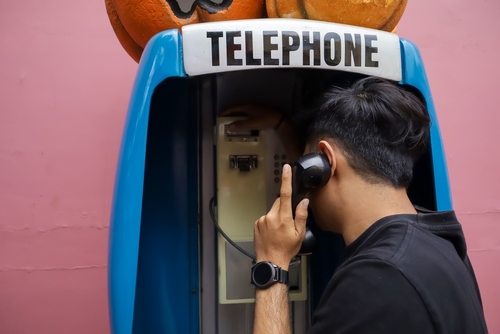
Pay phones once lined city streets, airports, and shopping centers as a basic communication service. The rapid adoption of mobile phones in the late 1990s and early 2000s made them functionally obsolete. Telecom companies removed them en masse because maintenance no longer made economic sense. As a result, something once ubiquitous became scarce in less than a generation.
Now, spotting a pay phone feels almost jarring. Many younger people have never used one, despite how recently they dominated public spaces. A few remain in rural areas or as emergency backups, which adds to their novelty. Their rarity is a direct result of convenience replacing shared infrastructure.
3. VHS Tapes

VHS tapes were the dominant home video format from the late 1970s through the early 2000s. DVDs, followed by streaming, rendered physical video collections unnecessary almost overnight. As people purged shelves, tapes were thrown away or donated in massive numbers. What remains now is a much smaller, scattered population of surviving tapes.
The irony is that some VHS tapes are now collectible. Obscure films, home recordings, or early releases that never made it to DVD are especially hard to find. Their rarity comes from neglect rather than intentional preservation. A format that once defined movie night became disposable almost instantly.
4. Rolodexes
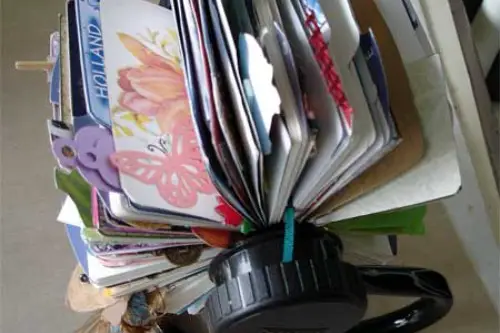
Before digital contacts, Rolodexes were the backbone of professional networking. They sat on desks, holding handwritten or typed cards that represented entire careers’ worth of relationships. Email, smartphones, and cloud-based contact lists replaced them seamlessly. Once that transition happened, the physical object had no remaining advantage.
Today, finding a Rolodex with up-to-date information is unlikely. Most were discarded during office cleanouts or corporate moves. When one turns up, it feels frozen in time, reflecting slower, more deliberate networking habits. Their rarity reflects how invisible data storage has become.
5. Film Cameras

Film cameras were once the default way people documented their lives. Digital photography eliminated the need for film, developing, and physical storage in a relatively short span. Many casual photographers abandoned film entirely, selling or discarding their cameras. This rapid shift left film equipment behind.
Now, film photography exists mostly as a hobby or art form. Working cameras and compatible film stocks are less common, even though interest has resurged. The rarity isn’t because they stopped being useful, but because convenience changed expectations. What was once normal now feels specialized.
6. Phone Books
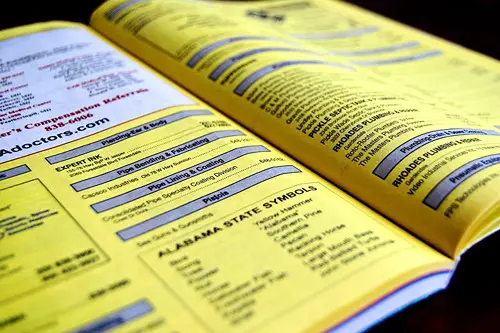
Printed phone books were once delivered automatically to homes and businesses. They served as essential tools for finding people and services before search engines existed. As online directories and smartphones became standard, demand collapsed. Publishers stopped printing them because few people used them.
Today, phone books are so rare that seeing one can feel oddly nostalgic. Younger generations may recognize them only as props in movies. Their disappearance was quiet, driven by efficiency rather than drama. The object became rare simply because it stopped being necessary.
7. Overhead Projectors
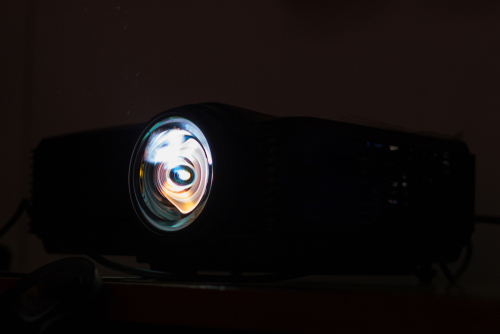
Overhead projectors were once fixtures in classrooms and conference rooms. Teachers relied on transparency sheets and markers for daily instruction. Digital projectors and interactive whiteboards replaced them quickly and decisively. Schools removed them during upgrades and renovations.
Now, overhead projectors survive mainly in storage rooms or surplus auctions. Finding one in active use is increasingly uncommon. Their rarity reflects how fast educational technology evolves. A tool that defined learning for decades was phased out in just a few years.
8. Cassette Tapes
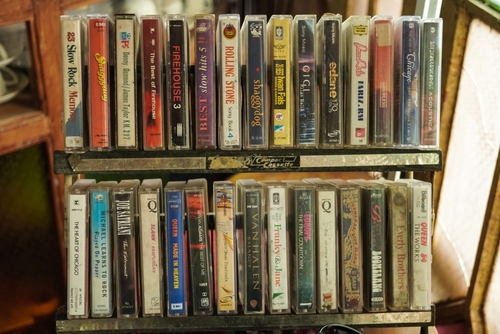
Cassette tapes once powered music listening, dictation, and even early data storage. CDs and digital audio formats made them inconvenient by comparison. As with VHS, many people discarded tapes during format transitions. The result was a steep decline in everyday availability.
Cassettes now exist primarily among collectors and musicians. Some value them for their analog sound or portability without screens. Because preservation wasn’t prioritized, many tapes degraded or were lost. Their rarity comes from both physical fragility and cultural abandonment.
9. Answering Machines
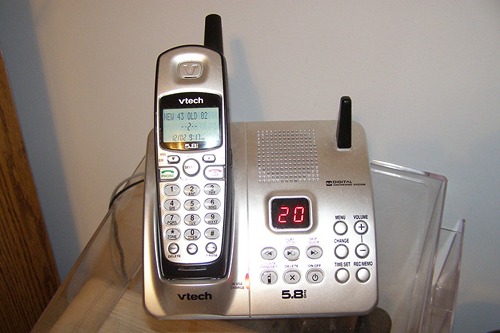
Answering machines used to be a household necessity. They allowed people to leave messages when no one was home, a major convenience at the time. Voicemail and smartphones absorbed that function completely. Standalone machines were quickly rendered redundant.
Today, answering machines feel oddly formal and mechanical. Most people associate them with a specific era of home life. Few were kept once phones became multifunctional. Their rarity reflects how single-purpose devices disappeared.
10. Slide Projectors
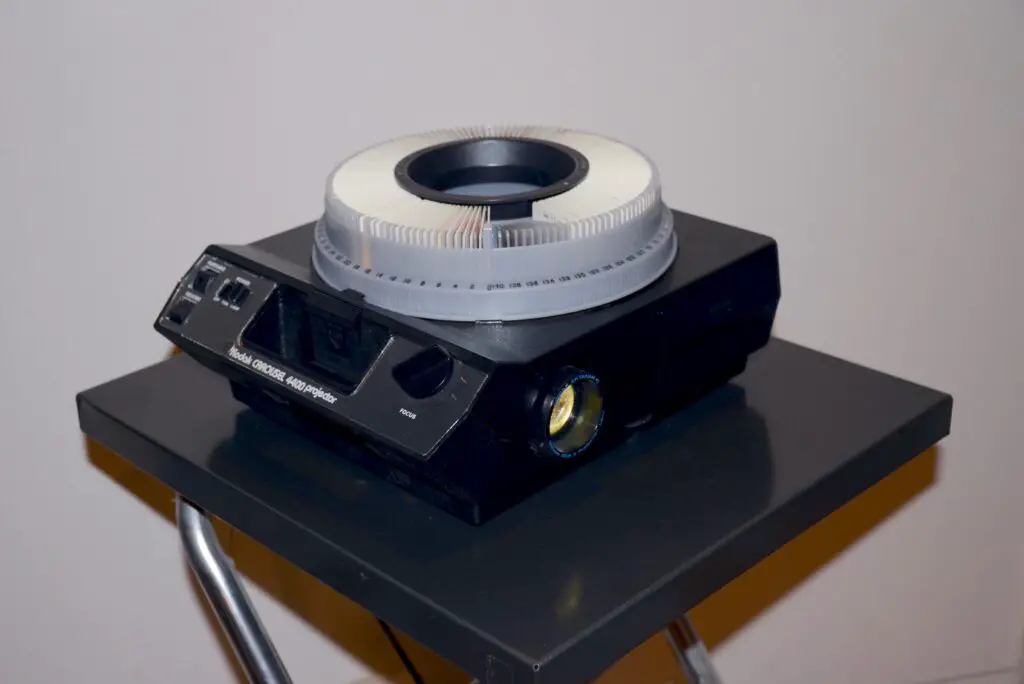
Slide projectors were once central to family gatherings and professional presentations. They required physical slides, careful organization, and darkened rooms. Digital photos eliminated the need for both the medium and the machine. As people digitized memories, the hardware vanished.
Now, slide projectors are mostly found in archives or thrift stores. Using one requires access to slides, which are themselves rare. The experience feels ceremonial compared to scrolling on a phone. Their scarcity mirrors the shift from shared viewing to individual screens.
11. Fax Machines
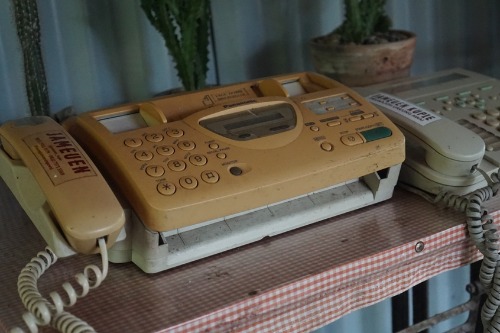
Fax machines were essential for sending documents quickly before email attachments existed. They dominated offices through the 1980s and 1990s. As internet-based communication became secure and universal, faxing declined sharply. Many offices removed the machines entirely.
Today, fax machines survive mostly in healthcare, legal, or government settings. Encountering one elsewhere feels unexpectedly anachronistic. Their rarity isn’t due to age, but to redundancy. A once-critical object became unnecessary almost overnight.
This post How These Ordinary Objects Become Rare Overnight was first published on Greenhouse Black.
