
1. Vintage Pyrex and CorningWare
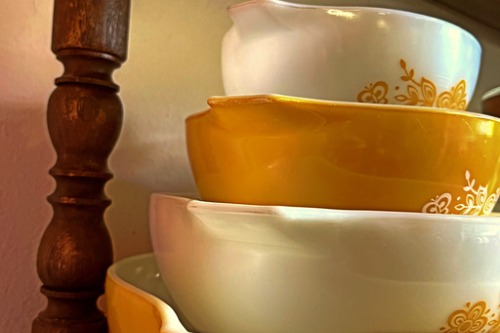
Walk into almost any thrift store and you’ll see stacks of old casserole dishes in floral patterns. Vintage Pyrex and CorningWare pieces, especially those made between the 1940s and 1980s, have a devoted collector base. Collectors look for specific patterns and colorways that are no longer in production. Resellers know that what looks like grandma’s bakeware can quietly command strong resale prices online.
Certain patterns—like mid-century promotional designs—can sell for significantly more than plain white pieces. Even a single lid can have value if it matches a discontinued set. These dishes were built to last, so condition is often surprisingly good even decades later. That combination of durability, nostalgia, and identifiable branding makes them a reliable flip.
2. First-Edition and Early Printing Books

Most people see a dusty hardcover and assume it belongs in a donation pile. Resellers flip straight to the copyright page to check the edition and printing number line. First editions from major authors can be worth many times their original cover price. Even early printings of popular titles can attract collectors if they are in good condition.
Books by authors who later became famous are especially worth a second look. A first edition published before an author won a major literary award can see increased demand afterward. Dust jackets matter tremendously, often accounting for a large portion of the value. That’s why seasoned resellers never judge a book by its cover alone.
3. Discontinued LEGO Sets
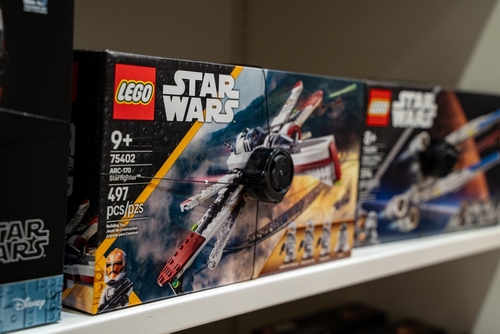
A bin of mixed bricks might look like a child’s leftovers, but original LEGO sets can appreciate significantly after retirement. LEGO regularly retires themed sets, limiting future supply. Complete sets with original boxes and instructions are particularly desirable. Resellers pay attention to part numbers and set numbers printed on the box.
Themes tied to popular franchises or limited production runs tend to perform especially well. Even partially complete sets can be profitable if rare minifigures are included. LEGO’s consistent branding and cataloging make it easy to verify authenticity. That transparency helps resellers confidently price and list what they find.
4. Vintage Video Games and Consoles
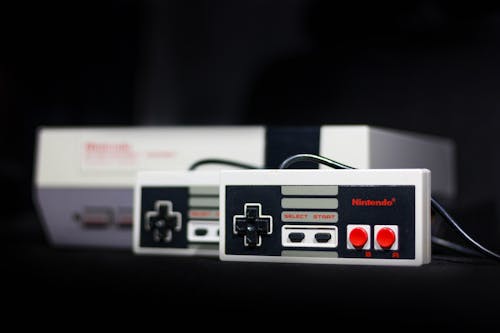
Old cartridges in a shoebox can be far more valuable than they appear. Games for older systems, particularly from the 1980s and 1990s, often have established resale markets. Titles that had low production runs or cult followings are especially sought after. Condition, label integrity, and original packaging all influence value.
Complete-in-box copies are usually worth much more than loose cartridges. Working consoles with matching controllers and cables also attract buyers. Some systems are easy to test, which lowers risk for resellers. Because nostalgia drives steady demand, these items rarely sit unsold for long.
5. Designer Handbags
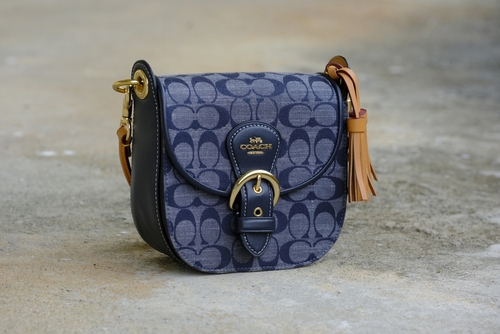
At a glance, a leather purse may seem ordinary. Resellers check stitching, hardware stamps, and serial numbers for designer authentication. Many established fashion houses have consistent hallmarks that help identify genuine pieces. Even well-worn authentic bags can retain significant resale value.
Limited editions and discontinued styles often bring higher prices. Certain materials, like full-grain leather, age attractively rather than deteriorate. Authentication knowledge is critical because counterfeits are common. Experienced resellers invest time in learning these details because the payoff can be substantial.
6. Cast Iron Cookware
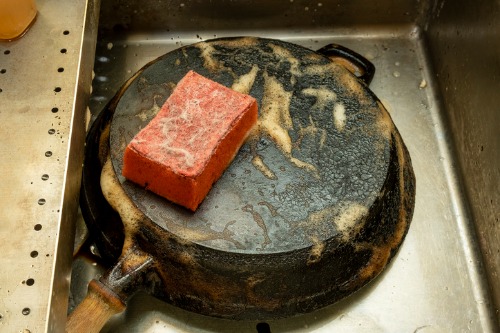
A heavy skillet at a yard sale might cost just a few dollars. Older cast iron pieces from established manufacturers can be highly collectible. Smooth cooking surfaces and certain maker’s marks are signs of age and quality. Many were produced in the late 19th and early 20th centuries and remain fully functional.
Unlike modern nonstick pans, cast iron can last generations with proper care. Some discontinued sizes or logo variations are particularly desirable. Surface rust is usually removable, which makes restoration feasible. That resilience and identifiable branding make cast iron a reseller favorite.
7. Mid-Century Modern Furniture

Clean lines and tapered legs are often clues to mid-century design. Furniture from the 1950s and 1960s continues to attract buyers seeking that aesthetic. Solid wood construction adds to durability and value. Resellers look for original hardware and manufacturer labels inside drawers.
Pieces that remain structurally sound can often be refreshed with light refinishing. Certain designers and brands have especially strong secondary markets. Even unbranded pieces in authentic styles can sell well locally. The combination of style recognition and practical usability keeps demand steady.
8. Vintage Band T-Shirts
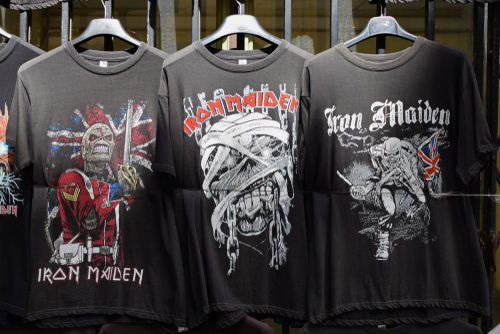
An old concert tee can be surprisingly lucrative. Shirts from tours in the 1970s, 1980s, and 1990s often appeal to collectors and fashion buyers alike. Single-stitch construction is one detail resellers check to estimate age. Original graphics and fading can actually enhance appeal.
Tour dates printed on the back help confirm authenticity. Shirts tied to historically significant albums or tours can command premium prices. Condition matters, but minor wear is expected with vintage clothing. Because trends cycle, demand for authentic vintage band tees remains consistent.
9. Sterling Silver Flatware
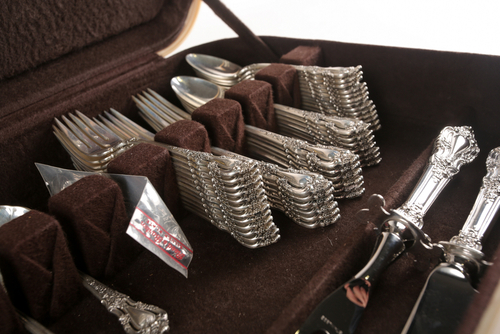
Silver-colored utensils often get tossed into mixed cutlery bins. Resellers check for “925” or “sterling” stamps, which indicate 92.5 percent silver content. Sterling silver has intrinsic value based on its metal weight. Certain patterns from established makers are also collectible beyond melt value.
Tarnish is common and usually reversible with proper polishing. Complete sets increase overall value compared to mismatched pieces. Even broken or bent items retain scrap value due to silver content. That built-in floor price reduces risk for knowledgeable buyers.
10. Vintage Costume Jewelry
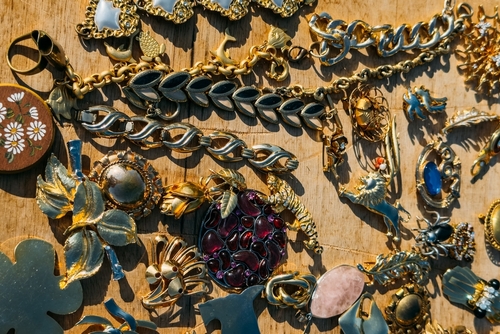
Not all valuable jewelry contains precious stones. Mid-century costume pieces from recognizable designers have strong collector followings. Signed pieces with intact clasps and minimal stone loss are especially desirable. Materials like rhinestones and enamel can remain vibrant decades later.
Certain designers produced limited seasonal collections that are now harder to find. Original boxes and tags add credibility and appeal. Resellers often carry magnifying loupes to inspect signatures and craftsmanship. Because many people overlook costume jewelry, it frequently slips through underpriced.
11. Vinyl Records
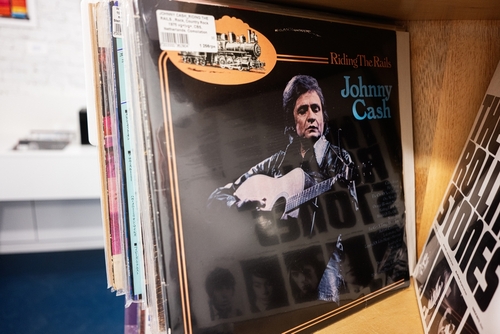
Crates of records can hide rare pressings in plain sight. First pressings and limited releases are generally more desirable than later reissues. Matrix numbers etched near the center label help identify specific pressings. Condition of both the vinyl and the sleeve significantly affects value.
Genres like classic rock, jazz, and early hip-hop often maintain strong resale demand. Even regional or independent releases can attract niche collectors. Proper storage reduces warping and surface damage, which preserves resale potential. For resellers, the thrill is in spotting that one scarce pressing among common titles.
12. Quality Power Tools
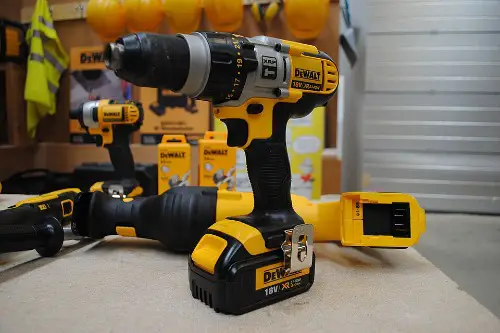
A used power drill might seem like a risky buy. Resellers look for reputable brands known for durability and readily available replacement parts. Many professional-grade tools are built to withstand years of heavy use. Testing basic functionality on-site can quickly reduce uncertainty.
Cordless tools with working batteries and chargers are especially attractive. Some discontinued models are sought after because users prefer their design or compatibility. Clean, well-maintained tools signal responsible ownership. Because tradespeople consistently need reliable equipment, demand stays relatively stable.
This post 12 Items Hiding in Plain Sight That Resellers Never Ignore was first published on Greenhouse Black.
