
1. VHS Tapes
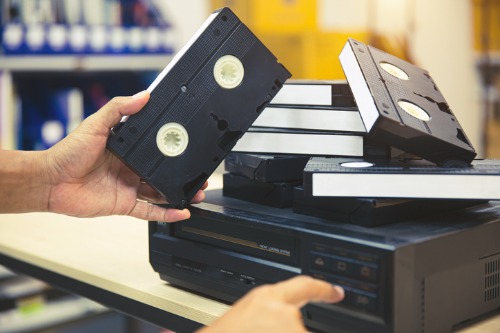
Remember the days of popping a VHS into the player and hitting play? Those bulky black cassettes are vanishing fast. With streaming services dominating entertainment, fewer people buy or even know how to use them. Even stores that used to stock them now treat them like relics, often tucked in the back corner.
Collectors still hunt for rare editions, like early Disney releases or cult classics, but prices have skyrocketed. Libraries and rental shops that once carried them have mostly disappeared, leaving enthusiasts scrambling online. The magnetic tape itself degrades over time, making older copies fragile. This makes finding anything in good condition increasingly difficult.
2. Rotary Phones

Rotary phones were once the centerpiece of every household. Their mechanical dial and satisfying clicks are now a novelty more than a necessity. Cell phones and touchscreens have made them almost obsolete, so spotting one in daily life is rare. Even thrift stores that used to have them sell quickly to collectors.
Some people keep them for nostalgia or interior decor, but usable models are limited. Replacement parts are scarce, and repair shops for rotary phones are nearly extinct. Technology has moved so fast that many younger people have never seen one in action. This makes them more of a museum piece than a practical device.
3. Film Cameras

Film photography has a dedicated fanbase, but these cameras are disappearing. Digital cameras and smartphones have replaced them for convenience and speed. Stores that once stocked rolls of 35mm film now offer a fraction of the options, sometimes only specialty brands. Developing film has become a niche service, with fewer labs handling it.
Collectors and professional photographers keep the hobby alive, but every year, the market shrinks. Old camera models, lenses, and accessories become harder to find in working condition. Even finding film in bulk or specialty formats is increasingly rare. Those who love the analog process often have to plan months ahead to source materials.
4. Typewriters
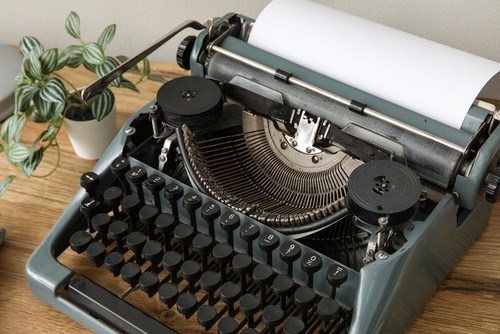
Typewriters have a certain charm that computers can’t replicate. Mechanical, tactile, and oddly satisfying, they were once in almost every office. Today, most have been replaced by laptops and tablets. Thrift stores and estate sales used to be goldmines for them, but now the hunt is tougher.
Vintage typewriters, especially models from brands like Underwood or Royal, are collectible. Parts for maintenance are limited, and repairs can be expensive. People who write on typewriters for aesthetic or artistic reasons have to be resourceful. Every year, more models fall into disrepair, leaving fewer functioning options.
5. Printed Encyclopedias
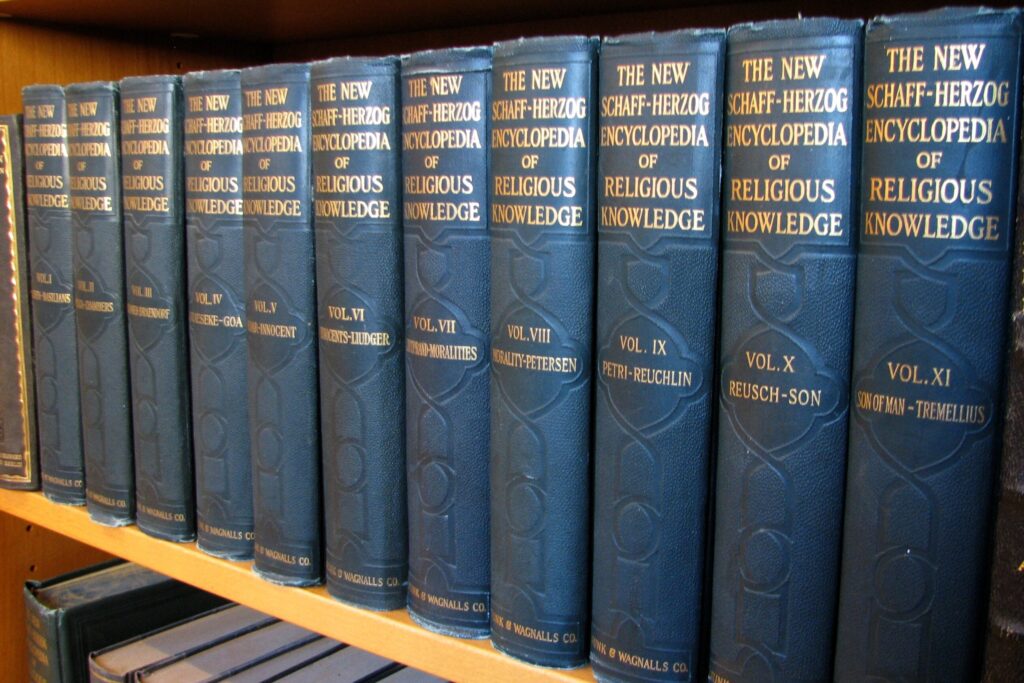
Before Wikipedia, encyclopedias were a household staple. Thick volumes lined up on bookshelves, offering curated knowledge in neat, alphabetical order. Now, the internet provides instant access to information, and physical encyclopedias have largely disappeared. Stores rarely carry them, and libraries often replace them with online databases.
Older editions are increasingly sought after by collectors or educators. Some have historic illustrations and articles that digital versions don’t replicate. Out-of-print sets can fetch high prices on resale markets. As new generations grow up entirely online, the practical use of printed encyclopedias continues to decline.
6. Cassette Tapes
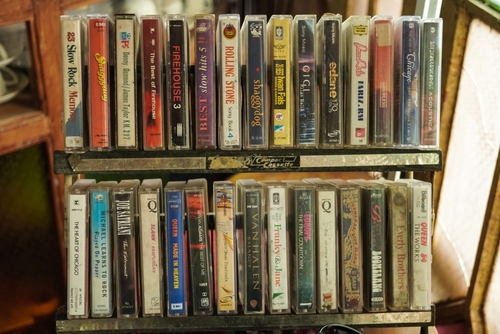
Cassette tapes once dominated music listening, from Walkmans to car stereos. Their compact size and recordability made them revolutionary at the time. With CDs, MP3s, and streaming services taking over, cassettes are harder to find in stores. Even classic albums on tape often sell only through specialty shops or online auctions.
Collectors treasure rare mixtapes, demo recordings, and limited releases. Many tapes deteriorate over time due to magnetic decay, making them unplayable. Cassette players are also scarce, adding another layer of difficulty for enthusiasts. This combination makes cassettes a nostalgic but challenging format to maintain.
7. Landline Telephones
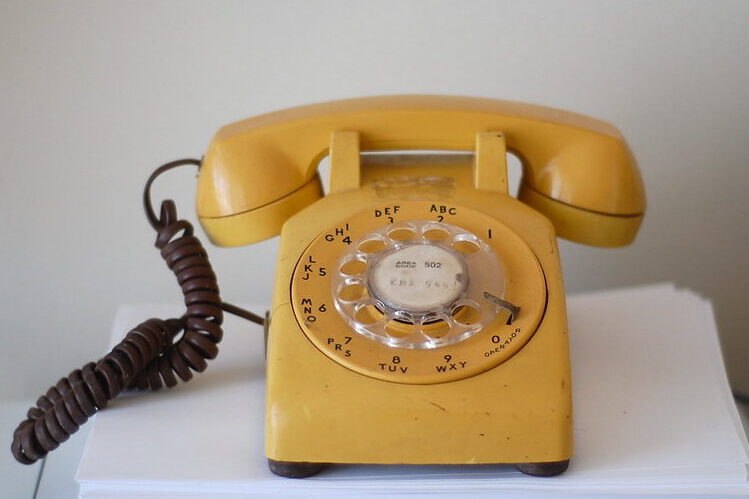
Landlines aren’t extinct, but they are rapidly disappearing. With cell phones becoming ubiquitous, many households drop their wired connections. Phone companies even phase out support for older networks in some areas, leaving fewer options for replacement. Retailers rarely stock landline models anymore.
Certain regions still rely on them for emergencies or stable internet connections. Vintage models, especially rotary or early push-button phones, are collectible. Replacement parts and repair expertise are scarce, which can frustrate users. Over time, most homes will likely abandon landlines entirely.
8. Physical Maps

Before GPS, folding a map on a road trip was an essential skill. Printed maps used to be sold in almost every gas station and bookstore. Today, Google Maps and GPS apps have rendered them nearly obsolete. Finding a detailed physical map of a specific region can feel like searching for a hidden treasure.
Travel enthusiasts and collectors still prize old road maps for their history. They offer a snapshot of past landscapes and city planning that digital maps can’t replicate. Specialty map stores now carry them, but selection is limited. For everyday navigation, most people don’t even think to buy one anymore.
9. Board Games With Original Pieces
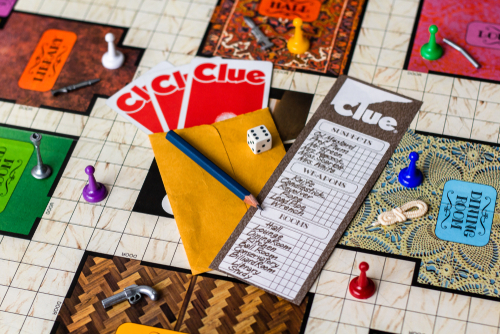
Classic board games were once the centerpiece of family nights. Over time, many editions are discontinued, or pieces are replaced with cheaper materials. Some games even change rules or components drastically in newer editions. Finding an original, complete set from the 80s or 90s has become increasingly difficult.
Collectors and nostalgic players scour secondhand shops for intact games. Missing pieces or worn boards can make a game almost worthless in the collector market. Rare editions, like early Monopoly or Clue variations, are especially sought after. The charm of owning the original version is driving demand up while availability drops.
10. Type-specific Seeds

Certain heirloom vegetable or flower seeds are harder to find every year. Commercial agriculture favors hybrids that are easier to mass-produce, leaving older varieties in smaller circulation. Gardeners and seed savers try to preserve them, but natural challenges like climate and pests limit success. Specialty seed banks or exchanges are often the only source for rare types.
Tomatoes, beans, and flowers with unique colors or flavors are highly prized. Some seeds can remain viable for decades if stored correctly, but availability is still finite. Losing a variety can mean it disappears forever from cultivation. Enthusiasts increasingly treat rare seeds as both a hobby and a conservation effort.
11. Paperback Classics in Original Covers

First editions or original cover designs of paperback classics are increasingly scarce. Publishers frequently update artwork or typography for new releases. Libraries and personal collections often discard older editions over time. For collectors, finding one in good condition is a special thrill.
Certain books, like early Stephen King or Jane Austen paperbacks, have become highly collectible. Original covers can affect the value and historical interest. Even popular novels often circulate only in reprints now. Serious collectors and sellers track these editions carefully, keeping them rare.
12. Old Video Game Cartridges
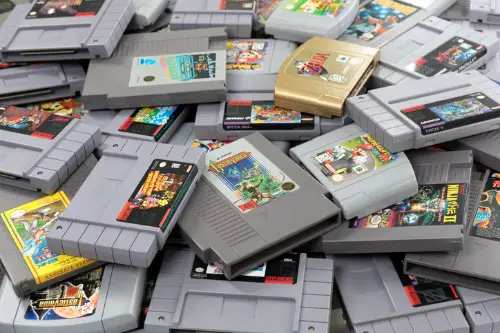
Retro gaming is booming, but original cartridges are disappearing fast. Nintendo, Sega, and other classic consoles have long discontinued production. Digital remakes exist, but the original physical copies carry nostalgia and collectible value. Game stores sometimes sell them, but prices are steadily rising as inventory dwindles.
The condition of the cartridge, box, and manual affects both usability and collector value. Some rare titles can fetch hundreds or even thousands of dollars. Enthusiasts often scour garage sales and online auctions to find these gems. Every year, playable, complete sets become harder to track down.
This post Items That Become Harder to Find Every Year was first published on Greenhouse Black.
