
1. Vintage Christmas Ornaments
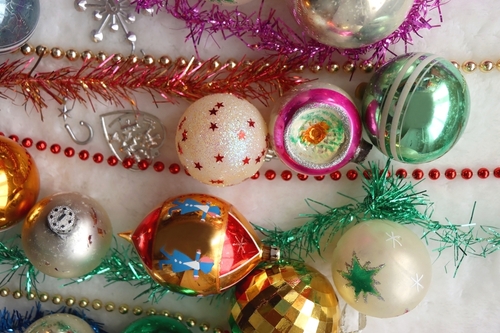
Old glass ornaments might seem fragile and outdated. Brands like Shiny Brite produced colorful designs that are now collectible. Original boxes, even worn ones, add to value. Certain shapes and color combinations are especially sought after.
Collectors often decorate entire trees with period-accurate ornaments. Chips and cracks matter, but gentle wear is expected. Modern ornaments don’t replicate the same glass quality. Holiday nostalgia can be a powerful motivator for buyers.
2. Vintage Pyrex Mixing Bowls
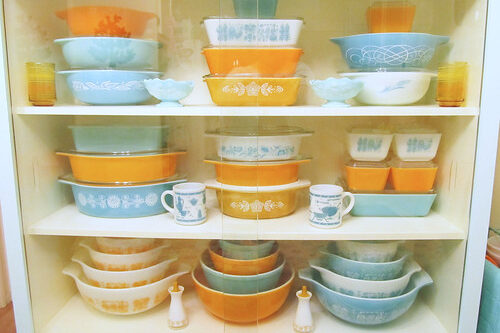
Those old patterned bowls shoved to the back of a cabinet can look like just another mismatched kitchen set. Collectors, however, actively hunt for specific mid-century Pyrex patterns like Butterprint, Gooseberry, and Snowflake. These designs were produced in limited runs and discontinued decades ago, which makes intact sets especially appealing. Chips and fading matter, so a clean bowl can be far more desirable than you might expect.
People who buy them aren’t just decorators, either. Many collectors care about production years, color variations, and whether the bowl was part of a promotional release. A single rare bowl can sometimes sell for more than a full modern cookware set. What looks like clutter might actually be a missing piece someone has been searching for.
3. Mid-Century Wooden Furniture
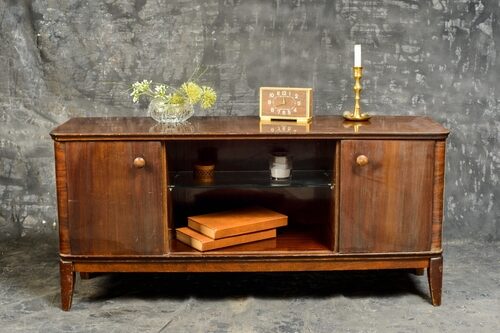
That plain wooden dresser might look outdated instead of antique. Mid-century modern furniture from the 1940s through 1960s is highly sought after for its clean lines and solid construction. Pieces made from teak, walnut, or rosewood are especially desirable. Even unmarked furniture can attract buyers if the design fits the era.
Many buyers are willing to refinish rather than replace original pieces. Dovetail joints and tapered legs are signs people look for when evaluating authenticity. Furniture that feels “old-fashioned” to one person may feel timeless to another. Style cycles matter, and this one keeps coming back.
4. Hand-Stitched Quilts
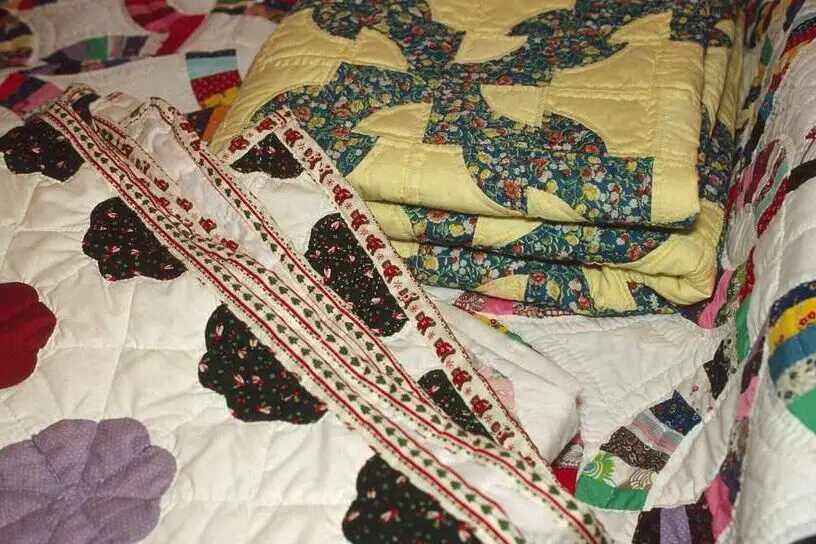
A folded quilt in a linen closet might feel more sentimental than valuable. Hand-stitched quilts, especially those made before the 1950s, can attract collectors and textile historians. Fabric patterns, stitching methods, and regional styles all influence interest. Even wear can add character rather than reduce appeal.
Buyers often look for evidence of hand sewing rather than machine work. Natural dyes, unique patchwork layouts, and documented family histories increase desirability. These quilts are valued as folk art as much as functional items. What looks worn to you might read as authentic to someone else.
5. Vintage Sewing Machines
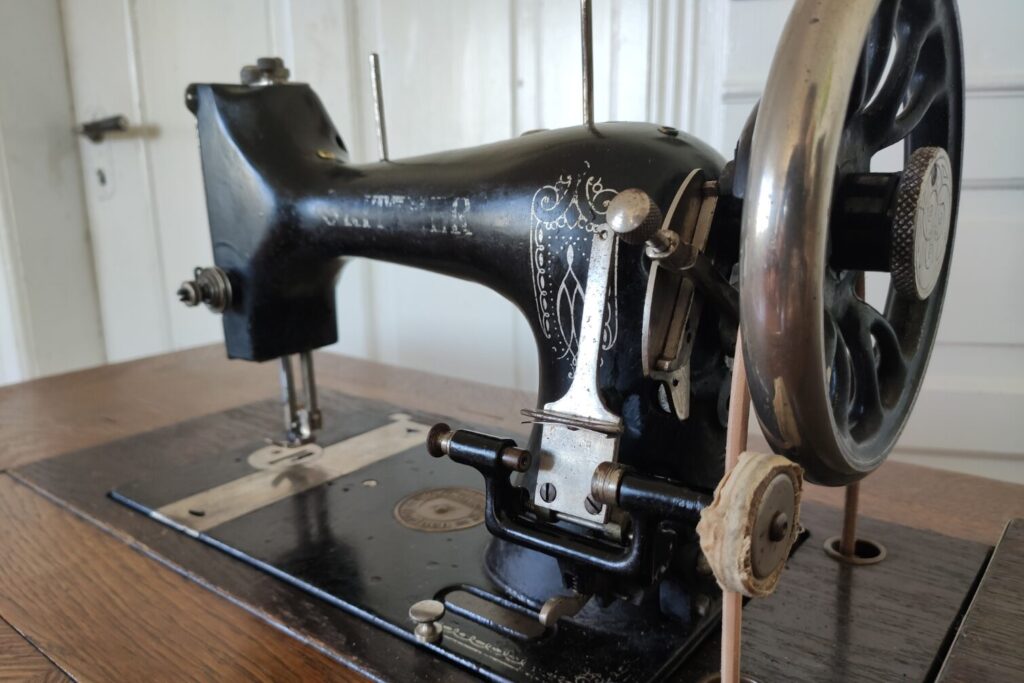
Old sewing machines often get written off as bulky and obsolete. Models like the Singer Featherweight are famous for their durability and portability. Many quilters and tailors still actively use them today. Original cases and accessories can significantly increase interest.
Collectors care about model numbers, decals, and working condition. Even nonworking machines may be valuable for parts or restoration. Modern machines don’t always replicate the stitch quality of older ones. That heavy metal body can be a major selling point.
6. Hand-Knotted Area Rugs
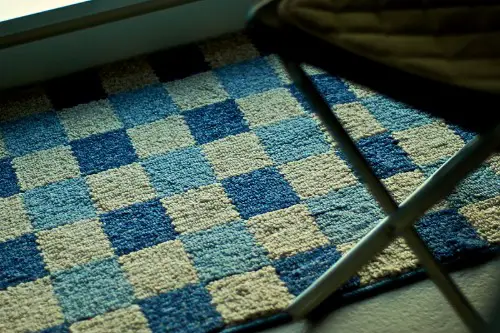
A faded rug might seem like something that’s seen better days. Hand-knotted rugs, particularly Persian or Turkish ones, are valued for their craftsmanship and materials. Wool quality, knot density, and natural dyes all matter to buyers. Age can actually enhance a rug’s appeal rather than diminish it.
Some buyers specifically seek rugs with visible wear. The pattern, region of origin, and size all affect value. Machine-made rugs don’t age the same way, which makes authentic hand-knotted ones stand out. That old rug could be a design investment to the right person.
7. Solid Brass Hardware
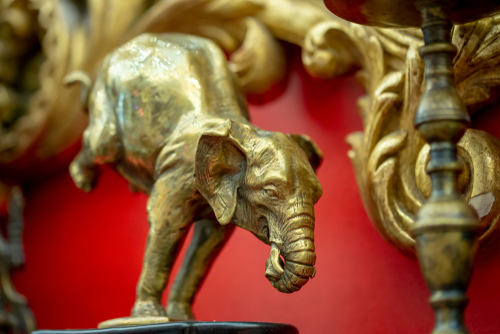
Old doorknobs and drawer pulls are often replaced during renovations. Solid brass hardware from earlier decades is heavier and more durable than many modern alternatives. Restoration enthusiasts look for original hardware to maintain period-accurate homes. Even tarnished pieces can usually be polished back to life.
Buyers often seek matching sets, but singles can still sell. Details like backplates, screw patterns, and shapes help identify age. Modern reproductions don’t always match original dimensions. What feels outdated to you may be irreplaceable to someone else.
8. Vinyl Records
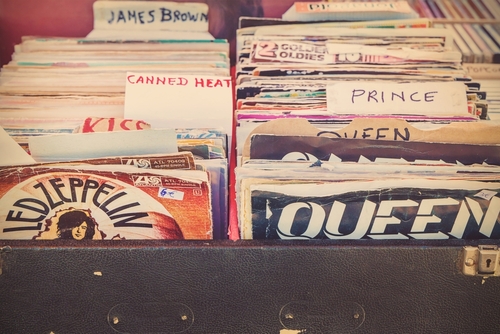
Stacks of old records can seem like clutter if you don’t own a turntable. Certain pressings, especially first releases or limited runs, are highly collectible. Condition matters, but even well-loved records can have value. Genres like jazz, punk, and early rock are particularly popular with collectors.
Buyers look closely at label variations and catalog numbers. Original sleeves and inserts add to desirability. Not every record is valuable, but some are surprisingly rare. To the right buyer, that dusty crate is a treasure hunt.
9. Manual Typewriters
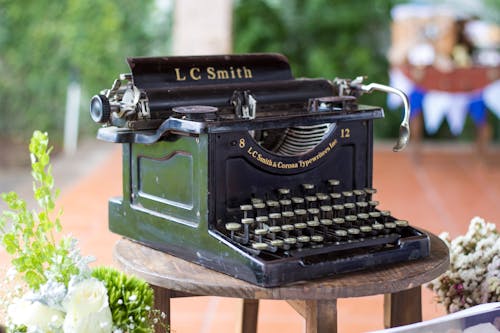
Manual typewriters often look like relics of a pre-digital world. Brands like Olympia, Smith-Corona, and Royal are still used by writers today. Many people prefer the tactile feedback and distraction-free experience. Well-maintained machines are especially appealing.
Collectors pay attention to model names, fonts, and build quality. Even cosmetic condition can matter less than functionality. Replacement parts are harder to find, increasing demand for intact machines. What looks obsolete may actually feel refreshing.
10. Old Cast Iron Skillets
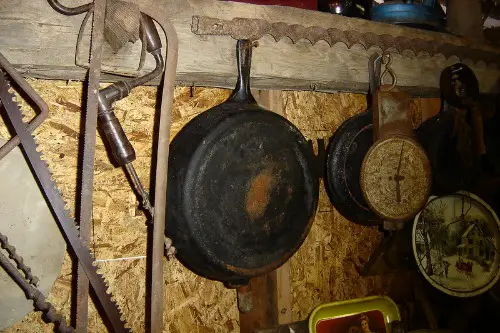
A heavy, rusty pan can seem like something destined for recycling. Brands like Griswold and Wagner, though, are no longer made and are prized for their smooth cooking surfaces. Older cast iron was machined differently, resulting in lighter pans that season beautifully. Even neglected ones can often be restored, which adds to their appeal.
Collectors and serious home cooks alike look for specific logos and production marks. Size numbers, heat rings, and handle styles all affect value. A skillet that looks worn out may be exactly what someone wants. To the right buyer, that pan represents craftsmanship that’s hard to find today.
11. Pre-1973 Fiesta Ware
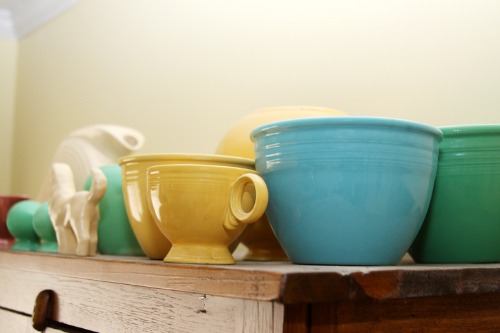
Plain, brightly colored dishes can blend into everyday kitchen clutter. Fiesta Ware made before 1973 used uranium-based glazes, which collectors can identify with a Geiger counter. These pieces are safe for display and have a dedicated collector base. Color, shape, and stamp markings all affect interest.
Not every piece is valuable, but some are rare. Buyers often seek specific colors like red or ivory from early production years. Condition still matters, especially for chips and cracks. That cheerful plate could be more than just a spare dish.
12. Complete Vintage Board Games

Old board games often end up missing pieces and get discarded. Complete sets, especially from companies like Avalon Hill or early Parker Brothers editions, can attract collectors. Original boxes, even with wear, are important to buyers. Instructions and tokens matter more than you might expect.
Some games were produced in limited quantities or discontinued quickly. Strategy and war games are particularly popular among collectors. Replacement parts are hard to source, which raises the value of intact games. What feels outdated could be someone’s favorite childhood memory.
13. Antique Mason Jars
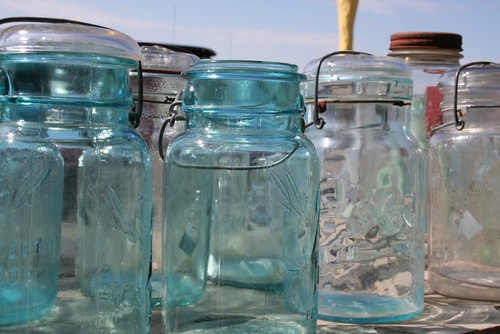
Empty glass jars might look like leftovers from past canning projects. Certain Mason jars, especially those with unusual logos or colors, are collectible. Embossed lettering, age marks, and lid styles help identify them. Blue and amber jars often attract the most attention.
Collectors care about manufacturers like Ball, Kerr, and Atlas. Even subtle logo changes can affect desirability. Chips reduce value, but clarity and originality matter more. That jar in your garage could be a small piece of history someone wants.
This post 13 Items That Look Worthless Until the Right Buyer Sees Them was first published on Greenhouse Black.
