
1. Single-Purpose Pantries
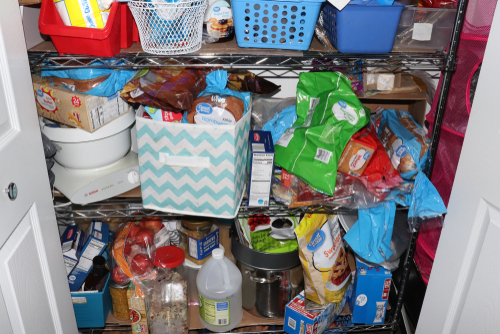
Traditional pantries designed only for dry goods aren’t cutting it anymore. With more people cooking at home and bulk-buying, homeowners need storage that adapts to real everyday habits. Simple shelving often leads to clutter because items aren’t organized by function. By 2026, versatility is becoming a key expectation.
Instead, multifunctional “task pantries” are taking the spotlight. These include zones for appliances, prep surfaces, produce bins, or even breakfast stations. They help keep counters clear and make daily routines more efficient. Adding lighting, drawers, and customizable shelving turns your pantry into an extension of the kitchen—not an afterthought.
2. Open Shelving Everywhere
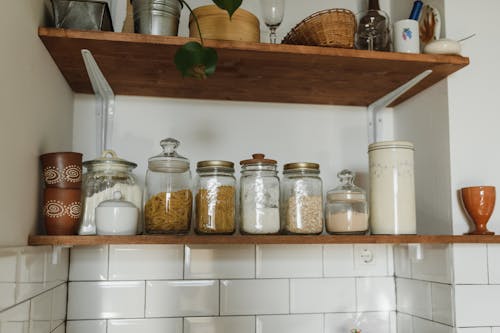
Open shelving used to signify “effortlessly stylish,” but by 2026 people are tired of constantly curating them. They collect dust quickly, show clutter instantly, and demand a level of tidiness that isn’t realistic for most households. As more people cook at home, practicality is taking precedence over aesthetics. This is making homeowners reconsider how many items they actually want sitting out 24/7.
Instead, designers are leaning on mixed storage that balances beauty and function. A few open shelves can still look great when paired with closed cabinets for everyday items. This approach keeps your walls feeling open without sacrificing sanity. It also allows you to showcase just a few curated pieces—without committing your entire dish collection to display duty.
3. Ultra-Glossy Cabinets
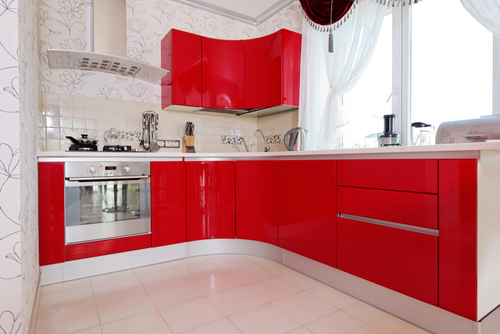
High-gloss cabinets had a moment for their sleek and modern appeal, but fingerprints and scratches became a common frustration. Many homeowners found the constant cleaning more annoying than expected, especially in households with kids. In certain lighting, glare can also distort the cabinet color. By 2026, people are leaning toward finishes that feel softer, calmer, and easier to live with.
Matte and satin finishes are taking the lead, offering a refined look that hides smudges better. These finishes also complement natural materials, which are trending in kitchens overall. They provide a timeless feel that works with both contemporary and traditional designs. If you still love shine, using gloss on a single accent—like an appliance garage—adds impact without maintenance headaches.
4. Industrial-Style Lighting
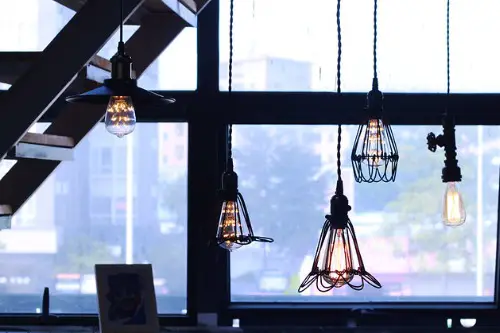
The black metal cages and exposed bulbs that once felt edgy now feel harsh in many homes. They can produce glare and don’t distribute light evenly, which isn’t ideal for food prep. As kitchens become more multifunctional, people want lighting that’s both flattering and functional. The industrial look can also feel too cold when paired with warmer palettes gaining popularity.
Instead, consider softer silhouettes like globe pendants, linen shades, or mixed-metal fixtures. These styles diffuse light better and create a welcoming atmosphere. Designers are also recommending layered lighting—task, ambient, and accent—for flexibility throughout the day. This makes your kitchen more adaptable whether you’re cooking, hosting, or working from the breakfast bar.
5. Overly Large Islands
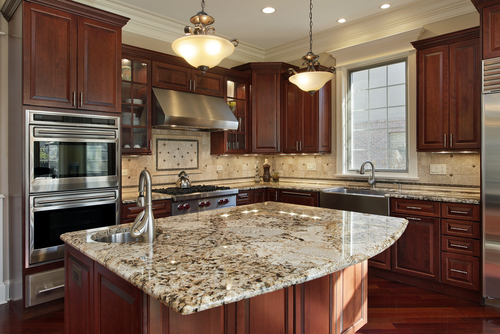
Massive islands once symbolized luxury, but homeowners are discovering they can dominate the room. They often disrupt natural movement, making the kitchen less efficient instead of more spacious. In some cases, people lose valuable dining or living space to accommodate them. By 2026, functionality is ranking above sheer size.
Smarter island designs focus on proportion and purpose. A slightly smaller island with integrated storage or seating can still feel high-end. Designers are adding features like waterfall edges, charging drawers, or built-in beverage fridges to maximize usefulness. The goal is an island that enhances the flow—not one that becomes an obstacle course.
6. Gray-on-Gray Color Schemes
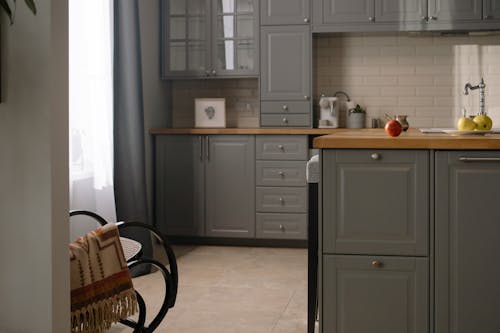
The all-gray era is officially fading as people crave warmth and personality. These monochromatic schemes can read as dull or cold, especially under LED lighting. Many homeowners also feel they’ve seen the look everywhere, making it less fresh. As personal expression grows in home design, gray-heavy palettes feel too safe and predictable.
Instead, warm undertones and earthy hues are bringing kitchens to life. Think soft greens, muted terracotta, or warm beiges paired with wood accents. These colors make spaces feel more grounded and organic. If you still love gray, using it as a neutral base rather than the entire palette adds balance without dullness.
7. All-White Kitchens
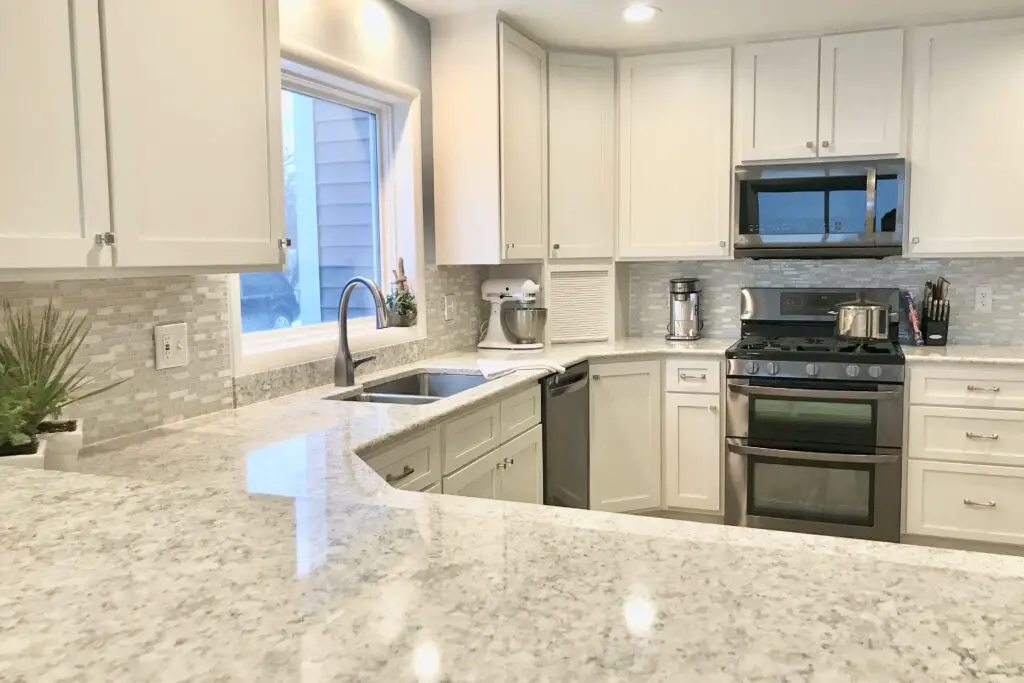
For years, all-white everything was the go-to look, but in 2026 it’s feeling more sterile than serene. Homeowners are realizing that bright whites show every smudge, scuff, and crumb, which makes them high-maintenance in real life. Designers have also noted that these spaces can feel flat on camera and in person unless layered with texture. The shift now is toward warmth and depth instead of a clinic-clean vibe.
Instead, try soft neutrals like mushroom, oatmeal, or warm taupe to add dimension without overwhelming the room. These tones still feel bright but hide wear better and pair well with natural woods. They also create a cozy backdrop for open layouts where the kitchen blends into living spaces. If you prefer some crispness, keep your backsplash or trim lighter while letting cabinets warm up the palette.
This post 7 KITCHEN TRENDS On the Way OUT in 2026 (and what to do instead) was first published on Greenhouse Black.
