
1. Planting Trees on the Wrong Side of the House
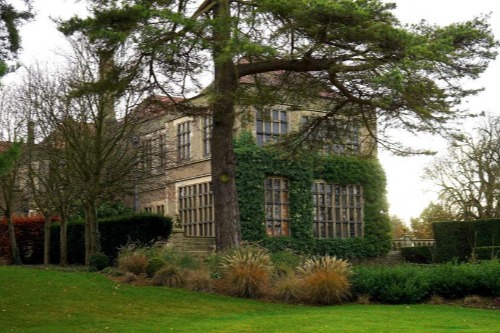
Trees are great for shade, but when they’re planted on the wrong side of the house, they won’t actually help with cooling costs. For example, putting a tree on the north side in a hot climate won’t block afternoon sun where it matters most. The western and southern exposures are usually the hottest, so trees belong there if your goal is energy savings. Misplacing them means you’re paying for landscaping that doesn’t pull its weight.
On top of that, a tree planted in the wrong place can sometimes increase heating costs in winter. If it blocks morning sun in colder months, you might miss out on that natural warmth. This forces your heating system to work harder, which drives up bills. Thoughtful placement is everything when it comes to trees and energy efficiency.
2. Choosing Deciduous Trees in the Wrong Climate

Deciduous trees lose their leaves in the fall, which means they stop providing shade during the winter. That can be a smart choice in cooler climates, but in hotter regions, it’s a missed opportunity. If your summers are blazing and you want year-round shade, evergreens might do more to keep cooling costs down. Picking the wrong type of tree for your climate means the benefits don’t align with your energy needs.
In winter, bare branches do little to slow cold winds that creep into a house. This adds to heating costs because your home loses warmth faster. On the flip side, in summer, you may still be getting blasted by sun if the tree species isn’t dense enough. Matching tree types to your local conditions is the only way to get the energy-saving results you want.
3. Using Rocks Instead of Grass or Groundcover
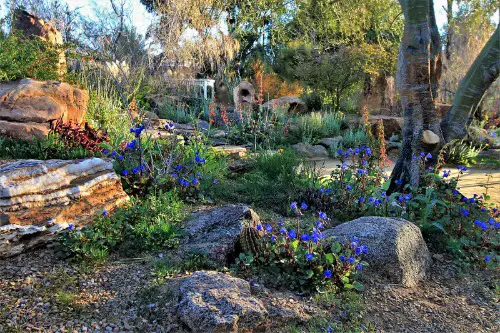
Rock-heavy landscapes can look modern, but they tend to hold and reflect heat. This can make your yard hotter, which then radiates back into your house. The result is higher cooling bills in the summer, especially in already warm climates. What seems like a low-maintenance solution often ends up working against your energy efficiency goals.
Grass, groundcovers, and even mulch do a better job of moderating ground temperatures. They act like natural insulation for the surrounding environment. Without them, your air conditioner may be fighting an uphill battle just to keep things comfortable indoors. A little greenery can make a big difference for your utility costs.
4. Skipping Shade Over Outdoor AC Units
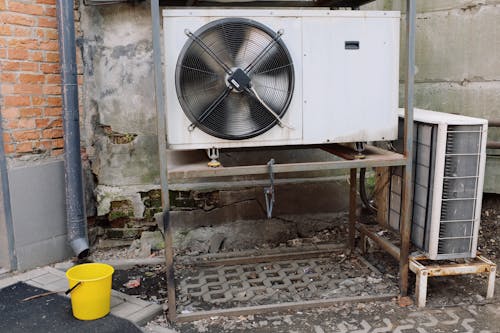
When air conditioners sit in full sun all day, they have to work harder. The hotter the unit gets, the less efficiently it can cool your home. Landscaping can help by shading these units with shrubs or small trees, but too many people skip this step. Leaving them exposed is like forcing your AC to run a marathon in the desert.
The right placement of plants can keep the unit cooler while still allowing proper airflow. This small change can shave noticeable amounts off your cooling bill. If you’ve ever wondered why your AC seems to struggle in midsummer, exposure might be the culprit. Strategic shade is an overlooked landscaping move that pays for itself.
5. Planting Shrubs Too Close to the House
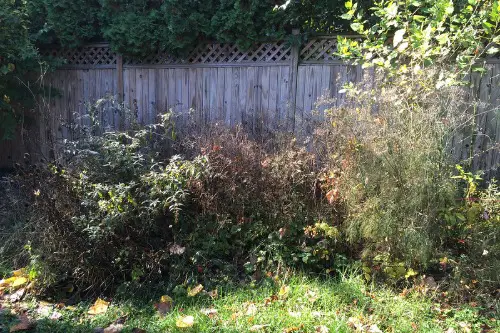
People love foundation plantings because they soften the look of a house, but planting too close has drawbacks. Shrubs can trap moisture against walls, reducing insulation efficiency and sometimes even encouraging mold. That extra dampness can make it harder to keep your house comfortable. Instead of helping, your landscaping becomes a barrier to energy efficiency.
In winter, poorly placed shrubs can block sun from hitting your walls or windows. That means less natural heat making its way inside. Over time, this creates more demand on your heating system and higher bills. Planting a few feet further out is usually all it takes to fix the problem.
6. Neglecting Windbreaks in Cold Climates
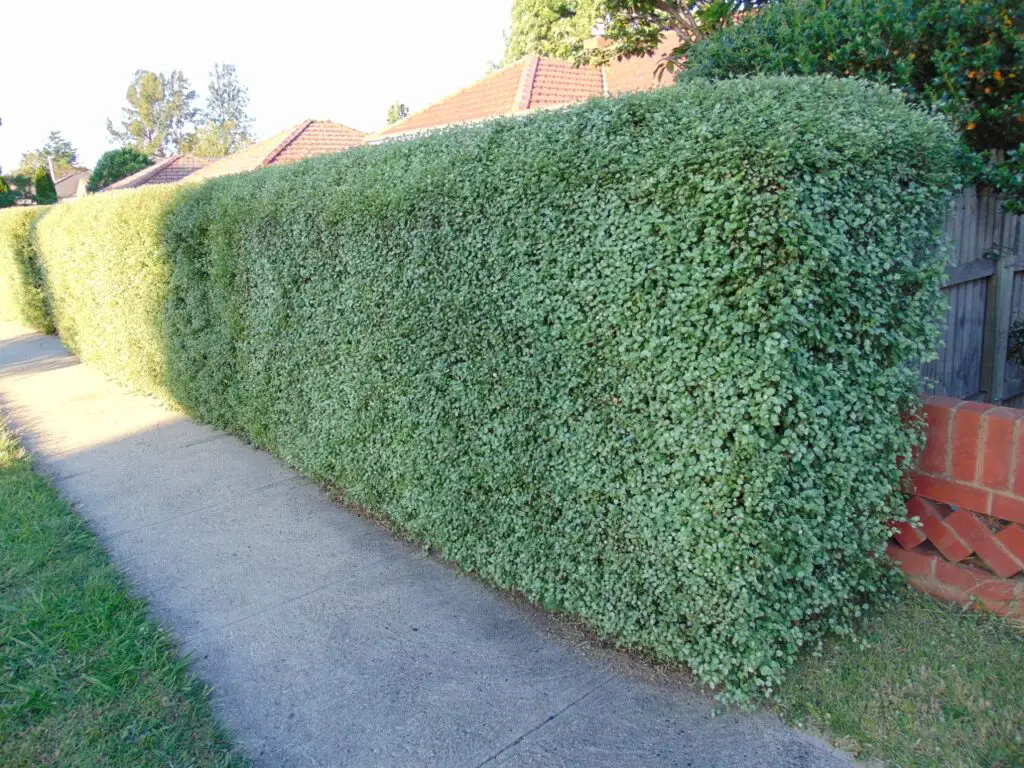
In colder areas, wind chill can sap heat from a home in surprising ways. A lack of windbreaks—like rows of dense trees or tall shrubs—leaves your house exposed to icy gusts. This increases drafts and heat loss, forcing your furnace to run more often. Skipping windbreaks means you’re missing a natural layer of insulation.
Evergreen trees are especially effective because they hold their foliage year-round. Positioned to the north and northwest, they can reduce the impact of prevailing winter winds. Without them, your house is essentially standing alone against the elements. It’s a small oversight that can have a big effect on energy bills.
7. Overusing Dark Mulch
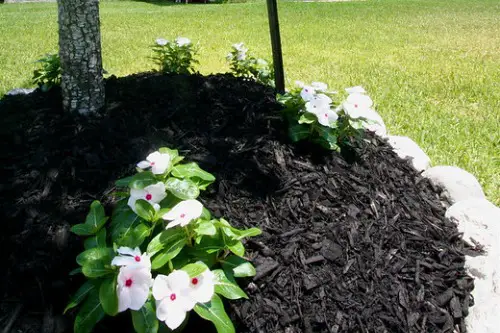
Dark mulch absorbs sunlight and radiates heat, warming up the area around your home. While it may look polished, it can actually make summers more uncomfortable indoors. The added heat seeps into walls and windows, raising cooling costs. A simple color choice in landscaping can ripple into higher energy use.
Lighter mulches reflect more sunlight and help keep the ground cooler. This moderation means less heat load on your house during peak summer hours. If you’ve noticed certain rooms always feeling warmer, dark mulch nearby might be part of the reason. Swapping it out is an easy, low-cost fix with noticeable results.
8. Blocking Natural Ventilation with Fences
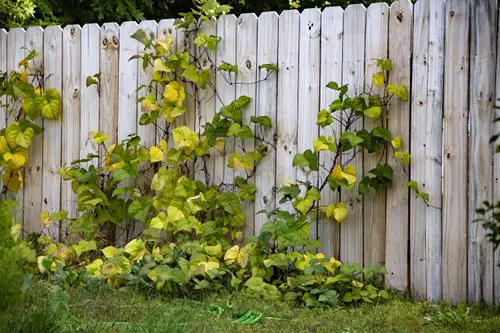
Solid fences can feel private and secure, but they also block breezes. In climates where natural ventilation could cool your home, a fence can stop that airflow cold. The result is less passive cooling and more dependence on air conditioning. Privacy comes at the cost of higher energy use.
Alternatives like lattice fencing or vegetation-based screens allow breezes to move through. These let you balance privacy with airflow, making your yard more comfortable. In older homes especially, where passive design matters, blocking breezes can undo natural efficiency. Being intentional with fencing design can save you money in the long run.
9. Ignoring Reflective Surfaces
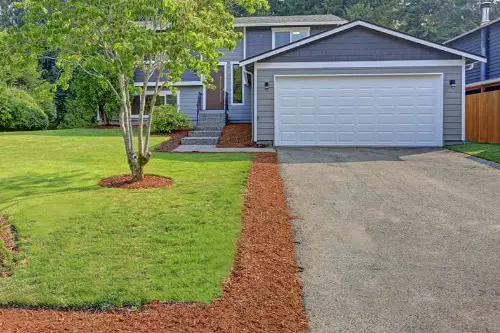
Patios, driveways, and even white siding can bounce sunlight into your home. If these surfaces are positioned near windows, they can actually raise indoor temperatures. This extra heat load increases reliance on air conditioning. Landscaping that ignores reflective glare ends up driving up bills.
Adding shade trees or using matte, less-reflective finishes can solve this issue. Even shrubs strategically planted between windows and reflective surfaces can cut down the problem. It’s often overlooked, but glare is just as much an energy factor as direct sun. A few design tweaks can keep reflected heat at bay.
10. Planting Large Lawns in Dry Climates

Lawns might seem harmless, but in dry regions, they demand lots of irrigation. That irrigation often relies on energy-intensive water systems. The more water pumped, treated, and delivered, the higher your indirect energy footprint. Landscaping with thirsty grass isn’t just a water issue—it’s an energy one too.
Replacing lawns with drought-tolerant plants can ease both energy and water bills. Xeriscaping, for example, makes use of native species that thrive with minimal input. This reduces the strain on local resources and your utilities. A lush lawn in the desert may look nice, but it’s a hidden drain on efficiency.
11. Forgetting About Seasonal Planting Strategy
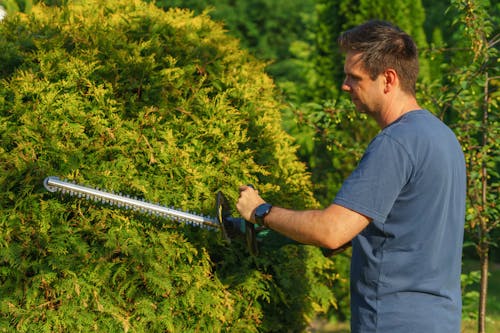
Many homeowners don’t think about how different seasons impact their landscaping choices. A tree that shades beautifully in summer may block valuable light in winter. Similarly, a dense hedge might protect you from winds but also trap cool air in hot months. Forgetting to plan for seasonal shifts makes landscaping less effective for energy savings.
Smart planning means designing for both heating and cooling needs. Deciduous trees can let in winter sun while blocking summer heat, for example. Evergreen shrubs can serve as windbreaks where it matters most. Without a seasonal strategy, you’ll always be missing half the picture.
12. Using Too Much Hardscape Near the House
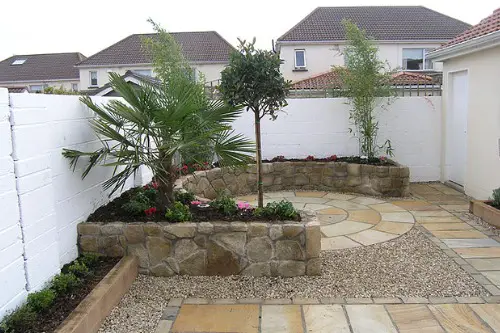
Large patios, concrete paths, and stone walls soak up heat during the day. That heat radiates back into your home at night, raising indoor temperatures. It creates a kind of “mini heat island” effect right outside your door. Cooling costs climb as your home absorbs this extra warmth.
Breaking up hardscaping with greenery can reduce this effect. Plants provide shade, evapotranspiration, and cooler ground surfaces. Even a few planters or small trees can offset the heat load of a big patio. Balance is the key—too much stone, and you’re basically inviting extra heat inside.
This post 12 Landscaping Choices That Lower Energy Efficiency was first published on Greenhouse Black.
