
1. Aging Retaining Walls
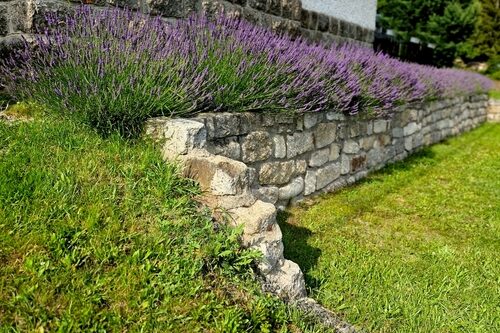
Railroad-tie retaining walls were everywhere in the 1970s and ’80s. They were affordable and easy to install but tend to rot and warp over time. Crumbling timbers are a clear clue to a landscape’s age. Today’s versions use concrete blocks or natural stone for a cleaner, longer-lasting effect.
Replacing those timbers not only improves looks but also boosts safety. Old ties often leach creosote into soil, which is now considered environmentally harmful. Upgrading materials can instantly modernize both aesthetics and function. It’s one of the most impactful updates for an older yard.
2. Outdated Mulch Choices
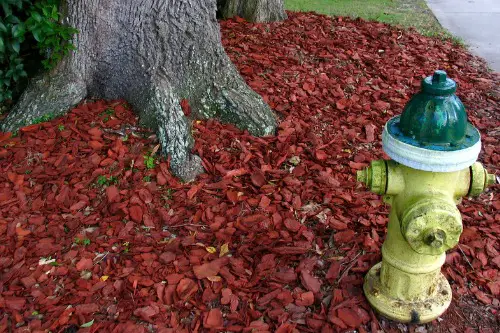
Old-school landscaping often relied on red-dyed mulch, which was a staple in the 1990s. These bright red tones fade quickly under UV light and now feel more dated than decorative. Modern landscapes favor natural brown or black mulch, which complements today’s neutral exterior palettes. That color shift alone can make a yard feel decades younger.
There’s also a practical reason behind the change. Red-dyed mulch is often made from recycled wood that may contain contaminants, while natural bark mulch enriches soil over time. Homeowners looking to update their curb appeal should consider mulch replacement an easy weekend project. It’s one of the fastest visual upgrades you can make outdoors.
3. Narrow Concrete Walkways
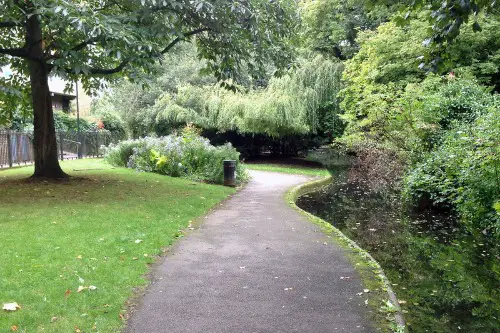
If a front walkway is a slim strip of plain gray concrete, chances are it was poured 30 or more years ago. Back then, builders prioritized cost and function over design. Modern homes often feature wider paths with pavers, stamped concrete, or stone to make an inviting first impression. The narrow strip style instantly signals a home built before the 2000s.
Updating a walkway does more than improve looks—it boosts accessibility and drainage too. Wider paths make space for planters or lighting, giving an updated, welcoming feel. Even resurfacing existing concrete with a textured overlay can modernize it. It’s one of those subtle cues that screams “old” or “new” without anyone realizing why.
4. Rock Gardens and White Pebble Borders
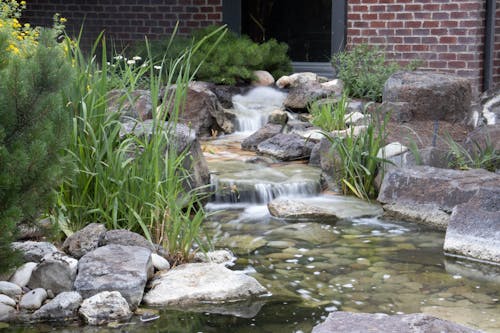
White rock borders were all the rage in the midcentury and resurged again in the 1980s. Unfortunately, they age poorly, collecting dirt and turning dingy gray. They also clash with today’s softer, more natural landscaping trends. Seeing them is like spotting shag carpet outside—it’s a time capsule moment.
Replacing decorative gravel with native plants or mulch brings instant freshness. Modern xeriscaping uses stone differently, blending sizes and tones for a natural look. White marble chips, though once trendy, rarely appear in contemporary design guides anymore. A simple change here can make a property feel maintained and modern again.
5. Neglected Edging
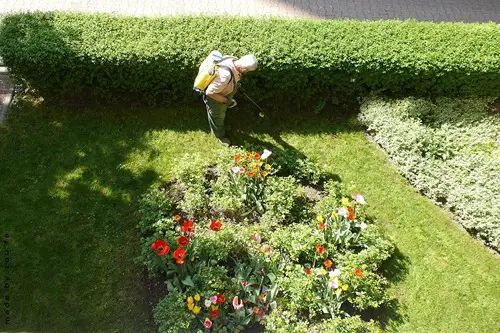
Crumbly, uneven lawn edging around garden beds can make even a newer home look tired. Plastic or metal edging from earlier decades often buckles or shifts over time. Today’s landscapers prefer clean lines using stone, brick, or steel that stay crisp for years. When edging looks sloppy, it instantly suggests long-term neglect.
Maintaining clean borders between grass and beds gives the impression of meticulous care. It’s one of those subconscious cues people pick up without realizing it. Regular re-edging or upgrading to a durable material transforms the yard’s overall look. A well-defined edge makes everything else appear fresher.
6. Mature Trees Crowding the House
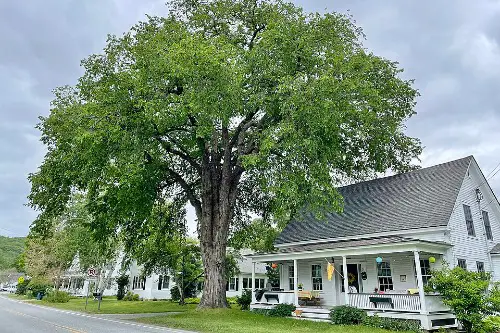
Large oaks or maples towering right over a roofline can reveal a home that’s been around for decades. While mature trees add value, they can also pose hazards if planted too close to the structure. Roots may disrupt foundations or sidewalks, and branches can scrape shingles. In older neighborhoods, this is a telltale sign of midcentury planting habits.
Modern landscaping guidelines recommend placing trees at least 15–20 feet from the house. That spacing prevents structural issues and gives trees room to develop safely. Strategic pruning can reduce risks while preserving shade and beauty. The difference between “classic charm” and “dated danger” often comes down to placement.
7. Circular Driveway Islands
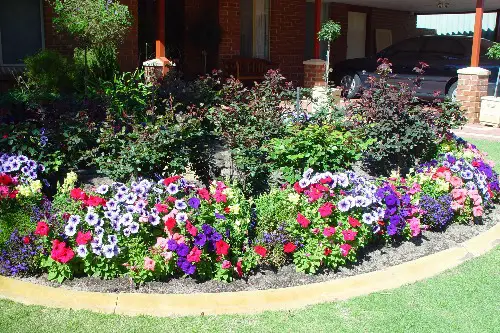
A circular patch of grass or flowers in the center of a driveway was once the ultimate suburban statement. Popular in the 1960s and ’70s, it symbolized status and symmetry. Today, it’s mostly seen as an inefficient use of space. Driveways now favor streamlined layouts that make parking and snow removal easier.
If you spot one, you can almost guess the home’s era. Removing or reshaping that island instantly modernizes the curb view. Replacing it with a low-maintenance feature—like permeable pavers or a sculptural tree—keeps the design intentional. It’s a small fix that signals a home has been thoughtfully updated.
8. Chain-Link Fencing
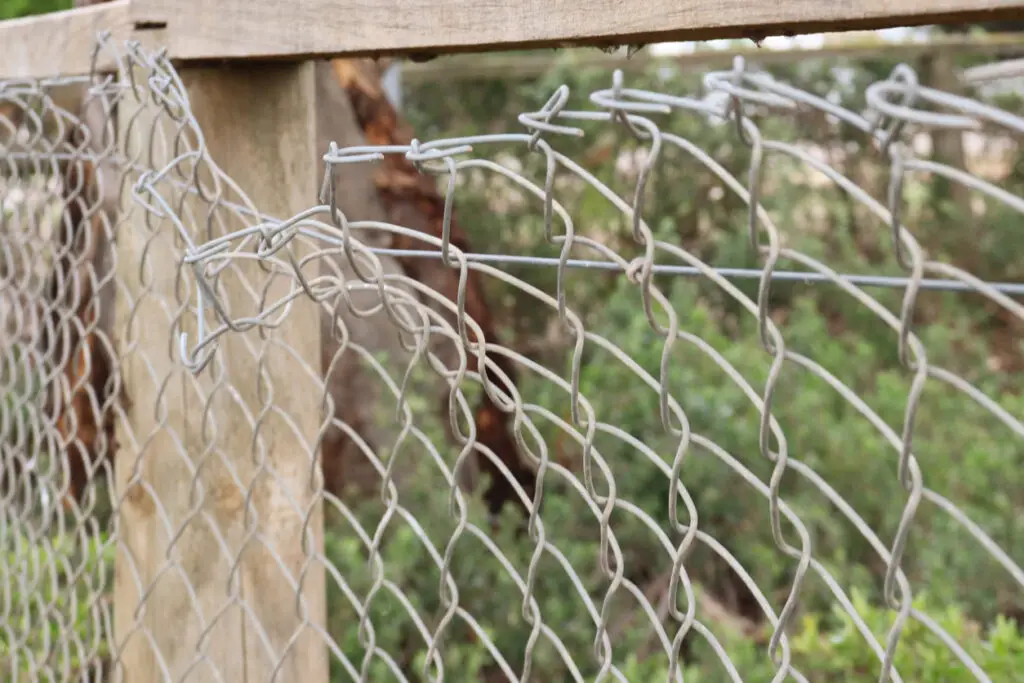
Nothing dates a property faster than shiny (or rusting) chain-link fencing. It was cheap, easy to install, and hugely popular in the 1950s through the ’80s. Nowadays, it reads more “industrial lot” than “family home.” Modern homeowners tend to opt for wood, vinyl, or composite privacy fences instead.
Beyond aesthetics, chain-link fencing also fails to provide privacy or warmth. A quick replacement can transform the whole perimeter’s feel. Even swapping it for black-coated metal with hedges softens the look dramatically. The fence alone can reveal a property’s last major update decade.
9. Decorative Wagon Wheels or Barrels
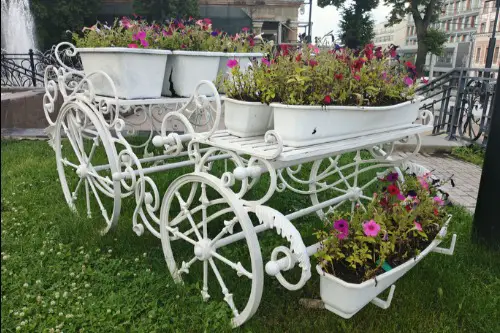
Old wagon wheels, whiskey barrels, or rustic décor pieces once screamed “country charm.” But today, they mostly hint at landscaping that hasn’t changed since the 1980s. These features fade, crack, and rot over time, especially when exposed to the elements. Their presence often signals a yard frozen in time.
Replacing them with clean-lined planters or natural stone gives a fresher aesthetic. Modern landscape design favors minimalism and texture over themed ornamentation. Even a simple ceramic pot can feel more current. Those little swaps can make a property appear well-kept instead of nostalgic.
10. Faded Lawn Ornaments
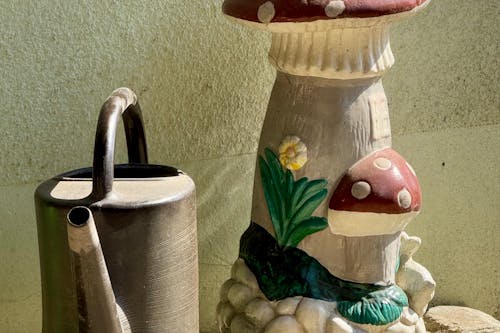
Concrete geese, miniature windmills, or painted animal statues were once beloved yard accessories. Over time, sun and rain fade their colors, giving a tired, dated look. These trinkets often linger for decades, hinting that no major landscaping refresh has occurred. They might hold sentimental value, but they visually anchor a home in the past.
Modern outdoor styling leans toward subtle accent pieces instead. Think minimalist birdbaths, sculptural lighting, or understated garden art. Refreshing décor choices helps bridge the gap between vintage charm and contemporary style. The goal is timeless, not time-stamped.
11. Overgrown Foundation Shrubs

If you see shrubs practically swallowing a house, it’s a dead giveaway that they’ve been there for decades. Foundation plantings from the 1970s and ’80s—like yews or junipers—were popular but tend to grow far larger than intended. When they obscure windows or touch siding, it signals years of unchecked growth. Regular pruning or replacement is usually the only way to bring things back to scale.
That overgrowth doesn’t just affect curb appeal—it can actually damage the home. Branches pressed against siding trap moisture, leading to rot or mildew. Plus, mature roots can invade foundations and drainage systems. A tidy trim or swap for modern dwarf varieties can instantly shave years off a home’s look.
12. Outdated Lighting Fixtures
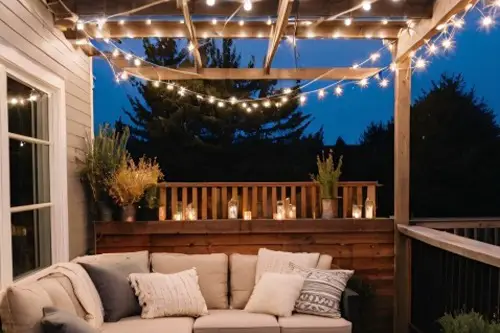
If you see old brass or plastic lantern-style lights along a walkway, you’re likely looking at 1990s-era design. Many of these fixtures have oxidized lenses or mismatched bulbs. Modern LED lighting is sleeker, more efficient, and built to withstand weather far better. The lighting style alone can date an otherwise well-maintained landscape.
Upgrading to low-voltage LED path lights or hidden uplighting adds instant sophistication. It also enhances safety and nighttime curb appeal. Smart lighting systems allow remote control and energy savings, making them a worthwhile upgrade. It’s amazing how new lighting can make the whole property glow younger.
13. Worn-Out Lawn Shapes
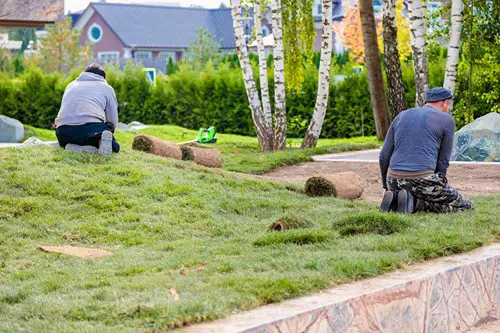
Perfectly rectangular lawns edged in straight lines are hallmarks of older developments. These designs focused on uniformity, not natural flow. Modern landscaping embraces curves and native plant groupings for a softer, more organic look. That difference in shape and layout can hint at a home’s true era.
Regrading a lawn or redefining its edges can give the property a contemporary update. Adding mixed textures—like ornamental grasses or groundcover—breaks the monotony. Even modest changes in shape can refresh the entire yard’s feel. The goal is to blend the home with the landscape, not separate them.
14. Weathered Mailbox Posts
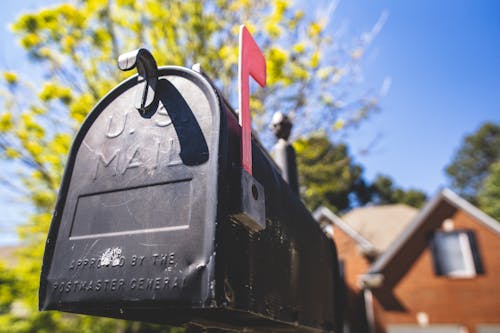
A leaning wooden mailbox surrounded by patchy grass can betray decades of wear. Once, a simple post and metal box were standard; now, homeowners treat mailboxes as mini design statements. Stone bases, matching materials, or built-in planters are common modern touches. A dated mailbox setup instantly hints that other outdoor elements may be original, too.
Replacing or repainting a mailbox post is one of the easiest upgrades out there. It creates a tidy, intentional look right at the curb. Small details like this contribute to overall perception of age and upkeep. When even the mailbox feels current, the whole property follows suit.
This post 14 Landscaping Details That Reveal a Home’s True Age Instantly was first published on Greenhouse Black.
