
1. Watering During the Hottest Part of the Day
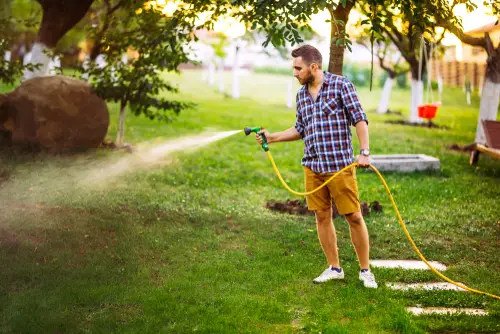
Watering your lawn at noon might feel productive, but most of that water evaporates before it ever reaches the roots. When the sun is high, droplets sitting on leaves can heat up quickly, leaving plants stressed and thirsty. That means you’ll have to water more often just to keep things alive. Early morning or late evening is when plants get the most out of each drop.
This small timing change can make a noticeable difference in your water bill. You’re not paying to mist the air—you’re paying to hydrate the soil. When you waste less to evaporation, your lawn thrives on less water. That’s a win for both your garden and your wallet.
2. Overwatering Lawns Out of Habit
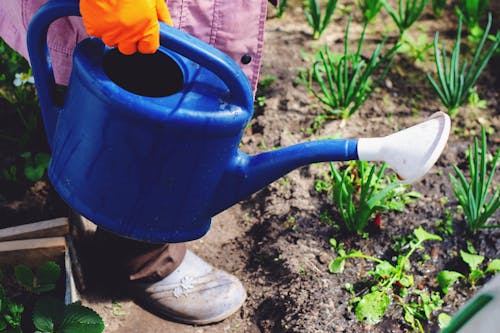
A lot of homeowners set sprinklers to run daily, thinking more water equals greener grass. But turfgrass typically only needs about 1–1.5 inches of water per week, depending on the climate. Overwatering doesn’t just waste water—it can cause shallow roots, disease, and weed growth. The result is spending more while getting less healthy grass.
It’s easy to fall into the habit of “just in case” watering, especially during dry spells. The problem is that lawns are tougher than we think and often bounce back from minor drought. Deep, infrequent watering encourages roots to grow downwards, making grass more resilient. Once you adjust, you’ll probably be surprised at how much less water you actually need.
3. Ignoring Leaky Hoses and Sprinklers
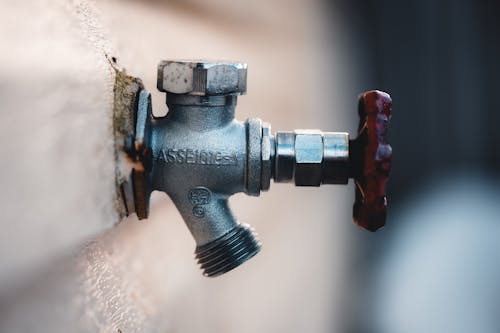
A tiny leak in a garden hose or sprinkler head doesn’t seem like much. But over time, those slow drips can add up to gallons lost every single day. Because it’s happening gradually, you don’t always notice until the water bill spikes. Think of it like leaving a faucet slightly open all month long.
Checking your equipment regularly is a small habit that pays off big. Cracked hoses, worn washers, or clogged sprinkler nozzles are cheap to replace compared to an inflated bill. Plus, fixing leaks ensures water gets where you actually want it—your plants. A few minutes of maintenance can stop a lot of wasted money.
4. Using Sprinklers Instead of Drip Irrigation

Sprinklers spray water into the air, and a surprising amount never reaches the soil. Wind blows it away, and evaporation eats up more before it sinks in. Drip irrigation, on the other hand, delivers water straight to the roots slowly and steadily. This makes it far more efficient for garden beds, shrubs, and even small lawns.
Switching to drip can cut outdoor water use by up to half in some cases. It also keeps foliage dry, which reduces the risk of mold and mildew. Once installed, drip systems often require less tinkering and attention. It’s a classic case of working smarter, not harder—or pricier.
5. Planting Water-Hungry Grass Varieties Everywhere
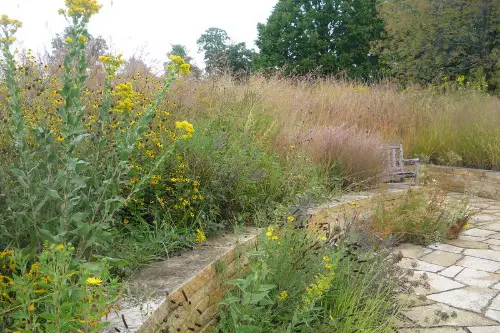
Not all lawns are created equal. Cool-season grasses like Kentucky bluegrass look beautiful, but they demand a lot of water, especially in warmer regions. Planting them in dry climates sets you up for constant irrigation. That’s basically like running an air conditioner with the windows open.
Opting for native or drought-tolerant grasses makes a big difference. Varieties like Bermuda or buffalo grass can thrive with less supplemental water. Even mixing in more resilient species can lower overall demand. Choosing the right grass is like choosing the right pet—it needs to match your environment.
6. Letting Weeds Take Over
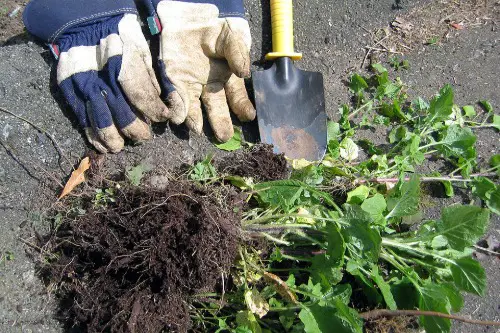
Weeds aren’t just unsightly; they’re greedy. They compete with your grass and plants for water, pulling moisture away where it’s needed most. That means your lawn may look dry, leading you to water more. Essentially, you’re paying to hydrate freeloaders.
Keeping weeds under control keeps water use in check. Mulching garden beds is a simple way to block weed growth while holding in soil moisture. Hand-pulling or spot-treating keeps them from spreading and driving up your watering needs. Less competition means your real plants get more of the good stuff.
7. Forgetting About Soil Health
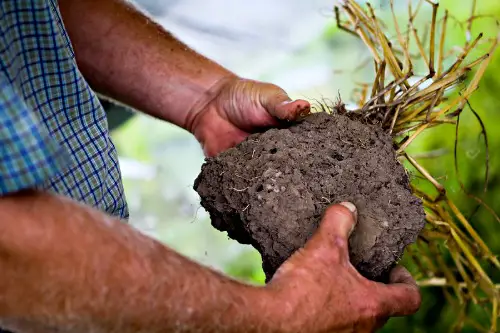
Hard, compacted soil makes water run right off instead of soaking in. If you see puddles forming when you water, that’s a red flag. Poor soil structure means plants don’t get the moisture they need, and you end up watering more often. It’s like trying to fill a sponge that’s been glued shut.
Aerating your lawn and mixing in compost helps water sink down where roots can use it. Healthy soil also holds onto moisture longer, cutting down on how often you need to irrigate. This is one of those hidden fixes that pays off in the long run. Better soil equals less waste and greener plants.
8. Relying Only on Automatic Timers
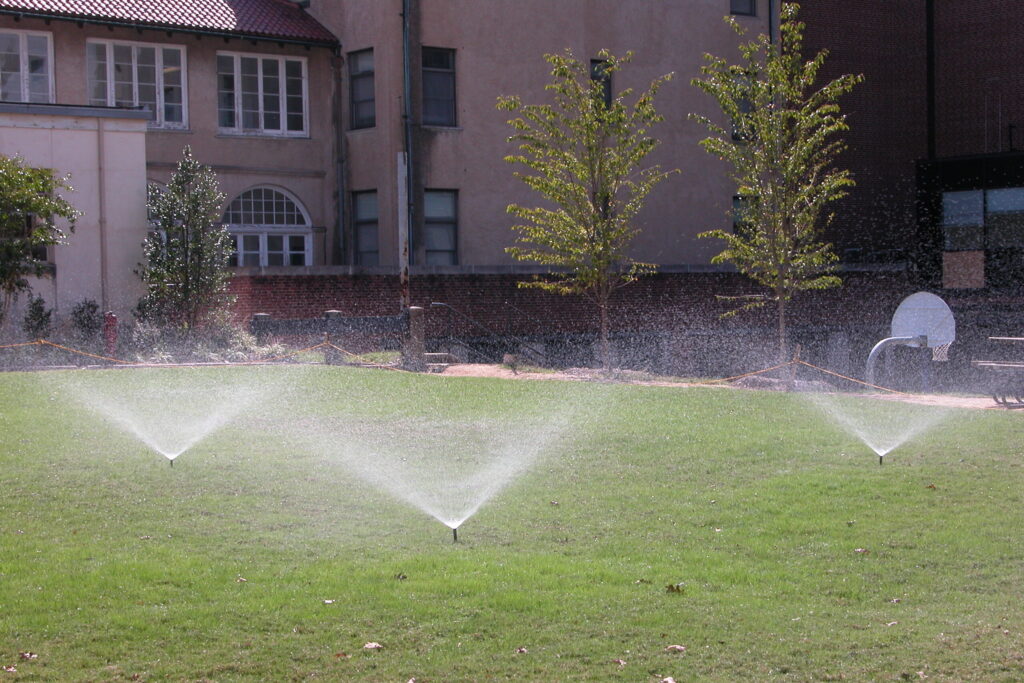
Automatic sprinkler timers are convenient, but they can easily work against you. If it rains, the system still runs unless you’ve installed a smart controller or manually adjust it. That means your lawn gets watered twice, and your bill reflects it. It’s one of the most common “invisible” water wasters in landscaping.
Upgrading to a weather-based smart timer or simply keeping an eye on the forecast can help. These systems adjust schedules based on rainfall, temperature, and humidity. The result is water only when your lawn truly needs it. That simple upgrade often pays for itself in savings.
9. Skipping Mulch in Garden Beds
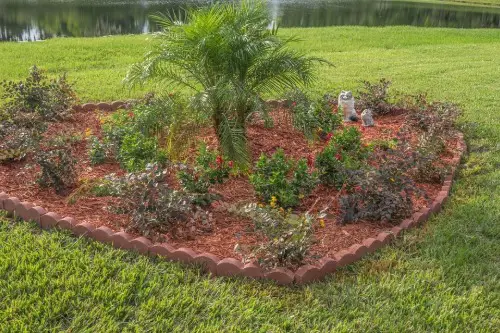
Bare soil loses moisture quickly, especially under hot sun. Without a protective layer, water evaporates before roots can use it. That leaves plants thirsty, and homeowners often respond by watering more. Mulch is nature’s simple water-saver.
Adding mulch around trees, shrubs, and flowers locks in moisture and keeps soil temperatures stable. Organic mulches like bark or compost also improve soil over time. You’ll notice that plants stay healthier between watering sessions. It’s a small upfront effort that pays you back month after month.
10. Planting Thirsty Ornamentals in Dry Climates
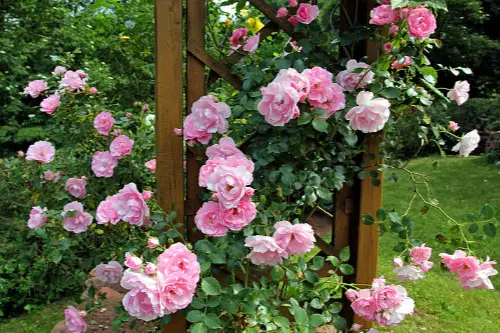
Some ornamental plants look amazing but act like divas when it comes to water. Hydrangeas, roses, and tropical plants demand frequent hydration, especially if they’re not suited to your climate. In arid regions, this turns into a constant cycle of watering just to keep them alive. It’s like putting a snowman in the desert and wondering why it melts.
Choosing native or climate-adapted plants makes a huge difference. These plants evolved to handle local rainfall patterns and heat. Once established, many need little more than nature provides. They’re beautiful without being a drain on your wallet.
11. Ignoring Sloped Yards Without Adjustments
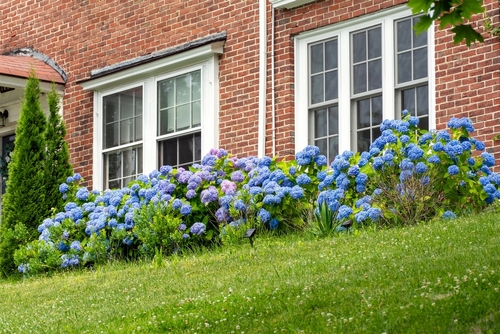
If you water a sloped yard the same way you water flat ground, much of it just runs off. Gravity pulls water downhill before it has time to soak in. This not only wastes water but can cause erosion and nutrient loss. The end result: higher bills and weaker soil.
Breaking watering sessions into shorter cycles lets the soil absorb more before runoff starts. Terracing or using groundcover plants can also help slow water down. Even small adjustments like moving sprinklers to face uphill make a difference. With slopes, strategy matters more than sheer volume.
12. Using Too Much Fertilizer

Fertilizer pushes plants to grow faster and greener, but it also increases their thirst. The more lush and thick the growth, the more water is needed to sustain it. Many homeowners overapply, thinking it will make plants healthier. In reality, it just makes your water bill spike.
Moderation is key. Using slow-release or organic fertilizers helps reduce sudden water demands. Pairing feeding with soil improvements ensures plants can thrive without excessive watering. A balanced approach keeps both your plants and your budget in good shape.
This post 12 Landscaping Habits That Drive Up Water Bills Quietly was first published on Greenhouse Black.
