
1. Overly Complicated Landscaping
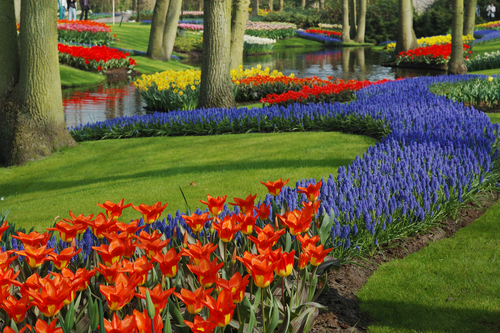
A yard that looks like a botanical garden might impress you, but potential buyers often see maintenance headaches. The more intricate the landscaping, the more time and money it takes to keep up appearances. Buyers tend to prefer lawns that feel manageable, not like a part-time job. Simplicity reads as flexibility, and that’s what most people want when imagining themselves in a new space.
When a potential buyer sees an overly complex setup, they might immediately calculate what it would cost to simplify it. If they aren’t avid gardeners, they’ll think about the hours of upkeep required. This can make your home feel less appealing even if the inside checks all their boxes. Ultimately, too much landscaping can translate into “too much work.”
2. Artificial Turf
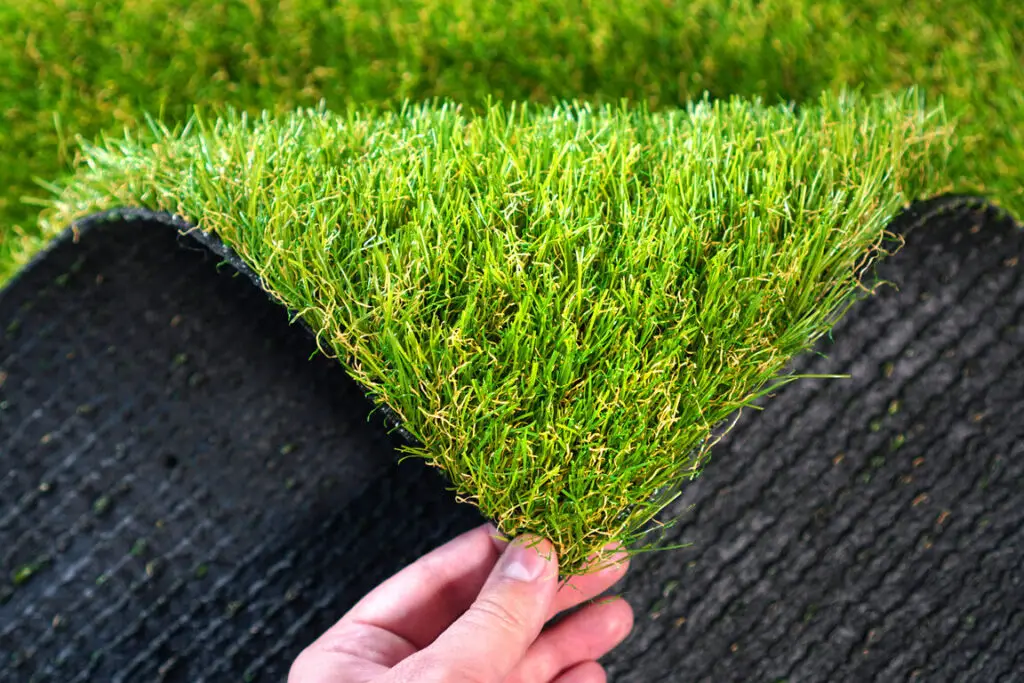
Synthetic grass seems like a great low-maintenance solution, but it can backfire. Many buyers worry about heat retention, drainage problems, and environmental concerns. Turf also lacks the natural look and feel that appeals to most people, especially families with kids or pets. Instead of selling convenience, it sometimes sells the idea of a shortcut.
Buyers who value eco-friendliness may see turf as a red flag. They know it doesn’t absorb water like real grass, which can increase runoff problems. Some even worry about chemicals in the materials breaking down over time. While you may love the idea of no mowing, they may just see future costs to replace it.
3. Neglected Edging
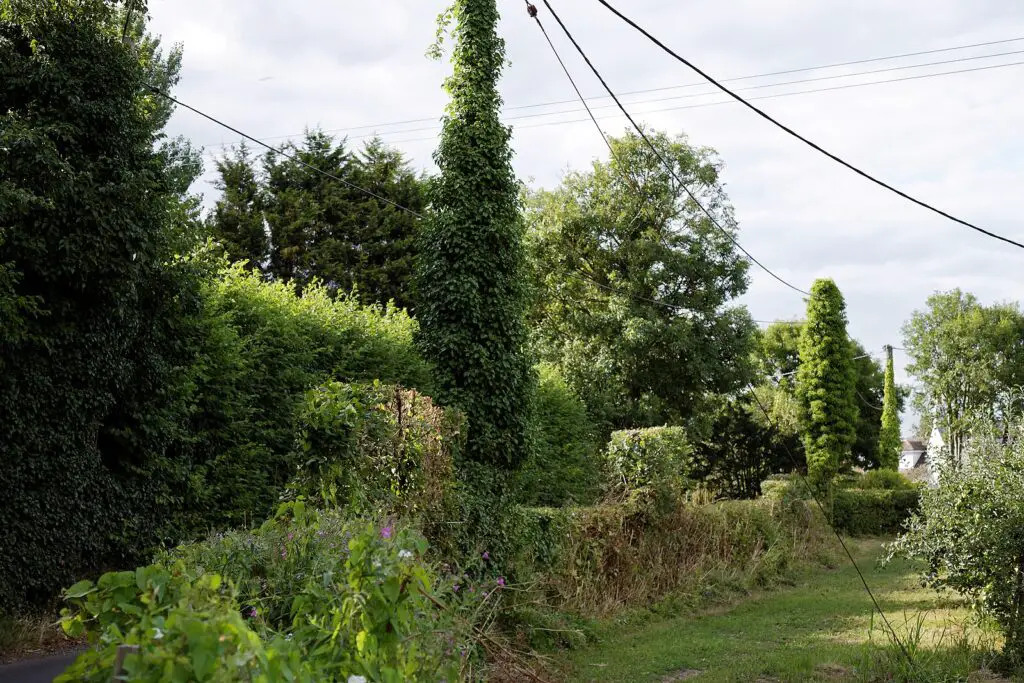
Edging is one of those small details that makes a lawn look polished. When the borders between grass, flower beds, and walkways are fuzzy, the whole yard feels unfinished. Potential buyers notice these things even if they don’t consciously name them. It signals a lack of maintenance, which can spill over into how they view the rest of the property.
A clean edge gives a lawn structure and professionalism, almost like a sharp haircut. Without it, buyers may think you cut corners on other upkeep. Even if the grass is lush, poor edging can make everything look messy. That impression can chip away at your home’s perceived value.
4. Too Many Decorative Rocks

Stone accents can look modern and stylish, but going overboard has consequences. Large rock beds can be expensive and labor-intensive to remove. They also absorb heat, which can make the yard uncomfortable in warm climates. A buyer may see a sea of rocks and think, “That’s going to be a pain to fix.”
Rocks also discourage buyers who dream of a greener yard. Someone who wants to plant grass or flowers will face extra work breaking through the stone. Even though they look low-maintenance, weeds can still grow between them, and pulling those can be harder than mowing. Too many rocks can feel like a permanent decision, and not everyone wants to live with it.
5. Patchy Grass
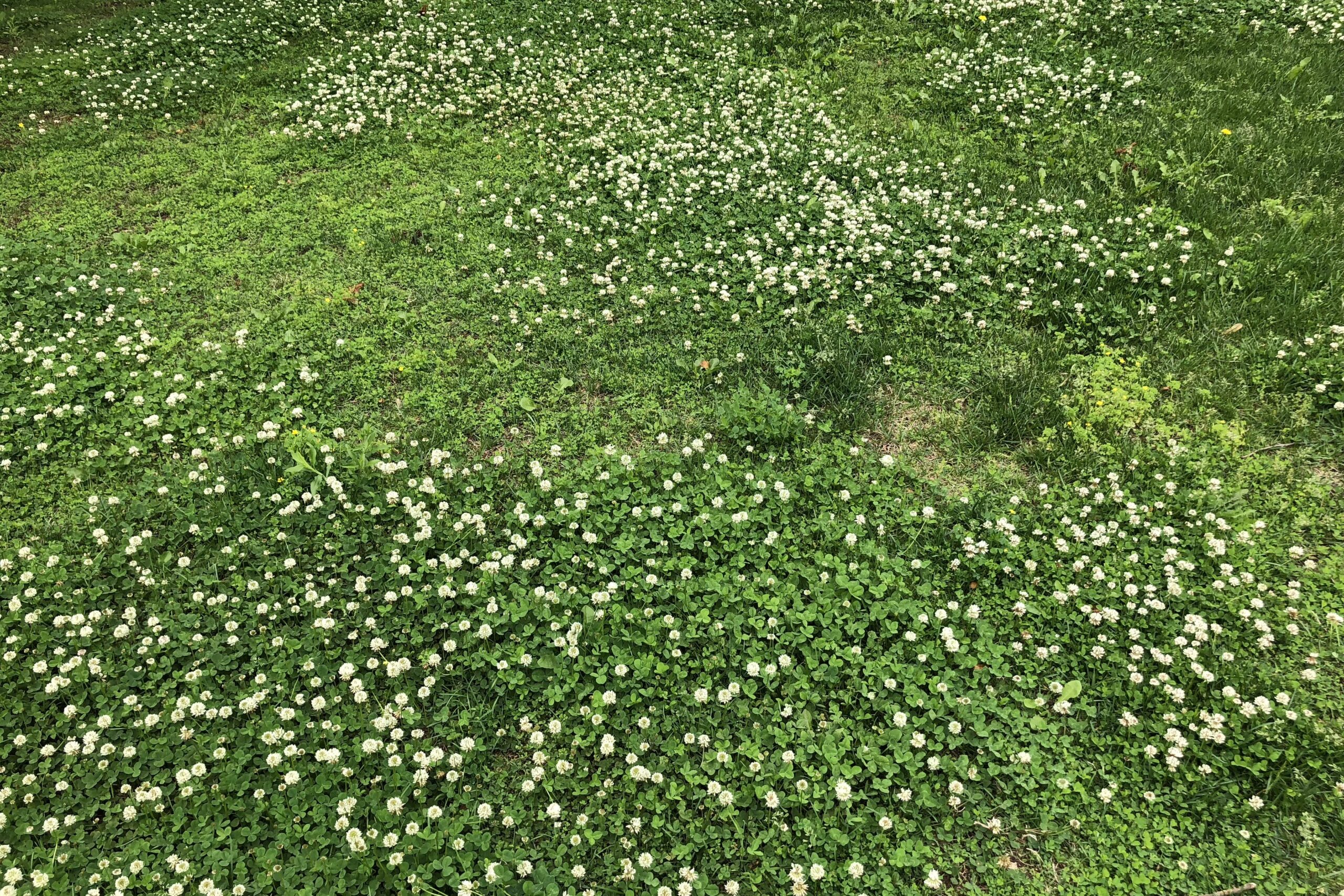
A patchy, uneven lawn sends the wrong message before someone even steps inside. Buyers often see it as a sign of poor soil, neglect, or pest issues. It doesn’t matter how great the house is—an ugly lawn is like a bad first impression. The front yard sets the tone, and patchy grass sets it in the wrong direction.
Fixing bare spots takes time, and most buyers don’t want to wait through a growing season. They might mentally subtract the cost of sod or professional lawn care from what they’re willing to pay. A house with a healthy, uniform lawn feels “move-in ready.” A patchy one feels like a project.
6. Overgrown Trees and Shrubs
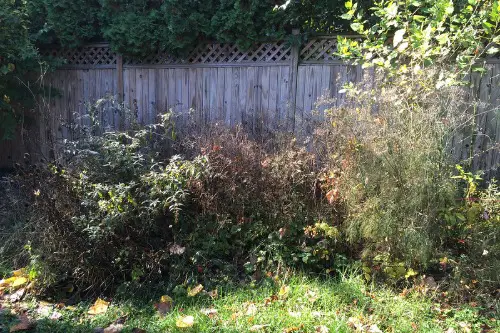
Big, healthy trees can add value, but when they’re overgrown, they quickly become liabilities. Branches that block windows or crowd the roof make the property feel dark and unkempt. Buyers also think about the cost of tree trimming or removal. It’s not just aesthetics—it can also raise safety concerns.
Shrubs that are too dense or tall can create hiding spots, which some buyers see as a security risk. Overgrown vegetation also makes outdoor spaces feel smaller and less inviting. Instead of highlighting the house, it can overshadow it. That makes buyers think more about “what needs fixing” than “what’s possible here.”
7. Neglecting Weed Control

Weeds are more than just an eyesore—they’re a red flag for buyers. Dandelions, crabgrass, and other intruders make a lawn look like it hasn’t been cared for. Even if the rest of the yard looks fine, a weed invasion lowers curb appeal immediately. First impressions matter, and weeds scream “work ahead.”
Weeds also raise questions about what’s happening under the surface. Buyers might worry about soil quality or pest problems. Some might assume the rest of the property has been maintained with the same lack of effort. A well-kept lawn signals pride of ownership, while weeds suggest neglect.
8. Excessive Mulch
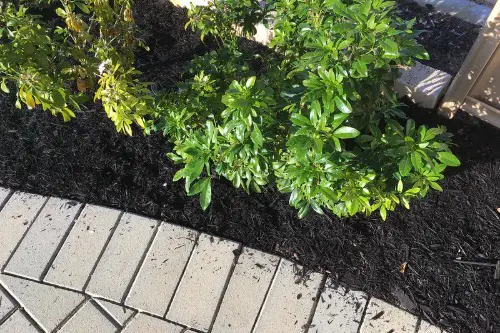
Mulch is great in moderation, but too much creates problems. Thick layers can suffocate plants, encourage mold, and make the yard look unnatural. Buyers notice when the beds look more like piles of debris than polished accents. Instead of enhancing your landscaping, it can make the area look messy.
There’s also the issue of smell and pests. Too much mulch retains moisture, attracting insects and sometimes even rodents. Buyers who don’t garden won’t want to deal with correcting an overdone mulching job. What was meant to be helpful can easily feel like an eyesore or a chore.
9. Odd Lawn Art Choices

A few tasteful decorations can add charm, but too many can feel tacky. Bright gnomes, fake animals, or flashy ornaments don’t always translate well across buyers’ tastes. While you might find it quirky and fun, buyers often see clutter. It can be hard for them to imagine the yard as their own space.
Lawn art also dates quickly, and some items can feel out of step with current style. Buyers may calculate the hassle of removing or replacing them. Even something as small as a mismatched birdbath can distract from the home itself. Less really is more when it comes to outdoor decor.
10. Ignoring Drainage Issues
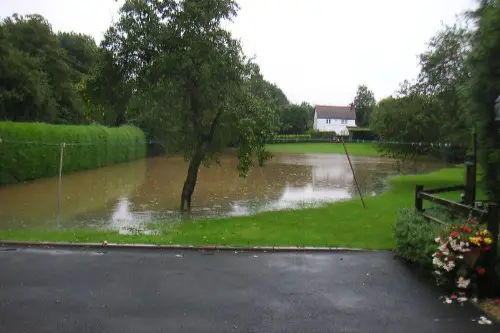
A soggy yard or standing water is a huge turnoff. Buyers immediately think about flooding, mosquitoes, and long-term property damage. Lawns that don’t drain well also kill grass and plants, making the yard look barren. It’s not just unattractive—it’s a sign of a bigger problem.
Poor drainage is expensive to fix, so buyers often lower their offers. They know that regrading, adding drains, or installing pumps isn’t cheap. Even if they love the house, the yard can feel like a dealbreaker. Drainage issues don’t just hurt curb appeal; they scare off investment.
11. Using Harsh Chemicals

Lawn care products can help in moderation, but too many chemicals backfire. Buyers today are more environmentally conscious, and chemical-heavy lawns can raise concerns. They may worry about kids or pets playing outside. They might also fear long-term soil or water contamination.
Another downside is appearance. Overuse of fertilizer or herbicides often burns grass, leaving ugly yellow patches. Buyers see that and think about the costs of restoring balance to the yard. Natural care practices, on the other hand, usually send a more reassuring message.
12. Ignoring Seasonal Cleanup
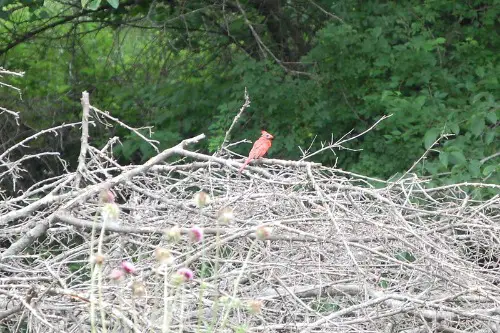
Leaves left to pile up in fall or branches scattered after a storm can instantly age a property. Buyers see clutter and assume year-round neglect. Even if the house itself is spotless, the lawn tells its own story. Seasonal cleanup is one of those chores that makes a home feel cared for.
When buyers see a messy yard, they picture the effort needed to catch up. It makes them wonder what other maintenance tasks might have been skipped. A clean, well-tended lawn suggests consistency and pride of ownership. Skipping this step makes everything feel less appealing.
13. Overwatering the Lawn

Green is good, but soggy is bad. Overwatered lawns develop fungus, pests, and even moldy smells that buyers notice. It can also create uneven patches where grass struggles to grow. Instead of lush, the lawn starts to look stressed and fragile.
Buyers also think about water bills and wasted resources. An irrigation system that’s clearly overused suggests carelessness. With more people mindful of water conservation, this can be a dealbreaker. Balance is key, and overwatering tips the scale in the wrong direction.
14. Failing to Aerate
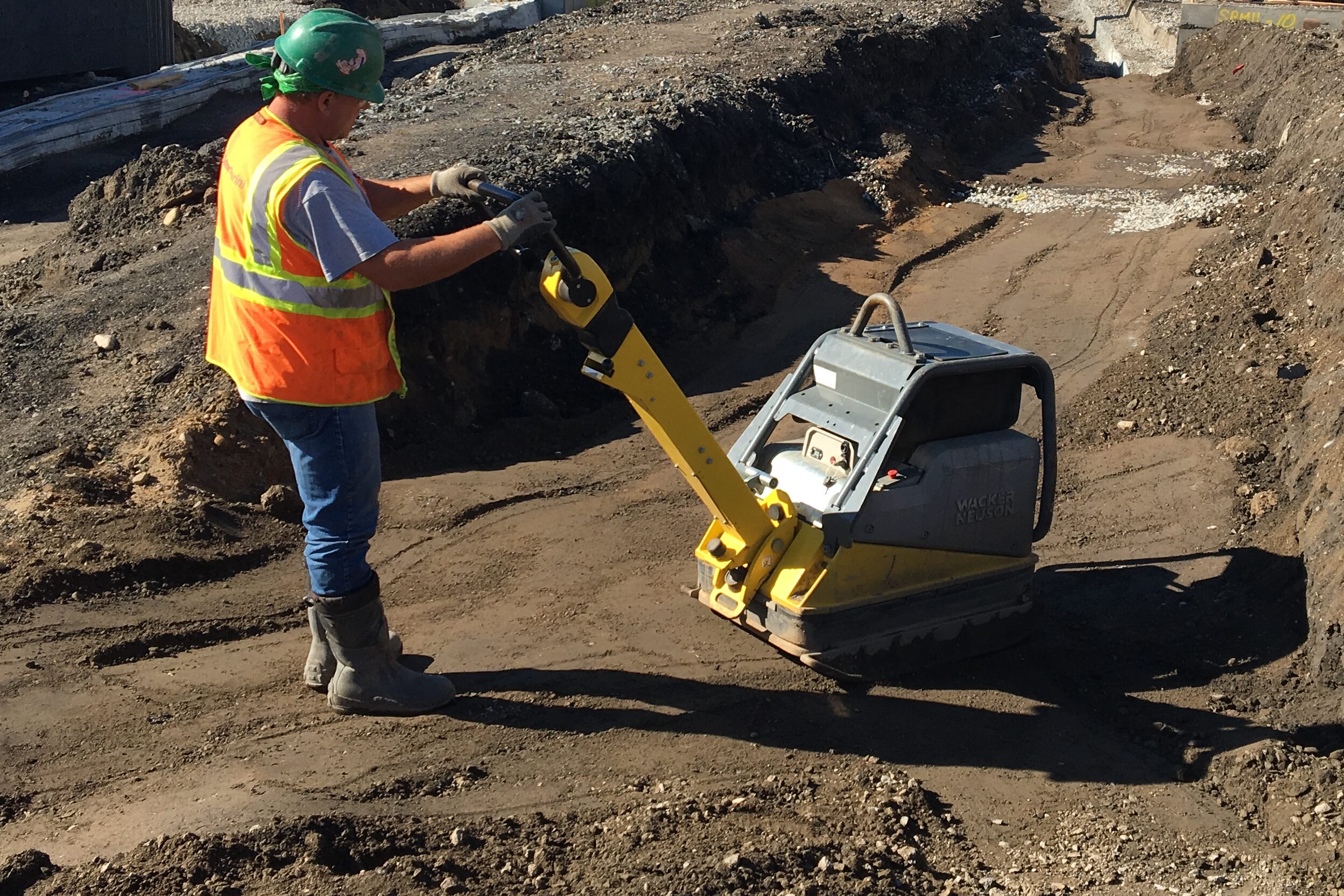
Compacted soil makes it hard for grass to thrive, and buyers can spot the difference. A lawn that looks thin or unhealthy may just need aeration, but they won’t necessarily know that. They’ll simply see a struggling yard. To them, it feels like another problem to fix after moving in.
Aeration helps with drainage, nutrient absorption, and root strength. Skipping it leads to lackluster grass that doesn’t bounce back from wear. Buyers may not name the issue, but they’ll register the results. A yard that looks neglected in this way makes the whole property feel less vibrant.
15. Over-Fertilizing
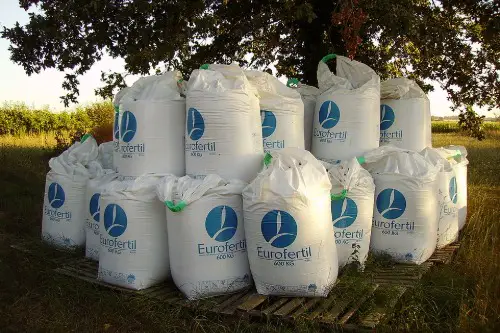
It’s tempting to think more fertilizer means better grass, but the opposite often happens. Over-fertilized lawns develop chemical burns, odd coloring, and weak roots. Buyers see uneven growth and think something’s seriously wrong with the soil. It doesn’t say “healthy yard”—it says “problem spot.”
Excess fertilizer can also run off into driveways or sidewalks, leaving ugly stains. Environmentally conscious buyers may worry about water pollution, too. Instead of boosting value, it creates extra baggage in their minds. A light, balanced touch always works better for long-term appeal.
This post 15 Lawn Care Choices That Quietly Hurt Resale Value was first published on Greenhouse Black.
