
1. Homes Are Designed for the Nuclear Family by Default

Many homes are still designed around the idea of a married couple with children living together full-time. That made sense when this household type dominated mid-20th-century housing demand. Today, more people live alone, cohabit without marriage, raise kids across multiple households, or share housing with friends. Layouts with limited flexibility can make these common arrangements feel cramped or impractical.
This assumption shows up in the standard count of bedrooms and bathrooms, which often presumes two adults sharing one room. It also influences zoning and financing rules that favor single-family occupancy over shared or multi-generational living. As demographics have shifted, these designs can force people to retrofit spaces in ways they weren’t built for. The result is housing that technically fits people but doesn’t actually support how they live.
2. The Formal Dining Room Is Still Treated as Essential
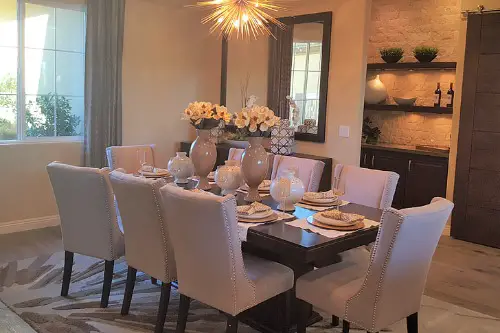
The formal dining room assumes households regularly host sit-down meals in a dedicated space. In practice, many people eat at kitchen islands, desks, or on the couch. Longer work hours and smaller households have reduced the frequency of formal home dining. That leaves entire rooms underused for most of the year.
Builders kept including dining rooms because they once signaled status and completeness in a home. However, that square footage could now serve more practical needs like storage, work, or flexible sleeping space. In smaller or more expensive markets, wasted space directly increases housing costs. The assumption persists even though everyday behavior has clearly changed.
3. Every Adult Is Expected to Own a Car

Modern housing often assumes every adult owns a car and uses it daily. This is reflected in required parking minimums, large garages, and street layouts that prioritize vehicles. In many cities, younger residents are driving less or choosing not to own cars at all. Remote work, public transit, and rising vehicle costs have all contributed to this shift.
Car-centric design increases construction costs and reduces space for housing or green areas. It can also make neighborhoods less walkable and less accessible for people who don’t drive. These tradeoffs were once justified by near-universal car ownership. They are harder to defend in places where mobility patterns are clearly diversifying.
4. Open-Plan Living Works for Everyone
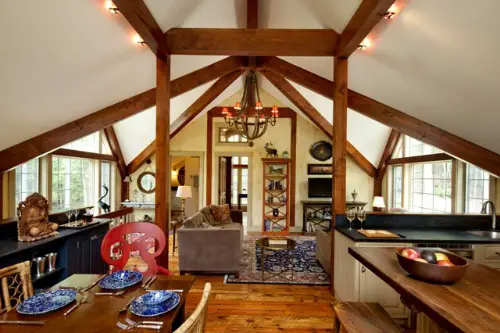
Open-plan layouts assume that people want constant visual and acoustic connection at home. They became popular when homes were seen primarily as places to gather after work. Now, many households need quiet separation for calls, studying, or different schedules. Noise and lack of privacy can quickly become daily stressors.
The assumption breaks down further in shared or multi-generational households. Open plans offer limited ability to create boundaries without renovations. While flexible in theory, they often reduce functional flexibility in practice. What once felt social can feel exhausting when home is also an office or classroom.
5. Work Happens Somewhere Else

Many homes were designed with the assumption that work happens somewhere else. As a result, dedicated offices were considered optional or luxurious. Remote and hybrid work have made this assumption outdated for a large share of workers. People now need reliable, quiet space for extended periods during the day.
Trying to work from bedrooms or kitchens can strain both productivity and household relationships. It also exposes gaps in electrical, lighting, and sound design. The issue isn’t just convenience but long-term habitability. Homes are now expected to support economic activity, not just rest.
6. Everyone Wants a Large Private Lawn

Suburban housing often assumes residents want and can maintain large private lawns. This idea grew alongside cheap water, inexpensive labor, and car-based sprawl. Today, many homeowners lack the time, money, or desire for intensive yard maintenance. Climate pressures have also made water-heavy landscaping less practical in many regions.
Lawns take up land that could be shared green space or additional housing. They also create ongoing costs that aren’t always obvious at purchase. The assumption prioritizes appearance over actual use. As values shift toward sustainability and density, this model fits fewer people.
7. People Will Stay Put for Decades

Modern housing finance assumes people will stay in one place for decades. Thirty-year mortgages and ownership-focused policies reflect this expectation. In reality, job mobility and economic uncertainty make long-term stability harder to guarantee. Many households move more frequently than these systems were designed for.
This mismatch can penalize renters and short-term owners through higher costs and fewer protections. It also discourages building housing meant for flexibility or transition. The assumption once aligned with stable career paths and predictable life stages. Those conditions are far less universal now.
8. Storage Needs Are Minimal and Predictable

Many homes assume people will own a stable, modest amount of physical stuff. Closets are often small, basements are absent in warmer regions, and utility storage is treated as optional. In reality, people now store work equipment, hobby gear, seasonal items, and delivery packaging at much higher volumes. Digital life didn’t reduce physical possessions as much as designers once expected.
When storage is inadequate, living spaces end up doing double duty in inefficient ways. Garages become cluttered, hallways fill with shelving, and spare rooms lose flexibility. This affects safety, accessibility, and mental load, not just aesthetics. The assumption fails because modern lifestyles are more complex and less standardized.
9. One Person Controls the Thermostat

Housing systems often assume everyone in the home has similar comfort needs. Centralized heating and cooling reflect the idea of a single daily schedule and shared temperature preferences. In reality, people work different hours, sleep at different times, and tolerate heat and cold differently. These differences matter more when people are home for longer stretches.
This design can create daily conflict or unnecessary energy use. It also makes it harder to adapt homes for aging residents or health-related temperature needs. Zoned systems exist, but they’re still treated as upgrades rather than defaults. The original assumption prioritized simplicity over long-term livability.
10. Kitchens Are Used Mainly for Cooking
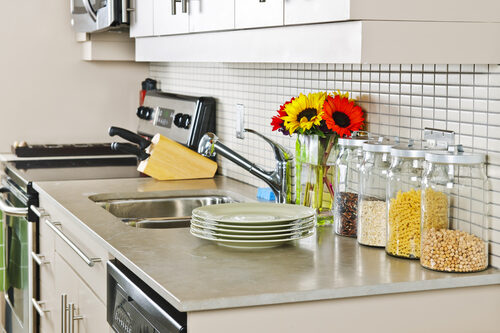
Modern kitchens are often designed around meal preparation alone. This reflects an older assumption that cooking is a discrete task done by one person at a time. Today, kitchens double as workspaces, social hubs, homework zones, and sometimes dining rooms. Their role has expanded far beyond food.
When kitchens aren’t designed for multitasking, congestion becomes a daily problem. Limited outlets, seating, or surface space can disrupt both work and family routines. The mismatch isn’t about luxury but about how central the kitchen has become. Design hasn’t fully caught up with that shift.
11. Accessibility Is a Special Case, Not a Baseline
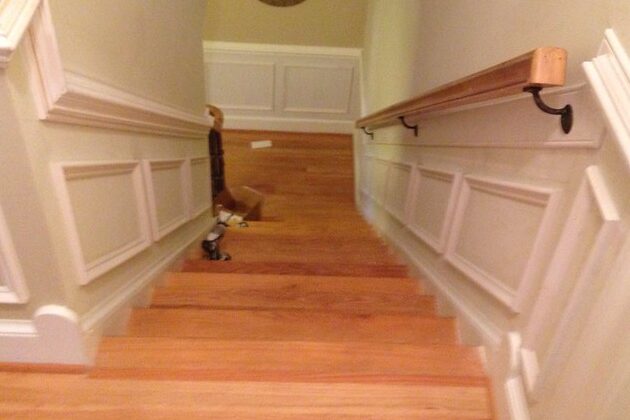
Most homes are still built as if mobility limitations are rare or temporary. Stairs at entrances, narrow doorways, and inaccessible bathrooms remain standard. This ignores the reality of aging populations and people living longer with disabilities. Many residents eventually outgrow the homes they’re in.
Retrofitting for accessibility is often expensive and disruptive. Designing for it from the start would benefit far more people than just those with visible disabilities. The assumption treats accessibility as an exception rather than a normal life stage. That framing no longer matches demographic reality.
This post Lifestyle Assumptions Built Into Modern Housing That No Longer Work was first published on Greenhouse Black.
