
1. Cracked or Stained Walls
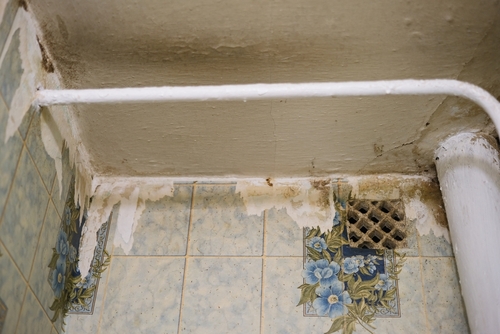
Cracks in the walls, especially near windows or doors, are often a red flag for buyers. They suggest either foundation issues or long-term neglect, which can be expensive to fix. Even minor hairline cracks can make a home feel like it hasn’t been properly cared for. Stains from leaks or water damage are even worse, signaling ongoing problems that might have been ignored.
Walls with visible stains or peeling paint can also make a home feel older than it really is. Buyers tend to worry about hidden damage behind these cosmetic issues. It gives the impression that the homeowner hasn’t kept up with basic maintenance. Ultimately, it can lower offers or scare potential buyers away entirely.
2. Overgrown Landscaping

Lawns that are patchy or overrun with weeds are a major warning sign for buyers. It shows that outdoor maintenance has been neglected, which can hint at other interior issues. Bushes growing into the windows or pathways can make the property feel unkempt and uninviting. Overgrown trees can also cause damage to the roof or foundation if left unchecked.
Landscaping is one of the first things buyers notice. A messy yard sends a subtle message: if the exterior is ignored, what else might be falling apart? Regular maintenance, like mowing, trimming, and seasonal cleanups, goes a long way toward creating a good impression. Neglecting this area can make a home feel like a bigger project than it actually is.
3. Outdated or Dirty Carpets
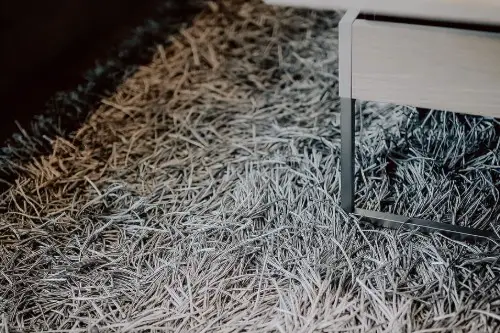
Carpets that are stained, frayed, or heavily worn immediately signal neglect. Buyers may worry about underlying issues like mold, mildew, or pests. Even if the carpet isn’t damaged, outdated colors and patterns can make a space feel like it hasn’t been touched in decades. Replacing or deep-cleaning carpets is a small fix that can make a huge difference.
Dirty carpets can also affect the smell and feel of a home. Musty or stubborn odors make buyers suspicious about what else isn’t being properly maintained. It’s one of those small details that can subconsciously lower the perceived value of your home. First impressions matter, and carpets are often at the forefront of a buyer’s senses.
4. Peeling or Chipped Paint
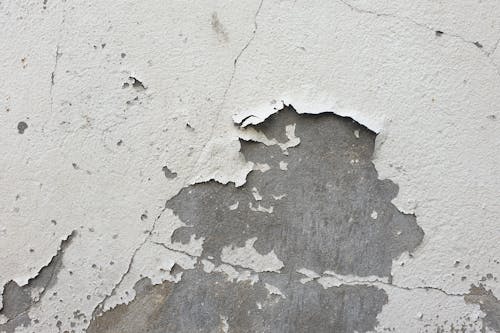
Peeling paint is more than an eyesore—it’s a clue that surfaces haven’t been cared for. It can suggest moisture problems, aging materials, or a lack of regular upkeep. Even small chips can make walls, trim, or doors look tired and neglected. Buyers notice these imperfections immediately, and they often assume bigger hidden issues are nearby.
Paint is a relatively inexpensive fix that dramatically improves a home’s appearance. Skipping this maintenance can signal laziness or long-term neglect. Fresh paint makes a home feel clean, cared for, and move-in ready. Leaving it untouched gives buyers a reason to question the rest of the property.
5. Grimy Windows and Frames

Windows that haven’t been cleaned in years are a subtle, yet powerful, sign of neglect. Dirt and streaks can make rooms feel darker and less inviting. Frames that are rotting, peeling, or warped suggest that water damage has been ignored. Buyers see this as a potential headache, and it can overshadow other positive features of the home.
Windows are also tied to energy efficiency. Neglected frames may be letting in drafts, which buyers interpret as a future expense. Clean, maintained windows suggest that the homeowner pays attention to details. It’s an easy area to improve, yet often overlooked by sellers.
6. Foul or Lingering Odors

Any persistent smell, whether from pets, mold, or smoking, immediately alerts buyers to potential issues. It’s not just unpleasant—it signals a lack of proper cleaning or maintenance. Odors can linger in carpets, walls, and upholstery, often indicating long-term neglect. Even subtle scents can be a huge turnoff in a competitive market.
A fresh-smelling home makes buyers feel welcome and cared for. Lingering odors suggest that problems might be hidden behind closed doors. Addressing odors isn’t just about cleaning; it’s about demonstrating that the home has been properly maintained. Ignoring this can leave a lasting negative impression before a buyer even walks upstairs.
7. Rusty or Leaky Fixtures
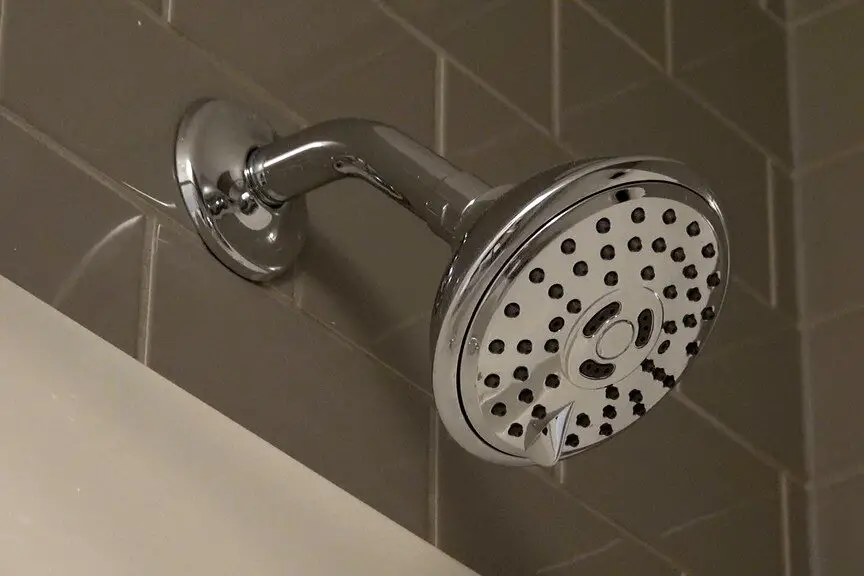
Faucets, showerheads, and pipes that are visibly rusty or leaking tell buyers that plumbing maintenance has been ignored. These small issues can snowball into costly repairs if left untreated. Drips, water stains, or corrosion signal neglect that might extend beyond the bathroom or kitchen. Buyers are wary of homes that appear to have ongoing water problems.
Even minor leaks can suggest deeper issues with water pressure, piping, or hidden mold. Replacing old fixtures is inexpensive compared to what buyers imagine they’ll have to spend. Functional, clean fixtures give a sense that the home is move-in ready. Rust and leaks, however, whisper “maintenance ignored” at first glance.
8. Clogged Gutters or Roof Damage
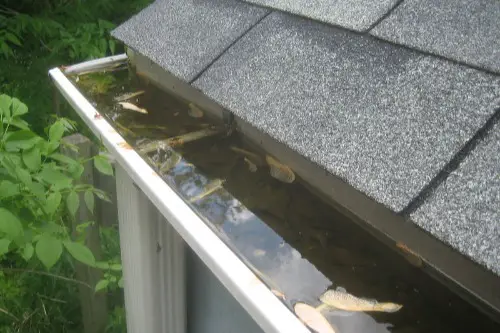
Gutters full of leaves and debris suggest the homeowner hasn’t been attentive for years. Standing water or visible rot can damage the roof, siding, and even the foundation. Shingles that are missing, curling, or moss-covered reinforce the idea that the home has been neglected. Buyers often see these signs as red flags for costly repairs.
Neglected gutters and roofing also hint at broader maintenance issues. If the exterior isn’t cared for, buyers assume the interior may be suffering as well. Addressing these issues beforehand can prevent buyers from lowering offers. A well-maintained roof signals that the home has been protected from the elements.
9. Outdated Electrical or HVAC Systems

Exposed wires, old panels, or inefficient heating and cooling units make buyers nervous. They indicate the home may not have had routine updates or inspections. Buyers often assume outdated systems will require immediate replacement, which adds stress and expense. Even minor visual cues like old thermostats or switch plates can reinforce this perception.
Modern systems improve comfort, safety, and energy efficiency. Homes with neglected electrical or HVAC systems appear riskier to buyers. Upgrading these systems, or at least documenting maintenance, reassures buyers. Ignoring them sends a subtle but strong message: the home has been left behind.
10. Crumbling Driveways or Sidewalks
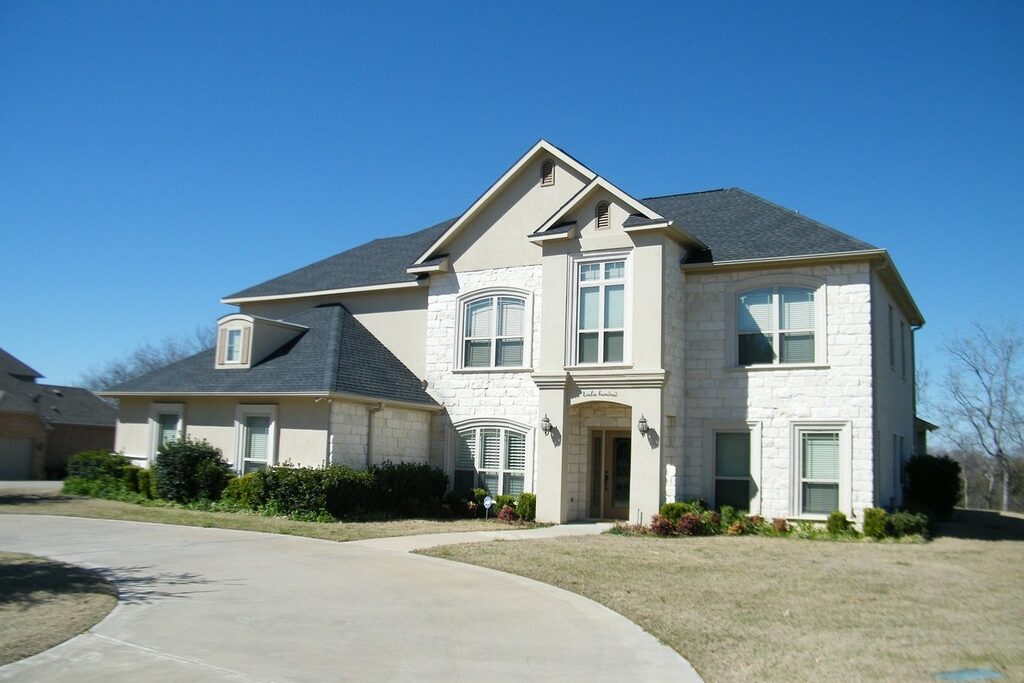
Cracked, uneven, or stained driveways are an obvious visual sign of neglect. These surfaces take a beating from weather, vehicles, and time, so proper maintenance is expected. Buyers may worry about liability or the cost of repairs. Even minor cracks can suggest larger structural issues elsewhere.
Driveways and walkways set the tone before buyers even enter the home. A well-kept exterior suggests attention to detail and pride in ownership. Neglect in these areas can overshadow attractive landscaping or interior upgrades. Repairing and cleaning them can significantly improve curb appeal.
11. Unkempt or Cluttered Interior
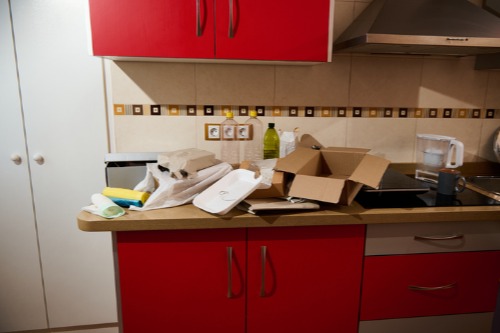
Excess clutter or storage issues suggest the home hasn’t been properly maintained. Buyers may perceive disorganization as a lack of care or hidden problems. Crowded spaces make it harder to evaluate the home’s layout and features. Messy homes often feel smaller and less inviting.
Keeping spaces tidy demonstrates responsibility and respect for the property. It also allows buyers to visualize themselves living there. A neglected interior can make even a structurally sound home seem like a project. Simple decluttering and organization can dramatically improve a buyer’s first impression.
12. Signs of Pest Infestation
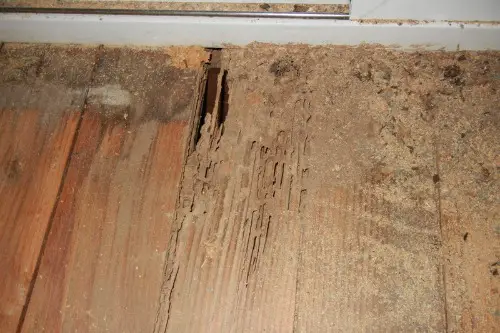
Droppings, chewed wires, or even subtle smells can indicate rodent or insect problems. Buyers are immediately concerned about health, structural damage, and potential costs. Even small infestations suggest long-term neglect that could extend to other areas of the home. Seeing evidence of pests can turn a buyer away faster than almost anything else.
Proactive pest control is a small effort with a big payoff. It reassures buyers that the home has been cared for and inspected. Neglecting this often signals larger maintenance issues or an unwillingness to invest in upkeep. A pest-free home feels safer, cleaner, and more inviting.
This post 12 Little Signs That Tell Buyers You’ve Neglected Your Home for Years was first published on Greenhouse Black.
