
1. Brass Watering Cans

Vintage-style brass watering cans are back because they blur the line between tool and décor. The warm metallic finish works well in minimalist and maximalist homes alike. People are keeping more houseplants now, which adds to their usefulness. Designers noticed early on that plant care objects were becoming display pieces in their own right.
The reason they’re pricey again is that solid brass models last decades if treated well. They’re also often made by small workshops, which increases cost. Their sculptural curves make them look intentional even when left out on a shelf. That functionality-meets-aesthetic balance is exactly what decorators like to highlight.
2. Murano Glass Lamps
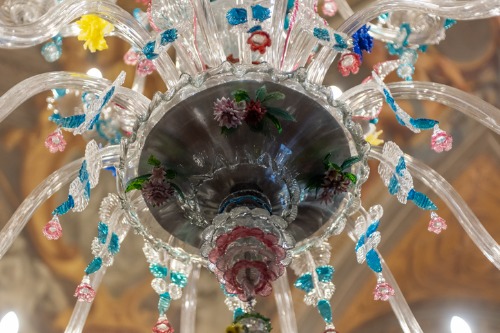
Murano glass lamps from Italy’s Venetian islands are making a comeback because designers love their organic shapes and hand-blown color swirls. These lamps were big in mid-century homes but fell out of favor when mass-produced lighting took over. Now collectors and decorators see them as small pieces of functional art. Their renewed appeal comes from the fact that no two are exactly the same.
Designers also love that these lamps immediately add depth to a room without overwhelming it. The slight imperfections in the glass read as charm rather than flaws. Modern interiors often need something that breaks up clean lines, and Murano lamps do that gently. That’s why they’re resurfacing in high-end boutiques with premium tags.
3. Upholstered Screens
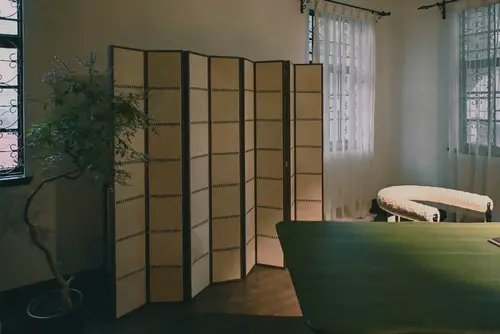
Foldable upholstered screens were common in prewar apartments, and designers are reintroducing them for their versatility. They work as space dividers, art pieces, and acoustic softeners all at once. The fabric options allow designers to echo or contrast the palette of a room. They’re helpful in open layouts where visual separation is needed without major renovations.
These screens are coming back at premium prices because they require real craftsmanship. Upholstering panel-by-panel takes time, which elevates the final cost. Many modern versions also use high-end textiles that can drive up their value. The result is a single object that feels custom even when it’s not.
4. Rattan Bar Carts

Rattan bar carts were huge in the 1960s and 70s but vanished when sleeker metals took over. Designers now want them back for their light, breezy presence. Their woven textures instantly warm up rooms dominated by stone, glass, or concrete. The wheels make them useful pieces that can float between spaces.
The reason premium versions cost more is that quality rattan weaving requires handwork. Many of the new models use thicker cane, which lasts longer but takes more effort to manipulate. Their retro silhouettes appeal to people who want a social, hospitality-driven vibe at home. That blend of nostalgia and practicality has driven the resurgence.
5. Colored Enamel Cookware
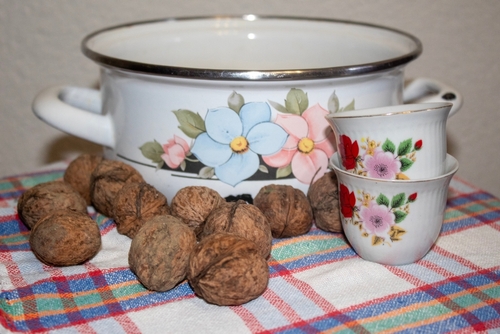
Colorful enamel cookware once lived on every stove in the mid-century era before stainless steel became the default. Designers are bringing it back because it provides visual warmth in kitchens dominated by neutrals. The pieces also double as serving ware, which satisfies the growing desire for multipurpose items. Their bold hues let homeowners treat cookware like décor.
Premium pricing comes from the enamel process itself, which requires multiple firings. Higher-end brands use thicker iron bases for better heat retention. Designers appreciate the longevity and the fact that these pieces age gracefully. That makes them a reliable investment rather than a trend-dependent purchase.
6. Pleated Lampshades
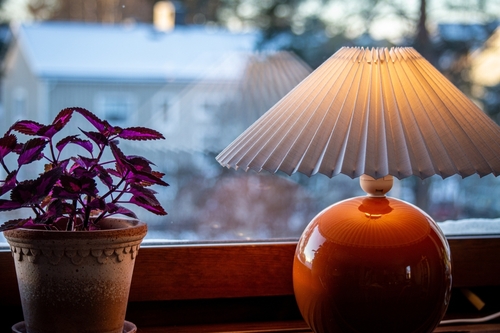
Pleated lampshades disappeared for a while as drum shades and hard lines became popular. Designers now value them for the soft, diffused glow they create. The folds add micro-texture that reads well with both classic and contemporary furniture. They also offer a simple swap-in update for a tired lamp.
Premium versions get expensive because many use hand-pleated fabric rather than machine-pressed forms. The precision required to maintain even folds adds labor. Designers often pair them with patterned fabrics that require careful alignment. That attention to detail justifies their elevated pricing.
7. Carved Wood Pedestals
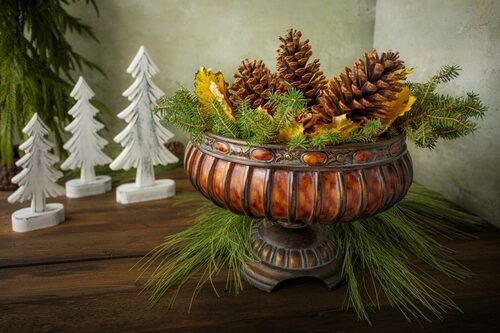
Carved wood pedestals used to display plants or sculptures in Victorian and early-modern homes. Designers are reintroducing them because they give height variation in rooms that feel flat. They’re also perfect for highlighting a single object with intention. Their ornate details add warmth to spaces filled with straight-lined furniture.
Their premium cost stems from the need for skilled carving, even in simpler modern designs. Hardwoods like walnut or oak make them durable but pricier. Designers love using them as “small stages” to elevate personal treasures. That sense of ceremony around everyday items is what makes them desirable again.
8. Lace Table Runners
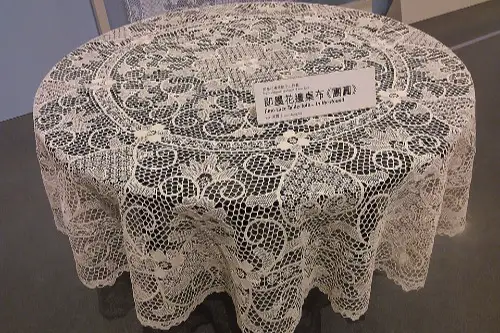
Lace runners once dominated dining rooms before being labeled old-fashioned. Designers are bringing them back because they soften stark modern tabletops. Their intricate patterns create visual movement without adding clutter. They also photograph beautifully, which appeals to design-driven homeowners.
The higher price point often comes from using real cotton or linen lace rather than synthetic blends. Newer versions sometimes incorporate subtle modern motifs that require careful pattern work. Designers appreciate that they can layer lace over bold materials like stone or metal. The contrast makes the piece feel fresh rather than dated.
9. Ceramic Wall Pockets
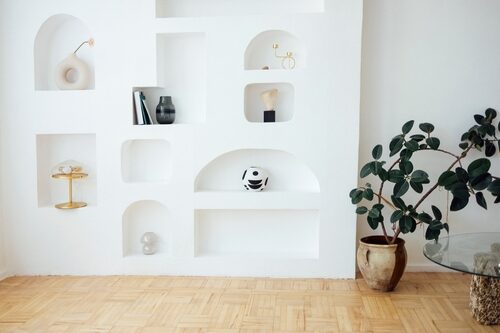
Ceramic wall pockets were popular in the early 20th century for displaying small bouquets or utensils. Designers are reintroducing them because they free up surface space while still offering decorative function. Their shapes range from sleek to whimsical, making them easy to match to different interiors. They also bring an unexpected vertical moment to walls.
Premium models cost more because they’re usually hand-formed and hand-glazed. Small-batch pottery studios produce many of the new versions. Designers love the artisanal quality because it gives personality to otherwise empty wall sections. That handmade charm is part of their appeal.
10. Tapestry Pillows
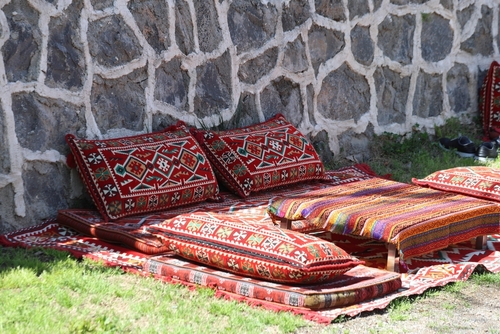
Tapestry pillows fell out of style when simpler fabrics became favored. Designers now appreciate them for their detailed woven imagery and durability. The texture adds richness to sofas that feel too uniform. They’re also a subtle way to introduce classic or historic motifs.
The weaving process itself is what drives up the price for modern versions. Many makers use jacquard looms, which create intricate images but take longer to produce. Designers often hunt for patterns inspired by archival textiles, adding to the appeal. These pillows feel curated rather than generic.
11. Copper Jelly Molds
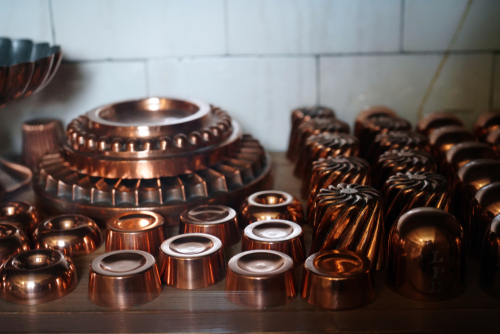
Copper jelly molds were once standard kitchen décor, hung on walls even when not in use. Designers love them again because they add sculptural shine to kitchens that lean too minimalist. Their shapes—often geometric or botanical—bring a bit of whimsy. They’re functional, but most people now display them as art.
Copper is expensive, and forming it into detailed molds isn’t easy, which explains the price. Many new molds are made by artisans instead of factories. Designers appreciate the authenticity because it avoids the flimsy feel of mass-market versions. Their patina over time also adds character.
12. Needlepoint Footstools
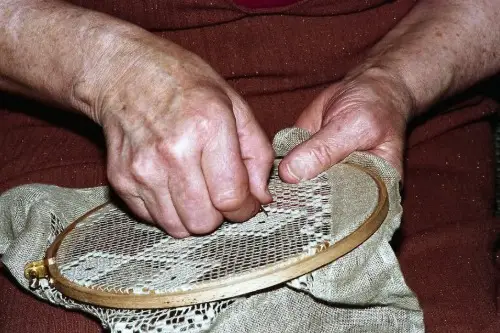
Needlepoint footstools used to be common in traditional homes, especially in the mid-1900s. They’re resurfacing because designers want pieces that feel personal and handmade. The stitched motifs add color and charm without overwhelming a room. Their small scale makes them easy to tuck into tight spaces.
Prices rise because each needlepoint panel takes hours of labor. Even machine-assisted versions require finishing by hand. Designers like that they bring a cozy, inherited quality to modern houses. That “collected over time” feeling is driving their renewed popularity.
13. Glass Flower Frogs
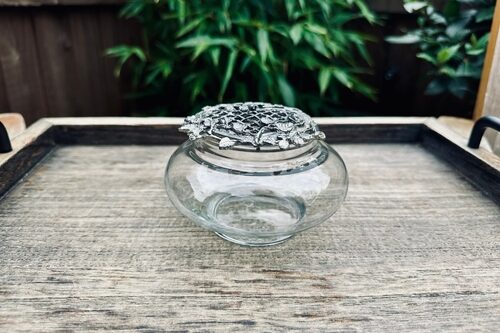
Glass flower frogs from the 1920s and 30s were once everyday floral-arranging tools. Designers now see them as elegant tabletop sculptures, even when not used with flowers. The perforated patterns catch light in interesting ways. They’re a great low-cost way to elevate simple stems.
Premium versions often come in hand-pressed or blown glass rather than molded plastic. Many of the new revival pieces use tinted glass reminiscent of Depression-era colors. Designers like displaying them in clusters for more impact. Their mix of practicality and nostalgia is why they’re back in style.
This post 13 Long-Forgotten Decor Pieces Designers Are Reintroducing at Premium Prices was first published on Greenhouse Black.
