
1. Whole-house fragrance systems
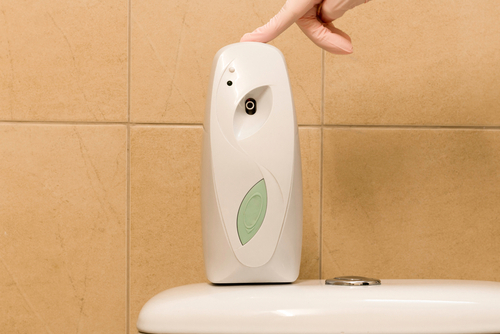
Built-in scent systems are often marketed as a luxury upgrade for homes. In practice, they can make guests feel trapped in a smell they didn’t choose. Fragrance sensitivity, allergies, and migraines are common and well-documented issues. Visitors may not say anything, but they’ll feel relief when they leave.
Homeowners usually install these systems to create a “signature” atmosphere. The problem is that scent preference is highly personal. Unlike lighting or temperature, guests can’t easily opt out. A luxury home should feel welcoming, not chemically curated.
2. White or cream upholstered furniture
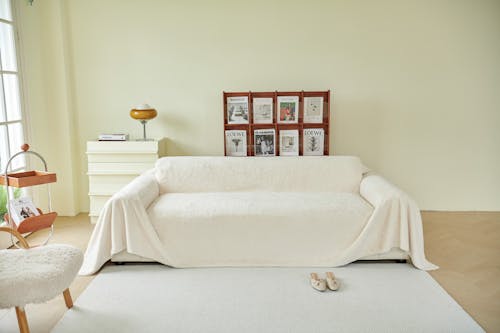
White sofas and chairs are a classic luxury signal in homes. They immediately make guests self-conscious about sitting down. People worry about denim transfer, makeup, or even clean hands. Instead of relaxing, they hover or perch.
Homeowners may feel white furniture shows restraint and taste. For visitors, it communicates fragility. When furniture feels precious, people feel like liabilities. Comfortable luxury allows guests to settle in without fear.
3. Decorative pillows that aren’t meant to be used
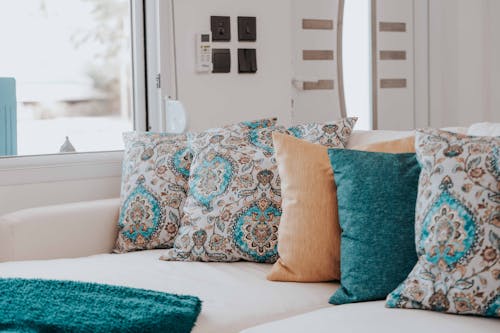
Homes styled with excessive throw pillows look polished and expensive. Guests quickly realize the pillows are ornamental rather than functional. They hesitate, unsure where to put them or whether touching them is allowed. That uncertainty creates awkwardness.
Luxury styling often prioritizes symmetry and visual impact. But guests don’t want to manage décor before they can sit. When comfort is blocked by display objects, hospitality suffers. A welcoming home makes function obvious.
4. Furniture arranged for looks, not conversation
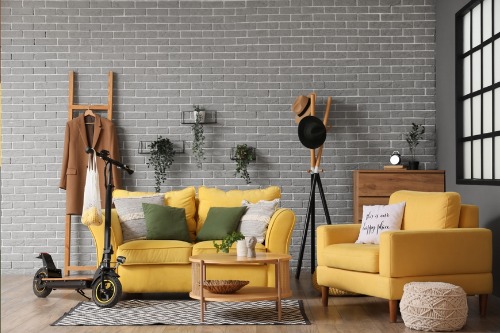
Some luxury living rooms are laid out like showrooms. Seating may be far apart or angled awkwardly for visual balance. Guests struggle to make eye contact or hear each other comfortably. Conversation becomes strained.
Homeowners often design these rooms for photos or resale appeal. Real social interaction requires proximity and flow. When guests feel physically disconnected, emotional connection drops too. Luxury should support gathering, not staging.
5. Ultra-minimalist rooms
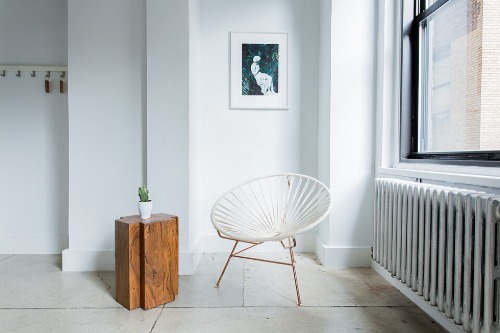
Sparse, minimalist interiors are often associated with high-end design. To guests, they can feel cold or unfinished. People aren’t sure where to put a drink or personal item. The lack of cues creates low-level tension.
Minimalism works best when paired with warmth and usability. Without those elements, guests feel like intruders. Homes should signal that people belong there. Luxury should feel intentional, not empty.
6. Complicated lighting systems
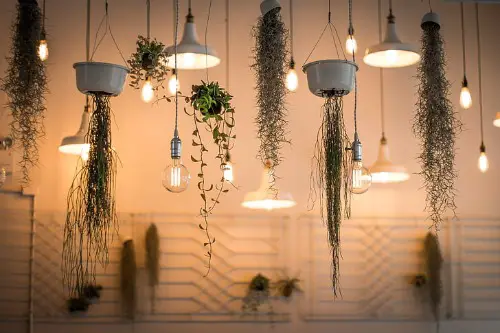
Custom lighting systems are a common luxury home feature. Guests often can’t figure out which switch does what. They hesitate to adjust lighting for fear of “doing it wrong.” Feeling confused in someone’s home is uncomfortable.
These systems are designed for flexibility and ambiance. Without clear labeling or intuitive controls, they fail visitors. Guests just want to see where they’re going. Luxury lighting should simplify, not intimidate.
7. Rooms that are clearly off-limits
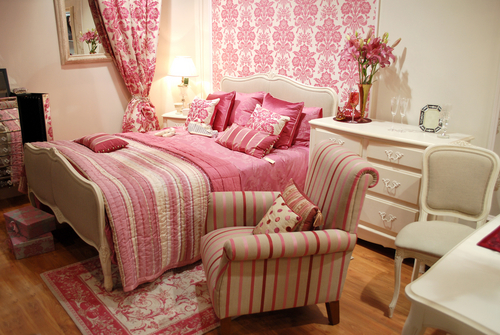
Some luxury homes have pristine rooms no one is meant to use. Guests sense immediately which spaces are forbidden. This creates a feeling of being carefully contained. People become overly cautious about movement.
Homeowners may want to preserve certain areas. The result can feel more like a museum than a home. When guests are confined to approved zones, relaxation disappears. True luxury doesn’t require constant restraint.
8. Delicate flooring
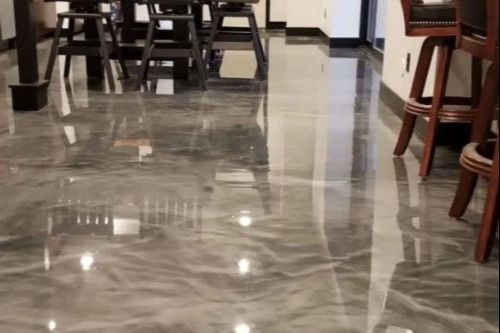
High-gloss hardwood, marble, or specialty tile is often chosen to signal expense. Guests worry about scratching, scuffing, or slipping. Shoes become a source of anxiety. Every step feels risky.
Flooring should support movement, not punish it. When guests are aware of their feet at all times, comfort is gone. Luxury materials should be durable as well as beautiful. A home should feel lived in, not tiptoed through.
9. Designer chairs that aren’t comfortable

Iconic designer chairs are common luxury statement pieces. Many are built for aesthetics, not long-term sitting. Guests shift uncomfortably or stand sooner than they’d like. Physical discomfort is immediate and memorable.
Homeowners may value the cultural cachet of these pieces. Guests value how their body feels. If seating discourages lingering, hospitality suffers. Luxury seating should invite people to stay.
10. Bathrooms that prioritize looks over function
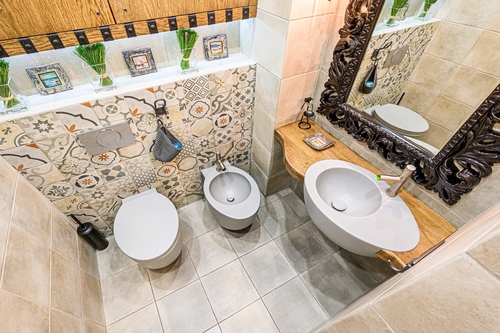
Luxury homes often feature visually stunning bathrooms. Sinks may be shallow, counters narrow, or storage nonexistent. Guests struggle with basic tasks like washing hands or setting down belongings. The inconvenience stands out.
These designs photograph well but function poorly. Visitors notice when daily activities feel awkward. A bathroom is a high-use space. Luxury should make routines easier, not harder.
11. Temperature kept for aesthetics
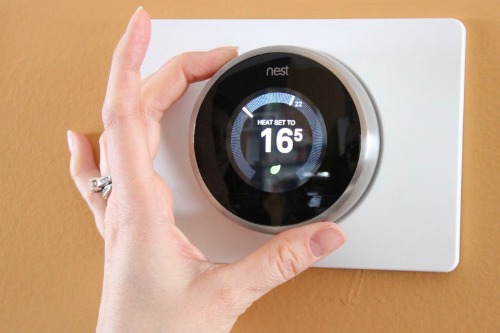
Some luxury homes are kept unusually cool or warm. This is often done to protect materials or maintain a certain feel. Guests may be underdressed or overheated. Physical discomfort becomes a distraction.
Homeowners are acclimated to their preferred setting. Visitors are not. People rarely ask to change the thermostat. Luxury hospitality anticipates comfort differences.
12. A home that feels untouched
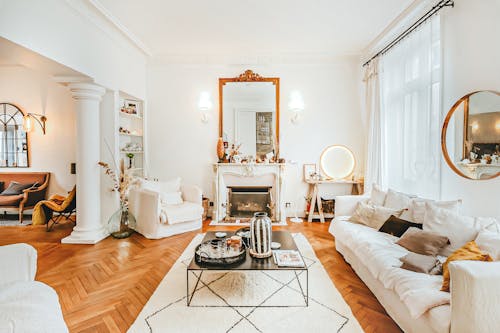
When everything looks perfect and unused, guests feel like outsiders. There are no signs of daily life or wear. People worry about disrupting the balance. The house feels more like a display than a refuge.
Luxury homes are often styled to look pristine at all times. Guests relax more when they see evidence of real use. Lived-in details signal permission to exist. The most comfortable luxury feels human.
This post 12 “Luxury” Touches That Make Visitors Uncomfortable was first published on Greenhouse Black.
