
1. The oversized marble kitchen island no one cooks on
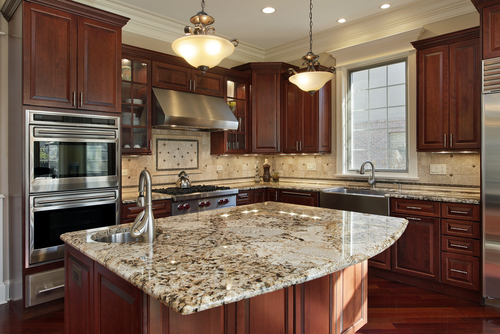
A massive marble island might look stunning in listing photos, but it’s often more about signaling wealth than serving a real function. Marble stains easily, chips under heat, and needs constant sealing—hardly practical for daily cooking. Yet, many homeowners insist on it because it’s become a “luxury standard.” The irony? The more pristine it stays, the more it reveals that no one actually uses the kitchen.
That’s not luxury; that’s performance. True confidence in a home means prioritizing comfort and use over display. A well-loved wooden countertop says “we live here.” A museum-like marble slab says “we want you to know we could afford this.”
2. The double-height foyer with a chandelier the size of a car
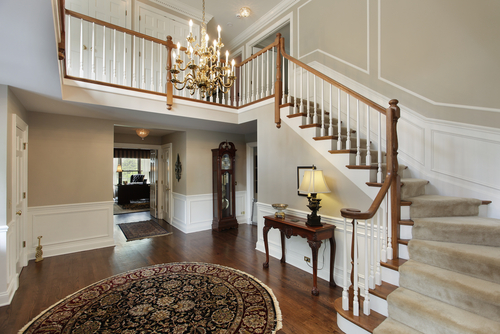
Grand entryways are meant to impress, but they often end up feeling cold and cavernous. A two-story chandelier glinting over a barely used foyer can feel like an expensive echo chamber. It’s a literal monument to showing off rather than welcoming people in. You don’t get warmth from grandeur—you get distance.
Psychologically, humans prefer spaces scaled to our height and senses. When an entryway feels like an opera house, it subconsciously tells visitors they’re entering a stage, not a home. It’s architecture as intimidation. And insecurity loves intimidation.
3. The fully mirrored gym nobody uses
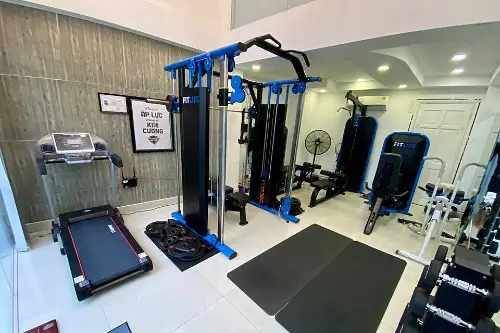
There’s nothing wrong with a home gym—but lining every wall with mirrors? That’s a different story. It’s a design choice that often says, “I care more about how this looks on Instagram than how it feels to move here.” The space becomes more about optics than health.
People who actually use their gyms prefer functional mats, good lighting, and maybe a sound system that keeps them moving. A mirror maze reflects a fixation on image rather than well-being. If you can see your reflection from every angle, you might be more interested in how others see you too.
4. The bathroom with a TV built into the mirror
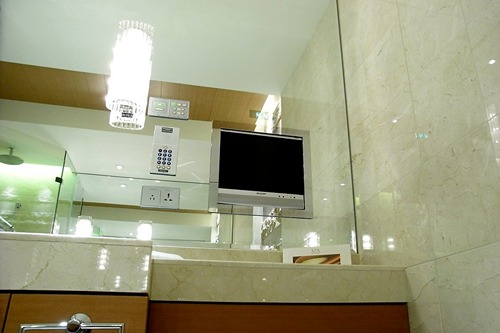
High-end bathrooms with embedded screens are sold as cutting-edge comfort—but how many people really need to watch CNBC while brushing their teeth? It’s a feature that screams, “I’m too important to be alone with my thoughts.” The tech quickly dates, the repairs are pricey, and the novelty fades fast. What’s left is a gadget that exists mostly to impress guests.
Real luxury is calm and unhurried. A quiet morning routine in a well-lit space beats a mirror shouting stock prices back at you. Convenience can be classy—but cluttering a sanctuary with tech rarely is.
5. The “statement” wine cellar filled with bottles no one touches

A glass-walled wine cellar looks glamorous until you realize most of those bottles are decorative props. Many modern builds include them purely for aesthetics, not passion. It’s less about appreciating wine and more about telegraphing status. A true collector doesn’t need a spotlight—just good storage and good taste.
Even worse, most homes place these cellars in spaces too warm for proper preservation. That $2000 bottle of Bordeaux? It’s quietly cooking under LED lighting. When “showing off” overtakes genuine enjoyment, it stops being sophistication and starts being insecurity.
6. The infinity pool in a climate where it makes no sense
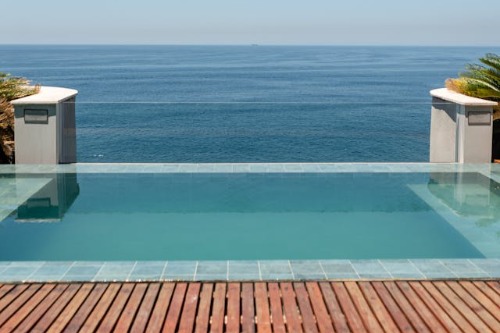
Infinity pools are undeniably beautiful, but they’re also high-maintenance and energy-intensive. Installing one in a place that freezes half the year or faces drought conditions is a red flag for performative luxury. It says, “Look at what I can afford,” not “Look at what makes sense.” Sustainability doesn’t pair well with ego.
Confidence in design means aligning beauty with practicality. A plunge pool or natural swimming pond can offer the same serenity with a fraction of the waste. Luxury that ignores context is less about taste and more about trying to keep up appearances.
7. The “smart home” with every gadget but no warmth
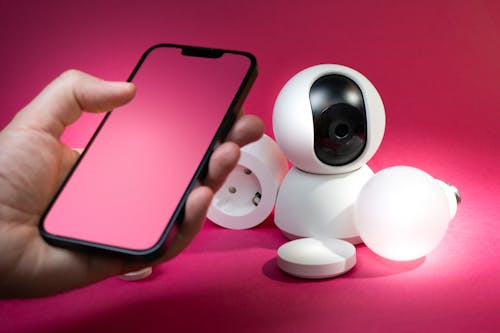
Voice-activated blinds, motion-sensing faucets, Wi-Fi refrigerators—modern marvels that often feel more like tech demos than homes. When a house needs a manual to operate, something’s gone wrong. Many buyers install every “smart” upgrade available, equating complexity with sophistication. But true ease comes from intuitive spaces, not constant automation.
These homes age fast, too, as tech standards change every few years. What was “cutting edge” in 2018 now looks clunky or incompatible. The smarter move is designing a space that feels timeless. That’s something no software update can replicate.
8. The gallery wall of family portraits shot like a Vogue spread
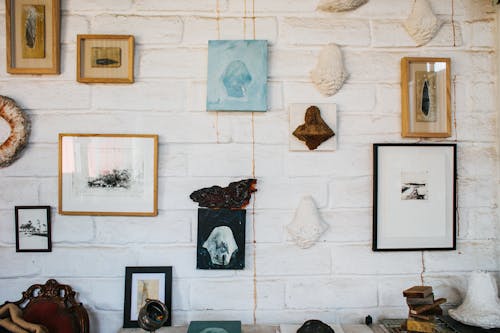
Framed family photos can be warm and personal—but when every shot looks editorially lit and perfectly posed, it veers into vanity. The goal shifts from capturing memories to crafting a brand. It’s a curated illusion of closeness rather than real connection. Nobody’s life looks that polished off-camera.
True sentiment doesn’t need retouching. A spontaneous laugh or a slightly crooked frame says “we’re real.” A professionally staged lineup says “we need you to think we’re perfect.” Luxury is confidence in imperfection.
9. The “his and hers” everything
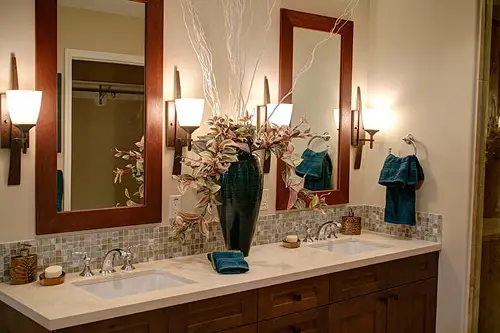
Separate bathrooms, closets, even offices—it’s sold as the ultimate in high-end convenience. But too much separation can hint at emotional distance rather than intimacy. It’s as if the house is saying, “We coexist, but barely overlap.” When your space is designed to keep you apart, it reflects something deeper than just budget.
There’s elegance in sharing space gracefully. A large home that still encourages connection feels far richer than one that isolates. Luxury isn’t about dividing—it’s about designing for togetherness.
10. The outdoor kitchen that’s never been used
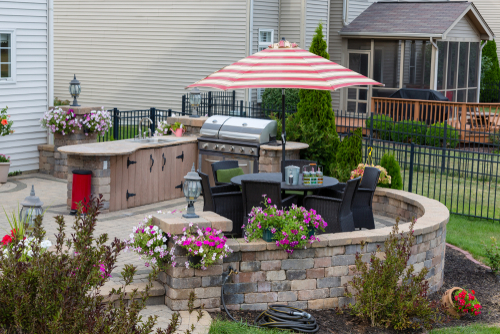
Built-in grills, marble countertops, and wine fridges outdoors look amazing in magazines. But in real life, most of them sit untouched, collecting dust and leaves. They’re a box to tick on the “dream home” checklist, not a feature of real living. The best design flows from lifestyle—not aspiration.
A simple, shaded patio with comfortable seating will get more use than a five-burner stainless setup ever will. Real confidence in your home means knowing what you’ll actually enjoy. Pretending to host endless soirées is just another way of showing off.
11. The bathroom bigger than the bedroom
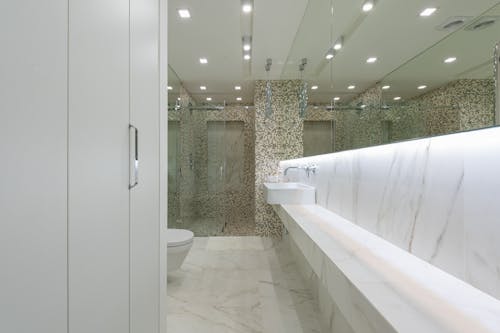
Oversized bathrooms with soaking tubs, walk-in showers, and seating areas sound indulgent—but they often come at the expense of comfort elsewhere. It’s spatial overcompensation: trading intimacy for spectacle. Unless you’re running a spa, there’s no reason for a tub to have its own chandelier. It’s less “relaxing retreat,” more “look how much space I can waste.”
A cozy, thoughtfully designed bathroom can feel luxurious without excess. Soft lighting, good acoustics, and smart layout matter more than sheer size. When the goal shifts from feeling pampered to feeling important, the balance tips into insecurity.
12. The massive “feature” staircase
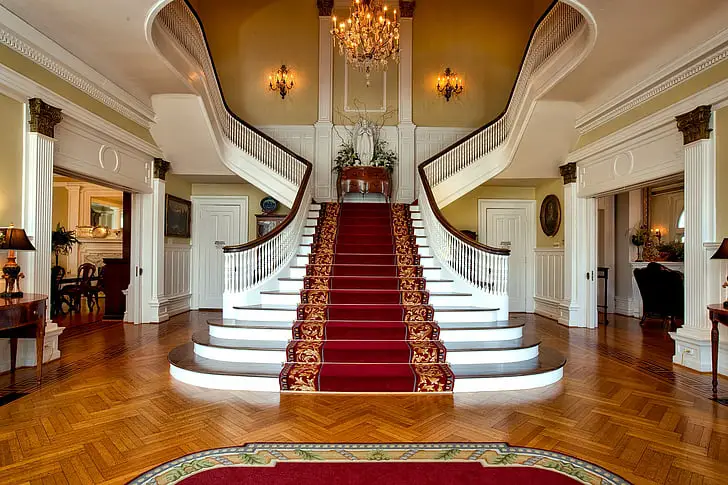
Sweeping staircases are architectural statements, sure—but they also announce themselves as trophies. A practical home rarely needs a staircase wide enough for a wedding photo. The bigger it gets, the more it feels like a stage rather than a home. It’s a centerpiece for guests, not for the people living there.
Homes that value function over form tend to feel warmer and more grounded. A simple staircase with natural light and craftsmanship tells a quieter story. Grandeur for grandeur’s sake doesn’t impress—it compensates.
13. The “hidden” room or secret bar for bragging rights

Hidden rooms can be fun, but they’ve become more gimmick than delight. TikTok and real estate videos glorify them as the ultimate flex, but most sit unused after the novelty fades. It’s not about mystery; it’s about manufacturing intrigue. If you have to build secrecy to feel special, the house isn’t the problem.
Spaces built from curiosity rather than ego age better. A cozy reading nook or creative workspace feels genuinely personal. Real luxury whispers—it doesn’t need a secret passage to prove it.
14. The designer closet that looks like a boutique
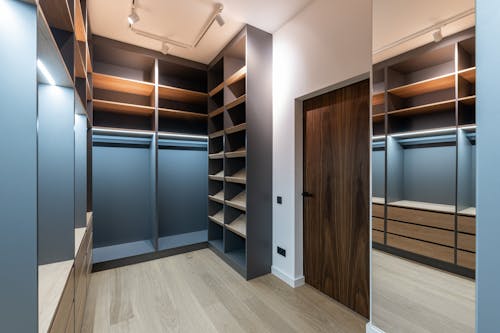
A walk-in closet modeled after a high-end store may look impressive, but it often serves more as a status display than a functional space. Rows of color-coordinated handbags, perfectly spaced hangers, and spotlighted sneakers suggest performance, not personality. It’s less about getting dressed and more about being seen—even if no one is actually there to see it. The space whispers insecurity beneath the sheen of designer logos.
Real luxury doesn’t need validation. A closet that feels personal and lived-in shows quiet confidence. Worn leather jackets and practical shelves say more about authenticity than glass cases ever could. When your wardrobe needs its own stage lighting, the insecurity is wearing the clothes, not you.
15. The custom monogram on everything
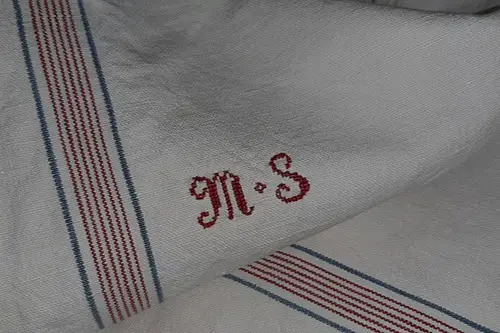
From towels to wine glasses to slippers, monogramming can start as personalization and quickly slip into self-branding. When every object carries your initials, it begins to look like you’re running a luxury resort, not living in a home. It’s a design choice that shouts identity while quietly suggesting a need for reassurance. The more omnipresent your name becomes, the less intimate the space feels.
True sophistication doesn’t need labels. The charm of a home lies in its character, not its logos. A well-chosen scent or a thoughtful layout says far more about who you are. Confidence doesn’t require constant reminders of your own name.
16. The private cinema no one actually watches movies in
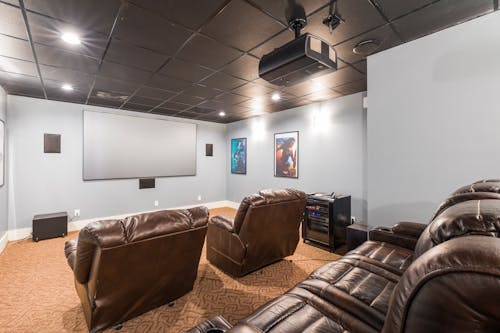
Home theaters can be delightful when they’re used, but too often they’re built as trophies of success. Rows of leather recliners, popcorn machines, and starry ceilings suggest entertainment—but the room sits empty most nights. It’s not about movie nights; it’s about the idea of having a “cinema.” When luxury is reduced to a checklist, joy rarely follows.
The coziest movie experiences happen in spaces that feel human, not staged. A projector, a blanket, and laughter mean more than acoustics engineered for bragging rights. Luxury should amplify connection, not isolation. Otherwise, it’s just another silent room filled with expensive chairs.
17. The imported chandelier in every room
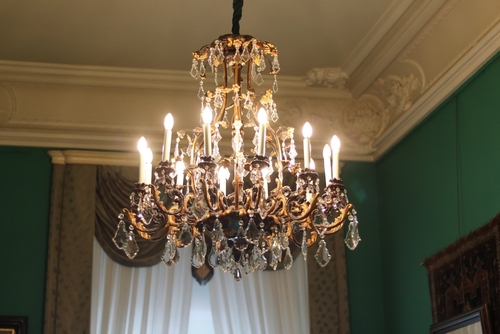
A single chandelier can elevate a room—but covering every ceiling in crystals feels desperate for attention. When light fixtures start competing for praise, they lose their purpose and charm. It’s as if the homeowner fears being overlooked, even by the ceiling. Excess sparkle rarely disguises insecurity; it magnifies it.
Elegance isn’t about replication—it’s about restraint. One statement piece in the right place can define a space. When every corner gleams, none of it feels special. Confidence glows quietly; insecurity insists on shining.
18. The rooftop lounge that no one uses after the open house
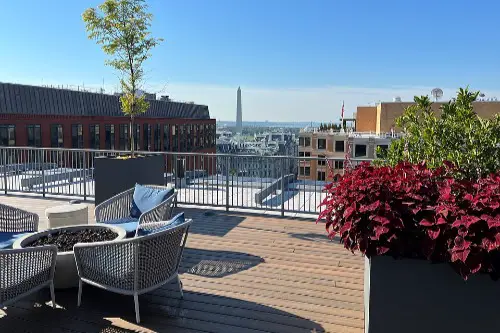
Rooftop spaces can be magical when they’re designed for real living. But too often, they’re styled for the listing photos—glossy fire pits, fragile furniture, and untouched bars. The result is a beautiful, barren perch that looks impressive but feels uninviting. It’s less a retreat and more a billboard for affluence.
A true luxury space invites presence, not performance. A weathered wooden bench and potted herbs can feel richer than imported marble. When a rooftop becomes too perfect to use, it stops being a space and starts being a symbol. And symbols, by nature, are built to be seen—not lived in.
19. The art collection chosen by an interior designer

Art can reveal personality, but too many “luxury” homes feature pieces selected by decorators, not by the people living there. The result is a gallery of expensive anonymity—impressive to guests, meaningless to the owner. It’s aesthetic conformity disguised as culture. When taste becomes outsourced, individuality disappears.
True collectors buy art that stirs something inside them. It doesn’t need to match the drapes or carry a signature worth six figures. Personality can’t be purchased by the square foot. Real luxury is knowing what you love, not what’s trending.
20. The luxury car parked just for show in a glass garage
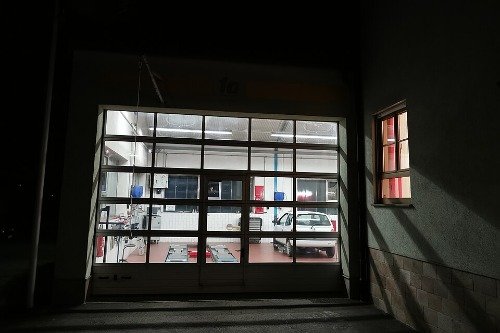
A car displayed behind glass might look sleek, but it often says more about ego than engineering. When your vehicle is positioned like a sculpture, it stops being transportation and starts being a trophy. It’s a performance of wealth that values aesthetics over experience. The message isn’t “I love driving,” but “I need to be admired.”
There’s confidence in using what you own instead of protecting it from fingerprints. A car with a little road dust tells a story; a spotless one behind glass tells a need for validation. True luxury moves—it doesn’t sit still waiting for approval. Real status is freedom, not preservation.
This post 20 “Luxury” Touches That Quietly Scream Insecurity was first published on Greenhouse Black.
