
1. Las Vegas, Nevada

Las Vegas buyers are watching HOA rules and fees closely. Many communities have strict regulations that affect rentals and renovations. Buyers want to understand monthly obligations beyond the mortgage. HOA costs can rival price differences over time.
Water usage restrictions also influence decisions. Buyers pay attention to landscaping rules and conservation measures. The city’s long-term water strategy is frequently discussed. Sustainability feels more important than short-term pricing.
2. Austin, Texas

Buyers in Austin are watching inventory levels more closely than prices because the market flipped from ultra-competitive to choice-heavy in a short time. New construction on the metro’s edges has given buyers options they didn’t have a few years ago. People are paying attention to how long listings sit and whether sellers blink first. The price still matters, but timing and leverage matter more right now.
Property taxes are also a major consideration in Austin purchases. Texas relies heavily on property taxes, and assessments rose quickly during the boom years. Buyers want to know whether tax bills will reset or stay elevated. That ongoing uncertainty affects monthly costs more than small price changes.
3. Tampa, Florida

Tampa buyers are watching homeowners insurance costs more than sale prices. Florida’s insurance market has been volatile, with rising premiums and fewer carriers. Buyers often ask for insurance quotes early in the process. A lower-priced home can quickly lose appeal if insurance costs are extreme.
Flood risk also factors heavily into decision-making. FEMA flood zones and elevation certificates get close scrutiny. Buyers want clarity on long-term risk, not just current premiums. Those practical concerns now dominate conversations over list prices.
4. Boise, Idaho
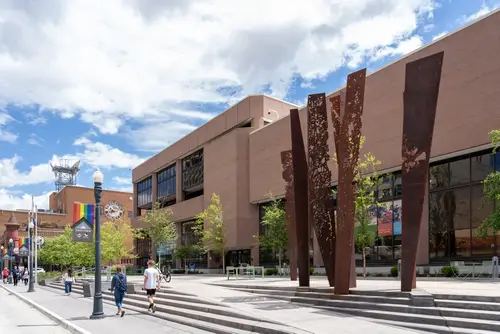
In Boise, buyers are watching migration trends and job growth closely. The city experienced a rapid influx of remote workers that has since slowed. Buyers want to know whether demand will rebound or remain steady. That uncertainty affects confidence more than current price tags.
Infrastructure strain is also on buyers’ minds. Traffic congestion and school capacity have become noticeable issues. People are evaluating neighborhoods for long-term livability. The question is whether growth is being managed sustainably.
5. Nashville, Tennessee
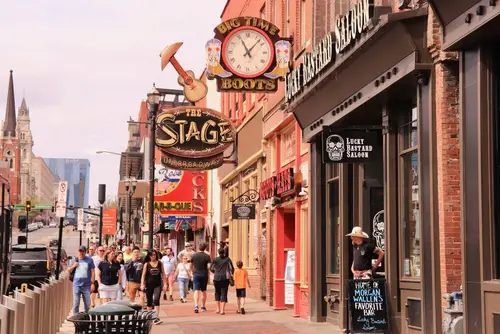
Nashville buyers are paying close attention to zoning and short-term rental regulations. Changes to Airbnb rules can affect investment potential in certain neighborhoods. Buyers want to know if rental income assumptions still hold. That can matter more than a small difference in purchase price.
Traffic and commute times are also major factors. Rapid growth has outpaced transportation improvements. Buyers are carefully evaluating location within the metro. Daily quality of life now drives decisions as much as cost.
6. Denver, Colorado
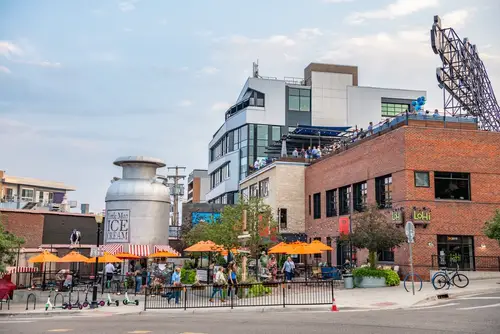
In Denver, buyers are watching interest rate buydowns and seller concessions closely. Many sellers are offering incentives rather than cutting prices outright. Buyers compare financing terms just as much as listing prices. Monthly payments are the real battleground.
Wildfire risk is another concern in foothill and suburban areas. Insurance availability and defensible space requirements come up frequently. Buyers want clarity on long-term insurability. That risk can outweigh a competitive price.
7. Raleigh, North Carolina
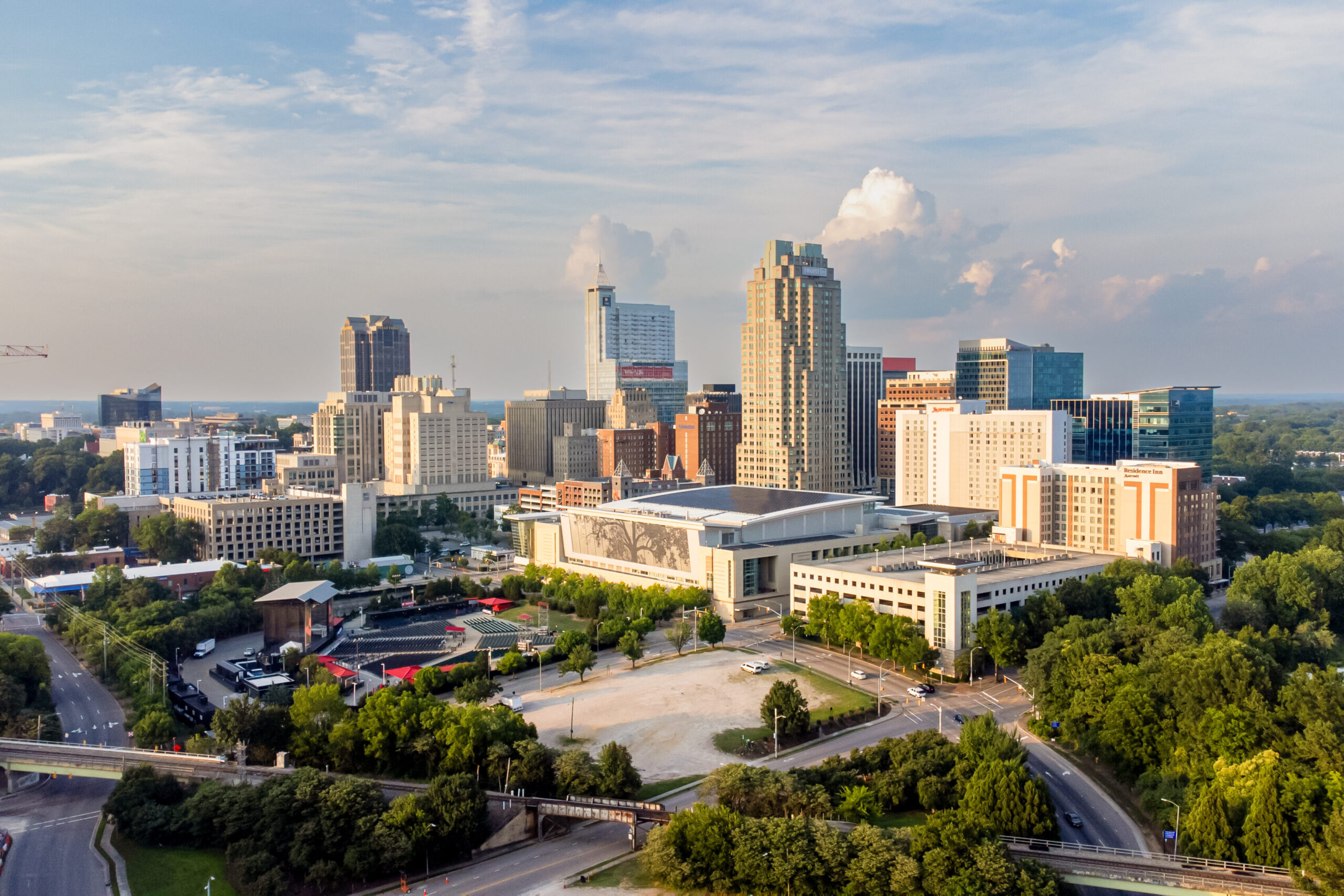
Raleigh buyers are focused on future development plans. The Research Triangle continues to attract employers, but buyers want to know where growth will concentrate. Proximity to future infrastructure matters. It shapes long-term value expectations.
School district boundaries are another key issue. Rapid population growth has led to reassignment concerns. Buyers closely track school zoning updates. Stability often matters more than negotiating price.
8. Phoenix, Arizona

In Phoenix, buyers are focused on insurance availability and cost, especially in newer suburban developments. Extreme heat and wildfire risk have pushed insurance premiums higher in parts of the metro. Some buyers are checking coverage options before even making an offer. The ability to insure a home affordably can outweigh a modest price reduction.
Water supply is another concern shaping buyer behavior. Long-term drought and Colorado River negotiations are closely followed by locals. Buyers want reassurance that water infrastructure can support continued growth. That issue feels more consequential than short-term pricing swings.
9. San Antonio, Texas

In San Antonio, buyers are watching property tax assessments carefully. Rapid home value increases led to higher tax bills in many neighborhoods. Buyers want to know whether assessments are leveling off. That affects affordability more than list prices.
Military and healthcare employment stability also matters. Buyers track base activity and hospital expansions. Those factors influence confidence in the local economy. Job security shapes demand expectations.
10. Sacramento, California

Sacramento buyers are paying attention to insurance and wildfire exposure. Even suburban areas are seeing increased scrutiny from insurers. Buyers often request detailed risk disclosures early. Insurability can make or break a deal.
Heat and energy costs are also a concern. Summers are getting hotter, driving up cooling expenses. Buyers look for energy-efficient features. Utility costs weigh heavily in affordability calculations.
11. Columbus, Ohio
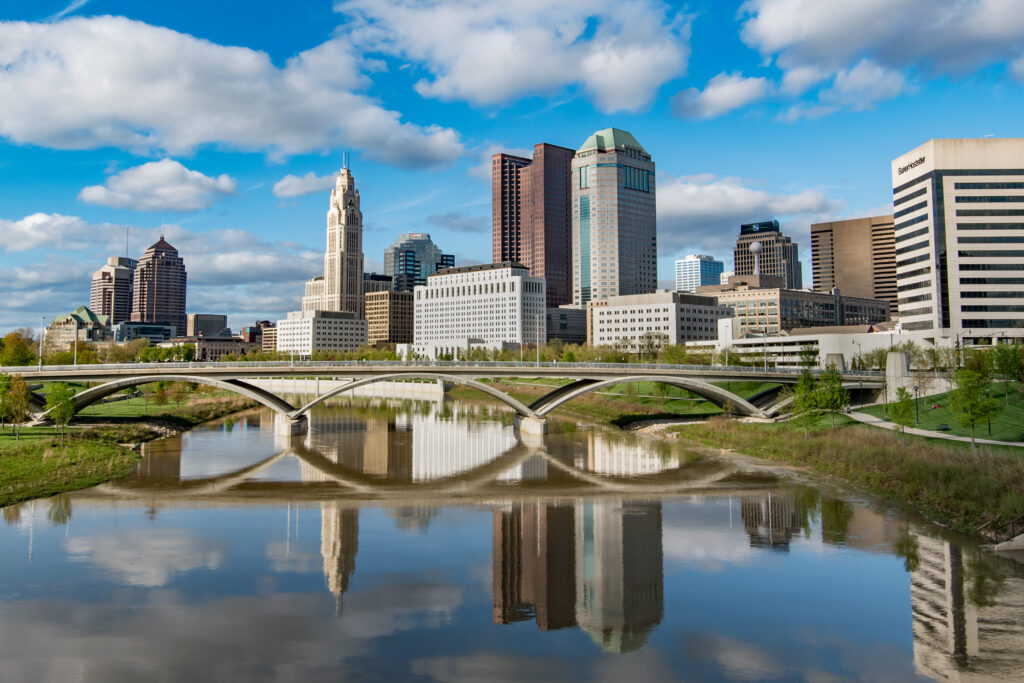
In Columbus, buyers are watching employer expansions and layoffs. The region’s growth is tied closely to major corporate investments. Buyers want reassurance that job momentum will continue. Economic stability matters more than small price shifts.
Property tax levies are another consideration. Voters frequently approve local levies for schools and services. Buyers factor these recurring costs into budgets. Taxes can change affordability faster than prices.
12. Salt Lake City, Utah

Salt Lake City buyers are focused on air quality issues. Inversions during winter months affect health and lifestyle. Buyers consider neighborhood elevation and airflow. Livability concerns can outweigh price negotiations.
Water supply is also under scrutiny. Declining Great Salt Lake levels have raised environmental concerns. Buyers want to understand long-term impacts. Sustainability questions influence confidence in the market.
13. Atlanta, Georgia
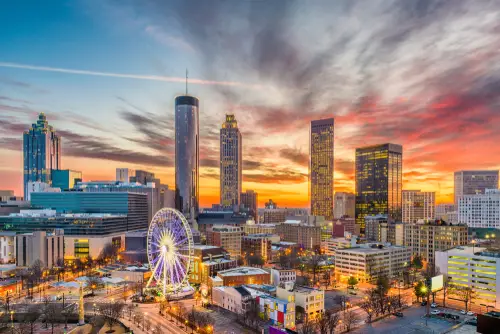
Atlanta buyers are watching traffic patterns and commute times. Sprawl has made location increasingly important. Buyers often choose smaller homes closer to work. Time has become a form of currency.
Property taxes vary widely by county. Buyers carefully compare tax burdens across metro areas. A cheaper home can cost more monthly. These calculations drive decisions more than sticker price.
14. Minneapolis–St. Paul, Minnesota

Buyers in the Twin Cities are paying attention to local rental regulations. Changes to tenant protections affect small investors. Buyers want clarity on future policy direction. Regulatory risk can outweigh price considerations.
Climate resilience is also part of the conversation. Buyers ask about insulation, heating efficiency, and snow management. Harsh winters make operating costs important. Practical durability matters as much as price.
15. San Diego, California

San Diego buyers are watching interest rate impacts more than prices. High prices mean even small rate changes affect affordability. Buyers closely track monthly payment scenarios. Financing terms dominate negotiations.
Coastal regulations also influence decisions. Buyers want to understand restrictions on renovations and short-term rentals. Environmental rules can limit future flexibility. That long-term constraint often matters more than price.
This post 15 Markets Where Buyers Are Watching Something Other Than Prices was first published on Greenhouse Black.
