
1. Hairline Foundation Cracks
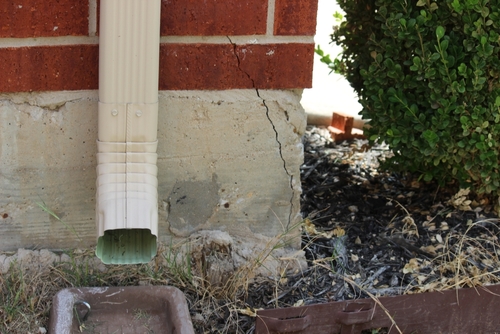
These tiny cracks often hide behind shrubs or mulch, so homeowners don’t spot them until they widen noticeably. Inspectors scan foundations systematically and know the typical stress points to check. Even thin cracks can indicate soil movement, freeze-thaw stress, or drainage problems that will worsen over time. Fixing them early is far cheaper than repairing structural damage later.
Homeowners tend to assume hairline fissures are purely cosmetic and ignore them. Inspectors pay attention to the crack’s direction and pattern because vertical, horizontal, and stair-step cracks mean different things. A horizontal crack, for example, suggests lateral soil pressure while a stair-step crack follows mortar joints in a bowed wall. That pattern recognition is why inspectors catch serious issues that owners miss.
2. Subtle Roof Granule Loss
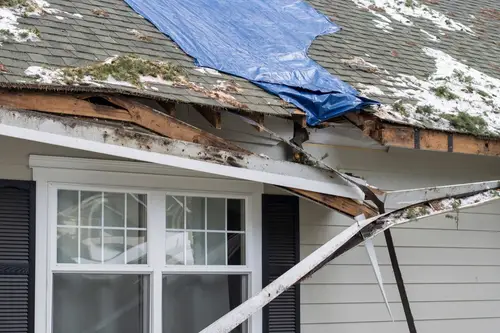
Granule dust in gutters or a slightly faded roof surface looks harmless to most homeowners. Inspectors check shingles up close and in gutters since missing granules expose the asphalt mat to UV and accelerate deterioration. Once the granule layer thins, shingles lose their fire resistance and waterproofing more quickly. Catching this early gives you options besides a full roof replacement.
People usually only notice obvious missing shingles or leaks, not the slow decline of shingle coverage. Inspectors know to look for patches of uniform fading or granule accumulation where shingles are failing. That small change helps estimate remaining roof life and risk of leaks. Acting on the finding can postpone bigger expenses or prevent interior water damage.
3. Slight Sagging in Gutters
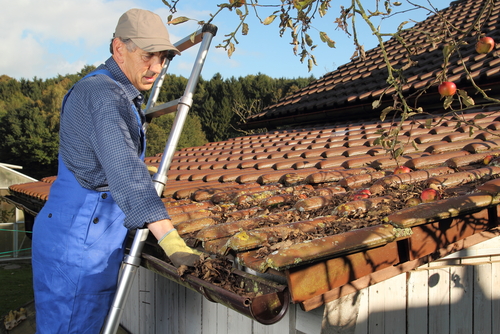
A gutter that sags a little at the hangers seems insignificant until water starts overflowing during a storm. Inspectors test gutter pitch and look for dips because standing water accelerates rot of fascia and creates ice dam risks in cold climates. Even minor misalignment tells them fasteners are failing or the gutter is overloaded. Repairing or re-securing the run prevents water from tracking behind the siding.
Homeowners often don’t notice sag until dripping appears on the porch or staining shows up on the siding. Inspectors gently press and follow the channel to find low points that cause pooling. That tactile check reveals issues invisible from the curb. Early correction preserves both the gutter and the structure it protects.
4. Faint Water Stains on Ceilings
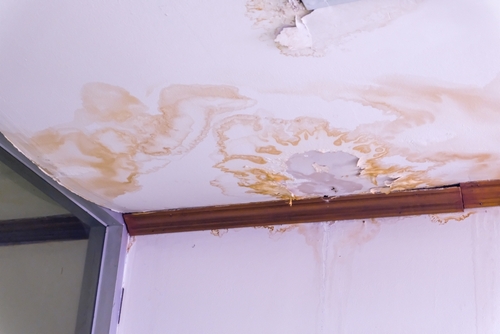
Small, pale rings or slightly discolored patches blend into paint and go unnoticed by most people. Inspectors illuminate ceilings with flashlights and know that even faint stains usually mean a past or active leak from roofing, flashing, or plumbing. If the area is soft, discolored, or has a musty smell, moisture is the likely culprit and the damage can spread. Addressing leaks early prevents mold growth and drywall replacement.
Homeowners assume a faded spot is cosmetic or from an old stain that won’t return. Inspectors will test by feeling for coolness or dampness and may check above the ceiling for the leak source. If the spot is still wet, the leak is active and needs immediate attention. That distinction between historic stain and live leak is what saves time and money.
5. Subtle Drafts Around Windows

A window that lets a barely perceptible draft in won’t trigger most homeowners’ attention during mild weather. Inspectors feel and use simple tests—like a hand near the seal or a lighter—to locate small air infiltration points that raise heating and cooling costs. A thin, persistent draft usually means failing caulk, worn weatherstripping, or slight frame warping. Fixing that sealing issue improves comfort and energy bills.
People often wait until panes fog or major leaks occur before acting. Inspectors wiggle sashes and examine the frame perimeter to find loose fasteners or gaps that widen with temperature changes. They also note areas where condensation repeatedly forms, which indicates poor thermal performance. Those tiny findings guide targeted repairs that avoid full window replacement.
6. Tiny Gaps Near Exterior Trim

Slim gaps where trim meets siding are easy to miss because paint and shadow hide them. Inspectors inspect those junctions carefully since narrow openings allow water, insects, and mold spores inside the wall assembly. Even a small gap can let water wick into sheathing and cause hidden rot over time. Sealing or reinstalling trim in the right sequence prevents progressive deterioration.
Homeowners rely on paint to mask problems rather than checking the joint integrity. Inspectors look for cracked caulk, backer rod absence, or nails that have pulled and created gaps. They know small separations often worsen after seasonal expansion and contraction. Tackling the issue early avoids costly behind-the-scenes repairs later.
7. Early Signs of Wood Softening

Slight sponginess or a faint crumble at the edge of steps or deck boards doesn’t alarm many homeowners until a board breaks. Inspectors press suspect wood with a screwdriver tip to detect early softening that indicates moisture intrusion or fungal decay. Soft wood signals that protective coatings, flashing, or drainage are failing nearby. Replacing or reinforcing affected pieces early prevents structural weakening and safety hazards.
Homeowners typically notice only advanced rot or obvious discoloration. Inspectors know to sample multiple spots around penetrations, transitions, and ground-contact areas where rot starts. That hands-on probing reveals hidden problems under paint or finish. Catching softening early saves on extensive replacement down the road.
8. Micro-Cracks in Tile or Grout
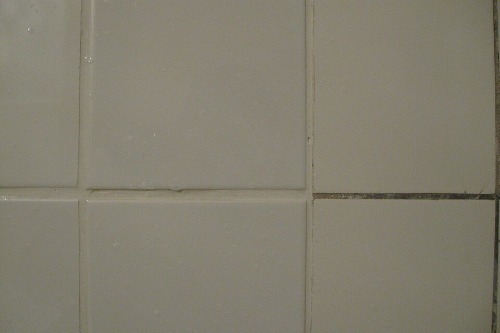
Tiny hairline fractures in grout and tile joints often become almost invisible unless you’re looking for them. Inspectors scan tile work and tap suspect tiles lightly to detect hollow sounds that indicate debonding or moisture underneath. Micro-cracks allow water to seep below and damage the subfloor or wall backing over time. Repairing grout or re-setting a loose tile before moisture spreads prevents expensive subfloor or framing repair.
Homeowners usually notice only fully cracked tiles or visible mold growth. Inspectors check grout integrity along edges, behind fixtures, and near drains because these spots concentrate water exposure. That small-detail inspection isolates where waterproofing might have failed. Early intervention here avoids hidden rot and mold escalation.
9. Barely Visible Deck Ledger Separation

A tiny gap where the deck ledger meets the house sidings is easy to overlook from ground level. Inspectors focus on this connection because it’s a primary structural anchor; even small separations let water access joist ends and ledger fasteners. If flashing is missing or compromised, the area can rot quickly and weaken the deck attachment. Securing flashing and fasteners promptly preserves both safety and the building envelope.
Homeowners often assume the deck is fine until it becomes wobbly or shows obvious rot. Inspectors probe for movement, check for flashing continuity, and verify mechanical fastener types and lengths. Those checks determine if the ledger was properly installed or deteriorating. Catching a small gap early prevents major repairs and reduces collapse risk.
10. Small Cracks in Driveways or Walkways

Hairline fissures in concrete or pavers look minor but are the beginning of bigger problems. Inspectors identify crack patterns and direction because they reveal underlying causes like soil settlement, frost heave, or poor compaction. Water entering those small cracks freezes and expands, or carries fines away, which quickly widens the damage. Filling and sealing early mitigates progression and protects adjacent slabs and landscaping.
Homeowners frequently wait until tripping hazards or large gaps appear. Inspectors evaluate whether cracks are superficial shrinkage or signs of differential movement by checking adjacent elevations and drainage. If edges show undermining or displacement, the issue is more than surface-level. Addressing base and drainage issues prevents recurring failures.
11. Slightly Rusting Pipe Fittings
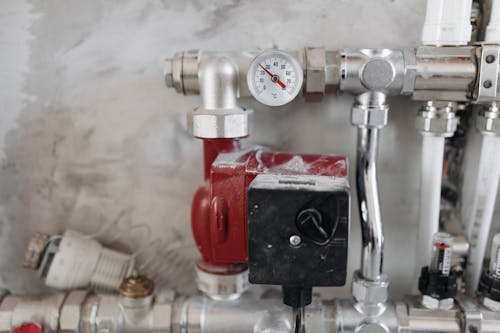
A tiny ring of rust or a small greenish stain around copper or iron fittings is easily dismissed by homeowners. Inspectors inspect under sinks, at hose bibs, and in mechanical rooms because corrosion indicates slow leaks, condensation points, or failing seals. Corrosion weakens fittings over time and can become a sudden leak. Tightening, replacing a ferrule, or addressing the moisture source prevents emergency plumbing failures.
Most people only react when a drip becomes a puddle or a pipe bursts. Inspectors use a flashlight and tactile inspection to find wetness, mineral deposits, or soft solder joints before failure. Identifying corrosion early allows targeted replacement of the affected component. That proactive step prevents water damage and costly cleanups.
12. Mild Warping of Siding Panels
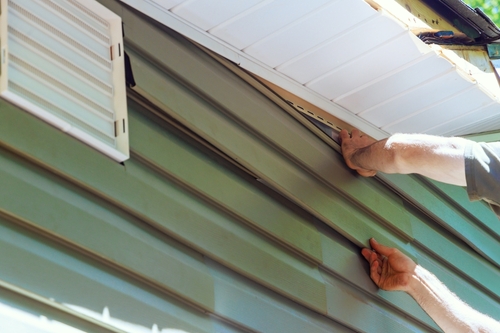
Siding that bows or cupps slightly can blend with normal visual noise to homeowners who aren’t looking closely. Inspectors sight down long runs, check fastener patterns, and examine areas near gutters or sprinkler heads where moisture commonly affects siding. Mild warping usually means moisture behind the panel, a failed moisture barrier, or improper fastening during installation. Repairing flashing, correcting water sources, or replacing a panel fixes the root cause before mold or rot spreads.
Homeowners often notice only dramatic buckling or discoloration and equate minor movement with age. Inspectors know small panel movement can be an early symptom of water infiltration that will worsen with seasonal cycles. They check trim interfaces, caulk lines, and weep paths to determine whether moisture management is working. Acting on these subtle signs preserves the cladding and prevents hidden structural issues.
This post 12 Micro-Damage Signs Homeowners Miss That Inspectors Catch in Seconds was first published on Greenhouse Black.
