
1. Skipping Regular Roof Inspections
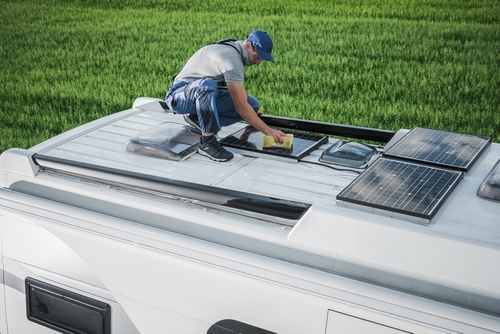
Many new RV owners focus on the engine and forget that the roof is one of the most vulnerable parts of the vehicle. Small cracks or failing sealant can let in moisture long before you notice any visible damage. Once water gets inside, it can rot wood framing or damage insulation. Regular roof checks help catch tiny issues before they turn into expensive repairs.
The reason this mistake matters is simple: water damage shortens an RV’s life more than almost anything else. By examining seals and vents a few times a year, you prevent long-term structural problems. It also keeps mold from starting in hidden places where it’s hard to remove. A few minutes of maintenance can save years of RV lifespan.
2. Overloading the RV
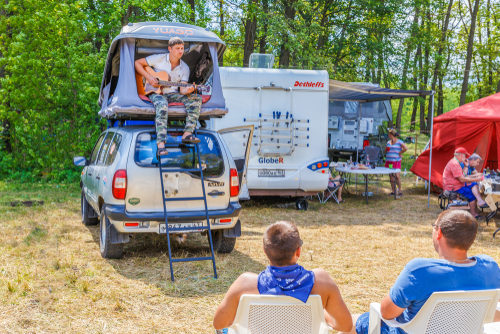
New owners often underestimate how quickly gear adds up in weight. Every extra pound strains the suspension, frame, and tires. When the RV is overloaded, braking distance increases, and handling becomes noticeably worse. Over time, consistent overloading accelerates wear on major components.
This matters because RVs have a specific Gross Vehicle Weight Rating for a reason. Staying within that limit ensures the vehicle performs the way it was designed. Ignoring it can lead to tire blowouts and premature suspension damage. Keeping weight in check helps your RV remain safe and last longer.
3. Neglecting Tire Care
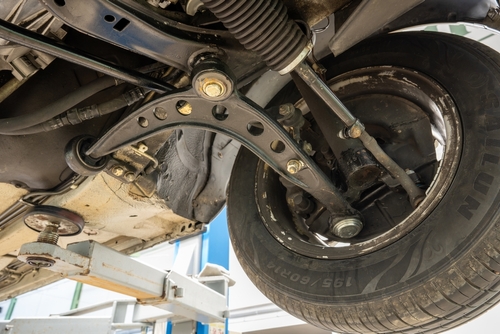
Tires on an RV age faster than many expect because they carry heavy loads and often sit in the same spot for months. Without regular pressure checks, they can underinflate and overheat on the road. UV exposure also weakens the rubber over time. A blowout doesn’t just ruin a trip—it can tear up the RV’s underside.
This mistake is critical because tires are a major safety component. Properly inflated and protected tires reduce the risk of catastrophic failures. Covering them during long storage periods helps prevent cracking and dry rot. Good tire care is one of the easiest ways to extend your RV’s life.
4. Forgetting to Flush the Water Systems
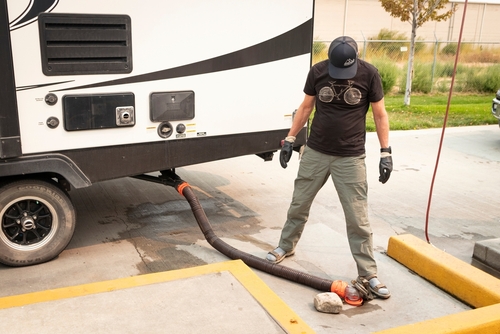
Many new RVers leave the freshwater, gray, or black tanks unflushed for long periods. Residue builds up quickly, especially in the black tank, and sensors can get gummed up. The longer waste sits, the harder it becomes to remove. That buildup can also cause odors to seep into the living space.
This matters because unmaintained tanks can lead to clogs and expensive plumbing repairs. Flushing regularly keeps the system clean and functional. It also helps your gauges read accurately, which prevents overfilling. Good tank maintenance keeps your RV’s plumbing working smoothly for years.
5. Ignoring Battery Maintenance
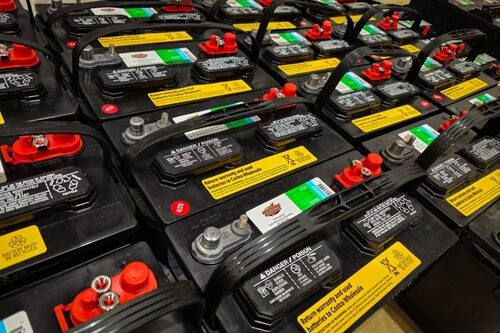
RV batteries don’t last long if they’re constantly undercharged or overcharged. Many owners forget to check water levels in lead-acid batteries or fail to disconnect them during long storage. A neglected battery can sulfinate and lose capacity quickly. Replacing a battery prematurely can become a costly habit.
This mistake shortens an RV’s life because electrical systems depend on healthy batteries. When voltage drops, appliances and motors work harder and wear out faster. Proper charging and periodic inspections keep batteries performing for their full lifespan. Taking care of the battery protects the entire electrical system.
6. Using the Wrong Cleaning Products

RV finishes may look tough, but harsh detergents or abrasive pads can strip off protective coatings. This makes the exterior more vulnerable to sun damage and oxidation. Some cleaners also react poorly with rubber seals around windows and slides. After a few seasons, the RV can look much older than it should.
This matters because protecting the exterior slows overall aging. Using RV-safe cleaners preserves sealants and paint. A well-maintained exterior prevents leaks and structural wear. It keeps both the appearance and integrity of the RV intact.
7. Not Lubricating Slide-Outs
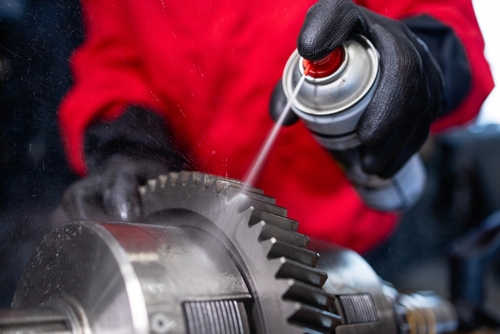
Slide-outs rely on rails and seals that need lubrication to operate smoothly. Without it, friction increases and the mechanism strains during opening and closing. Dirt and debris also build up, making the slide jerk or stick. Over time, this can damage motors and seals.
This mistake is important because slide-out problems are expensive to fix. Routine lubrication keeps components moving easily and prevents premature failure. Clean tracks also reduce wear and tear from grit. Smooth slides help preserve the RV’s structure and usability.
8. Running the AC Without Cleaning the Filters
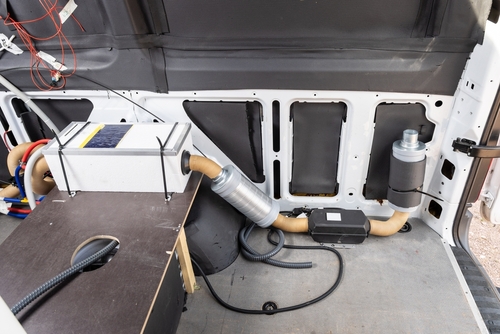
AC filters collect dust quickly, especially if you travel through dusty or humid regions. When they clog, the system has to work harder to cool the interior. This strain reduces energy efficiency and can freeze the coils. A neglected AC system ages faster and costs more to repair.
This matters because climate control affects comfort and mechanical longevity. Clean filters allow the unit to move air properly and maintain temperature. Regular cleaning prevents coil damage and keeps airflow steady. It helps the AC last longer and operate more efficiently.
9. Letting Moisture Build Up Inside
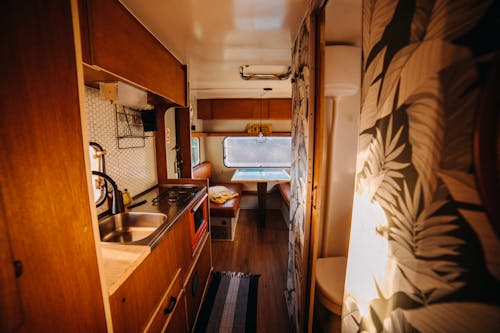
New RV owners often forget that condensation is a real problem in small spaces. Cooking, showering, and even breathing add moisture to the air. Without ventilation, that moisture settles into walls and cabinets. Over time, this leads to mildew and soft spots.
This matters because interior moisture quietly damages materials. Good airflow and a dehumidifier help keep humidity levels stable. Preventing mold growth is much easier than removing it later. Managing moisture protects the RV’s interior for the long haul.
10. Leaving the RV Unprotected in Harsh Weather
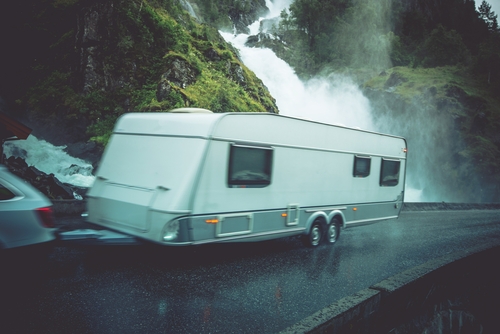
Parking an RV without a cover exposes it to sun, rain, and snow year-round. UV rays fade paint and damage rubber seals. Water from storms can work its way into vulnerable areas. Over time, exterior wear adds up.
This mistake matters because weathering shortens the RV’s overall lifespan. A breathable, RV-specific cover helps prevent UV damage and moisture buildup. Even shade or a simple shelter can make a big difference. Protection from the elements keeps the RV stronger for longer.
11. Forgetting to Service the Generator
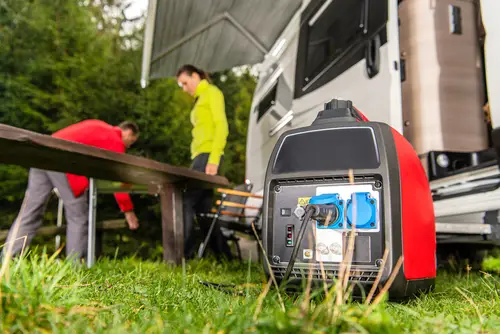
Generators need oil changes, air filter replacements, and periodic exercising to stay healthy. Many new owners only use them when needed and ignore maintenance schedules. When a generator sits too long, fuel can go stale and carburetors can gum up. Starting it becomes harder with each period of neglect.
This matters because a failing generator limits off-grid capability. Proper servicing keeps it running efficiently and prevents expensive repairs. Routine operation burns off moisture and keeps internal parts lubricated. A well-cared-for generator supports the RV’s electrical needs reliably.
12. Not Leveling the RV Properly
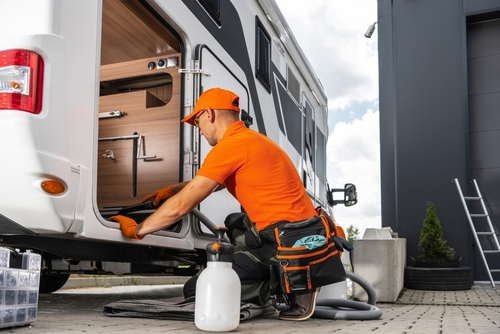
Improper leveling stresses the frame and can distort internal components. Absorption refrigerators, which many RVs use, can even be damaged if operated while unlevel. Doors may stop closing correctly, and cabinets can shift over time. A slightly crooked setup can create long-term problems.
This matters because leveling protects both comfort and structure. Using leveling blocks or built-in jacks helps keep weight distributed correctly. Following the manufacturer’s guidelines ensures systems work safely. Good leveling habits preserve the RV’s frame and interior components for years.
This post 12 Mistakes New RV Owners Make That Shorten Their Vehicle’s Life by Years was first published on Greenhouse Black.
