
1. Shiplap Walls Everywhere
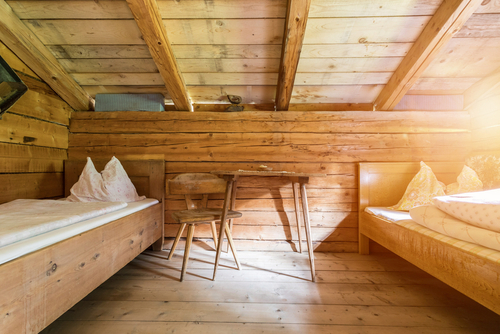
For a few years, shiplap was the darling of HGTV-style design—an instant shortcut to “farmhouse charm.” But lately, homeowners are realizing that too much of it can make spaces feel dated and a little too themed. Builders are scaling back, using it only as an accent or skipping it entirely in favor of smooth drywall or subtle paneling. It’s less about rustic replication now and more about clean, contemporary finishes that still feel warm.
Another reason shiplap is waning is maintenance—dust settles in those grooves, and repainting isn’t fun. Designers are opting for limewash, Venetian plaster, or simple texture to get depth without the upkeep. Plus, minimalist trends and Scandinavian influences are pushing the industry toward sleeker walls. Shiplap isn’t gone, but it’s no longer the default for every living room and mudroom.
2. Barn Doors as Room Dividers
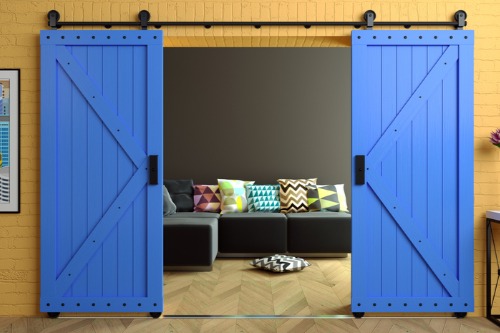
Sliding barn doors once felt like a clever blend of rustic and industrial, but their novelty has worn off. Many homeowners now find them noisy, space-hogging, and lacking in privacy. As open-concept layouts evolve, people are rediscovering the value of traditional hinged or pocket doors that offer better sound insulation. Builders are also finding that barn doors clash with more modern architectural lines.
Instead, designers are leaning toward minimalist glass sliders, steel frames, or concealed pocket systems that feel more custom and less country. The modern farmhouse look is maturing—functionality now matters as much as aesthetics. Barn doors had their fun, but they’ve become more of a statement piece than a staple. New homes are reflecting that shift toward subtlety.
3. All-White Kitchens
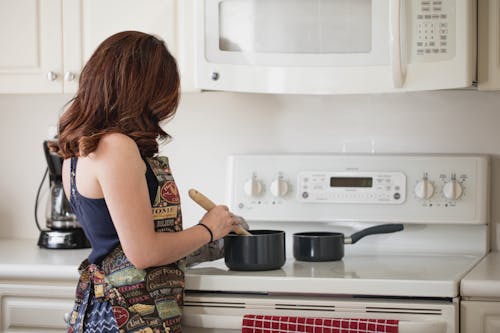
White-on-white kitchens once screamed “fresh and timeless,” but too many of them have led to a design fatigue moment. People want warmth, depth, and personality—things a pure white palette doesn’t always deliver. Builders report growing demand for natural wood tones, earthy greens, and muted blues instead. Even white cabinetry now often comes paired with darker islands or mixed materials for contrast.
Maintenance is another practical reason for the shift—white shows every smudge and spill. Today’s homeowners want easy-care finishes that age gracefully, not ones that demand constant touch-ups. The farmhouse aesthetic is still about comfort and simplicity, but color is creeping back in to make spaces feel lived-in and cozy. That sterile “show kitchen” look is fading fast.
4. Black Hardware and Light Fixtures
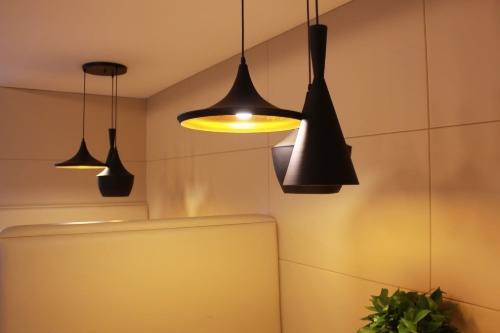
Matte black hardware became the go-to accent for farmhouse interiors, adding contrast against pale shiplap and white cabinets. But now, its ubiquity is making it feel predictable rather than bold. The trend cycle is pivoting toward softer metals—brushed brass, warm nickel, and even aged bronze—that better complement warmer color palettes. Designers say these finishes bring more character and depth to a room.
Black isn’t disappearing entirely, but it’s being used more sparingly, often as part of mixed-metal schemes. Builders are also experimenting with textured or organic finishes that feel more artisanal. The goal is less “industrial edge” and more “collected over time.” That subtle shift signals a move toward design that feels layered rather than stark.
5. Faux Beams in Every Room
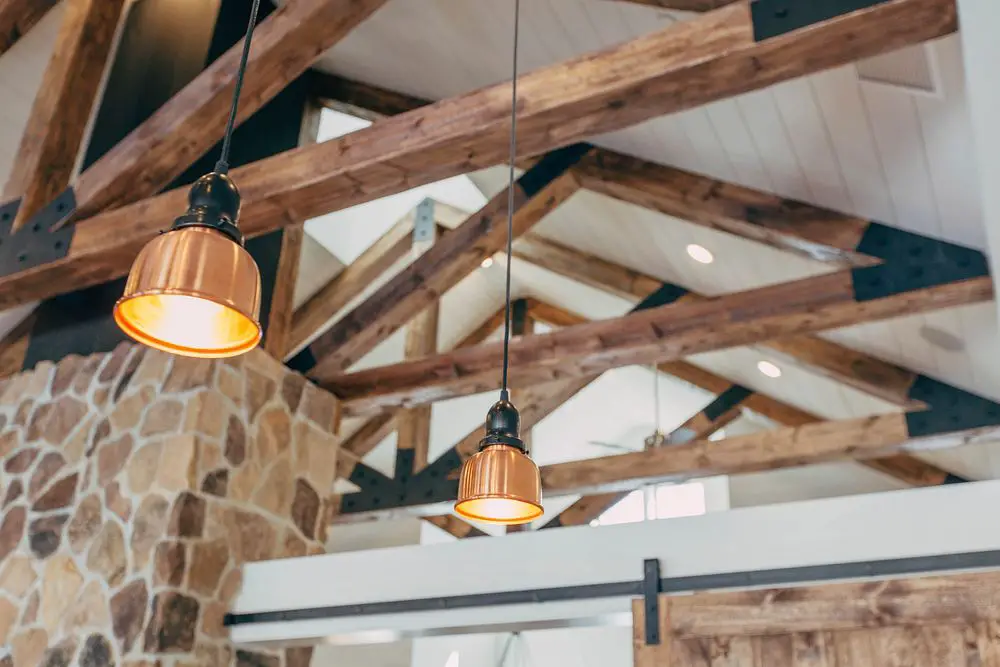
Wood beams add architectural drama, but faux versions popped up everywhere during the farmhouse craze—often in spaces that didn’t need them. Now, builders are rethinking their use, realizing that beams work best in homes with true height or historical character. In many new builds, they simply clutter ceilings or feel forced. The trend toward more minimal and airy interiors has made them less appealing.
Authenticity is playing a big role in this fade. Designers are choosing to celebrate real structural elements rather than add ornamental ones. When beams do appear now, they’re often slimmer, in natural tones, and purposefully integrated. The days of chunky, dark faux timber across every ceiling are over.
6. Open Shelving in Kitchens
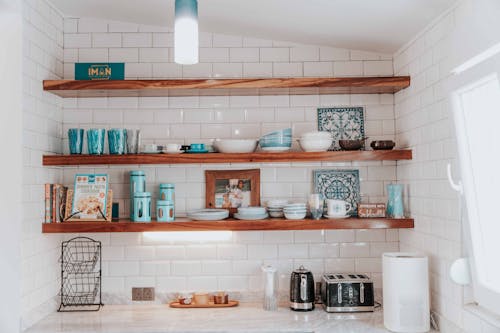
Open shelving looked chic on Pinterest, but in real life, it’s hard to maintain that magazine-ready neatness. People are tired of constantly dusting dishes and curating what’s on display. Function is making a comeback, and builders are reintroducing closed upper cabinets with thoughtful interior organization. It’s part of a broader shift toward practicality over pure aesthetics.
Still, some homeowners like the openness—it just needs balance. Designers are mixing a single open shelf with cabinets or glass-front doors to soften the look. The modern farmhouse kitchen of today leans less “styled for Instagram” and more “ready for everyday life.” The result feels warmer, calmer, and genuinely lived-in.
7. Oversized Range Hoods as the Focal Point
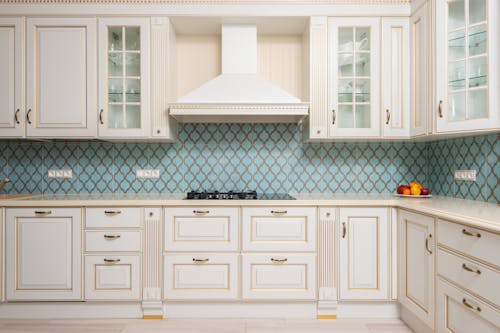
Those massive plaster or wood-wrapped range hoods once defined the modern farmhouse kitchen. But lately, they’re being replaced with sleeker, low-profile versions that blend into cabinetry. Homeowners want their kitchens to feel spacious and uncluttered, not dominated by one oversized feature. It’s a subtle move toward balance and proportion.
The change also ties into broader European influences in kitchen design. Seamless, integrated appliances and minimalist detailing are becoming the new markers of sophistication. Builders say clients now request hoods that disappear rather than announce themselves. The farmhouse ideal is evolving from bold statement to quiet elegance.
8. Whitewashed Brick Fireplaces
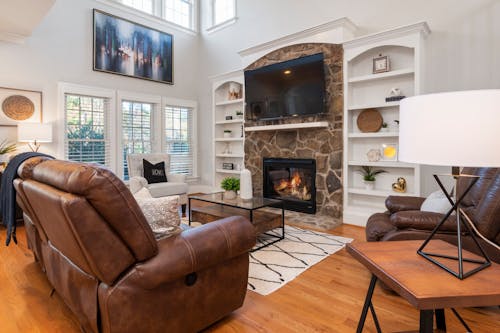
Whitewashed brick had a moment because it softened rough textures while keeping things bright. But it’s starting to feel overplayed, especially as color and warmth return to interiors. Designers are now embracing natural brick tones or darker limewashes that add coziness and contrast. The trend reflects a broader pivot toward embracing imperfection and material authenticity.
There’s also a sustainability angle—people are more interested in using existing materials as-is rather than covering them up. Natural patina and raw finishes feel more genuine and enduring. A fireplace that shows its age now feels more special than one that’s been painted to fit a trend. Modern farmhouse 2.0 values honesty in materials over polish.
9. “X” Motif Cabinetry and Furniture
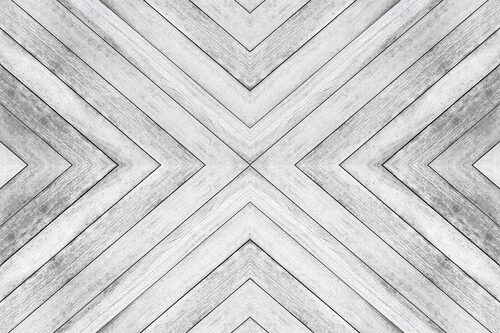
From coffee tables to island sides, those signature “X” wood patterns were once a quick visual shorthand for “farmhouse style.” But repetition has dulled their charm. Builders and designers now see them as a bit too literal and thematic, leaning toward cliché. In their place, cleaner paneling and subtle millwork are taking over.
The move reflects a shift toward understated craftsmanship. Instead of bold crosses, designers are celebrating joinery, grain, and proportion. The modern farmhouse aesthetic is still there—just more refined. Think quiet sophistication instead of overt rustic symbolism.
10. Rustic Sliding Hardware and Iron Accents
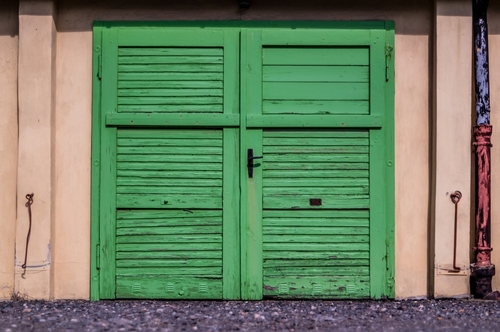
The heavy, industrial-style iron brackets and sliding door tracks that defined early farmhouse style are losing steam. They can make spaces feel cluttered and overly stylized. Today’s hardware trends lean toward concealed mechanisms and refined detailing that complement, rather than dominate, the architecture. Builders are finding that simplicity now communicates quality better than bulk.
This change also aligns with broader trends toward “soft minimalism.” Designers want warmth, but not weight. Brushed metals and lighter finishes are replacing dark, heavy iron. The farmhouse influence remains—but gentler, lighter, and more timeless.
11. “Gather” Signs and Script Wall Art
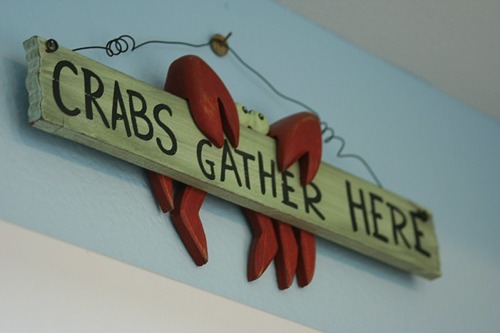
It’s hard to believe how quickly those farmhouse-style word signs became ubiquitous—and how fast they fell out of favor. What once felt homey and personal now reads as mass-produced and dated. Homeowners are moving toward more meaningful decor, like original art, textiles, or photography. The goal is to make a home feel collected, not copied.
The decline of scripted signage marks a broader move away from overt theme decor. People still want warmth and welcome—but they’re expressing it through texture, color, and craftsmanship. A well-placed vintage find or handmade piece tells a more personal story. The farmhouse aesthetic has grown up, and the slogans have come down.
12. Distressed Wood Flooring
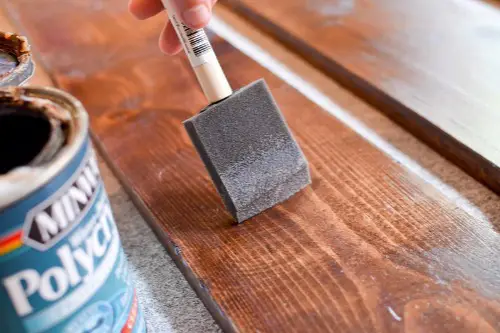
For years, hand-scraped and distressed wood floors were key to achieving that “lived-in” farmhouse vibe. But as cleaner, transitional looks take hold, smoother finishes are winning out. Homeowners want timeless floors that work across styles, not ones that commit them to a rustic narrative. Lighter stains and matte finishes now dominate new builds.
It’s not that texture is gone—it’s just subtler. Wire-brushed oak or lightly weathered finishes still provide character without feeling overdone. The focus has shifted toward durability and natural variation rather than manufactured distress. That small difference makes homes feel both current and classic.
This post 12 “Modern Farmhouse” Touches That Are Quietly Fading from New Builds was first published on Greenhouse Black.
