
1. Washington, D.C. to Raleigh

Washington, D.C. to Raleigh is pitched as a calmer, cheaper professional reset. The Research Triangle’s job market is genuinely strong. New arrivals sometimes underestimate how car-centric daily life becomes. The shift from dense transit to driving changes routines quickly.
Housing competition has intensified as more people discover the area. Neighborhood character varies widely, requiring careful scouting. Cultural amenities exist, but they’re more spread out than in D.C. Some movers miss the capital’s constant buzz and walkable neighborhoods.
2. New York City to Los Angeles
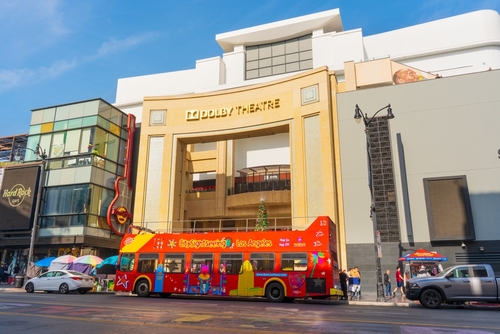
On paper, trading New York City winters for Los Angeles sunshine feels like a life upgrade. You imagine beach sunsets after work and a slower, happier pace. The reality check often arrives in the form of traffic that eats whole evenings. People are surprised that a city famous for sprawl can make daily life feel smaller, not bigger.
Cost expectations also get scrambled in ways spreadsheets don’t show. Rent may be comparable, but car ownership becomes mandatory and expensive. Social life can feel more fragmented because everything requires a drive. Many movers miss the walkability and accidental community that New York City makes effortless.
3. San Francisco to Austin

Leaving San Francisco for Austin is often framed as escaping sky-high housing costs. The promise is tech jobs, culture, and a friendlier price tag. New arrivals are caught off guard by how quickly Austin’s housing market has climbed. The sticker shock doesn’t disappear, it just changes categories.
Then there’s the climate adjustment that brochures rarely emphasize. Long stretches of intense heat reshape daily routines more than expected. Outdoor life shifts to early mornings and late nights just to stay comfortable. Some movers find they traded one pressure cooker for another, just with better barbecue.
4. Chicago to Miami
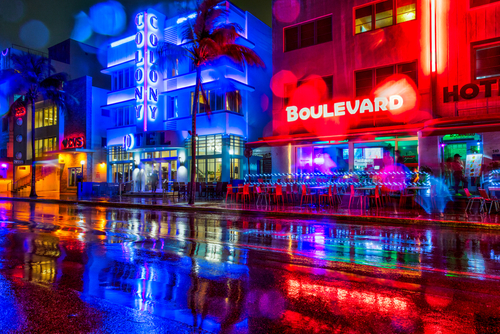
Chicago to Miami sounds like a permanent vacation upgrade. You picture ocean views replacing lake winds and gray winters. The humidity, however, hits like a wall and lingers for months. Everyday errands suddenly feel like workouts in a steam room.
Financial surprises also creep in beyond the headline tax benefits. Insurance costs, especially for cars and housing, can spike dramatically. Tourism-driven pricing affects dining and entertainment more than newcomers expect. Some transplants end up missing Chicago’s predictability and seasonal rhythm.
5. Seattle to Denver

Moving from Seattle to Denver promises sunshine and mountain access. The idea of swapping drizzle for blue skies is incredibly appealing. Altitude adjustment is real, and it can take weeks to feel normal. Even simple hikes feel tougher than Instagram suggests.
Denver’s growth has also reshaped its affordability story. Housing competition can be just as fierce as coastal cities. Outdoor recreation culture is amazing, but it’s also crowded. Some movers miss Seattle’s greenery and water-centric scenery more than they expected.
6. Boston to Nashville
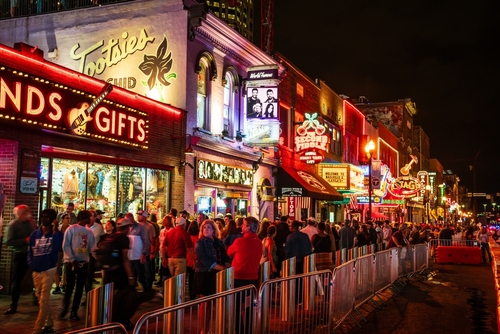
Boston to Nashville reads like a trade from old-school intensity to laid-back charm. Music, nightlife, and Southern hospitality look irresistible. Newcomers quickly learn that Nashville’s rapid growth has strained infrastructure. Commutes can stretch longer than anticipated for a smaller city.
Housing savings aren’t always as dramatic as relocation guides imply. Popular neighborhoods command premium prices driven by tourism and demand. The party-centric downtown vibe isn’t everyone’s daily lifestyle match. Some transplants miss Boston’s transit system and compact design.
7. Los Angeles to Phoenix

Los Angeles to Phoenix seems like a straightforward cost-of-living win. Bigger homes and desert sunsets look fantastic in listings. The extreme summer heat changes how you use your space and time. Outdoor life often pauses for months in peak season.
Energy bills climb when air conditioning runs nonstop. Car dependency remains, so transportation savings are limited. Social life can shift indoors more than movers expect. Some people realize they traded traffic stress for climate stress.
8. Minneapolis to Dallas
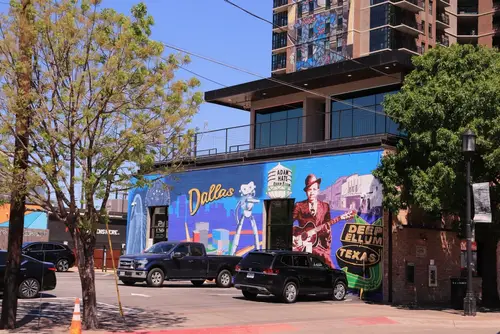
Minneapolis to Dallas promises an escape from brutal winters. The appeal of mild cold seasons is undeniable. Summer heat, though, becomes its own endurance test. Long stretches above 100°F reshape daily habits.
Sprawl introduces longer drives for work and social life. Housing variety is strong, but desirable suburbs fill quickly. Cultural differences can feel sharper than expected at first. Some transplants end up missing Minneapolis’s compact neighborhoods and lake culture.
9. Portland to Boise
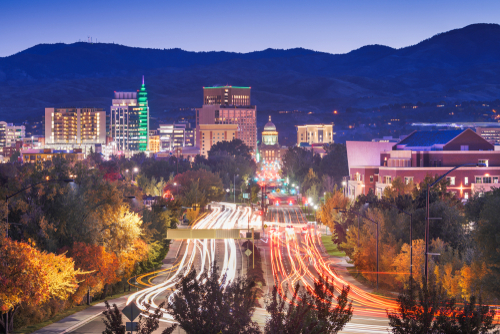
Portland to Boise looks like a move toward affordability and outdoor living. Boise’s scenery and smaller scale are big draws. Rapid population growth has tightened the housing market. Prices don’t always match the small-city expectations newcomers carry.
Public transit and urban amenities are more limited. Car reliance increases even for short trips. Social scenes can feel quieter than Portland’s eclectic vibe. Some movers miss the bigger city’s cultural density.
10. San Diego to Las Vegas
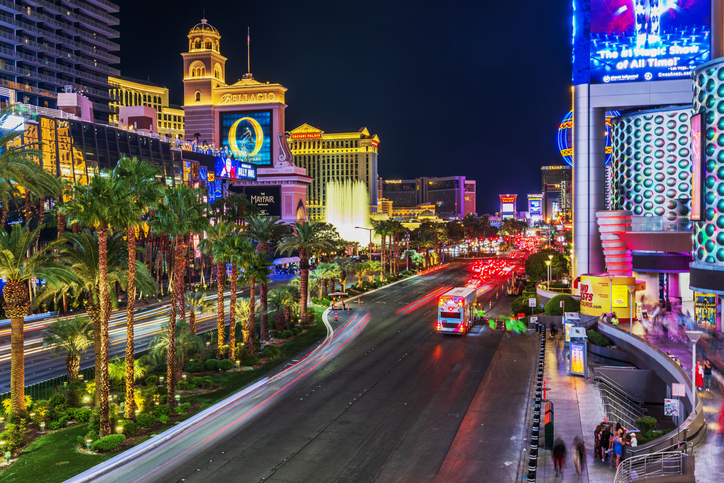
San Diego to Las Vegas is often framed as a tax-friendly upgrade. Housing appears cheaper and space more attainable. Desert heat again becomes the dominant lifestyle factor. Outdoor plans revolve around temperature windows.
Entertainment is abundant but heavily tourism-driven. Everyday services can feel priced for visitors. The lack of coastal weather surprises many transplants. Some people miss San Diego’s consistent climate more than they predicted.
11. San Francisco Bay Area to Salt Lake City
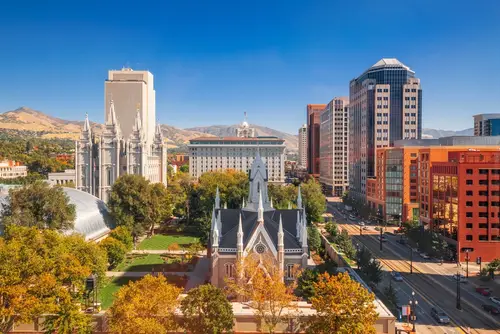
Leaving the Bay Area for Salt Lake City promises mountain access and lower costs. The tech presence makes the transition seem seamless. Housing demand has surged alongside job growth. The affordability gap has narrowed faster than many expect.
Cultural and lifestyle adjustments can feel significant. Alcohol laws and social norms differ from coastal cities. Outdoor access is incredible but seasonally dependent. Some movers miss the Bay Area’s diversity and ocean proximity.
12. New York City to Atlanta
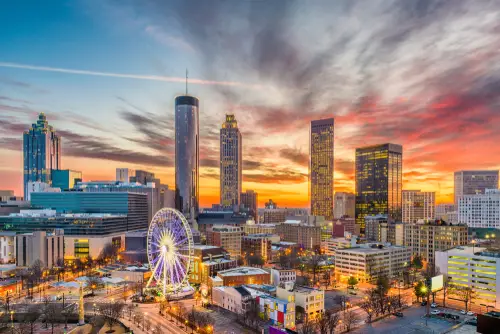
New York City to Atlanta reads like a spacious, affordable reinvention. Larger homes and warmer weather are big selling points. Traffic congestion catches many newcomers by surprise. Commutes can rival big-city travel times.
Neighborhood sprawl changes how social life is organized. Public transit coverage is more limited than expected. Cultural scenes are vibrant but geographically spread out. Some transplants miss New York City’s density and 24-hour energy.
This post 12 Moving Plans That Look Great on Paper and Collapse in Practice was first published on Greenhouse Black.
