
1. Inflatable Chairs
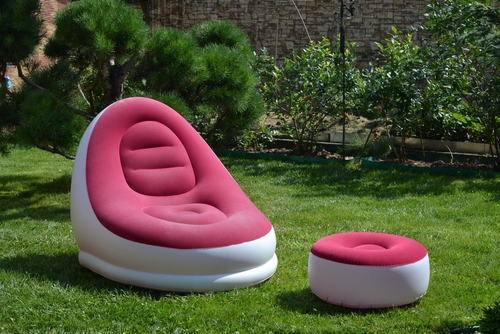
Remember those see-through inflatable chairs that looked like giant bubbles? Once a dorm room staple, they’re making a comeback as retro statement pieces in Gen Z–inspired interiors. Designers are drawn to their playful transparency and the way they catch light in modern minimalist spaces. Now, luxury versions are being made from high-quality vinyls and recycled plastics that won’t deflate overnight.
What used to cost $20 at a department store can now run into the hundreds when recreated by boutique designers. They’re especially popular in nostalgic studio apartments and influencer setups. The charm lies in their unapologetic fun factor—no one can sit in one without smiling. Even high-end brands are experimenting with inflatable furniture again, often calling it “postmodern chic.”
2. Lava Lamps
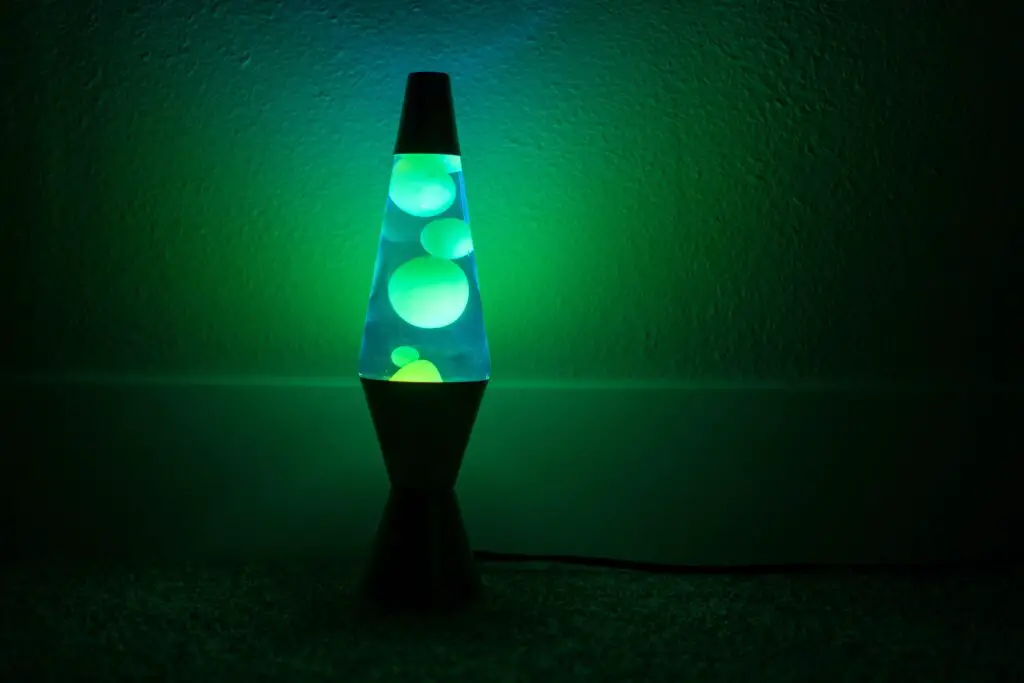
The hypnotic movement of lava lamps was pure 1990s bedroom magic, and they’re back in design catalogs. The slow blobs of colored wax create ambient light that feels comforting and quirky at once. Designers are using them to add texture and movement to spaces otherwise dominated by smart LEDs. The modern versions are sleeker, often using LED bulbs and tinted glass for a more sustainable glow.
What’s fueling their resurgence is the growing fascination with mood lighting and “dopamine decor.” A lava lamp instantly transforms a sterile space into something cozy and personal. It’s also a subtle nod to that carefree, pre-digital vibe. Nostalgia sells, and the lava lamp’s combination of whimsy and warmth hits the sweet spot.
3. Beaded Door Curtains
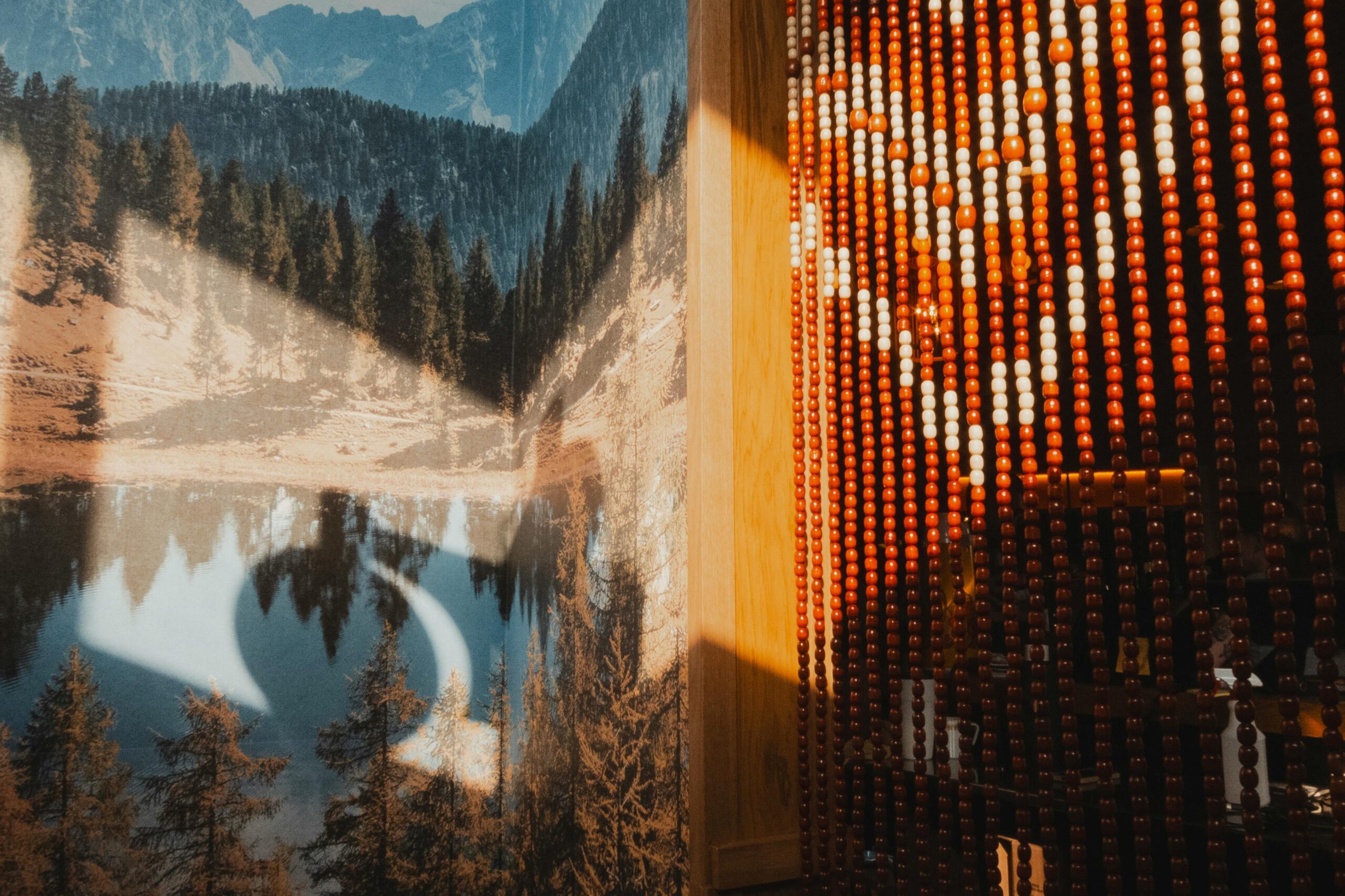
Nothing says ’90s teenager quite like beaded door curtains clinking in the breeze. They were part art, part privacy screen, and they’re trending again as texture pieces for boho-inspired homes. Designers are swapping cheap plastic for hand-carved wood or glass beads that shimmer elegantly in natural light. The sound and motion they bring to a room feel organic and comforting.
What was once kitsch is now craftsmanship. Modern beaded curtains are being custom-designed to divide open floor plans without walls. The visual rhythm adds both nostalgia and sophistication. They’re proof that the tactile elements of the ’90s can coexist beautifully with today’s open, airy spaces.
4. CD Towers
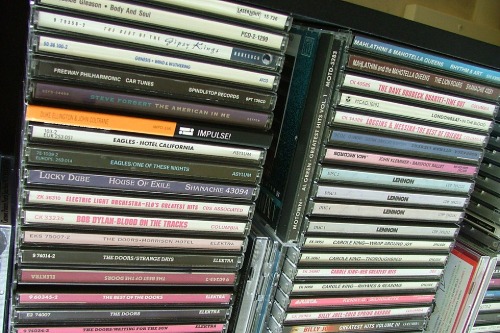
Before streaming, your CD tower was practically a personality statement. Today, designers are reimagining those vertical racks as sculptural displays or small-space storage. Their linear symmetry fits perfectly into the current obsession with modular furniture. Some high-end recreations are made of reclaimed wood or powder-coated steel, giving them an industrial edge.
They’re not just for CDs anymore—people use them to hold plants, candles, and art books. The nostalgia factor lies in their clear link to music discovery and individuality. Designers love the balance of form and function in a piece that still feels uniquely ’90s. It’s the perfect example of repurposed nostalgia that’s both practical and poetic.
5. Glass Block Walls
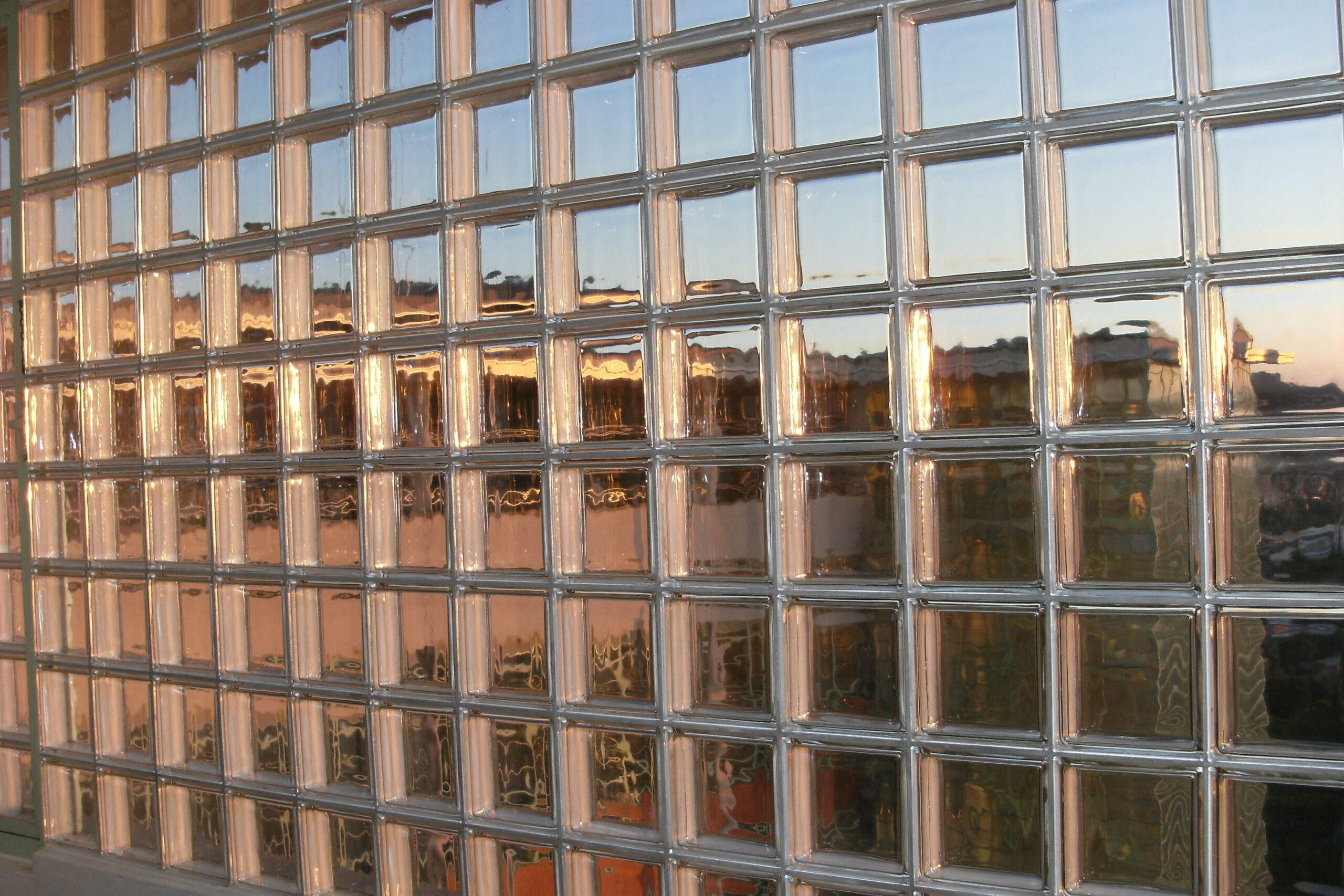
Glass block walls were the go-to architectural flex of late-’80s and ’90s suburban homes. They added light and privacy at the same time, and now they’re popping up in boutique hotels and urban lofts. Designers appreciate how they diffuse sunlight while maintaining structure. The new versions are more refined, often tinted or frosted to play with depth and color.
Their revival taps into the postmodern design trend dominating high-end interiors. Where once they screamed “basement bathroom,” now they whisper “art gallery cool.” The mix of retro geometry and clean translucence works beautifully in modern kitchens and showers. It’s nostalgia turned sophisticated.
6. Wicker Everything
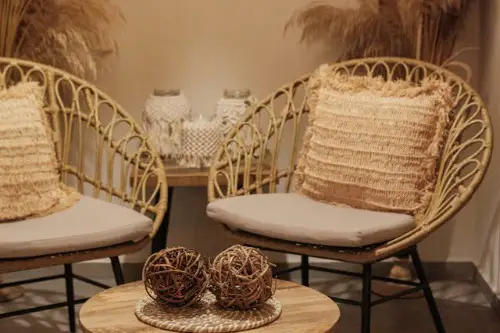
From peacock chairs to wicker side tables, woven furniture was everywhere in the ’90s. Now, designers are reclaiming wicker as a sustainable and artisanal material. The natural texture softens minimalist interiors, bringing warmth and nostalgia without clutter. It’s part of the larger eco-conscious design movement that values craftsmanship over mass production.
Vintage wicker pieces are now auctioned at premium prices. The appeal lies in their balance of durability and lightness—they feel organic, breathable, and timeless. Designers are pairing wicker with modern upholstery and glass for contrast. What was once beach house cliché is now bohemian luxury.
7. Pastel Telephones
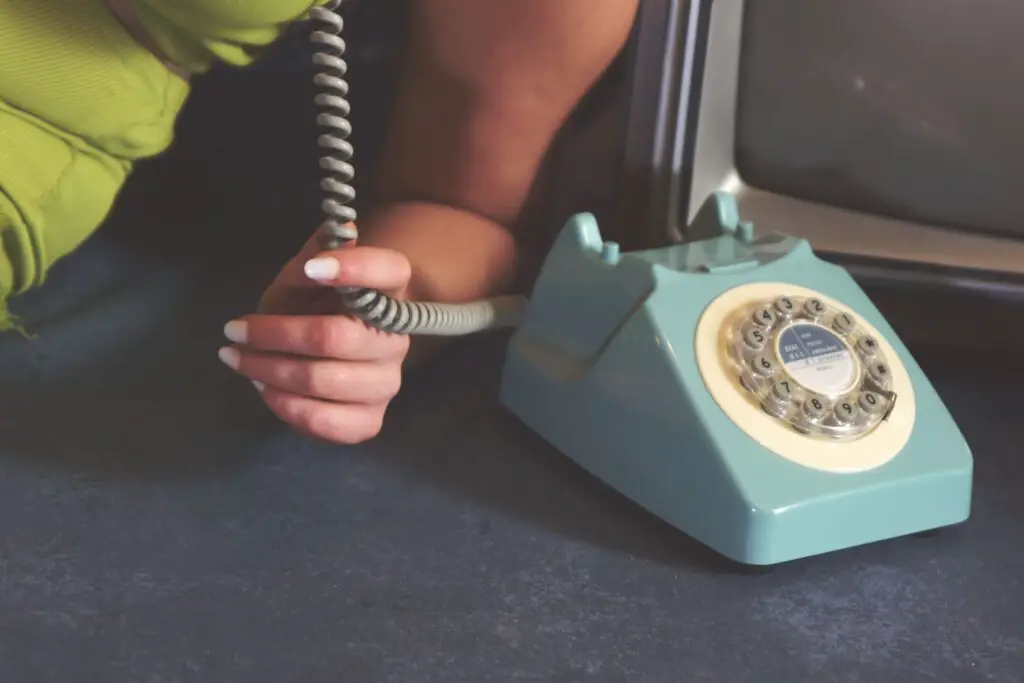
Those candy-colored landline phones—mint green, lavender, bubblegum pink—were icons of bedroom decor. With rotary dials gone, they’re being remade as Bluetooth-compatible art pieces. Designers love the playful pop of color they bring to an otherwise neutral palette. They double as conversation starters and nostalgic nods to simpler communication.
Collectors are paying top dollar for authentic models from brands like Trimline and AT&T. Their curves and matte finishes fit perfectly with the 2020s’ soft, rounded design trend. Reproductions keep the aesthetic alive while updating the tech. It’s retro charm without the tangled cords.
8. Shag Rugs
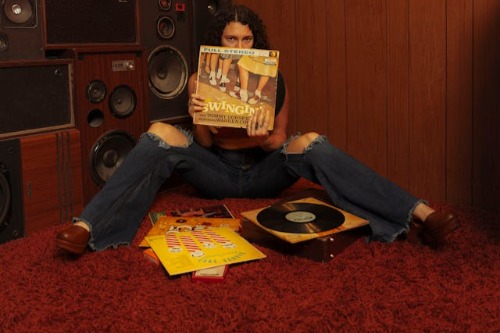
Few things say “’90s living room” like a thick shag rug underfoot. Once considered outdated, shag is back in bold patterns and eco-friendly materials. Designers are choosing longer fibers and neutral tones for texture that feels luxe rather than loud. The new shag works as a tactile anchor in minimalist interiors.
The comeback is about comfort and sensory design—people want their homes to feel soft again. Modern versions use sustainable fibers like wool or bamboo, giving them a fresh twist. The nostalgia is less about color and more about coziness. It’s a piece that literally grounds the room in warmth.
9. Neon Signs
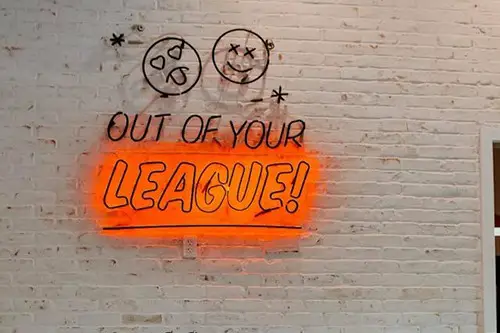
Whether it spelled out “Open” or your favorite band’s name, neon signs defined teenage rebellion in the ’90s. Today, custom LED versions mimic that glow without the fragility or power drain. Designers are incorporating them into bars, kitchens, and even bedrooms to add humor and color. The glow instantly injects energy into any modern space.
The trend’s revival reflects a cultural craving for authenticity and self-expression. A custom neon sign feels nostalgic but still very now. It bridges personal identity with visual statement. Even upscale interiors are embracing a single glowing phrase as wall art.
10. TV Armoires
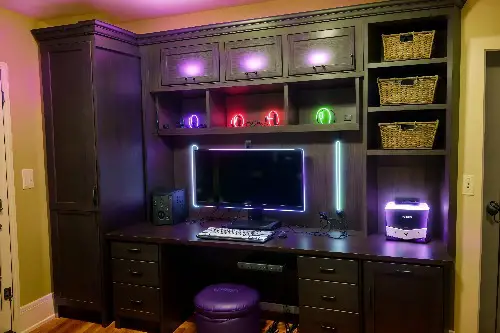
Back before flat screens, the entertainment center was furniture royalty. These heavy wooden armoires hid bulky TVs and stacks of VHS tapes. Designers are reviving the concept to create enclosed storage for tech-heavy spaces. The modern versions conceal cables, consoles, and routers behind elegant doors.
What’s appealing again is the ability to “close off” technology when you’re done. It restores calm and order in a world of constant screens. Many designers repurpose vintage armoires into coffee bars or linen cabinets. The blend of nostalgia and utility makes them irresistible.
11. Terrazzo Counters
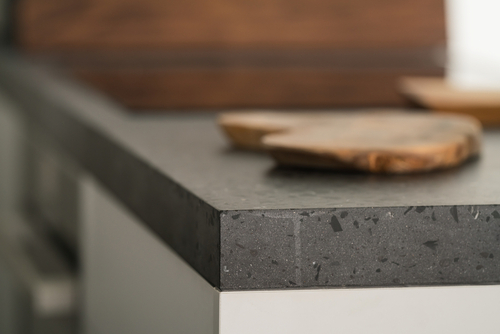
Terrazzo—those speckled countertops and floors that dominated the late ’90s—has returned with a vengeance. Designers love its playful mix of marble, glass, and stone chips. It’s sustainable, durable, and visually dynamic, perfect for both retro and modern settings. The material has evolved with new color palettes and finer textures.
The revival is part of a larger shift toward nostalgic materials with longevity. Today’s terrazzo is often handmade, reflecting artisan quality. It ties back to the ’90s obsession with pattern and experimentation. Designers are using it in kitchens, bathrooms, and even tabletops again.
12. Blow-Mold Lamps
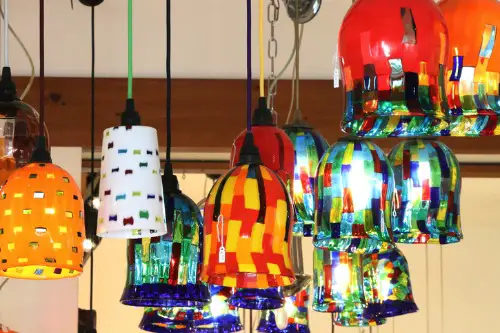
Those funky plastic lamps—think palm trees, flamingos, or aliens—were peak novelty decor. Designers now treat them as collectible pop art. Their playful shapes and saturated colors bring humor to otherwise serious spaces. Updated versions use LED lighting and recycled plastic for sustainability.
The appeal lies in their unapologetic kitsch factor. They remind people that decor doesn’t always have to be serious. Interior designers use them to break up sterile modern aesthetics. It’s nostalgia with a wink and a glow.
13. Wall-to-Wall Carpeting
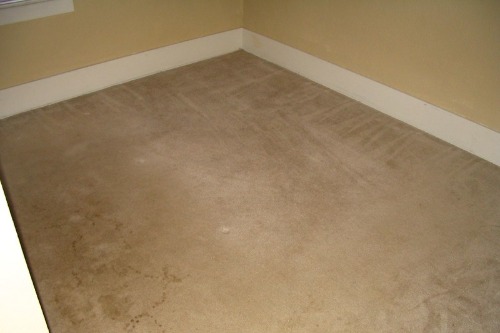
Once banished in favor of hardwood, wall-to-wall carpeting is back with designer approval. Modern iterations are low-pile, stain-resistant, and sustainably made. Designers argue it brings acoustic warmth and comfort to spaces dominated by open-plan living. The softness underfoot is a tactile throwback to cozy ’90s family rooms.
The revival isn’t about beige anymore—it’s about bold colors and custom patterns. Think deep moss green or retro geometrics. It’s functional, luxurious, and familiar all at once. A reminder that comfort never really goes out of style.
14. Vertical Blinds
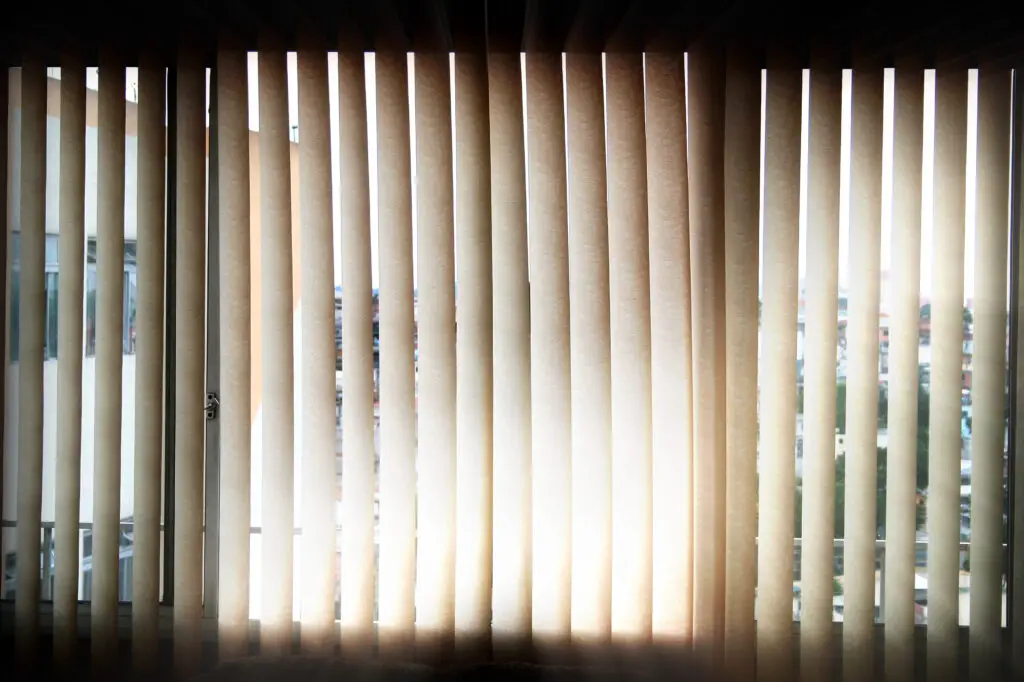
Yes, those slightly noisy blinds you tugged open every morning are back—but better. Designers are reintroducing them with softer fabrics, matte finishes, and sleek rails. They offer privacy and light control in one swoop, which suits modern apartments perfectly. The movement of vertical blinds adds a subtle rhythm to a room.
Their return fits into the minimalist-meets-nostalgic movement. They’re practical, sculptural, and deeply recognizable. Instead of feeling dated, they now feel architectural. It’s all about refining what once felt utilitarian.
15. Track Lighting
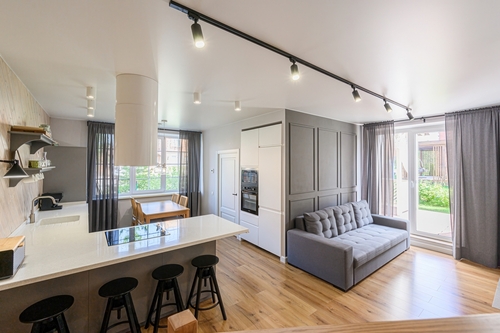
Track lighting was the futuristic lighting choice of every ’90s kitchen and gallery wall. Now it’s being reengineered with slim, magnetic tracks and adjustable LED heads. Designers love how flexible it is—you can spotlight art, shelving, or cozy nooks. It’s both nostalgic and thoroughly modern.
The design appeal lies in its versatility and geometry. Minimalist black or brushed metal finishes make it chic again. It’s a quiet nod to the ’90s fascination with “techy” interiors. Once clunky, now cutting-edge, track lighting has come full circle.
This post 15 Nostalgic Decor Pieces from the ’90s That Designers Are Paying Big Money to Recreate was first published on Greenhouse Black.
