
1. Art Glass Pieces
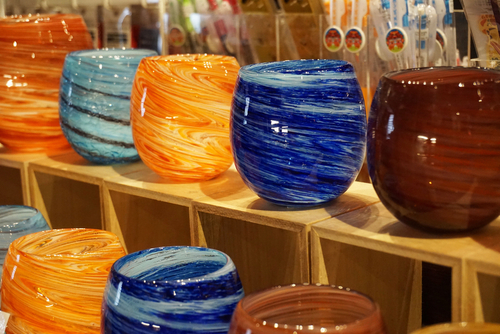
Collectors spot hand-blown glass by weight and internal bubbles. Studios like Murano or Blenko developed recognizable styles. Color layering reveals craftsmanship. Others may just see decorative glass.
Collectors examine pontil marks and symmetry. Handmade irregularities confirm authenticity. These pieces showcase artisan skill. Each object captures controlled molten artistry.
2. Vintage Pyrex Bakeware
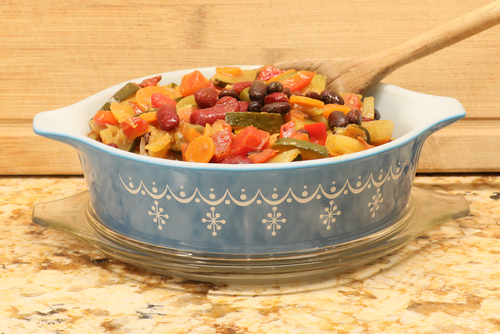
Collectors spot older Pyrex by its distinctive colors and printed patterns. Mid-century designs like Gooseberry or Butterprint were produced in limited runs compared to modern glassware. These pieces reflect postwar American kitchen design trends. Many shoppers see colorful bowls, while collectors see cultural artifacts.
Pattern condition matters because fading or scratches affect value. Collectors look for bright graphics and intact gloss. Certain color combinations were exclusive to specific markets or years. That rarity turns everyday cookware into collectible history.
3. Mechanical Wristwatches
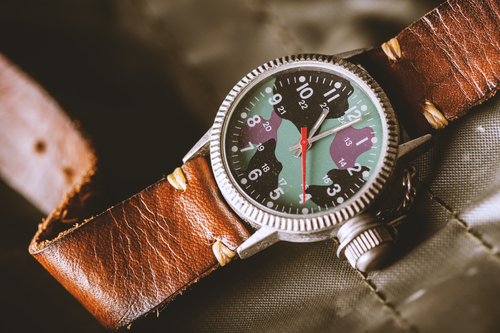
Collectors gravitate toward older mechanical watches because they represent precision engineering. Brands like Omega or Seiko produced movements that can still function decades later with servicing. Mechanical watches predate quartz dominance and showcase craftsmanship. Casual buyers may overlook them as outdated.
Collectors assess originality, including hands, dials, and crowns. Replacement parts can reduce historical integrity. A well-preserved movement tells a story of maintenance and longevity. These watches are appreciated as miniature machines, not just timekeepers.
4. Vinyl Records
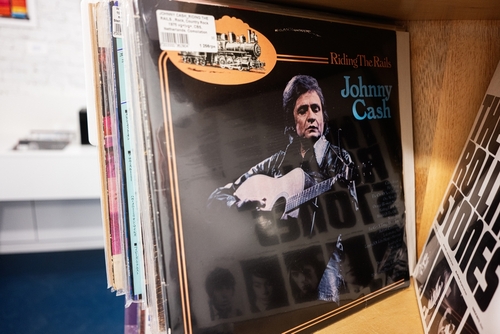
Collectors quickly scan record bins for original pressings. First pressings often feature different mastering, labels, or packaging details. These versions can offer better sound quality or historical relevance. To others, it’s just old music media.
Condition is everything, from sleeve wear to surface scratches. Collectors grade records carefully to preserve playability. Certain pressings become valuable due to small production quirks. Each record becomes both a listening experience and a collectible artifact.
5. Fountain Pens
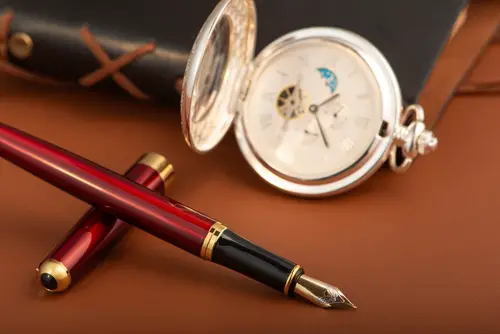
Collectors notice fountain pens for their materials and filling systems. Vintage pens often used celluloid patterns no longer produced today. Brands like Parker and Sheaffer experimented with innovative mechanisms. Many shoppers see outdated writing tools.
Collectors test nib flexibility and smoothness. Original components increase desirability. These pens represent both artistry and mechanical ingenuity. Writing with one connects users to a tactile past.
6. First Edition Books
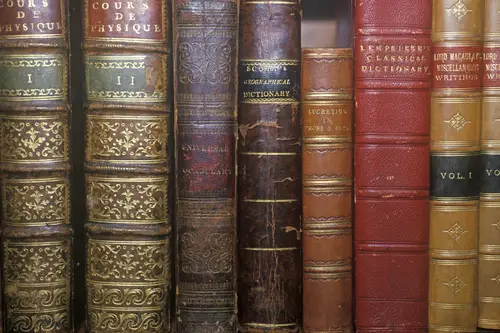
Collectors immediately check copyright pages for edition statements. First printings represent the closest version to an author’s original release. Publishers use specific numbering systems that reveal print runs. Most readers overlook these publishing clues.
Condition dramatically influences collectibility. Dust jackets, if present, are especially important. A true first edition preserves literary history. Collectors value both story and provenance.
7. Antique Maps
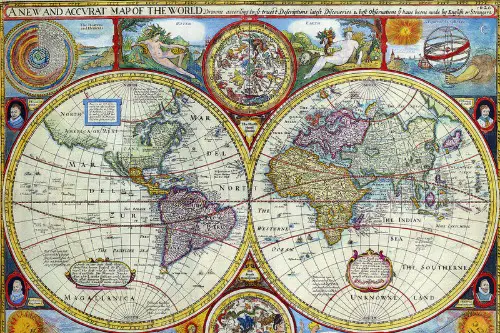
Collectors recognize engraving styles and paper aging that indicate authentic maps. Early maps were often hand-colored and printed using copper plates. These production methods create distinctive textures. Casual buyers may see decorative wall art.
Collectors examine margins and folds for originality. Authentic maps reflect historical geography and political boundaries. Even inaccuracies tell a story of exploration. Each piece becomes a snapshot of how people once understood the world.
8. Mid-Century Modern Furniture
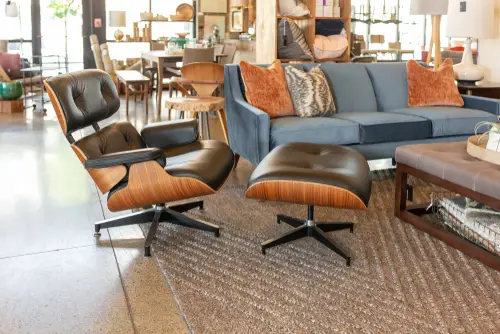
Collectors identify furniture by silhouette, joinery, and materials. Designers like Eames or Knoll popularized clean lines and functional aesthetics. These pieces reflect postwar design philosophy. Many shoppers just see old furniture.
Collectors look for original finishes and hardware. Restorations can affect value if poorly executed. Authentic construction signals design heritage. These objects blend usability with art.
9. Film Cameras

Collectors spot analog cameras for their build quality and lens systems. Mechanical cameras from brands like Nikon or Leica were engineered for longevity. Many still function without batteries. To others, they’re obsolete gadgets.
Collectors test shutter response and lens clarity. Original accessories enhance appeal. Film cameras capture a tactile photographic experience. They represent a hands-on era of image making.
10. Porcelain Figurines
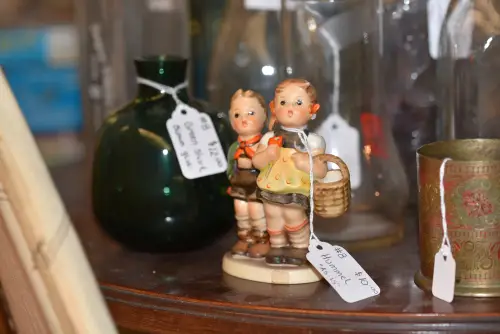
Collectors recognize maker styles and sculpting details. Brands such as Lladró or Hummel developed signature aesthetics. These figurines often reflect cultural themes. Casual buyers may see simple decorations.
Collectors inspect for chips or repairs. Even small damage affects desirability. Authentic pieces carry identifiable marks. Each figurine becomes a miniature artwork.
11. Vintage Advertising Signs
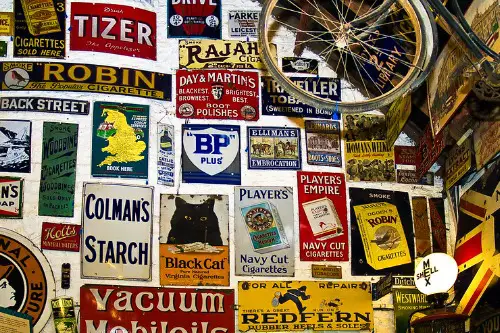
Collectors notice typography, materials, and branding. Enamel or tin signs were built for durability and visual impact. These signs document commercial history. Most shoppers just see retro décor.
Collectors assess rust, fading, and originality. Reproductions lack period construction methods. Authentic signs evoke specific eras. They serve as snapshots of consumer culture.
12. Comic Books
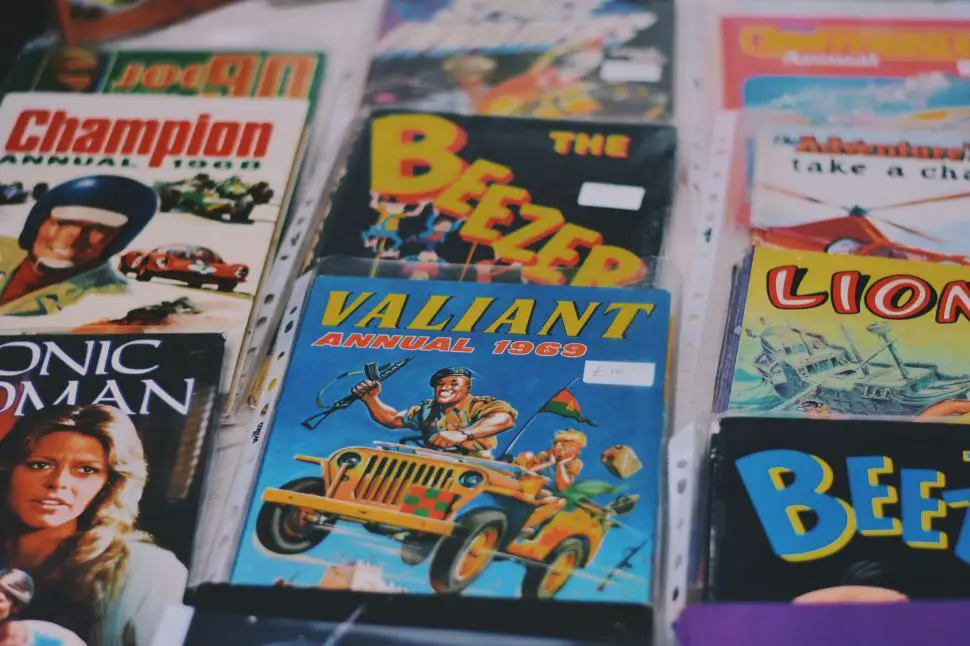
Collectors identify key issues by cover art and publication details. First appearances of characters often drive value. Comics reflect storytelling trends and social themes. Casual readers may miss these milestones.
Condition grading is meticulous. Collectors check spine wear and page color. Preservation maintains both readability and value. Each issue is a piece of pop culture history.
13. Cast Iron Cookware

Collectors immediately recognize older cast iron pans by their weight, surface texture, and machining marks. Brands like Griswold and Wagner produced cookware with smoother cooking surfaces than many modern pans. These characteristics indicate manufacturing methods that changed in the mid-20th century. To most buyers it’s just an old skillet, but collectors see craftsmanship that’s hard to replicate.
Condition plays a major role in desirability and usability. Collectors check for cracks, excessive pitting, or wobbling bases. A well-preserved pan can still cook beautifully after a century. That combination of durability and history makes these pieces highly sought after.
14. Mechanical Typewriters
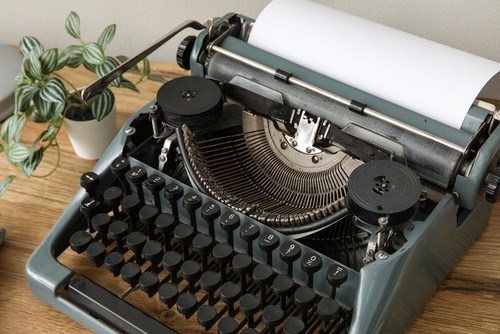
Collectors notice brand engineering and keyboard feel. Companies like Underwood and Royal built machines for decades of use. Each model reflects technological evolution. Casual buyers see outdated office equipment.
Collectors test key action and platen condition. Original decals increase desirability. Typewriters offer tactile writing satisfaction. They embody mechanical ingenuity.
15. Vintage Board Games
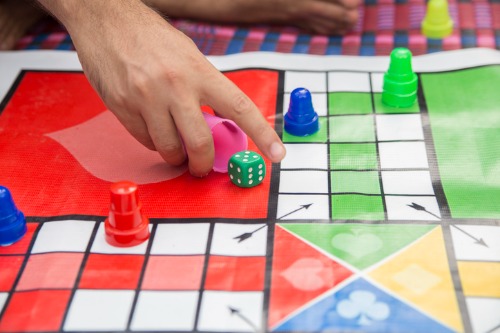
Collectors recognize artwork styles and manufacturer logos. Early board games often featured illustrated boxes that doubled as display pieces. Components varied by edition. Most shoppers see worn family games.
Collectors check completeness and printing variations. Missing pieces reduce collectibility. Original sets preserve social history. These games capture how people once gathered to play.
This post 15 Objects Collectors Notice That Everyone Else Misses was first published on Greenhouse Black.
