
1. Antique Bottles
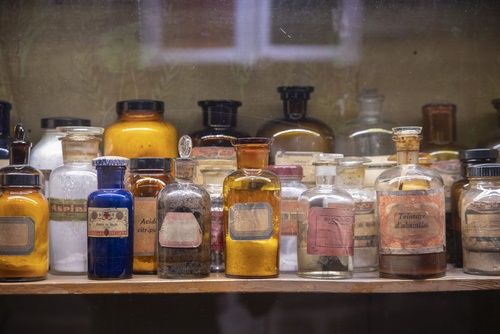
Old glass bottles dug up in a yard might seem like trash. However, pre-1900 hand-blown bottles with pontil marks are collected by specialists. Unique shapes, embossing, and unusual colors like cobalt or amber increase desirability. Medicine and soda bottles are especially popular categories.
Dealers evaluate age, condition, and rarity. Air bubbles and irregular seams can indicate earlier manufacturing methods. Bottles tied to specific regional companies also attract niche collectors. That dusty shard of glass might actually be categorized as valuable inventory.
2. First-Generation iPods
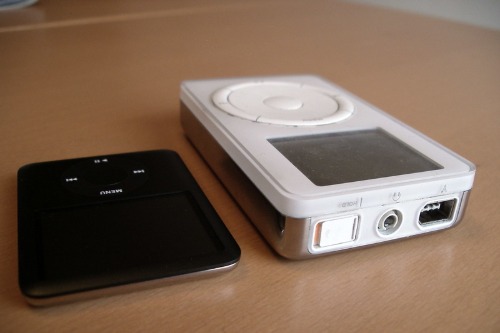
That old, chunky music player in your drawer may look obsolete, but dealers see something different. The first-generation Apple iPod from 2001, with its mechanical scroll wheel, marked a turning point in digital music. Because many were heavily used, fully functioning early models are relatively scarce. Original packaging and accessories make them even more desirable.
Collectors value these devices for their role in reshaping consumer tech. As one of the products that helped cement Apple’s dominance, early iPods represent a cultural shift. Working batteries and intact screens matter, since replacements can affect authenticity. What feels outdated to you might be prime inventory to a tech memorabilia dealer.
3. Old Cast Iron Skillets
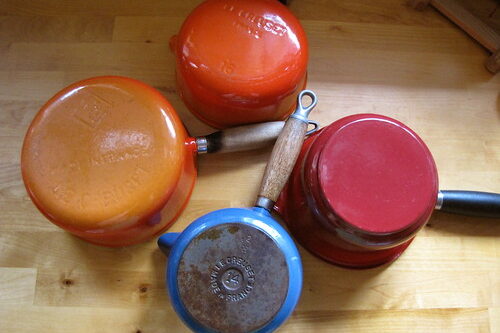
A rusty skillet at a yard sale often gets dismissed as kitchen junk. Dealers, however, flip it over and check for stamps like Griswold or Wagner. These 19th- and early 20th-century manufacturers produced lighter, smoother pans that many cooks still prefer. Even worn pieces can be restored with proper seasoning.
The value lies in craftsmanship and performance. Older cast iron was often milled smoother than many modern mass-produced pans. Certain logos and eras are more collectible, especially pieces made before company buyouts in the mid-20th century. So while you see rust, a dealer sees a restorable asset with a loyal buyer base.
4. Mid-Century Modern Furniture
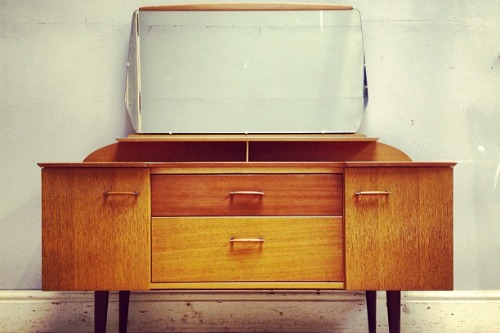
That low, boxy dresser might look dated, but it could be a mid-century gem. Designers like Eames and Paul McCobb shaped a minimalist aesthetic that remains popular today. Authentic pieces often feature solid wood construction and clean lines. Even unmarked items from the 1950s and 1960s can attract serious interest.
Dealers care about construction quality and design lineage. Dovetail joints, original hardware, and manufacturer labels can all affect resale value. Mid-century furniture fits neatly into contemporary interiors, which keeps demand steady. What feels like grandma’s old sideboard may actually be in-demand inventory.
5. Vintage Costume Jewelry
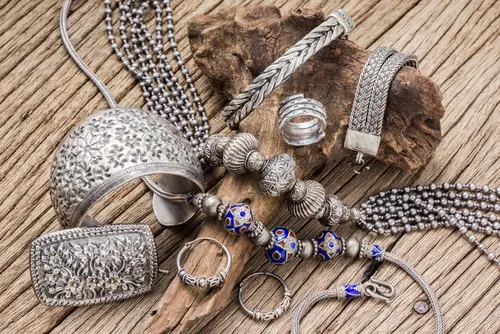
Tangled costume jewelry often ends up in donation bins. But signed pieces from brands like Trifari or Coro are actively collected. Mid-century designers used high-quality plating and detailed settings that rival fine jewelry in appearance. Certain limited lines can fetch surprisingly strong prices.
Dealers look for maker’s marks on clasps and the backs of brooches. Condition matters, especially intact rhinestones and minimal tarnish. Because fashion cycles repeat, bold vintage styles regularly come back into demand. That glittery jumble may be more curated inventory than clutter.
6. Old Comic Books
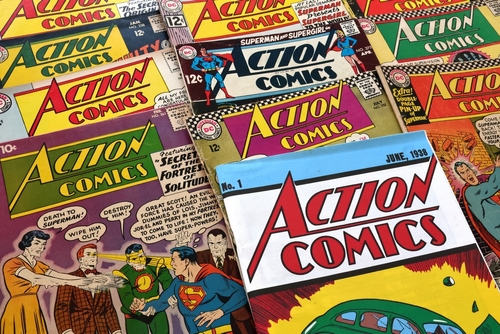
A stack of old comics in a basement might seem like paper waste. Yet early issues from publishers like Marvel Comics and DC Comics are some of the most traded collectibles in the world. First appearances of major characters are especially valuable. Even lower-grade copies can hold substantial worth depending on rarity.
Condition is everything in this market. Dealers assess page quality, cover gloss, and whether staples are intact. Key issues tied to character debuts or major story arcs drive demand. What looks like old newsprint can represent a serious line item in a dealer’s inventory.
7. Vintage Cameras
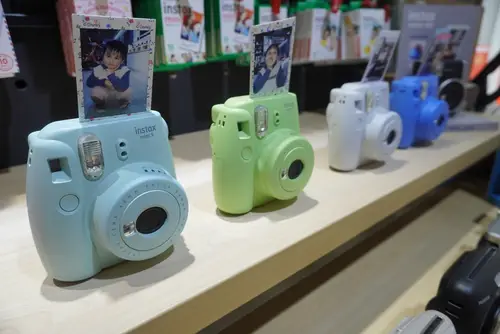
Film cameras often gather dust in closets. But brands like Leica and Polaroid remain collectible for both their engineering and cultural impact. Mechanical rangefinders and early instant cameras are especially sought after. Even nonworking units can be valuable for parts or restoration.
Collectors value craftsmanship and historical significance. Certain Leica models are known for precision manufacturing and limited production runs. Early Polaroid models capture a specific technological moment in photography history. Dealers see more than an outdated gadget; they see demand from enthusiasts and photographers.
8. Vintage Pyrex Mixing Bowls
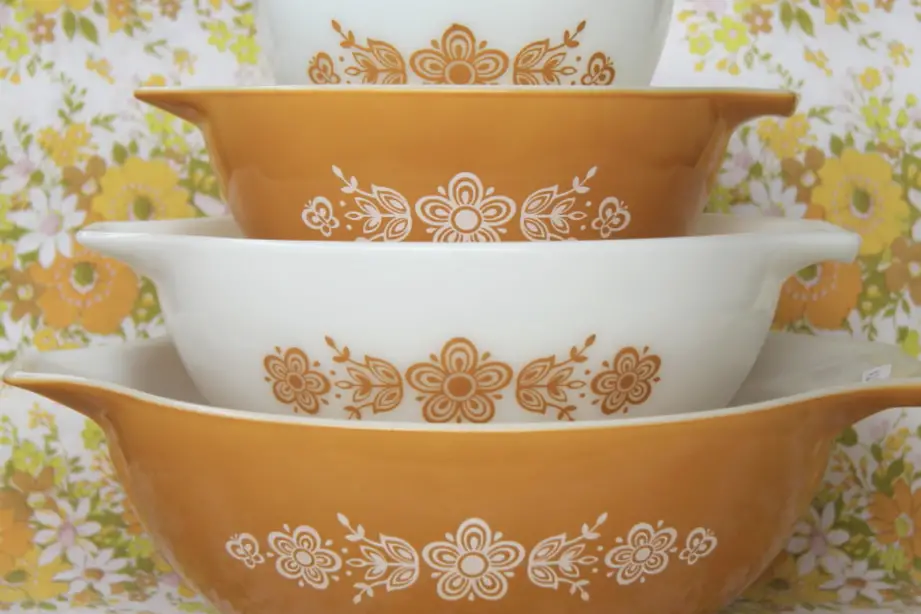
If you grew up with colorful stacked bowls in your kitchen, you might assume they’re just old cookware. But mid-century Pyrex mixing bowls, especially in patterns like “Gooseberry” or “Butterprint,” are highly collectible. Dealers treat complete nesting sets as serious inventory because collectors want matching colors and minimal wear. Even small details, like the presence of the original gloss and lack of dishwasher damage, can significantly affect value.
The reason these bowls matter is tied to mid-century design trends and nostalgia. Produced heavily in the 1940s through the 1970s, they represent a specific era of American home life. Certain colorways were limited to particular retail chains, which makes them scarcer today. That’s why what looks like chipped kitchen clutter can quietly command strong resale prices.
9. Vinyl Records
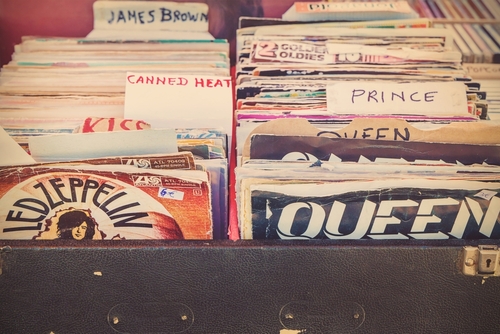
Crates of vinyl can look bulky and outdated. But original pressings from artists like The Beatles or David Bowie remain in steady demand. First pressings, certain label variations, and limited releases drive collector interest. Even less famous artists can surprise you if the pressing was small.
Dealers check matrix numbers etched near the center label to confirm early pressings. Sleeve condition and whether the record has scratches also affect value. The ongoing vinyl revival has strengthened resale markets worldwide. What feels obsolete to you might be a carefully tracked inventory item.
10. Military Surplus Items
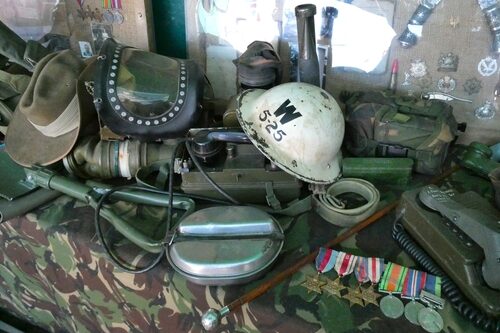
Old military gear stored in attics can seem purely utilitarian. Yet authentic surplus from conflicts like World War II is actively collected. Helmets, field jackets, and insignia tied to specific units can be especially valuable. Provenance dramatically increases desirability.
Dealers carefully check for original markings and period-correct materials. Reproductions are common, so authenticity is critical. Items with documented service history carry more weight in the market. What appears to be worn-out gear can be cataloged as historically significant inventory.
11. Old Advertising Signs
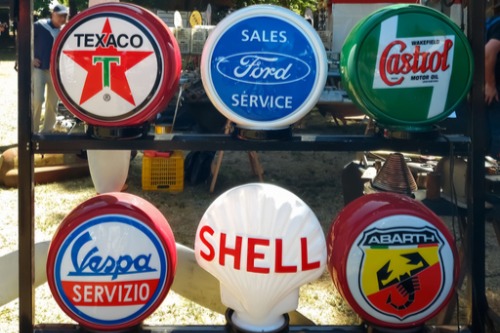
Rusty metal signs might look like garage clutter. But authentic porcelain or tin signs promoting brands like Coca-Cola or Texaco are widely collected. Bright graphics and recognizable logos make them display-ready decor pieces. Original condition, even with patina, can be preferable to restoration.
Dealers assess age through construction methods and mounting holes. Reproduction signs are common, so weight and enamel quality matter. Regional advertising pieces can be especially scarce. That weathered sign could be prime inventory in a vintage advertising booth.
12. Retro Video Game Cartridges
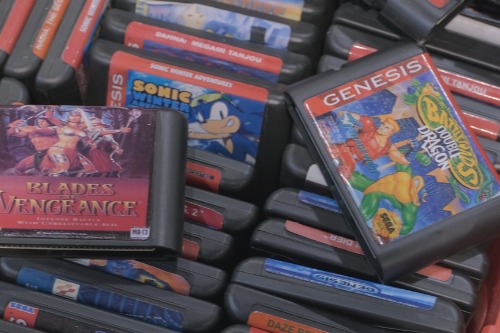
A box of old game cartridges may look like outdated plastic. Yet early releases for systems like the Nintendo Entertainment System are highly collectible. Certain limited-run titles and factory-sealed copies can command premium prices. Even loose cartridges can be valuable if the game was distributed in small numbers.
Dealers pay attention to label condition and production variations. Early print runs sometimes have distinct design differences that affect value. Nostalgia continues to fuel demand among collectors who grew up in the 1980s and 1990s. What seems like childhood clutter may be carefully tracked as resale inventory.
This post 12 Objects People Mistake for Junk That Dealers Call “Inventory” was first published on Greenhouse Black.
