
1. Vintage Metal Toolboxes
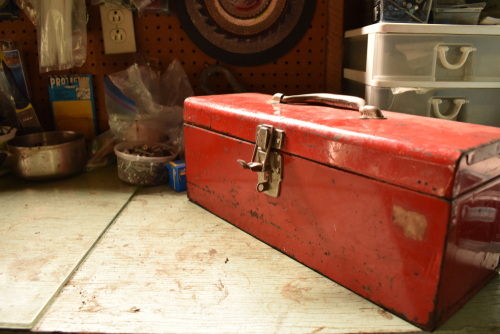
Old metal toolboxes from brands like Craftsman or Kennedy have become surprisingly collectible. Their heavy-gauge steel and retro paint colors appeal to people restoring workshops or building displays. Many were tossed out when plastic tool cases became the norm, making earlier versions harder to find. Collectors now pay for models with intact trays, original logos, and minimal rust.
They’re often used as décor pieces in garages, studios, and even cafes, which drives demand. Restorers especially like the satisfying clamshell or cantilever designs, which have mostly disappeared from modern tools. Prices can rise quickly if the box still has its original manufacturer badge. The nostalgia factor makes them feel like a connection to a more hands-on era.
2. Old Oil and Gas Company Signs
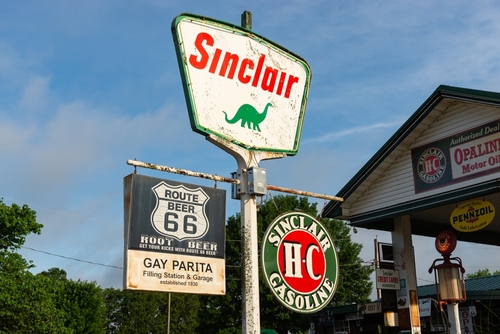
Enamel and tin signs from companies like Texaco, Shell, and Sinclair routinely sell for real money. These signs were once considered workplace clutter and often left to rust behind old garages. Today, collectors look for bright colors, recognizable logos, and minimal surface damage. Even small signs that hung over workbenches can attract interest.
One reason they’re valuable is that each piece doubles as both advertising history and Americana. Gas station memorabilia—called “petroliana”—has a dedicated community of buyers. Original porcelain-coated signs typically command higher prices than later reproductions. Condition matters a lot, and even chipped pieces can sell if the graphics remain clear.
3. Cast-Iron Car Jacks
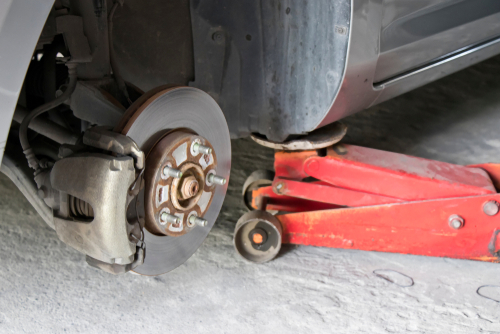
Early cast-iron automotive jacks from the mid-20th century have become sought after by car enthusiasts. Brands like Blackhawk and Walker made durable models that were once standard in home garages. Many were thrown out when safer, lighter hydraulic jacks appeared. Now collectors appreciate these tools as artifacts from the golden age of American car culture.
They’re especially valued when the mechanisms still move freely. Some buyers use them as display pieces near restored vintage cars. Others like the industrial look, which fits well in themed workshops. Original decals or stamped logos can increase the price significantly.
4. Metal Oil Cans with Spouts
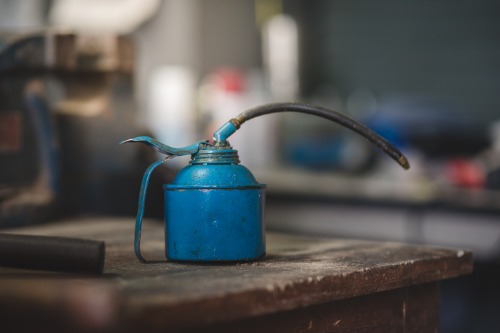
Before plastic containers took over, oil came in sturdy metal cans with long, curved spouts. These cans were frequently dented, emptied, and tossed, so surviving ones are harder to find. Collectors look for clean graphics, original paint, and intact spouts. Even small one-pint versions can command good prices.
People like them because they show the evolution of packaging and branding. Some enthusiasts repurpose them as display pieces in dens or garages. They pair well with restored gas pumps or classic tool collections. The more recognizable the brand, the more interest the can tends to draw.
5. Vintage License Plates
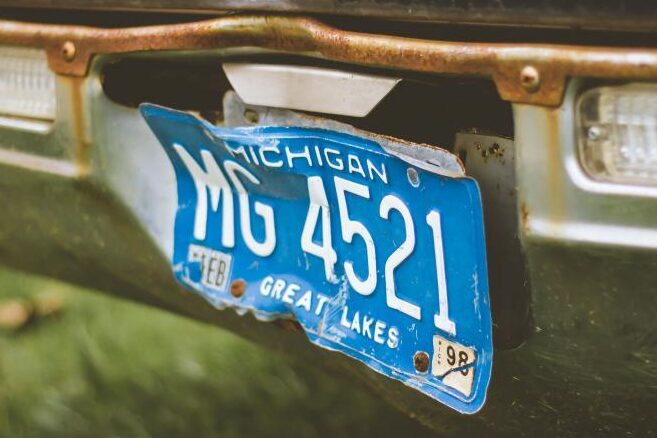
Stacks of old license plates used to sit ignored in garage corners. Many states issued embossed steel or aluminum plates with distinctive color schemes. Collectors now seek out year-specific or state-specific designs, especially those tied to classic car production eras. Scarce styles like early reflective plates can raise values.
They’re popular because they’re easy to display and collect in sets. Some people frame them or use them in garage décor projects. Others hunt for plates that match the year of their restored vehicles. Condition, legibility, and rarity remain the biggest pricing factors.
6. Hand-Crank Drills
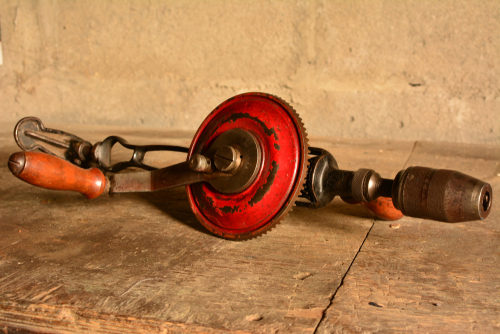
Before electric drills became common, the hand-crank drill was a workshop staple. These drills were built with surprisingly precise gears and durable hardwood handles. Many ended up forgotten when power tools took over. Collectors now appreciate the craftsmanship and mechanical simplicity.
People often buy them to display as examples of early tool engineering. Some woodworkers even use them for delicate tasks where they want more control. Clean gear mechanisms and intact handles make a piece much more desirable. Branded models from companies like Stanley often fetch higher prices.
7. Automotive Emblems and Badges
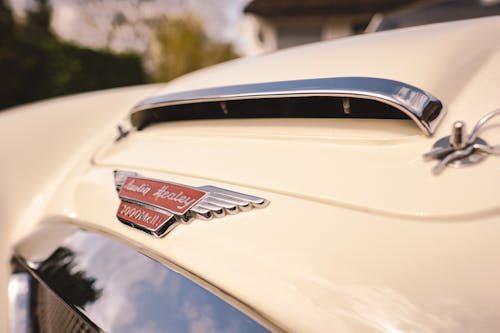
Car emblems and hood ornaments often got tossed into garage drawers after repairs. Many were made of chrome-plated metal with intricate detailing. Today, collectors seek out logos from discontinued brands like Pontiac, Oldsmobile, or Mercury. Limited-run performance models make their badges even more valuable.
These pieces appeal because they connect directly to automotive history. Restorers need original emblems to finish period-correct rebuilds. Even well-worn badges can bring money if they’re hard to find. Their small size makes them easy for enthusiasts to display.
8. Wooden Tool Handles
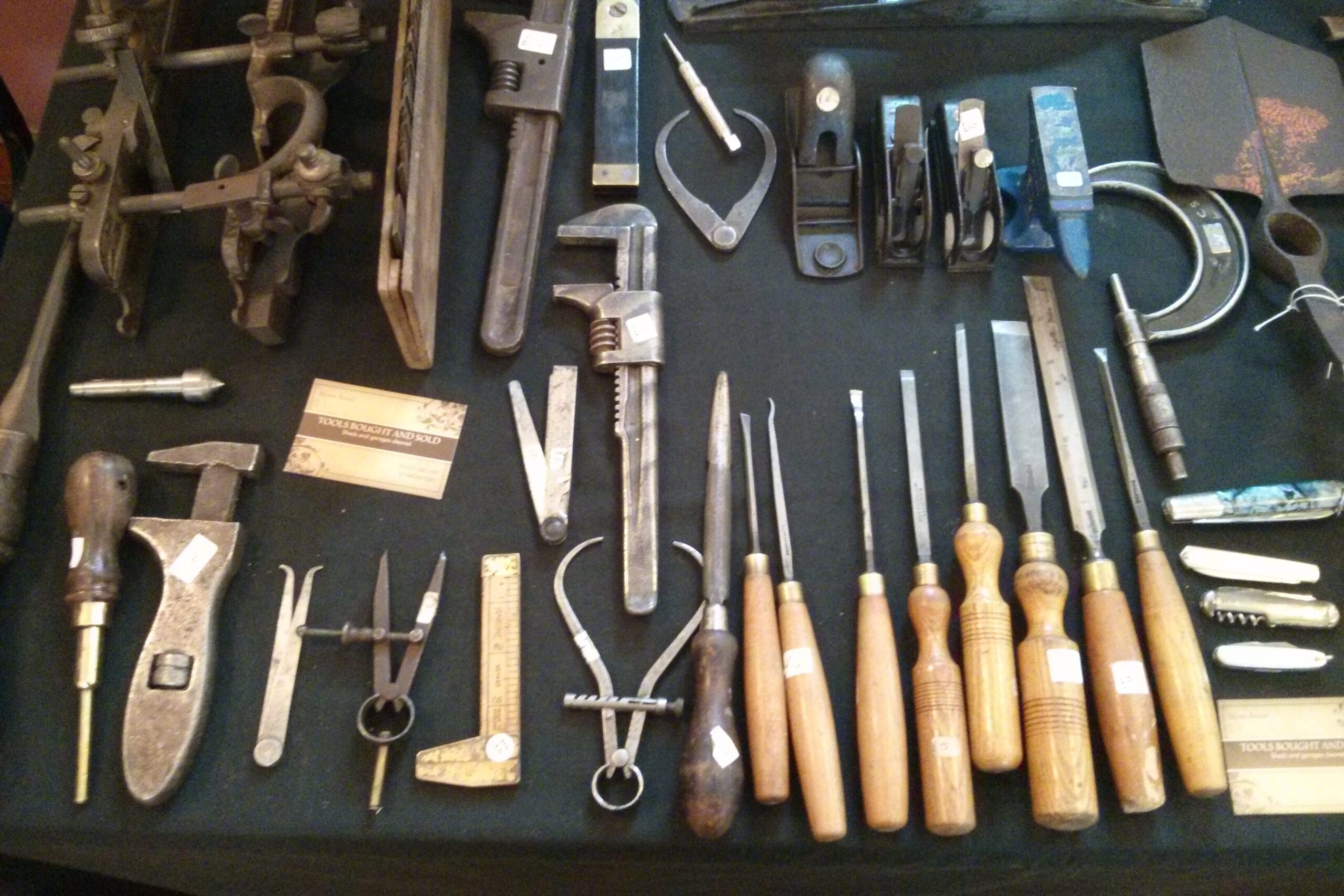
Older tools often came with turned wooden handles made of hickory or ash. When tools broke, people saved the handles “just in case,” and they piled up in garages. Today, restorers look for unused or lightly worn handles to repair antique tools. They prefer original shapes and wood types, which can be difficult to source new.
Collectors appreciate them because they preserve a form of craftsmanship modern tools often lack. Old handles fit vintage chisels, files, and hammers better than modern replacements. Some hobbyists even buy them to practice restoration or customization. The grain pattern and finish can add surprising value.
9. Metal Tackle Boxes
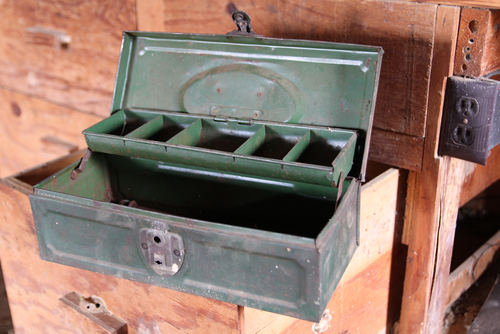
Metal fishing tackle boxes once lived in garages after their owners stopped fishing. Brands like Plano, Union, and Falls City made sturdy models with multiple trays. When plastics took over the fishing market, metal versions became obsolete. Collectors now look for original paint, intact trays, and clean interiors.
These boxes appeal to both fishing enthusiasts and vintage décor fans. They pair well with collections of lures or rods from the same era. Some buyers repurpose them as art supply or hobby organizers. Colorful paint schemes and unique designs tend to sell best.
10. Old Bench Vises
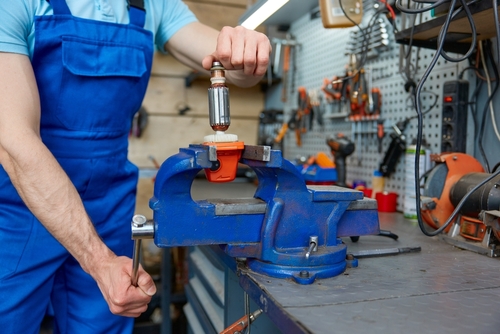
Heavy cast-iron bench vises were the centerpiece of many home workshops. Companies like Wilton and Columbian produced durable models that lasted decades. Many older vises were left mounted on benches long after they were used. Today, collectors and restorers look for clean threads, original jaws, and solid castings.
Their value comes from their durability and usefulness, even today. Some models, like the Wilton “bullet” vises, are especially prized. Restorers often strip and repaint them to revive their original look. A vise with minimal wear or rare features can bring surprisingly high prices.
11. Carburetors from Classic Cars
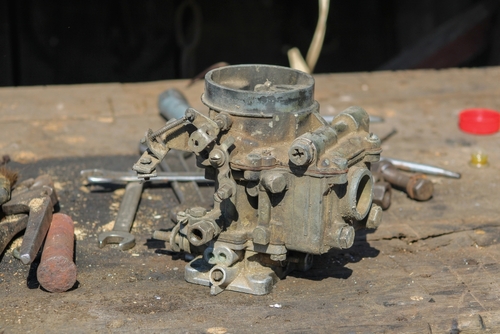
Old carburetors often ended up sitting on garage shelves after engine upgrades. Many of these came from muscle cars or early imports. Collectors now search for models from Holley, Carter, or Rochester. Specific part numbers tied to classic vehicles can raise their value dramatically.
People buy them for restoration projects where originality matters. Some collectors also display them as mechanical art pieces. Clean castings and complete linkage parts increase desirability. Even rebuildable cores can sell if they’re from a rare model.
12. Early Electric Shop Fans
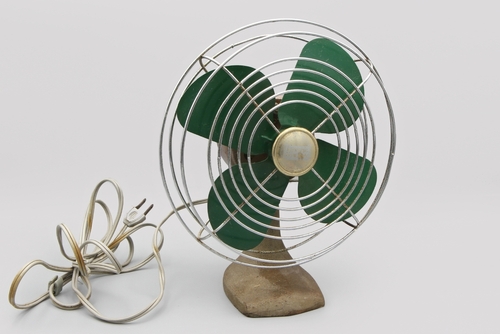
Industrial shop fans from the mid-1900s were built with heavy motors and metal cages. Many were retired when lighter, quieter models arrived. Fans from brands like Vornado and Emerson now attract collector interest. Restorers look for smooth-running motors and intact blades.
These fans are appreciated for their retro styling and durability. Some enthusiasts fully restore them, repainting cages and rewiring motors. Their unique look makes them popular for lofts, workshops, and photo studios. Models with original badges and working oscillation usually command higher prices.
13. Metal Filing Cabinets
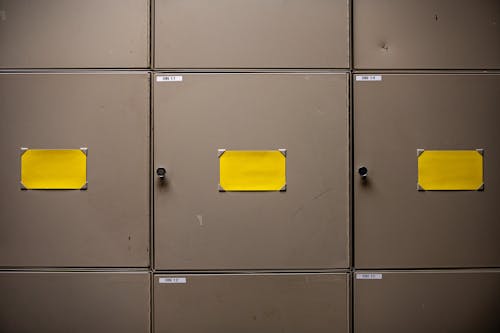
Older metal filing cabinets were often shoved into garages for storage. Many were made of thick steel and designed to last a lifetime. Collectors look for mid-century designs with distinctive handles or labels. Even worn cabinets can be valuable if structurally sound.
They’ve grown popular as retro office décor and workshop organizers. Some people restore them with fresh paint and new hardware. Their sturdiness makes them appealing compared to modern lightweight versions. Unique colors or manufacturer plates can raise interest.
14. Vintage Spark Plug Boxes
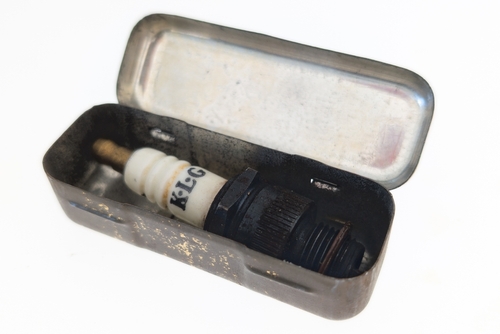
Cardboard spark plug boxes from brands like Champion, AC, and Autolite were usually thrown away. Surviving boxes, especially unopened ones, have become collectible. Collectors appreciate the vintage typography and branding. Even empty boxes can sell if they’re clean and intact.
These items appeal because they capture the look of mid-century automotive culture. Some enthusiasts build full displays with multiple brands. Original spark plugs inside the box can increase the value significantly. Limited-run promotions or special packaging are especially desirable.
15. Steel Gas Cans
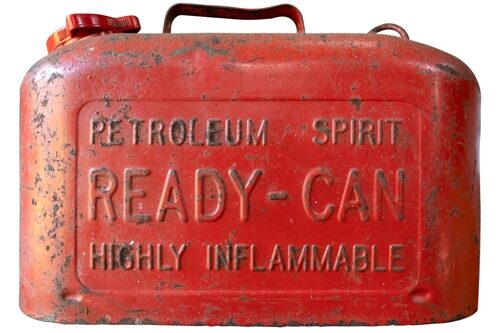
Before plastic containers took over, garages commonly kept steel gas cans with embossed lettering. Many were discarded when they rusted or dented, so good ones are harder to find today. Collectors look for cans with original paint and intact caps. Military-style jerry cans can be especially valuable.
People buy them for restoration projects, décor, or functional use after proper cleaning. Their rugged design makes them appealing for vintage car owners or off-road enthusiasts. Some collectors seek out specific manufacturers or wartime production dates. Clean seams and readable embossing tend to boost prices.
This post 15 Old Garage Items Everyone Ignored Until Collectors Started Paying Real Money was first published on Greenhouse Black.
