
1. U.S. Savings Bonds Tucked in a Drawer

Paper savings bonds issued by the U.S. Treasury were once a staple gift for birthdays and graduations. Series E bonds, introduced during World War II, and later Series EE bonds became a long-term savings vehicle for millions of Americans. They were backed by the full faith and credit of the federal government. That backing made them feel rock-solid compared to hiding cash.
Even if stored in a simple envelope at home, their value wasn’t tied to the physical paper alone because ownership could be reissued if properly documented. Many bonds doubled in value after reaching full maturity if held long enough under their original terms. They quietly accrued interest year after year without needing a bulky vault. In many cases, they outpaced inflation better than cash sitting idle in a safe.
2. Cash in a Coffee Can in the Freezer
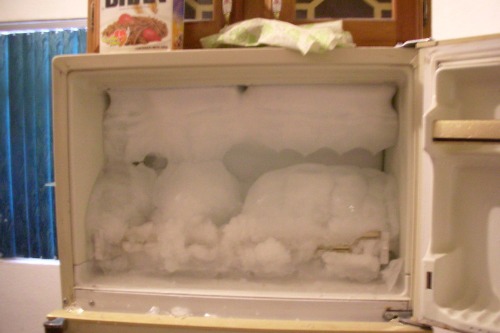
For decades, plenty of families quietly stashed emergency cash in an empty coffee can tucked behind frozen vegetables. It sounds almost cliché, but it worked because burglars rarely rummaged through frostbitten leftovers looking for money. During periods of high inflation in the 1970s, people liked having physical bills on hand rather than relying entirely on banks. Immediate access felt safer than paperwork and account numbers.
Unlike a small safe, which is an obvious target and can be carried off, a freezer stash blended into everyday life. A thief in a hurry might grab electronics and jewelry, not a container labeled “Folgers.” It also protected against temporary bank closures or computer outages. While it didn’t earn interest, it preserved liquidity and privacy in a very practical way.
3. Hiding Money Inside Books on the Shelf
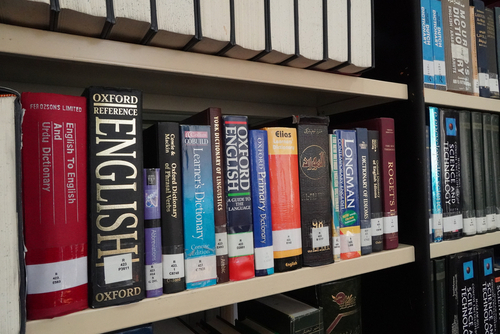
A hollowed-out book safe became a quiet classic in mid-20th-century households. Tucked between encyclopedias or paperbacks, it blended seamlessly into a living room or study. Burglars tend to focus on drawers, closets, and obvious lockboxes first. A dusty novel rarely screams “valuable contents.”
This method relied on camouflage rather than brute strength. Because it wasn’t visibly secure, it didn’t advertise that something worth stealing was inside. Families often kept small amounts of emergency cash, jewelry, or important documents there. In quick smash-and-grab situations, that discretion could be more effective than a metal safe sitting in plain sight.
4. Diversifying into Blue-Chip Stocks

Long before online trading apps, investors bought shares in established companies and held onto the paper certificates. Companies like The Coca-Cola Company and International Business Machines Corporation were considered stable, long-term bets. The idea was simple: own a piece of a business that wasn’t going anywhere. Over time, reinvested dividends compounded quietly.
Stock certificates stored in a filing cabinet didn’t look dramatic, but the real value was in the ownership record. Even if the paper was lost, transfer agents could often reissue shares with proper documentation. Over decades, many blue-chip stocks significantly outperformed the value of cash stored at home. Compared to a safe full of currency, equity ownership had growth built in.
5. Keeping Gold Jewelry as Wearable Wealth

Gold chains, rings, and bracelets weren’t just fashion statements; they were portable assets. Gold has been a store of value for millennia, and its worth isn’t tied to any single government. Families often passed down pieces both for sentimental and financial reasons. In tight times, jewelry could be sold or pawned quickly.
Unlike a safe that sits in one location, jewelry can move with you. It’s also harder to detect as “stored wealth” because it looks like personal adornment. During economic downturns, gold prices have historically risen as investors seek stability. That combination of portability and intrinsic value made it a practical hedge.
6. Mason Jars Full of Silver Coins
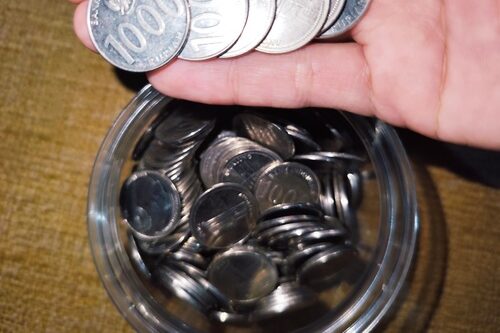
Before 1965, U.S. dimes, quarters, and half dollars were made primarily of silver. After the Coinage Act of 1965 removed silver from most circulating coins, people began hoarding the older ones. It wasn’t unusual to see jars of pre-1965 coins stored in cupboards or basements. The metal content alone gave them intrinsic value beyond face value.
As silver prices rose in the 1970s and again in later decades, those jars often became unexpectedly valuable. Even if forgotten for years, the coins retained melt value tied to global commodities markets. Unlike paper currency, they couldn’t be inflated away as easily. In hindsight, that kitchen-shelf strategy sometimes preserved purchasing power better than locking away ordinary bills.
7. Real Estate Paid Off Early

Owning a home outright became a financial goal for many families in the mid-to-late 20th century. Instead of relying solely on financial accounts, people poured extra income into paying down their mortgage. A paid-off property eliminated monthly debt obligations. That alone preserved stability during recessions.
Real estate also tends to appreciate over long periods, especially in growing metropolitan areas. Even if market values fluctuated, having shelter without rent or loan payments provided lasting security. A safe can guard valuables, but it can’t provide housing. For many households, equity in property turned out to be one of the most reliable stores of value.
8. Certificates of Deposit at Local Banks
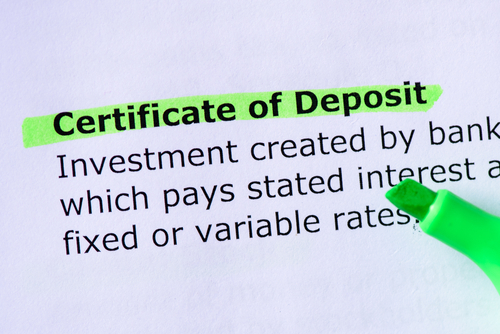
Certificates of deposit, or CDs, became popular for conservative savers who wanted predictable returns. By locking money in for a fixed term, depositors earned higher interest than standard savings accounts. During the high-interest-rate environment of the late 1970s and early 1980s, some CDs paid double-digit rates. That was a powerful wealth-preservation tool.
Unlike cash in a safe, a CD generated guaranteed income over time. Funds in insured banks were protected up to federal limits by the FDIC. That insurance added a layer of security no household safe could provide. In many cases, disciplined savers watched their balances steadily grow without taking major risks.
9. Stashing Emergency Funds in a Home Safe Deposit Box

While technically still a box, a bank safe deposit box offered stronger institutional protection than a personal safe. Customers rented secure compartments inside reinforced vaults. Banks employed surveillance, controlled access, and dual-key systems. It was far harder to break into than a typical home unit.
Important documents like property deeds, stock certificates, and wills were often stored there. Even if a home was damaged by fire or burglary, contents at the bank remained protected. The separation of location added resilience. For safeguarding irreplaceable papers, this method often proved more reliable than hiding them at home.
10. Collecting Stamps and Coins
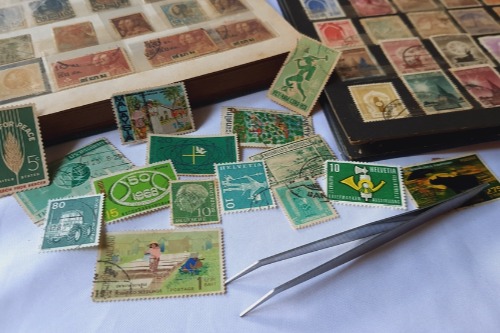
Stamp and coin collecting wasn’t just a hobby; it was also viewed as an investment strategy. Rare issues, mint-condition coins, and limited printings sometimes appreciated significantly over time. Organized collections stored in albums or cases could gain value through scarcity. Enthusiasts studied grading standards carefully.
Unlike loose cash, collectibles benefited from historical significance and condition-based premiums. Markets fluctuated, but certain high-demand pieces held strong long-term appeal. Because their value was tied to rarity and collector interest, they weren’t directly affected by everyday inflation. In the right cases, a carefully curated collection outperformed money locked in a safe.
11. Paying Into a Pension Plan

Employer-sponsored pensions were once the backbone of retirement planning. Workers contributed years of service in exchange for guaranteed income later in life. Defined-benefit plans calculated payouts based on salary and tenure. That predictable structure offered peace of mind.
Instead of storing money physically, value was preserved through contractual obligation and institutional funding. Even if markets dipped temporarily, pension payments continued according plan terms. Compared to a safe full of slowly depreciating cash, a steady monthly benefit often proved more sustainable. For many retirees, that structured income was the ultimate long-term safeguard.
This post Old School Storage Methods That Preserved Value Better Than a Safe was first published on Greenhouse Black.
