
1. San Francisco Bay Area, California
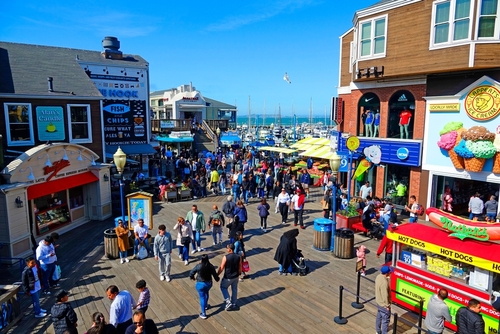
The Bay Area remains one of the most expensive housing markets in the country. Remote work has reduced the urgency to live close to offices, shrinking the buyer pool. High prices and high rates have sidelined many would-be buyers. Even well-paid professionals are thinking twice.
Some suburban areas are faring better than urban cores, but demand overall is softer. Homes that once sparked bidding wars now require strategic pricing. Investors are also more cautious than before. The Bay Area isn’t emptying out, but buyer intensity is down.
2. Boise, Idaho

Boise became a pandemic darling thanks to remote work and relatively affordable homes. That affordability gap has narrowed significantly, and buyers are noticing. Prices rose faster than local wages, making it harder for residents to compete with past out-of-state demand. As a result, buyer traffic has thinned, especially at higher price points.
Inventory has been building compared to the ultra-tight conditions of recent years. Sellers who expect 2021-style bidding wars are often disappointed. Many listings now require price adjustments to attract attention. Boise isn’t crashing, but the easy buyer pool that once defined it has cooled considerably.
3. Phoenix, Arizona

Phoenix saw explosive growth as Californians and Midwesterners poured in for sunshine and space. That migration wave has slowed, while prices remain elevated relative to incomes. Rising mortgage rates have hit Phoenix especially hard because many buyers were already stretching. Fewer buyers now feel comfortable taking on those payments.
At the same time, new-home builders added significant supply during the boom years. That extra inventory has shifted power back toward buyers, reducing urgency. Investors who once snapped up homes are also more cautious. Phoenix remains popular, but the buyer competition that once defined it has eased.
4. Las Vegas, Nevada
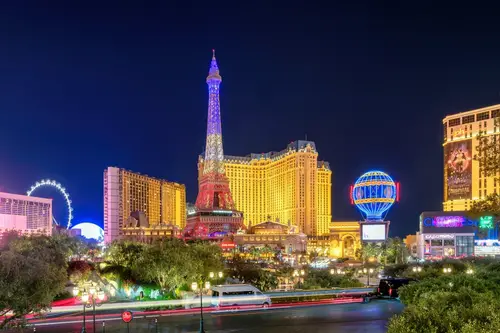
Las Vegas benefited from remote workers seeking lower taxes and cheaper housing. As prices jumped, the value proposition became less clear for many buyers. Housing costs have risen faster than local wages, squeezing affordability. This has led to softer demand, especially for entry-level and investor-driven purchases.
Tourism-driven employment also adds uncertainty for some buyers. When economic outlooks feel shaky, discretionary moves tend to slow. Homes are staying on the market longer than they did during the boom. The city is still growing, but buyer enthusiasm has cooled noticeably.
5. Salt Lake City, Utah
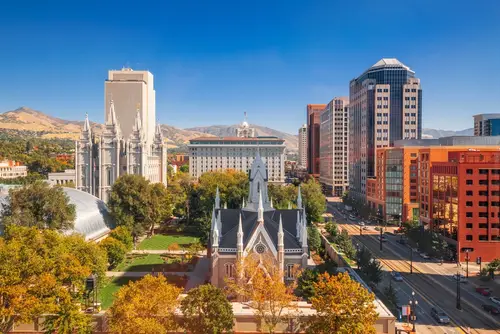
Salt Lake City experienced rapid appreciation as supply struggled to keep up with growth. That surge pushed prices beyond what many local buyers can comfortably afford. Out-of-state interest has also softened as other markets offer similar amenities at lower costs. The buyer pool has narrowed as a result.
New listings are no longer vanishing overnight. Sellers are having to price more carefully to generate interest. Investors, once a major force here, are more selective. The market isn’t reversing dramatically, but it has clearly lost some momentum.
6. Denver, Colorado
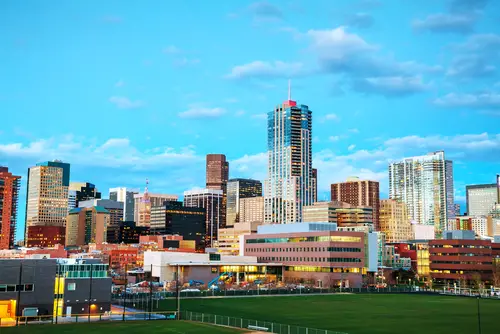
Denver’s appeal has always been a mix of jobs, lifestyle, and scenery. Prices climbed sharply during the pandemic, eroding affordability for many buyers. Mortgage rates have amplified that challenge, especially for first-time purchasers. Buyer traffic has thinned as people reassess their budgets.
Inventory has increased compared to the ultra-competitive years. Price cuts are becoming more common in certain neighborhoods. Some buyers are choosing to rent longer instead of buying at peak prices. Denver remains desirable, but urgency has faded.
7. Seattle, Washington
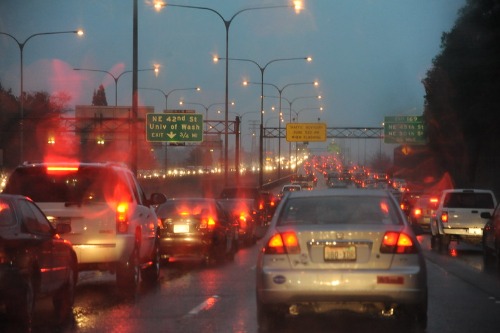
Seattle’s housing market has long been tied to the tech sector. With tech layoffs and hiring freezes making headlines, buyer confidence has softened. High home prices combined with high interest rates are a tough sell. Many buyers are waiting for more clarity before committing.
Homes are spending more time on the market than they did during the boom. Sellers are adjusting expectations after years of rapid appreciation. Condos, in particular, have seen weaker demand. Seattle still has strong fundamentals, but buyer enthusiasm has cooled.
8. Austin, Texas

Not long ago, Austin felt like the center of the housing universe, with bidding wars fueled by tech workers and pandemic relocations. Lately, buyers are hesitating as home prices remain high while tech hiring has cooled. New construction has also surged, giving shoppers more leverage and less urgency. The result is a market where homes are sitting longer and sellers are quietly cutting prices.
Another factor is property taxes, which have climbed along with valuations and are now giving buyers pause. Monthly payments look very different than they did a few years ago, even before factoring in mortgage rates. Some buyers who rushed in during 2021 are now staying put, limiting move-up demand. Austin is still desirable, but the frenzy that once pulled buyers in at any price has clearly faded.
9. San Jose, California
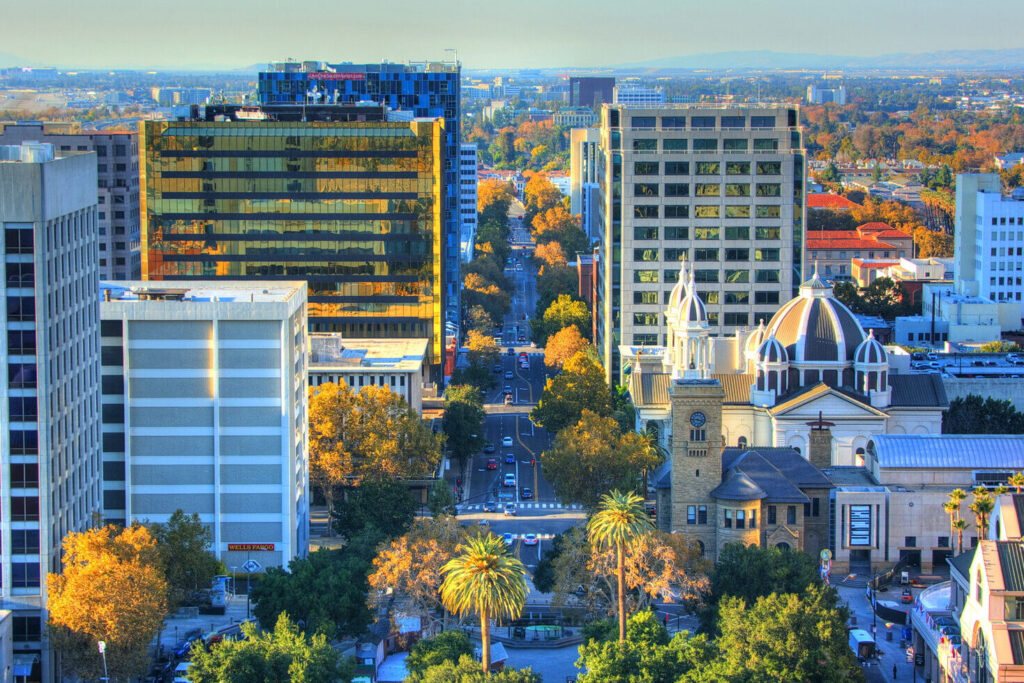
San Jose felt the pandemic surge as buyers sought more space within Silicon Valley. That demand has cooled as tech growth slowed. Prices remain extremely high, limiting who can realistically buy. Many potential buyers are opting to wait or rent instead.
Longer days on market are becoming more common. Sellers are seeing fewer offers than in prior years. Even small shifts in demand matter in such a high-priced area. The market is stable, but clearly less competitive.
10. Tampa, Florida
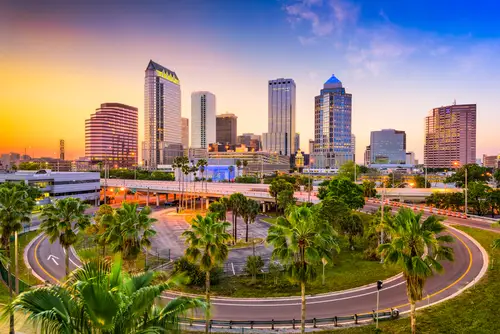
Tampa drew waves of new residents looking for sunshine and lower taxes. Home prices surged, reducing the affordability advantage that once defined the area. Rising insurance costs are now a major concern for buyers. Monthly ownership costs look very different than they did a few years ago.
Some buyers are pausing due to uncertainty around insurance availability and premiums. Homes are taking longer to sell, particularly at higher prices. Sellers are starting to offer concessions to close deals. Tampa is still growing, but buyer enthusiasm has cooled.
11. Orlando, Florida
Orlando’s market benefited from population growth and investor interest. As prices climbed, investors became more cautious about returns. Insurance and maintenance costs have also risen, impacting buyer calculations. This has slowed demand across several segments.
Primary buyers are more sensitive to monthly costs than before. Listings are sitting longer than during the pandemic surge. Price reductions are becoming more common in suburban areas. Orlando remains popular, but serious buyers are less aggressive.
12. Miami, Florida
Miami experienced a luxury-driven boom fueled by remote workers and finance professionals. That high-end demand has softened as prices reached new highs. Insurance concerns and condo regulations have added friction for buyers. Some are choosing to wait rather than rush in.
International demand is still present but less frenzied. Condos, in particular, are facing longer selling times. Sellers are adjusting expectations after years of rapid gains. Miami remains desirable, but buyer urgency has eased.
13. Nashville, Tennessee
Nashville’s growth story attracted buyers from across the country. Rapid appreciation has made homes far more expensive than they once were. Local incomes haven’t kept pace with prices, limiting the buyer pool. Mortgage rates have only intensified that gap.
Homes are no longer selling instantly. Buyers are taking more time and negotiating harder. Investors who once dominated certain neighborhoods are pulling back. Nashville is still appealing, but demand has cooled.
14. Raleigh, North Carolina
Raleigh benefited from job growth and a steady influx of new residents. Prices rose quickly, narrowing affordability for first-time buyers. As rates climbed, buyer budgets tightened further. This has slowed overall market activity.
Inventory has increased modestly, giving buyers more options. Sellers are finding they need competitive pricing to attract interest. The market feels calmer and more balanced. Raleigh remains strong, but the rush has faded.
15. Dallas–Fort Worth, Texas
Dallas–Fort Worth saw massive growth thanks to jobs and relocations. That growth drove prices up, reducing affordability for many buyers. Property taxes are also a growing concern for long-term ownership costs. Buyers are now more cautious and selective.
New construction has added significant supply to the market. This has eased pressure and reduced bidding wars. Sellers are facing a more patient buyer pool. DFW is still expanding, but serious buyers are no longer rushing in.
This post 15 Once-Hot Housing Markets That Are Quietly Losing Serious Buyers was first published on Greenhouse Black.
