
1. Sculptural Glass Coffee Tables
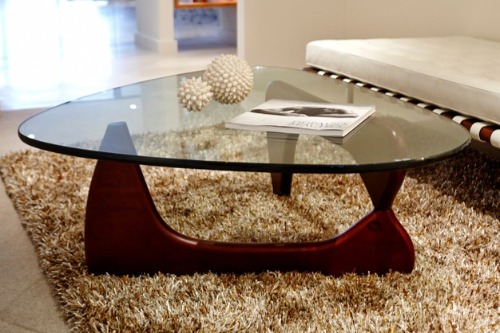
Glass-topped coffee tables with sculptural wooden bases were once simply stylish centerpieces for modern homes. They held ashtrays, magazines, and coffee cups without much reverence. Early versions made with hand-finished bases and thicker glass are now considered collectible design objects. Their value lies in the way they blurred the line between furniture and sculpture.
These tables gained investment status because of their lasting visual language. The form became iconic, but early executions show more craftsmanship and subtle variation. Many originals were damaged or modified over decades of use. Clean examples now trade more like art than furniture.
2. Molded Plywood Lounge Chairs
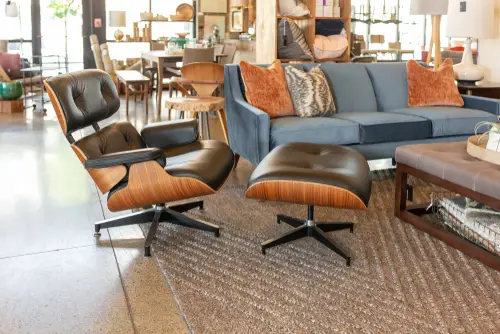
In the mid-20th century, molded plywood lounge chairs were marketed as comfortable, modern seating for ordinary living rooms. They were lightweight, approachable, and meant to be used daily rather than admired from afar. Early examples with original finishes and construction methods are now highly collectible. Their rise comes from how radically they changed furniture design by making sculptural forms affordable and domestic.
What drives investment value today is the intersection of innovation and scarcity. These chairs were sat in hard, often repaired, and rarely preserved carefully. Collectors now look for early production details like specific veneer layering and original hardware. The chairs that survived intact represent a turning point in modern furniture history.
3. Handwoven Cord Dining Chairs
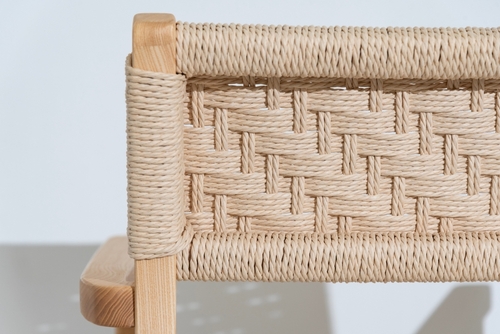
Lightweight dining chairs with woven cord seats were designed to be practical, stackable, and family-friendly. They were common in postwar dining rooms and kitchens. Early handmade versions are now increasingly rare and sought after. Their appeal comes from the balance of refined craftsmanship and everyday function.
The woven seats are especially important to value. Because they wore out quickly, many were replaced or discarded entirely. Chairs that retain original weaving show age in a way collectors value. What once surrounded kitchen tables now anchors serious design collections.
4. Soft-Form Modern Pendant Lamps
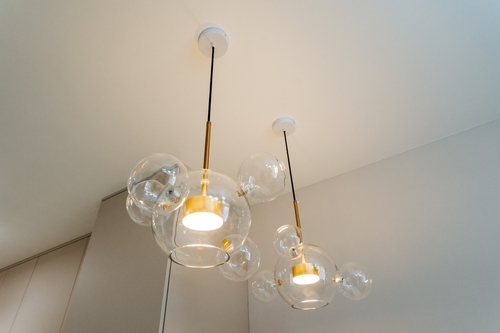
Organic-shaped pendant lamps were introduced as a warmer alternative to hard industrial lighting. They were affordable, lightweight, and easy to hang in ordinary homes. Early examples made with experimental materials are now investment-grade collectibles. They represent a moment when lighting became emotional rather than purely functional.
Their rise in value is tied to material fragility. The coatings and structures degrade over time, making intact examples scarce. Subtle differences in shape and surface matter to collectors. These lamps now sit comfortably in museums despite their humble domestic origins.
5. Decorative Wall Clocks with Abstract Forms
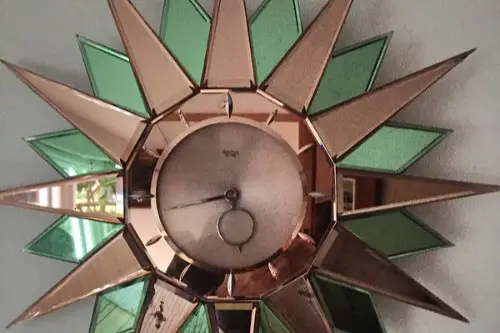
Playful wall clocks with radiating shapes were meant to bring personality into mid-century interiors. They were sold widely and treated as cheerful accessories. Early examples with original finishes and mechanical parts are now highly collectible. Their importance lies in making modern design feel accessible and fun.
Condition drives value more than age alone. Sun exposure, repainting, and replacement parts are common issues. Collectors prize clocks that still reflect their original proportions and color relationships. What once kept time now captures a specific cultural moment.
6. Early Transparent-Lid Audio Consoles

Record players with visible components were once a novelty meant to show off modern technology. They lived in family rooms and were handled daily. Early models with original electronics are now considered design landmarks. Their investment appeal comes from how they redefined consumer electronics aesthetics.
Most units didn’t survive intact. Mechanical failure often meant replacement rather than repair. Collectors now value originality and working condition highly. These consoles tell a story about when technology became something to look at, not hide.
7. Leaded and Art Glass Table Lamps
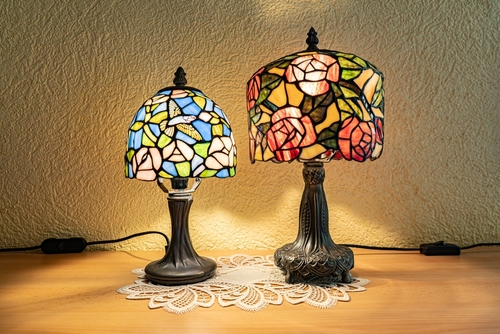
Decorative glass lamps were once treated as tasteful but ordinary household lighting. They illuminated living rooms without being considered fine art. Over time, their craftsmanship and materials elevated them into the collector sphere. Authentic early examples now command significant prices.
Their value is tied to hand assembly and material complexity. Glass shades were fragile and often replaced. Bases and shades frequently became separated. Complete, untouched lamps represent a rare survival of domestic artistry.
8. Hand-Blown Glass Chandeliers
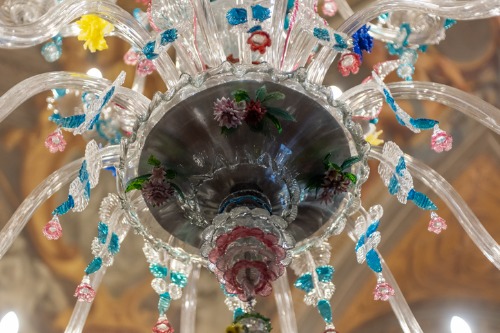
Elaborate glass chandeliers were long considered permanent household fixtures. They hung for decades, gathering dust rather than admiration. Early hand-blown examples are now sought after for their craftsmanship and regional tradition. Their transformation into investments reflects renewed appreciation for skilled glasswork.
Many chandeliers lost components or were poorly repaired. Matching parts are extremely difficult to replace. Collectors prize completeness and documented age. What once blended into architecture now stands as a centerpiece.
9. Freeform Decorative Glass Vases
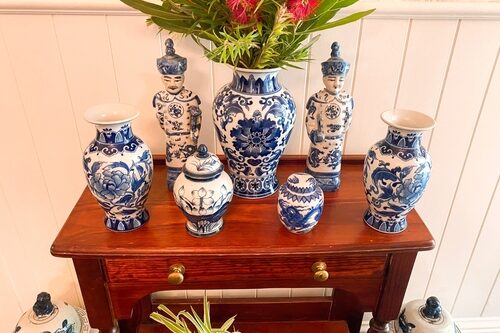
Undulating glass vases were designed to feel organic and informal. They often held flowers or sat empty on shelves. Early hand-formed examples have since become design icons. Their value comes from subtle variations that can’t be replicated industrially.
Later versions are plentiful, which makes early ones more desirable. Small differences in thickness and contour matter greatly. Chips and cracks are common due to casual handling. Surviving pristine pieces now trade as collectible art objects.
10. Patterned Glass Mixing Bowls
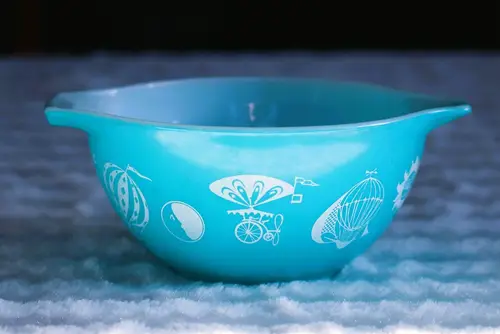
Colorful mixing bowls were designed to be practical, stackable, and durable. They were used daily for cooking and storage. Certain patterns and colorways are now highly collectible. Their rise reflects nostalgia combined with genuine scarcity.
Many sets were broken or mixed over time. Complete matching sets are difficult to assemble today. Collectors value original shine and unfaded color. These bowls now represent both domestic history and design culture.
11. Oven-to-Table Ceramic Dishes
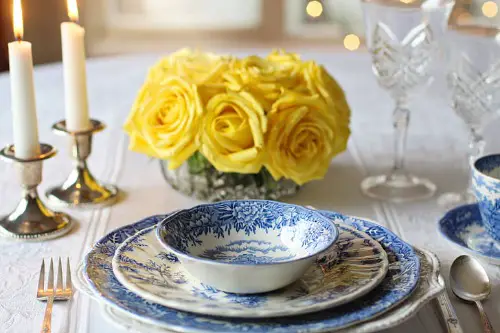
Multi-use ceramic dishes were marketed for convenience, not beauty. They lived hard lives moving between freezer, oven, and table. Early production examples and rare forms have gained collector interest. Their value comes from durability paired with understated design.
Identification is key for collectors. Marks, shapes, and production eras matter more than decoration. Heavy use means condition issues are common. Intact examples quietly crossed into investment territory.
12. Early Heavy-Duty Stand Mixers
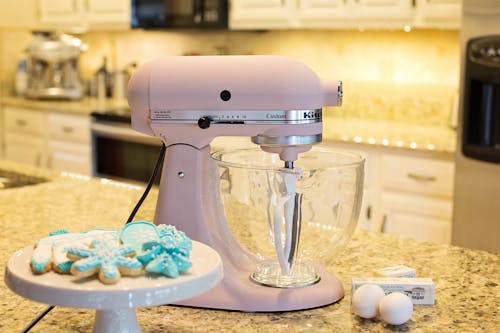
Large countertop mixers were sold as lifetime appliances. They were expected to last decades of weekly use. Early versions are now prized for engineering and form. Their value reflects a time when domestic tools were built without planned obsolescence.
Original finishes and components matter greatly. Many were repainted or modified. Working condition increases value significantly. These machines now symbolize functional design at its peak.
13. Solid Oak Arts-and-Crafts Furniture
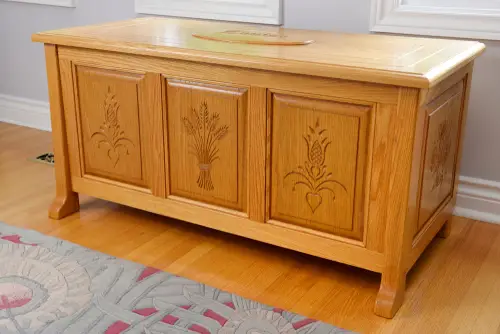
Plain but sturdy oak furniture was once chosen for honesty and durability. Families used it hard without concern for preservation. Early handmade examples are now highly sought after. Their investment appeal reflects a philosophical approach to design and labor.
Details like joinery and surface finish drive value. Many pieces were refinished, reducing collectibility. Original surfaces show age gracefully. What once furnished homes now anchors collections.
14. Enamel-Coated Cookware Sets
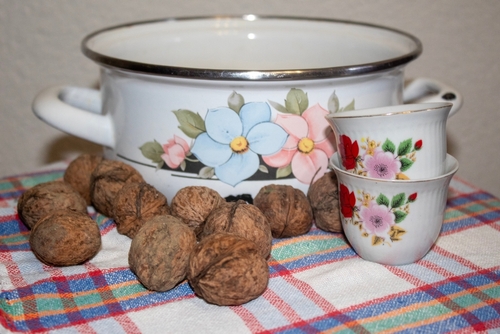
Bright enamel cookware was designed to be cheerful and practical. It was affordable enough to encourage daily use. Early colorways and complete sets are now collectible. Their value stems from vulnerability and design pedigree rather than luxury.
Chipping and missing lids are common. Strong color and intact enamel matter most. Complete early sets are increasingly rare. These pieces prove that even utilitarian objects can grow into serious investments.
This post Once-Ordinary Household Pieces That Became Investment Grade was first published on Greenhouse Black.
