
1. Patterned Tile

Plain tile once replaced anything decorative. Patterned tile is back because modern manufacturing allows for precision and durability. Cement and porcelain tiles now resist fading and cracking better than older versions. Patterns are being used thoughtfully rather than excessively.
These tiles often reference historic motifs. That connection adds depth rather than nostalgia. When limited to specific zones, they feel curated. Their craftsmanship-driven appeal raises their status.
2. Wallpaper
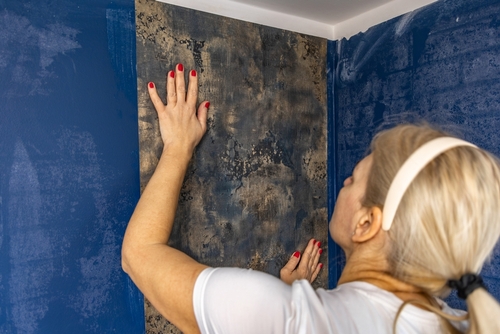
Wallpaper once felt like something homeowners rushed to remove. Today’s versions include hand-blocked papers, grasscloth, and high-resolution murals made to last. These materials are often produced in smaller batches, which raises both quality and price. Instead of covering every wall, wallpaper is now used strategically for impact.
Designers often treat wallpaper like art rather than background. A single room wrapped in a thoughtful pattern feels intentional and curated. Advances in adhesives also make removal easier, reducing long-term risk. That combination of beauty and practicality has restored its status.
3. Separate Dining Rooms
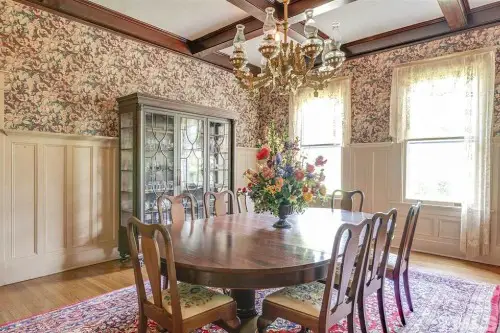
Open floor plans pushed formal dining rooms into near extinction. Recently, homeowners have rediscovered the value of a dedicated space for meals and gatherings. A separate dining room allows for better lighting, acoustics, and furniture scale. It also creates a sense of occasion that open spaces can dilute.
The renewed interest is tied to how people entertain at home. Hosting feels more special when it happens in a room with purpose. Dining rooms also age well because their function doesn’t change quickly. That timeless usefulness gives them renewed prestige.
4. Dark Wood Floors
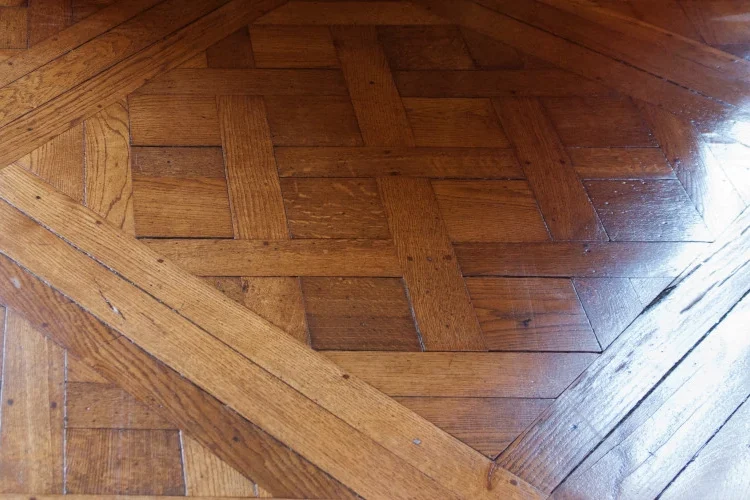
For a long time, light oak and bleached finishes dominated flooring trends. Dark wood floors are returning because they offer contrast and visual grounding. When paired with lighter walls, they highlight architecture rather than overpower it. Proper staining techniques now prevent the overly shiny look of earlier decades.
Dark floors also hide certain wear patterns better than pale ones. Scratches tend to blend into the grain instead of standing out. They photograph beautifully, which matters in a visually driven culture. That combination of elegance and durability elevates their reputation.
5. Crown Molding
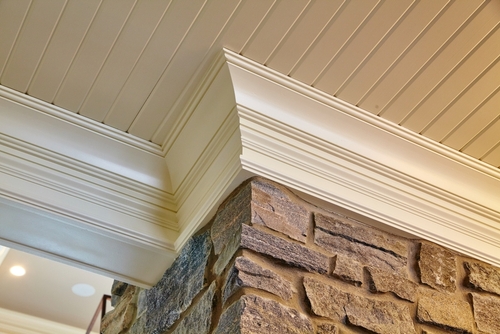
Minimalist interiors once rejected crown molding as unnecessary fuss. Today, well-scaled molding is back as a sign of thoughtful architecture. It helps rooms feel finished by visually connecting walls and ceilings. Traditional profiles are being simplified for modern spaces.
Crown molding also hides imperfections where surfaces meet. In older homes, it can correct uneven lines without major renovation. When done correctly, it adds character without distraction. The craftsmanship required makes it feel intentional rather than ornamental.
6. Clawfoot Tubs

Clawfoot tubs were often seen as impractical relics. Now they’re appreciated as sculptural centerpieces in well-designed bathrooms. Modern plumbing solutions make them easier to install and maintain than before. Materials like cast iron also retain heat exceptionally well.
These tubs signal luxury through space and intention. You need room to give one visual breathing space. They encourage slower, more deliberate bathing habits. That sense of indulgence is exactly why they feel prestigious again.
7. Built-In Bookshelves

Built-ins fell out of favor when furniture became more modular and temporary. Their return reflects a desire for permanence and personalization. Custom shelves accommodate specific collections and room proportions. They also increase perceived home value by feeling architectural.
Bookshelves communicate how a home is lived in. They display books, art, and objects with personal meaning. Built-ins reduce clutter by giving everything a place. That balance of beauty and function drives their renewed respect.
8. Checkerboard Floors
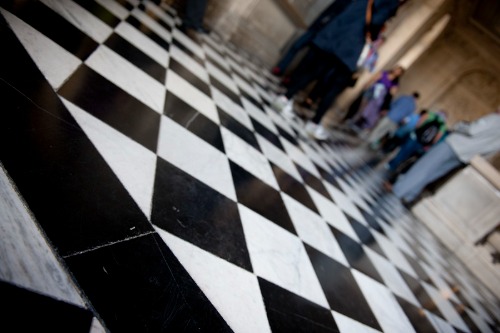
Checkerboard floors were long associated with old kitchens and entryways. Designers are now revisiting them using stone, marble, and high-quality tile. Subtle color pairings keep the pattern from feeling kitschy. The geometry adds movement without relying on trends.
These floors have historical precedent in European homes. Their longevity proves they don’t rely on fashion cycles. When executed with durable materials, they age gracefully. That proven track record gives them credibility.
9. Brass Fixtures
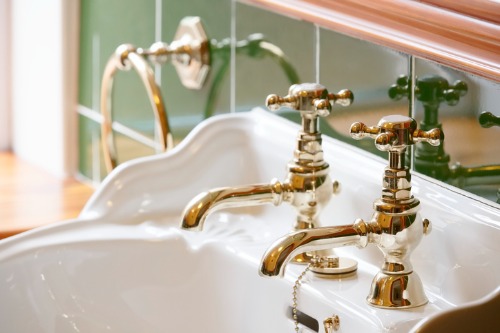
Brass was once dismissed as brassy and outdated. Unlacquered and brushed finishes have changed that perception entirely. These finishes develop patina over time, which many homeowners now value. The aging process makes fixtures feel alive rather than static.
Brass also pairs well with a wide range of materials. It complements wood, stone, and even concrete. High-quality brass fixtures tend to last longer than plated alternatives. Longevity always carries prestige.
10. Interior Transom Windows
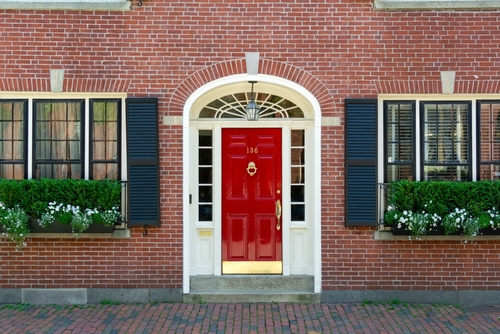
Interior transom windows were removed to simplify walls and doorways. Their return is tied to better light flow between rooms. They allow daylight to travel deeper into a home without sacrificing privacy. This is especially useful in older or narrower houses.
Transoms also add architectural rhythm. They visually raise ceiling heights and add interest above doors. Historically, they improved ventilation before air conditioning. That blend of form and function makes them relevant again.
11. Skirted Furniture
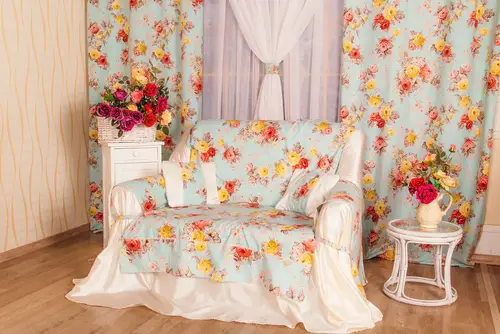
Exposed legs dominated furniture design for years. Skirted sofas and chairs are now appreciated for their softness and tailored look. They visually anchor a room and hide wear on lower frames. Fabric skirts can also be updated without replacing furniture.
This style works especially well in traditional and transitional homes. It creates a sense of comfort and formality at once. Skirted furniture also reduces visual clutter. That understated elegance has regained respect.
12. Wood Paneling (The Real Kind)
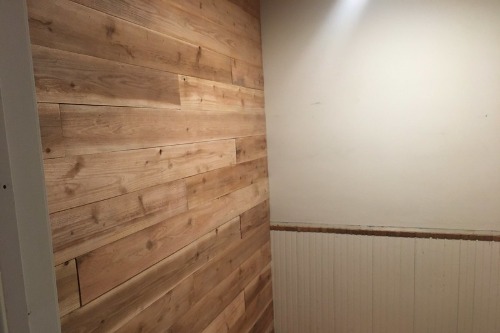
For years, wood paneling was shorthand for dark basements and dated dens. What’s coming back is solid wood paneling with visible grain, careful proportions, and intentional finishes. Designers are favoring walnut, white oak, and ash to add warmth and architectural depth. The prestige comes from material honesty and skilled installation, not the flimsy faux panels people remember.
This revival also reflects a move away from ultra-sterile interiors. Wood improves acoustics by absorbing sound, which matters in open layouts. When paneling is integrated with custom millwork and door casings, it reads as bespoke. It’s costly to do correctly, and that investment signals quality.
13. Matching Furniture Sets
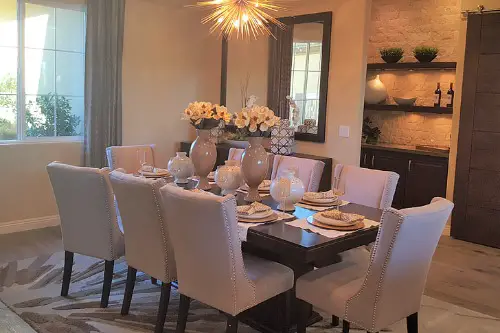
Matching sets were once seen as unimaginative. They’re returning in high-end spaces where cohesion is intentional. Custom or well-made sets offer proportional harmony across a room. The key difference is quality and restraint.
These sets simplify design decisions without feeling generic. They allow materials and craftsmanship to shine. In rooms meant to feel calm, consistency matters. That quiet confidence is why matching pieces feel elevated again.
This post 13 “Outdated” Home Details That Are Gaining Prestige was first published on Greenhouse Black.
