
1. Street parking permits & residential parking zones
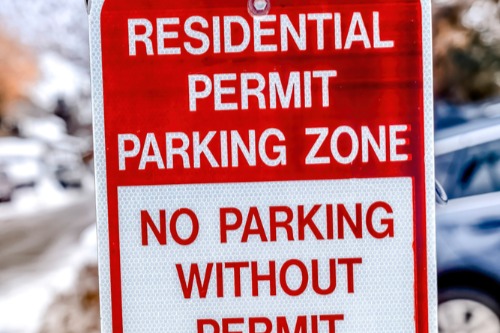
Cities are increasingly raising fees for residential street parking permits or zone-parking privileges. In some places, what had been a modest permit fee is being bumped up sharply — targeting people who park on neighborhood streets long-term rather than using garages. As urban centers grow and parking becomes scarce, cities see permit fees as a tool for both raising revenue and discouraging long-term street parking. Expect many cities to continue hiking — or structurally revising — these fees through 2026, especially in high-density neighborhoods.
Street parking isn’t “luxury” — but it’s a scarce public resource. By putting a higher price on it, cities aim to reflect that scarcity and maybe nudge people toward public transit or other alternatives. For residents, that could mean budget adjustments or reconsidering whether owning a car (or parking on the street) is worth it.
2. Guest parking or valet services in urban zones
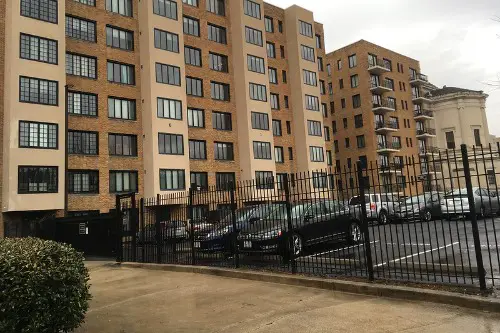
In dense downtown areas, valet garages, pay-to-park lots, or overnight visitor parking options are becoming more expensive — as municipalities lift taxes or fees on them. Some cities are consolidating their fees into citywide rates, often higher than previous variable rates for different times/days. This move helps raise consistent revenue and simplifies enforcement for the city. If you rely on valet parking or downtown garages (for work, nightlife, or visiting), you might see noticeable increases by 2026.
For visitors or people who don’t own a car but occasionally pay for downtown parking, this could make a simple night out or a business trip more expensive. It also changes the calculus for people deciding whether to drive or rely on public transit — bolstering efforts to reduce urban traffic by making driving pricier.
3. Delivery-related fees for outdoor services (food, groceries, retail)
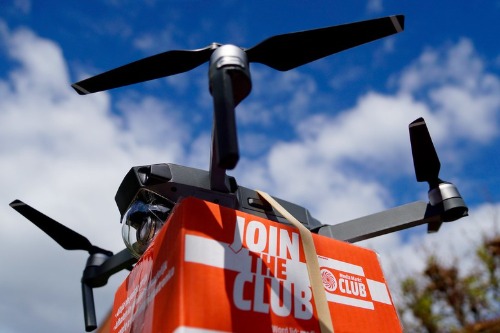
As delivery services boom, many cities are exploring taxes or fees on deliveries — whether groceries, meals, or retail. While not all deliveries happen “outdoors,” the logistics often involve vehicles idling on city streets, parking in loading zones, or traversing pedestrian-heavy areas. Some municipalities may start taxing delivery fees to offset wear on infrastructure, congestion, or environmental impacts. By 2026, it wouldn’t be surprising to see targeted charges for delivery drop-offs or even “delivery-use” fees tied to street occupancy or curb usage.
If your city implements such taxes, ordering takeout or online shopping could feel different. The added fee might be small per order but over time it can add up — nudging people to shop less online or pick up goods themselves.
4. E-bike & e-scooter shares: per-trip or usage fees
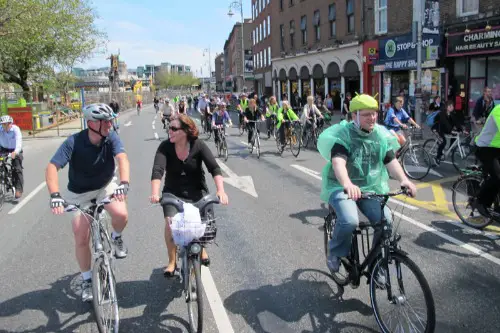
Shared bikes and e-scooters — increasingly popular in US cities — may soon incur specific taxes or fees per ride. Some cities have already floated per-trip taxes for free-floating bike/scooter share systems, arguing that they contribute to street use, clutter, and maintenance needs. Such fees are often justified as a way to manage public infrastructure costs and ensure fair contributions from users. By 2026, using a shared e-scooter or bike for your commute could carry a small added “city usage” fee.
For regular users, this might slightly increase commuting costs, but could still be cheaper than owning a car or paying for parking. It also introduces another layer to how urban transport is taxed — not just traditional vehicles but micromobility options too.
5. Congestion and “entry” pricing for crowded downtowns
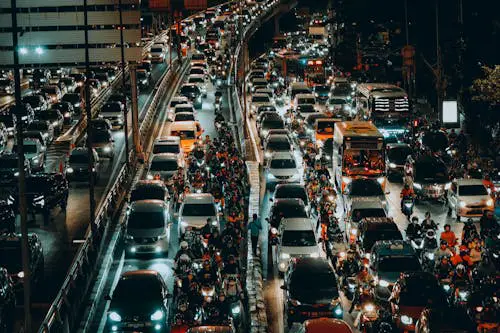
Some cities are reviving or expanding congestion-pricing schemes: charging vehicles for entering busy central districts during peak hours. This effectively turns access to certain outdoor/traffic-heavy urban spaces into a taxable service. It reflects growing concern over traffic, pollution, and overuse of central-city infrastructure. By tying a price to car entries, cities hope to fund public transit, improve air quality, and curtail congestion — while raising revenues. We may well see more of these schemes by 2026.
If your commute takes you through downtown in one of these cities, it could mean rethinking when or how you travel. Car-sharing, transit, or off-peak trips might look more attractive; driving into certain zones might become a deliberate choice — not just convenience.
6. Taxes or fees on short-term rentals and vacation-style outdoor lodging
As cities grapple with housing shortages and rising tourism, many are rethinking how to tax short-term rentals — including homes with outdoor amenities (yards, patios, parking, pools). Some municipalities are proposing steep annual taxes on each rental unit, especially if it’s used frequently for short stays. The rationale is often to discourage speculative rentals, free up housing for locals, and generate revenue to offset added demand on city services. By 2026, renting a vacation home — even one with outdoor space — could carry significantly higher taxes than now.
For renters and homeowners, this could substantially raise costs for short-term accommodation, or dampen the attractiveness of listing on popular platforms. For neighbors, it could also affect neighborhood dynamics (less transient visitors, perhaps fewer Airbnb-style homes).
7. Taxes on single-use items and waste associated with outdoor consumption
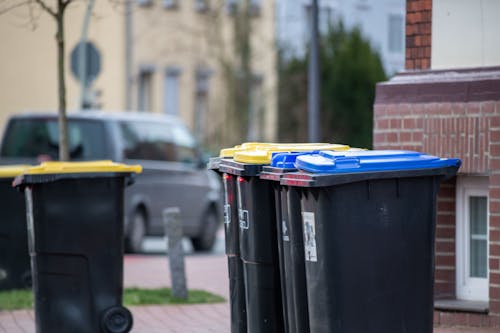
Many cities have already implemented or raised taxes on single-use plastic or paper bags at stores, reflecting environmental concerns tied to waste and litter — much of which affects sidewalks, parks, and public outdoor areas. These policies often aim to reduce consumption of disposable items and encourage reusable alternatives. As of 2025, some cities are adjusting bag taxes upward to increase compliance and curb waste production. It’s reasonable to expect this trend to continue, especially as waste management costs rise and environmental pressure grows.
For shoppers, this makes bringing your own bags more than just eco-friendly — it’s also about saving money. Over time, it may shift the culture of consumption in urban areas, especially for quick purchases or takeout orders.
8. Fees for infrastructure usage under streets, sidewalks, or utility tunnels
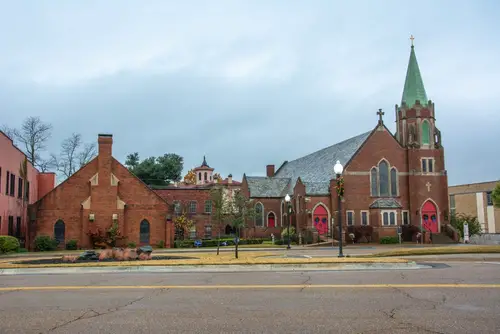
Cities sometimes impose fees or permits for construction, maintenance, or access to underground infrastructure — especially when it affects sidewalks, streets, or shared public spaces. For example, digging under a street or installing cables might now come with steeper conduit fees and hefty “right-of-way” permits. As cities update aging infrastructure or expand utilities, they may pass costs to contractors or businesses, which can eventually trickle down to consumers. By 2026, outdoor infrastructure work may be funded increasingly through these permit-based fees, effectively taxing use of public outdoor real estate.
For residents and businesses, this often means higher costs for renovations or utility work — which could reflect in higher rents or service fees. For urban planners, it’s a mechanism to manage and ration public outdoor space, while generating revenue for upkeep.
9. Outdoor dining, patios, and sidewalk cafés being taxed or re-regulated
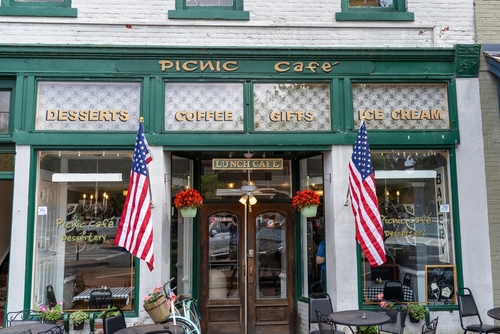
As al-fresco dining remains popular — especially in dense cities — municipalities might start taxing the use of public sidewalks, curbside areas, or outdoor dining spaces more heavily. Charging restaurants for using outdoor public spaces via permits or patio-use fees can help cities recoup costs for street cleaning, maintenance, waste removal, or enforcement. Given rising demand and limited public sidewalk/curb space, more cities may roll out structured fees or taxes for outdoor dining setups by 2026. For patrons, that could translate into slightly higher prices or fewer outdoor seating options in certain neighborhoods.
For restaurant owners, this is a cost — and could influence how many keep outdoor seating, or where they offer it (maybe inside rather than outside). For urban culture, it might subtly shift the vibe: fewer open-air cafés, or pricier brunches on the sidewalk.
10. Charges tied to public bike-parking / e-bike charging stations
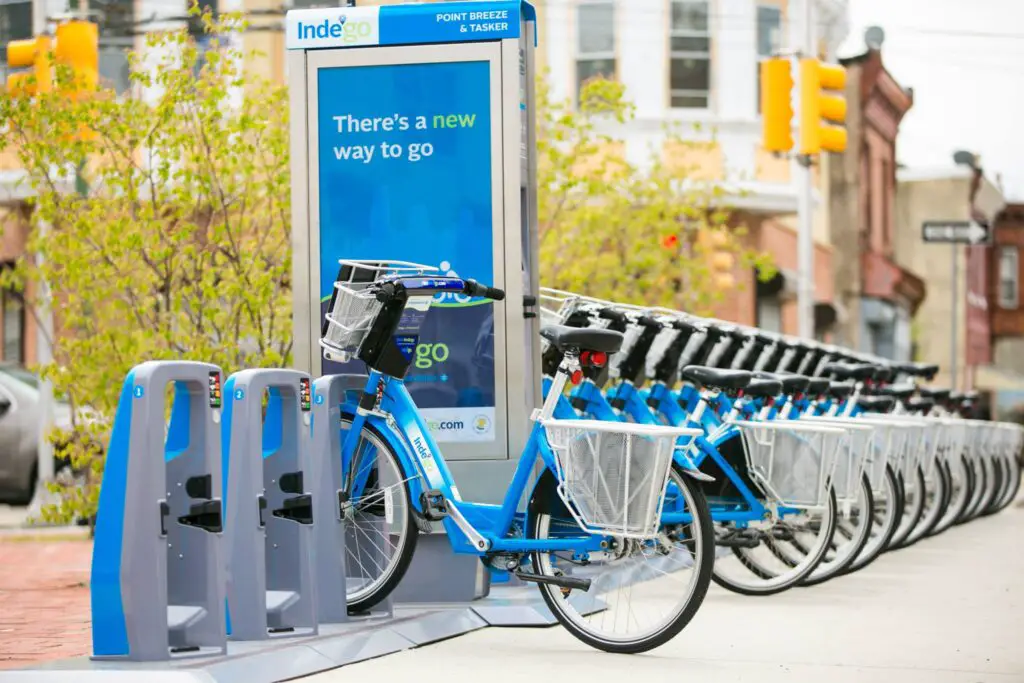
With more cities installing public bike-parking racks, e-bike charging or “swap” stations, some municipalities may view these as services worthy of user fees or taxes. As these installations occupy public sidewalks or curbside space and require maintenance, cities may start charging per-use fees or small monthly access fees. This recasts bike parking/charging as a utility — not a free amenity — especially as demand and maintenance cost rise. By 2026, using secure city bike parking or e-bike charging could involve a modest fee.
For cyclists or e-bike users, this could add a small recurring cost — though likely still much cheaper than car parking. For city budgets, it offers a way to fund sustainable transport infrastructure while managing space and upkeep costs.
11. Taxes or surcharges on outdoor-oriented recreational permits (parks, camping, public spaces)

Urban or regional governments may consider new fees or higher taxes for permits to use public outdoor amenities — parks, campgrounds, recreation areas, or public event spaces. As maintenance, staffing, safety, and amenities for public parks and recreation areas get more expensive, cities might shift a larger share of cost onto users. There’s historical precedent for taxing recreational activities or lodging; expanding that to urban parks or green-space reservations seems plausible. By 2026, booking a campsite, reserving a park pavilion, or using certain outdoor public spaces might come with a modest tax or surcharge.
This could particularly affect events, group gatherings, or favored outdoor spots — which could see usage drop or shift to private venues. It might also push cities to improve amenities or offer tiered pricing (free basic access, paid perks) depending on demand and maintenance needs.
12. Licensing fees for informal outdoor vendors, street-side vendors, and food trucks
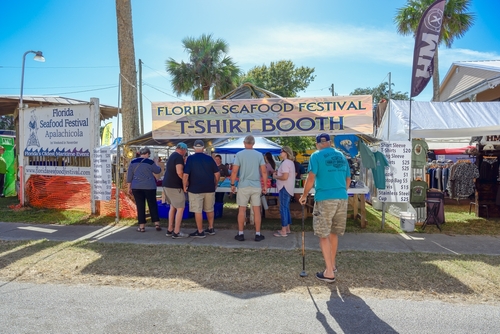
Cities often regulate street-side vendors and food trucks through licensing, but we might see more stringent licensing fees, permits, or new taxes on those who operate outdoors — especially in busy pedestrian zones. As cities try to balance commerce, urban order, and sanitation, fees for vending licenses or outdoor commerce permits could increase. The justification: costs associated with trash removal, sidewalk maintenance, regulation, and oversight. By 2026, grabbing a taco from a street vendor may come with a modest surcharge baked into the price.
For small entrepreneurs, that could raise the bar for participation — maybe fewer vendors or higher prices for street food. For urban vibrancy, it could shift the balance between official storefronts and informal commerce in public spaces.
13. Stormwater runoff fees tied to outdoor surfaces
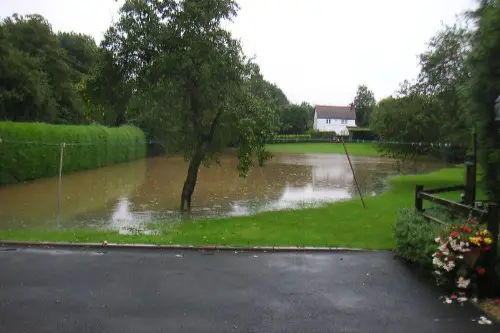
Many cities are expanding stormwater fees based on how much runoff a property generates, and that often comes down to outdoor features like driveways, patios, and other hard surfaces. These impervious areas prevent rain from soaking into the ground, which increases strain on drainage systems and can worsen flooding. Municipalities are turning to runoff-based fees to fund infrastructure upgrades and environmental protections. By 2026, it’s likely more cities will adopt updated formulas that specifically factor in how much paved outdoor space a property has.
For homeowners, this could mean rethinking landscaping choices or reducing paved areas to lower their assessments. Some cities may even offer credits for installing permeable pavers, rain gardens, or other green solutions. Businesses with large parking lots could see the biggest changes, prompting them to redesign outdoor layouts. It’s a shift that ties taxation directly to environmental impact — especially as climate resilience becomes a bigger priority.
This post 13 Outdoor Additions Cities Are Preparing To Tax Differently by 2026 was first published on Greenhouse Black.
