
1. The “everything has a home” organizer
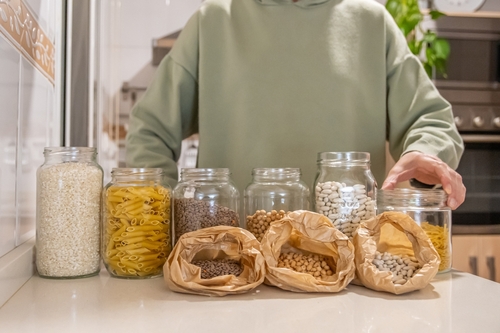
People who keep every utensil and gadget in a designated spot tend to score higher on conscientiousness. This doesn’t mean they’re rigid—it just means predictability helps them feel grounded. Studies on personality and spatial organization link this trait with better follow-through on tasks. If their kitchen feels like a well-run train station, it’s often because that structure supports their mental clarity.
You’ll also notice these folks rarely misplace things, which reinforces their tidy habits. Their systems aren’t just for show—they reduce cognitive load. When something’s missing, it genuinely disrupts their rhythm. That reaction alone is a cue that order isn’t aesthetic; it’s how they function best.
2. The countertop minimalist
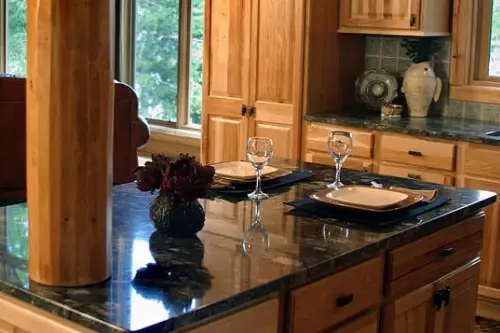
A nearly empty counter often suggests someone who values mental calm and low visual stimulation. Researchers often connect cluttered environments with increased stress, so it makes sense these people avoid it. They usually only keep out the items they use daily, like a coffee maker. Their space signals that simplicity helps them stay focused.
Interestingly, their avoidance of clutter doesn’t always extend to other areas of life. But in the kitchen—an active, sensory-heavy space—the quiet helps them think. They tend to prefer routines and dislike feeling rushed. Their minimalist surfaces are basically invitations for smoother mornings.
3. The appliance enthusiast
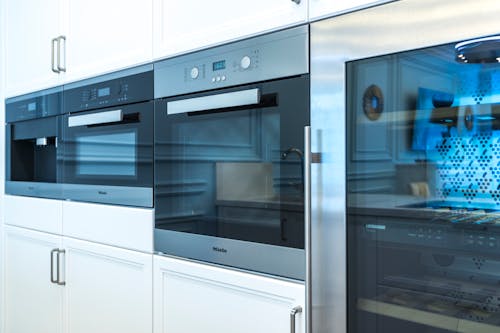
When someone displays multiple gadgets—air fryers, blenders, espresso machines—it can be a cue they score high in openness. They enjoy experimenting, especially with food, and gadgets are their tools for novelty. People like this often see cooking as creative play. Their kitchen becomes a mini-lab for trying new flavors and techniques.
These individuals are also more likely to follow trending recipes or explore global cuisines. Their enthusiasm shows they’re comfortable learning new skills. They may not cook every day, but when they do, they want options. Their appliances reflect both curiosity and a desire to customize experiences.
4. The “organized chaos” cook

A kitchen that looks messy mid-task but functions smoothly usually belongs to someone who’s flexible and improvisational. They know where everything is even if outsiders can’t see the system. Psychologists sometimes call this “self-consistent ordering”—it works for one person, even if not ideal for guests. This style points to creativity paired with comfort in mild disorder.
These cooks excel when they’re allowed to follow instincts rather than recipes. They may not clean as they go, but the results still come together. Their personality tends to lean spontaneous rather than structured. They don’t feel stressed by clutter because they trust their own process.
5. The label maker devotee
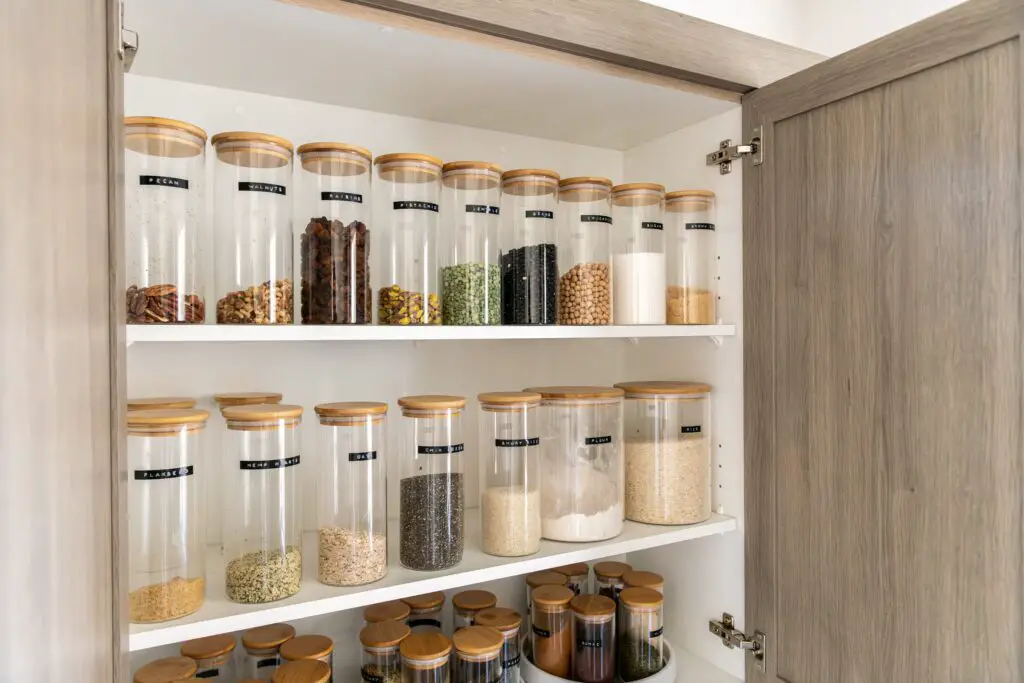
Pantry bins with crisp labels are signals of a highly conscientious person. They like clear categories and dislike ambiguity. Labels help reduce decision fatigue, which they’re particularly sensitive to. Their environment reflects a need for control and predictability.
They’re often early to appointments and reliable with commitments. Their kitchens run like small, well-labeled ecosystems. They prefer not to waste time hunting for ingredients. The labels aren’t aesthetic first—they’re an efficiency tool.
6. The sentimental display keeper

Open shelves filled with heirloom dishes or meaningful mugs often indicate nostalgia-leaning personalities. These people value emotional continuity and family tradition. Keeping meaningful objects visible helps them feel connected. Their kitchen becomes a memory gallery as much as a workspace.
They may not mind dusting a little extra if it means keeping items on display. Emotional significance guides their choices more than practicality. They may enjoy retelling the story of where each item came from. This emotional orientation typically correlates with warmth and attachment-focused traits.
7. The spice collector
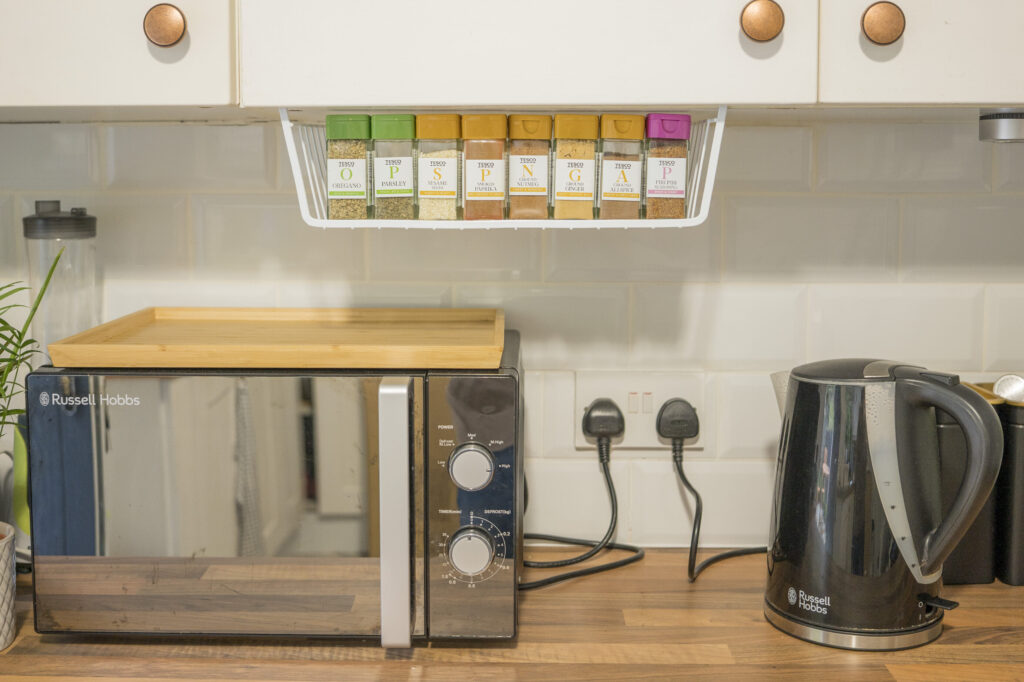
A vast spice rack—especially an alphabetized or global one—often signals curiosity and culinary adventurousness. These people enjoy sensory variety. Research shows that openness correlates with willingness to try new foods. Spices are their passport to creativity.
They may cook intuitively, mixing seasonings until something “feels right.” They often host dinners because experimenting in front of others energizes them. Their spice collection is both a toolbox and a personality statement. It shows they see food as exploration.
8. The refrigerator curator

People who carefully arrange their fridge, often grouping by food type or meal plan, tend to prioritize health or efficiency. They like reducing waste and making decisions quickly. Their organization reflects intentional living. They structure their environment to support their habits.
You’ll often find prepped vegetables or neatly stored leftovers. This signals planning and foresight. They think in terms of “future me” benefits. Their fridge communicates a proactive, rather than reactive, mindset.
9. The gadget minimalist
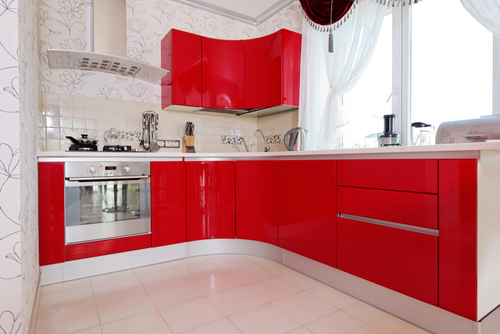
Someone who avoids owning many tools often prefers straightforward routines and dislikes unnecessary complexity. They use a few trusted basics rather than specialty gear. This reflects practicality and low need for novelty. Their choices lean toward functionality over experimentation.
These individuals may cook the same dishes repeatedly because they value predictability. They don’t chase trends; they stick to what works. Their stripped-down kitchen reduces decision overwhelm. This preference often aligns with lower openness but solid consistency.
10. The open-shelf stylist
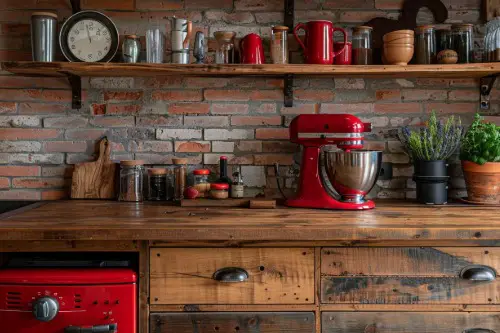
A kitchen with open shelving that’s intentionally arranged suggests aesthetic sensitivity. These people care about the visual feel of their space. Their choices reflect attention to detail and an appreciation for design. Cooking is both functional and atmospheric for them.
They often choose matching dishware or color-coordinated items. This signals higher aesthetic openness. They may not be the fastest cooks, but they value the experience. Their kitchen shows they treat the environment as part of the meal.
11. The “clean-as-you-go” chef
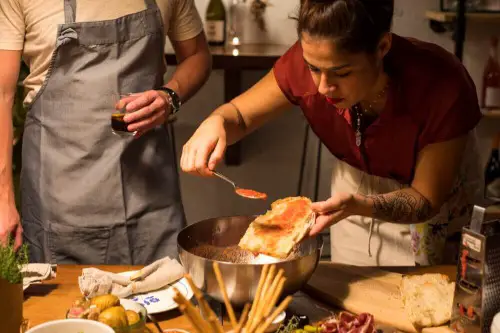
People who wash dishes or wipe counters while cooking often score high in conscientiousness and dislike sensory clutter. They feel more relaxed when the area stays tidy. Their workflow depends on minimizing chaos. This habit reduces stress and helps them focus.
These individuals often extend the habit into other areas of life, like keeping workspaces neat. They recover from tasks quickly because the cleanup is already done. This approach reflects planning and emotional self-regulation. Their kitchens rarely look chaotic for long.
12. The pantry stockpiler
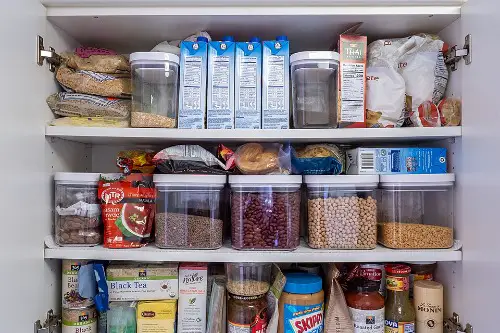
A well-stocked pantry—sometimes even overstocked—can signal preparation-oriented personalities. These people like feeling ready for anything. It ties to a desire for security and control. Their kitchen is a buffer against unpredictability.
They may buy in bulk or keep backups of staples. This doesn’t necessarily mean they’re anxious; it can reflect foresight. They feel calmer knowing they won’t run out of essentials. Their pantry is evidence of strategic planning.
13. The multipurpose kitchen user
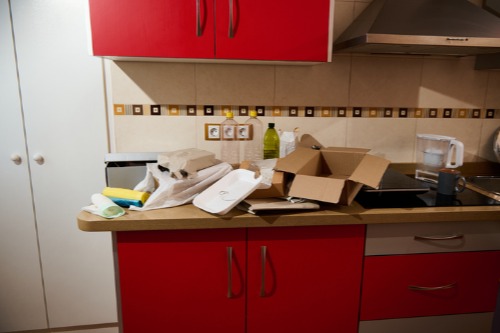
When a kitchen doubles as a workspace, homework zone, or hobby corner, it often reflects an extroverted or community-oriented personality. These people view the kitchen as the home’s social core. They like being around activity. Their space supports multitasking and conversation.
They may keep extra seating or leave space for group cooking. Their kitchen invites participation. It signals sociability and openness to interruptions. The room’s setup encourages connection as much as cooking.
This post 13 Personality Cues Hidden in the Way People Organize Their Kitchens was first published on Greenhouse Black.
