
1. Electric Cars
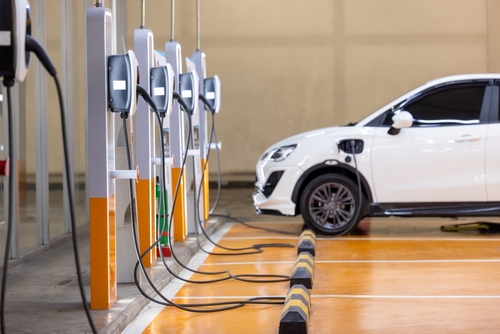
Electric cars were hailed as the saviors of modern transportation, promising zero emissions and a break from fossil fuel dependency. And while that’s partly true at the tailpipe, their environmental story isn’t so clean once you look under the hood. Producing lithium-ion batteries requires massive mining operations for lithium, cobalt, and nickel—materials often extracted through destructive and exploitative methods. The energy used in battery manufacturing can offset the carbon savings for years, especially when charged from coal-heavy grids.
When these batteries reach the end of their life, recycling them isn’t straightforward either. Many still end up in landfills, leaking hazardous materials that contaminate soil and groundwater. While advances in recycling tech are emerging, the infrastructure isn’t widespread enough to handle the growing wave of battery waste. So, while electric cars help reduce tailpipe emissions, they also shift pollution elsewhere in the supply chain. It’s a classic case of solving one problem while creating another.
2. Solar Panels
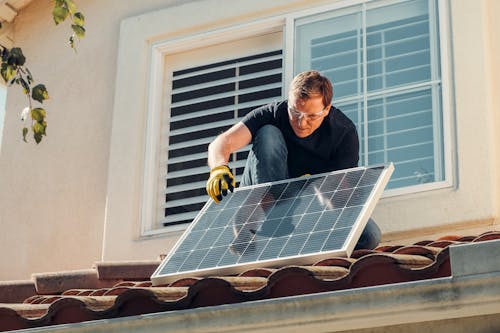
Solar panels look like the perfect symbol of green energy—quietly soaking up sunlight and producing clean power. But the materials inside them tell a less sunny story. Manufacturing photovoltaic cells requires hazardous chemicals such as cadmium and lead, and the process produces toxic waste that’s tough to dispose of safely. Plus, solar panels are energy-intensive to make, often relying on coal-powered factories in countries like China.
Then comes the issue of end-of-life management. Solar panels typically last around 25–30 years, and the first big wave of early installations is now reaching retirement age. Recycling the complex mix of glass, silicon, and heavy metals is costly and inefficient, meaning many end up in landfills. What was meant to be clean energy is now creating a new form of electronic waste we’re not fully prepared to handle.
3. Wind Turbines
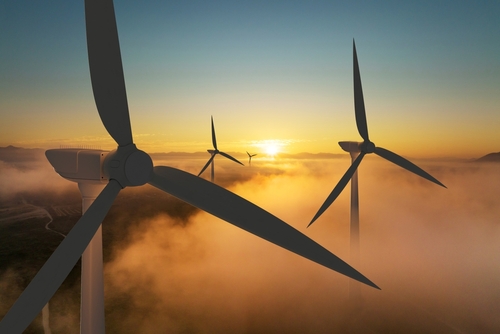
Wind turbines look majestic on the horizon, spinning gracefully to harness nature’s power. But beneath that clean image lies a surprising waste problem. The blades are made from fiberglass and carbon fiber composites that are extremely difficult to recycle. When they wear out—typically after 20 years—many are buried in landfills because they can’t be economically repurposed.
There’s also the ecological toll during their operation. Wind farms can disrupt bird and bat populations, particularly migratory species that aren’t adapted to avoid the massive spinning blades. Manufacturing and transporting these giant structures use enormous amounts of steel, concrete, and resin, each with a heavy carbon footprint. So while wind energy itself is renewable, the infrastructure that enables it still comes with some serious environmental baggage.
4. LED Light Bulbs

LEDs revolutionized lighting by using a fraction of the energy of traditional bulbs and lasting for years. But the environmental benefits dim when you examine the materials inside. LEDs contain rare earth elements like gallium and indium, which are mined through highly polluting processes. The extraction often involves toxic chemicals that can contaminate water and soil in mining regions.
Another overlooked issue is e-waste. Because LED bulbs are part of the broader electronic waste stream, they’re rarely recycled properly. The small amount of valuable material inside isn’t worth the recovery cost, so most LEDs end up in landfills. Over time, their complex mix of metals and plastics adds to the growing pile of tech trash—just at a smaller scale than old electronics.
5. Biodegradable Plastics
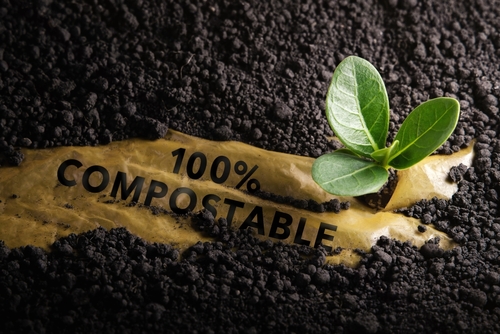
“Biodegradable” sounds like the perfect fix for plastic pollution—but it’s often misleading. Many biodegradable plastics only break down under industrial composting conditions that most communities don’t have access to. Toss one into a regular landfill or ocean, and it can linger for decades, just like traditional plastic. In some cases, it breaks into microplastics even faster, worsening pollution instead of solving it.
Manufacturing biodegradable plastics also isn’t as green as it seems. They’re often made from crops like corn or sugarcane, which require fertilizers, land, and water to grow. This drives up carbon emissions and contributes to deforestation in some areas. So while “biodegradable” packaging might ease guilt, it doesn’t necessarily ease the planet’s burden.
6. Paper Straws

Paper straws were the viral symbol of eco-consciousness after plastic ones got banned in many cities. But paper straws come with their own set of environmental quirks. Producing paper takes a lot of water and energy, and some versions are coated with PFAS—“forever chemicals” that don’t break down easily. That means many “eco-friendly” paper straws can’t actually be composted or recycled safely.
And while they degrade faster than plastic, they still add up when used at massive scale. The shift also created a supply surge in paper manufacturing, contributing to deforestation in areas already struggling with habitat loss. Plus, most paper straws are single-use anyway, negating much of the intended sustainability. Sometimes the greener option is just bringing your own reusable straw.
7. Smart Home Devices

Smart thermostats, light switches, and assistants promise energy efficiency through automation. And yes, they can optimize heating or lighting in ways that save energy. But manufacturing millions of these tiny devices requires vast amounts of metals, plastics, and semiconductors. Add in short product lifespans and constant upgrades, and you’ve got a new stream of e-waste growing every year.
The data centers powering these “smart” ecosystems also consume huge amounts of electricity. Cloud processing, software updates, and always-on connectivity all demand energy, often from fossil-fueled grids. So while your smart thermostat might save a few kilowatts at home, the backend systems might quietly cancel out the benefit. It’s the hidden energy footprint of the Internet of Things.
8. E-Scooters
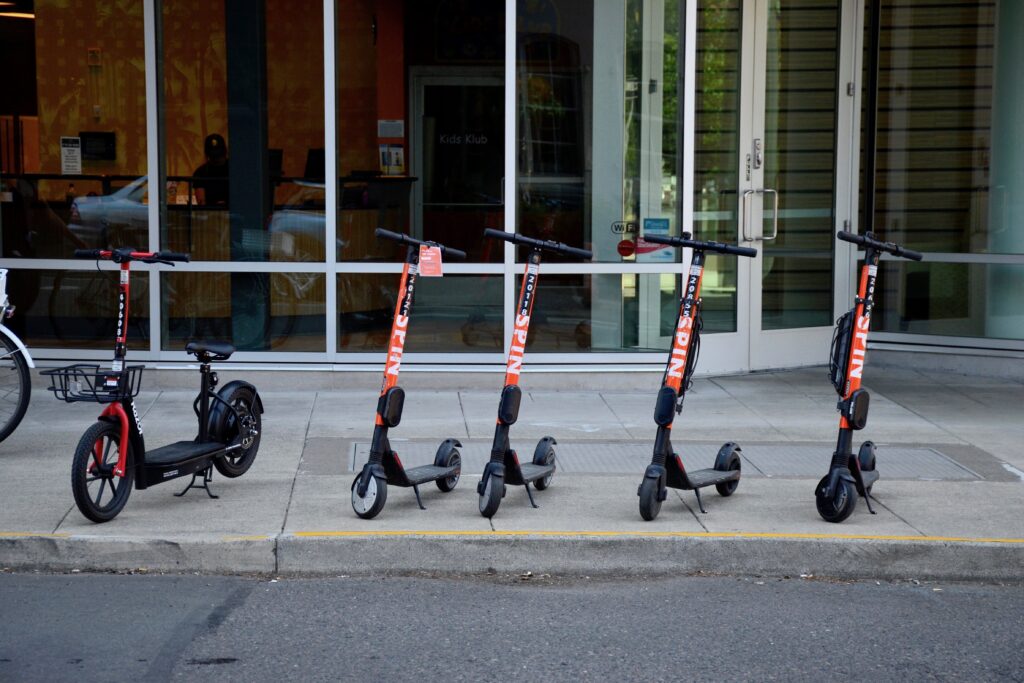
E-scooters popped up in cities as a quick, green alternative to cars for short trips. Unfortunately, their environmental record didn’t quite match the marketing. The average shared scooter lasts only a few months before breaking down, and many end up in landfills due to non-recyclable components. Building and shipping replacements generates a surprising amount of emissions.
Charging logistics make things worse. Vans and trucks often drive around nightly to collect and recharge scooters, burning fuel in the process. A 2019 study found that, once you account for their short lifespans and charging emissions, e-scooters can actually produce more CO₂ per mile than a bus ride. It’s a reminder that convenience often comes at a hidden environmental cost.
9. Hydrogen Fuel Cells
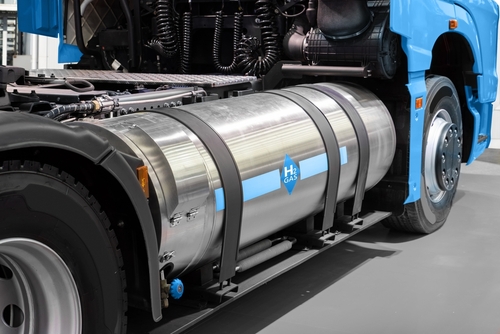
Hydrogen fuel cells are touted as the clean future of transportation and energy. When they operate, they emit only water vapor—sounds perfect, right? But producing hydrogen fuel is energy-intensive, and most of it today comes from natural gas through a process called steam methane reforming. That process emits large amounts of CO₂, undercutting the “zero emissions” claim.
Even when hydrogen is made through electrolysis using renewable energy, the overall efficiency remains low. Storing and transporting hydrogen safely adds more challenges and energy losses. The infrastructure required is expensive and far from carbon-neutral to build. Until production shifts to truly green hydrogen, the technology remains more gray than green.
10. Compact Fluorescent Lamps (CFLs)
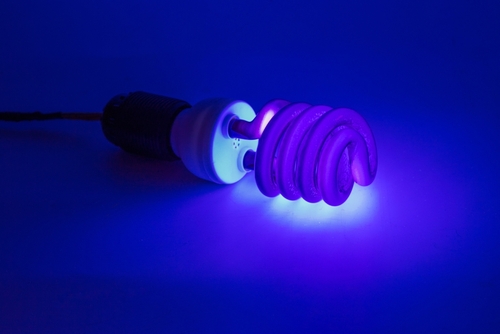
Before LEDs, CFLs were the poster child for efficient lighting. They used less power than incandescent bulbs and lasted longer. But they came with a nasty catch—each one contains mercury, a toxic heavy metal that can harm both people and wildlife. Improper disposal means that mercury can leach into the environment, creating a serious contamination problem.
While recycling CFLs is possible, it’s rarely done properly because of the inconvenience and cost. Millions end up in regular trash streams each year, undoing much of their intended environmental benefit. As LEDs took over, many CFLs were also prematurely discarded, adding to e-waste. What started as a greener lighting revolution ended up lighting the path to a new pollution problem.
11. Reusable Coffee Cups

Reusable coffee cups were supposed to end the tyranny of single-use cups. But many popular versions are made from complex materials like silicone, plastic, or bamboo composites that aren’t recyclable. Some need to be used hundreds of times before they offset the emissions from production. And that’s assuming they don’t end up forgotten in a drawer after a week.
Washing and maintaining reusable cups also uses energy and water, which can add up depending on frequency and method. Many well-meaning consumers don’t realize that the true benefit comes only after consistent, long-term use. When trends drive mass production of “eco” items people don’t actually reuse, it just becomes more consumption disguised as sustainability. Sometimes less really is more.
12. Digital Devices and Cloud Storage

Going “paperless” was supposed to save trees, but digital tech comes with its own environmental baggage. Every photo, video, or document in the cloud lives in a data center—massive warehouses of servers that consume enormous energy. Even small digital habits, like constant streaming or storing backups, quietly rack up carbon emissions. And as the demand for cloud storage grows, so does the need for new data centers.
Then there’s the physical side of all that tech. Smartphones, tablets, and laptops require rare metals and have short lifespans, fueling a mountain of electronic waste. The “invisible” nature of digital pollution makes it easy to ignore, but its global footprint rivals that of the airline industry. Going paperless didn’t make us weightless—it just shifted our footprint online.
13. “Eco” Fast Fashion Lines

Many clothing brands launched “eco-friendly” or “conscious” collections made from recycled materials. But most of these lines still operate within the fast fashion model—cheap, trendy, and short-lived. Recycling plastic bottles into polyester fabric sounds great, but it releases microplastics every time you wash it. And the overall production still depends on fossil fuels and energy-intensive supply chains.
Worse yet, greenwashing in fashion often distracts from overproduction, the industry’s biggest issue. A small percentage of recycled fabric doesn’t offset the waste from millions of unsold garments dumped or burned each year. Even “organic cotton” has a high water footprint when grown at scale. The best eco-fashion move might just be buying less, not buying “greener.”
This post 13 Pieces of “Eco-Friendly” Tech That Ended Up Hurting the Planet Anyway was first published on Greenhouse Black.
