
1. Carmel-by-the-Sea, California
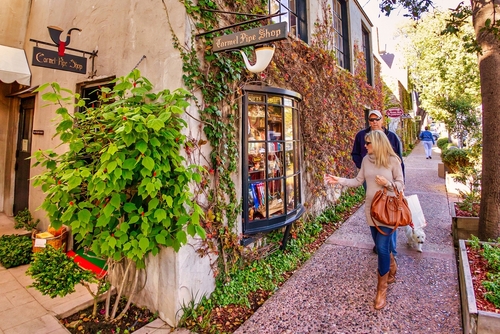
Carmel-by-the-Sea draws people with its storybook scenery and ocean calm. It promises a refined, peaceful coastal lifestyle. Many imagine long walks and quiet afternoons by the water. The town initially feels like a retreat.
The reality is tightly constrained living. Housing is extremely expensive, and short-term visitors dominate the town. Rules and regulations can feel restrictive over time. Some people decide peace shouldn’t feel so limiting.
2. Sedona, Arizona
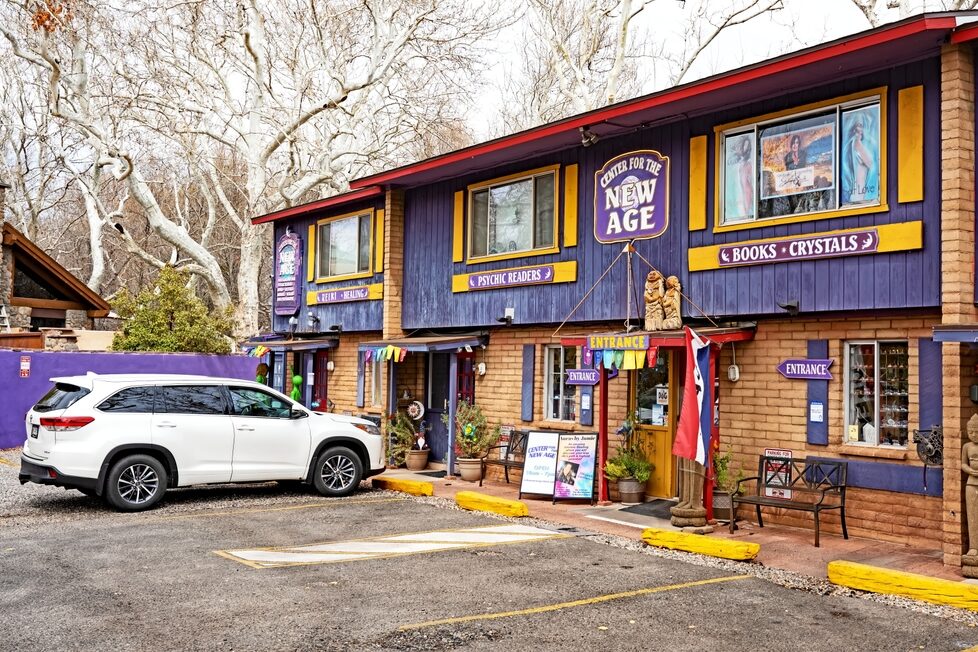
People arrive in Sedona chasing silence, red-rock vistas, and a slower spiritual rhythm. The town’s reputation for healing retreats, hiking, and starry skies is well earned. Many newcomers imagine mornings on the trails and afternoons in quiet reflection. At first, it really does feel like a reset button for life.
What nudges people out is how small and expensive daily life can feel. Housing costs are high, rentals are scarce, and wages rarely match the cost of living. Tourism never really sleeps, so the “peace” can vanish during peak seasons. Over time, some residents quietly realize serenity is easier to visit than to afford.
3. Boulder, Colorado
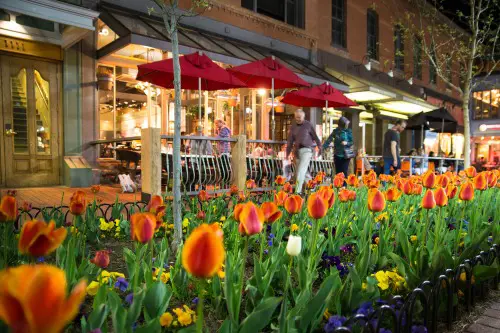
Boulder sells a vision of healthy living, open space, and intellectual calm. With trails starting near town and a strong outdoors culture, it promises an active but peaceful life. Many people move there to slow down without giving up stimulation. On paper, it looks like an ideal compromise.
The downside often comes down to cost and competition. Housing prices are among the highest in the region, and even everyday expenses add up quickly. The culture can also feel intense rather than relaxed, especially around work and fitness. Some residents leave quietly, looking for a softer pace elsewhere.
4. Santa Fe, New Mexico
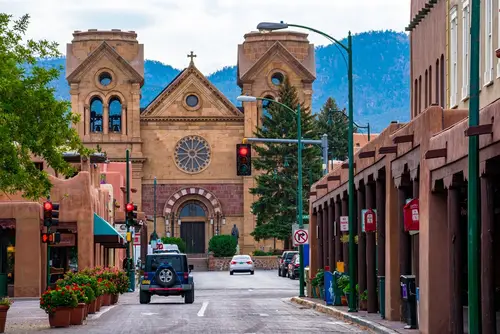
Santa Fe appeals to people craving quiet beauty and deep cultural roots. Its adobe architecture, art scene, and desert light create a strong sense of place. Many newcomers expect a contemplative lifestyle shaped by history and tradition. The town initially delivers that atmosphere.
Over time, isolation can become an issue. Job opportunities are limited, healthcare options can feel thin, and the population skews older. Winters are colder and longer than many expect. For some, the calm turns into stagnation.
5. Taos, New Mexico
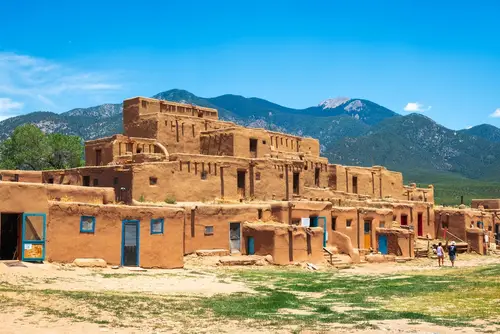
Taos attracts people seeking radical simplicity and creative solitude. The landscape is dramatic, and the town has long been associated with artists and off-grid living. New residents often imagine a stripped-down, intentional life. It can feel deeply peaceful at first.
Daily realities can be harder than expected. The economy is small, services are limited, and infrastructure can be unreliable. Social life may feel sparse, especially for newcomers. Many people eventually decide the quiet is too complete.
6. Bend, Oregon
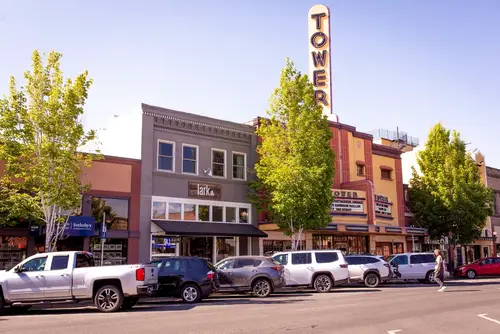
Bend promises rivers, trails, and a friendly small-city feel. It’s marketed as a place where work ends early and outdoor life takes over. People move there hoping for calm without giving up modern comforts. Initially, the lifestyle feels effortless.
Rapid growth has changed the equation. Housing costs have risen sharply, and traffic has followed. Seasonal smoke from wildfires also disrupts the outdoor appeal. Some residents leave when the stress starts to outweigh the scenery.
7. Bozeman, Montana
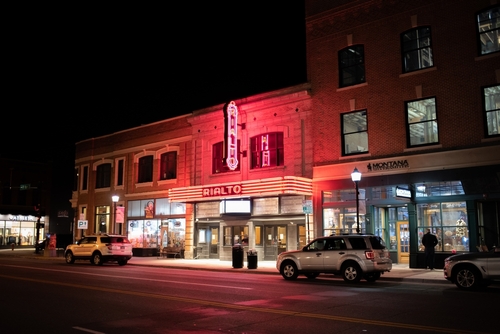
Bozeman draws people in with wide-open spaces and mountain views. It feels like a gateway to a quieter, more grounded way of living. Many newcomers are looking to escape crowded cities. The town can feel refreshingly simple at first.
That simplicity comes with trade-offs. Winters are long and intense, and the cost of housing has climbed rapidly. Jobs outside a few key industries can be hard to find. Over time, some people realize they underestimated the challenges.
8. Jackson, Wyoming
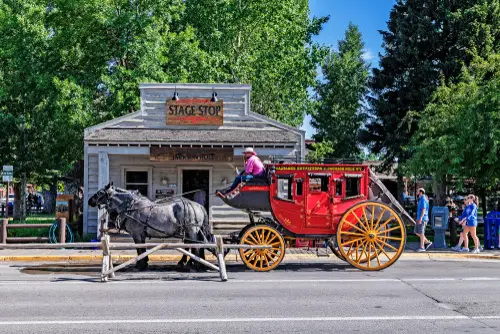
Jackson offers dramatic beauty and a strong sense of escape. People move there dreaming of silence, wildlife, and endless outdoor access. The town feels tucked away from the noise of the world. For a while, that isolation is the main draw.
The cost of living quickly becomes the deciding factor. Housing is extremely limited, and everyday expenses are high. Many workers commute long distances just to make it viable. Eventually, the peaceful dream feels financially unsustainable.
9. Ithaca, New York
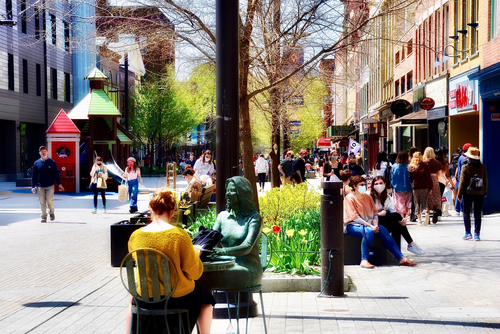
Ithaca attracts people with its gorges, lakes, and intellectual atmosphere. It promises a thoughtful, quiet life anchored by nature. New residents often love the walkability and community feel. At first, it seems both calm and stimulating.
The long, gray winters can wear people down. Job options outside academia are limited, and the town’s small size becomes more noticeable over time. Some find the social scene harder to break into than expected. Gradually, the appeal fades.
10. Burlington, Vermont
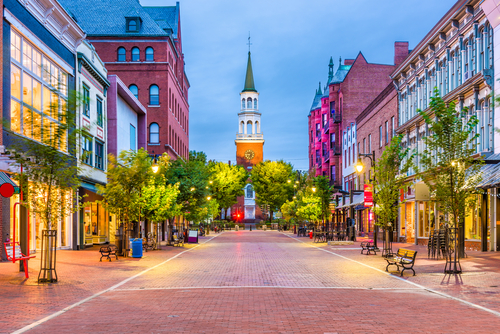
Burlington sells a vision of lakeside peace and progressive values. It feels friendly, compact, and connected to nature. Many people move there for a slower, community-focused lifestyle. The city often lives up to that image initially.
Winter is usually the turning point. The cold season is long, dark, and demanding, especially for newcomers. Housing can be expensive and hard to secure. Some residents decide the quiet comes at too high a cost.
11. Port Townsend, Washington
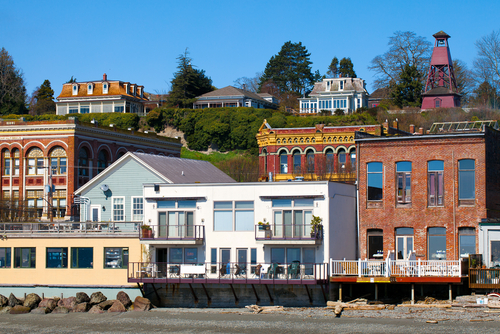
Port Townsend appeals to people drawn to coastal calm and historic charm. It feels removed from major city stress while still being scenic. New arrivals often imagine misty mornings and a creative, gentle pace. The town delivers a strong sense of tranquility.
That tranquility can slip into isolation. Employment opportunities are limited, and the population trends older. Access to specialized healthcare requires travel. Over time, some people quietly move on.
12. Marfa, Texas

Marfa attracts people craving extreme quiet and artistic minimalism. Its remote desert setting and curated art scene feel intentionally slow. Newcomers often see it as an antidote to overstimulation. The stillness can be striking at first.
The remoteness eventually weighs on daily life. Basic services, shopping, and medical care require long drives. Social options are limited once the novelty wears off. Many residents leave without much fanfare.
13. Asheville, North Carolina
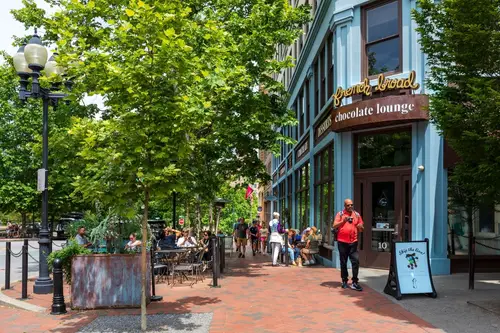
Asheville draws people in with mountain air, creative energy, and a laid-back vibe. It feels like a place where art, nature, and community overlap effortlessly. New arrivals often picture cozy neighborhoods and weekends on the Blue Ridge Parkway. For a while, the balance feels just right.
The reality sets in when growth pressures show up everywhere. Traffic has increased, housing prices have surged, and service jobs dominate the market. Some people also find the town smaller and more insular than expected. Eventually, the calm they came for feels harder to hold onto.
This post 13 Places People Move for “Peace” — Then Leave Quietly was first published on Greenhouse Black.
