
1. New Orleans, Louisiana
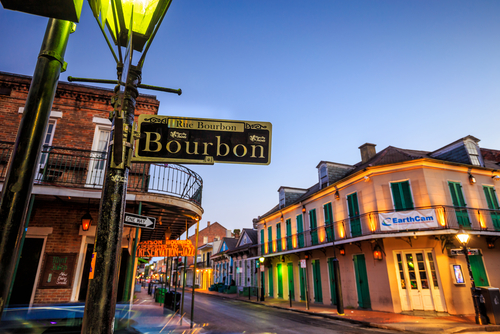
New Orleans has never returned to its pre-Katrina population peak, and census counts still show it below where it once was. Even so, demand never really disappeared because the city is a global tourism hub with festivals, conventions, and nonstop cultural pull. Short-term rentals, hospitality jobs, and second-home buyers all compete for limited housing stock. That pressure keeps prices and rents higher than you might expect for a shrinking city.
The local economy also isn’t built on tourism alone. Healthcare systems, port activity along the Mississippi River, and major universities provide stable employment. Neighborhoods like Uptown, Mid-City, and the Marigny remain consistently desirable. In New Orleans, lifestyle demand outweighs raw population math.
2. San Francisco, California
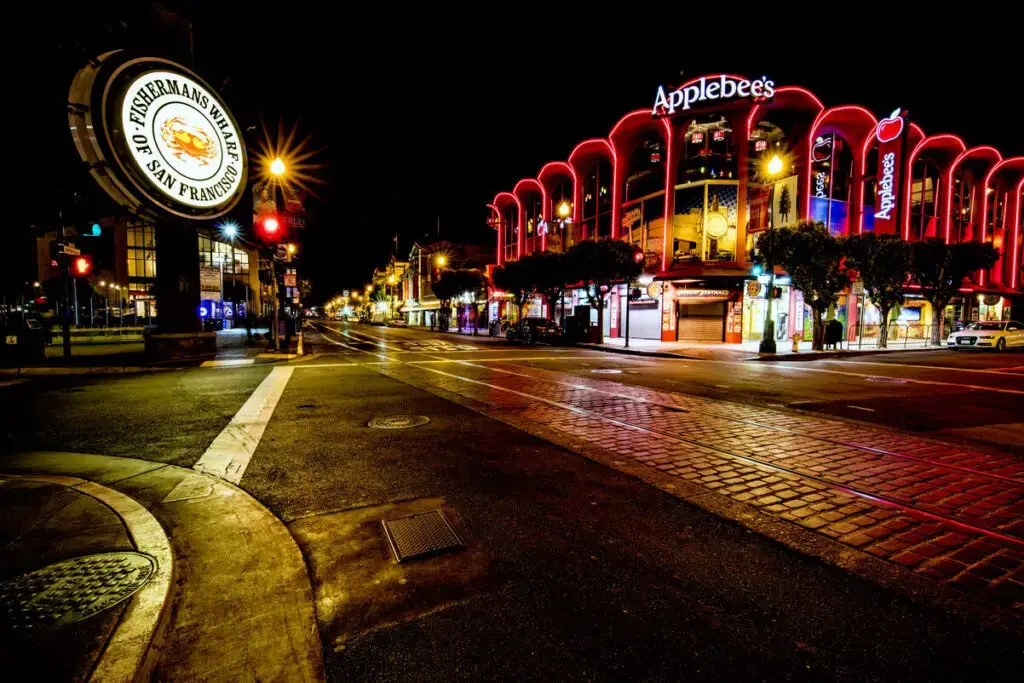
San Francisco’s population dipped noticeably after 2020 and remains below its previous peak. Despite that, housing demand has stayed strong due to the city’s unique position in global tech and finance. Even partial office reopenings and hybrid work arrangements keep high-earning workers tied to the region. Limited housing supply does the rest.
The city also benefits from international interest and long-term investor confidence. High-paying jobs in AI, biotech, and venture capital continue to cluster there. Neighborhoods like Noe Valley and Pacific Heights remain competitive. Fewer people hasn’t meant weaker demand, just a reshuffling of who lives there.
3. Chicago, Illinois
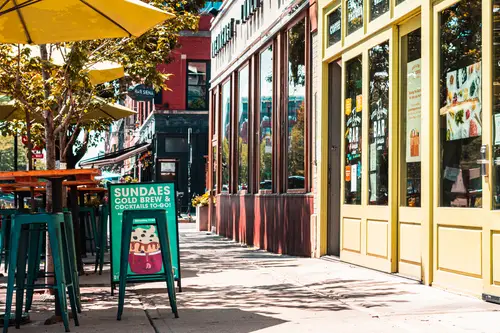
Chicago has seen slow population decline for years, especially compared to Sun Belt metros. Still, demand remains solid in many neighborhoods thanks to its role as the Midwest’s economic and cultural capital. Corporate headquarters, finance, and logistics continue to anchor employment. That keeps housing demand concentrated even as the city shrinks overall.
Downtown and lakefront neighborhoods remain particularly resilient. Areas like Lincoln Park and West Loop continue to attract young professionals and downsizers alike. The city’s infrastructure and transit also make it appealing compared to smaller Midwestern markets. Chicago shows how regional dominance can offset population loss.
4. Pittsburgh, Pennsylvania
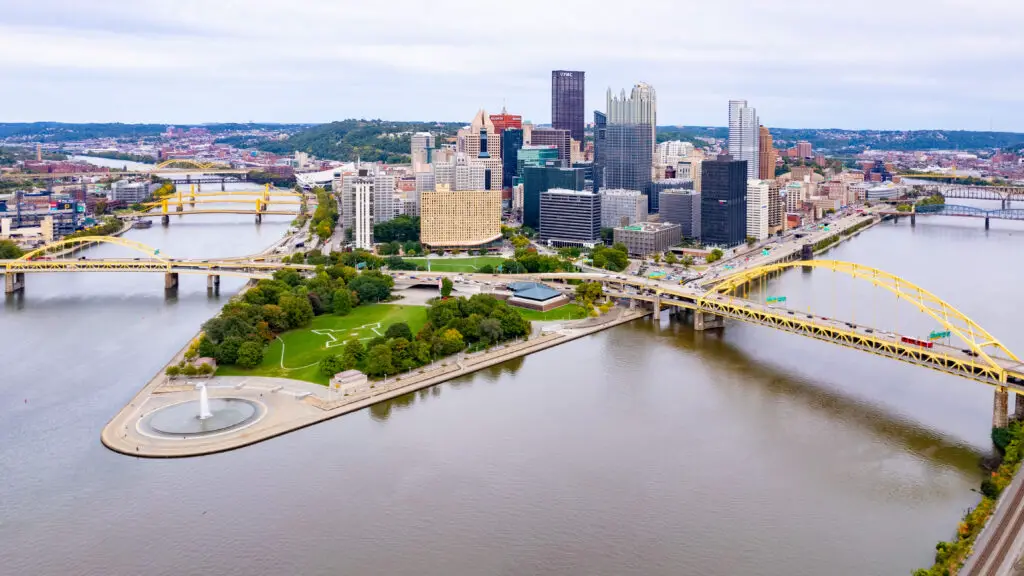
Pittsburgh’s population is far below its mid-20th-century peak, yet demand has quietly strengthened. The city reinvented itself around healthcare, robotics, and higher education. Major institutions like UPMC and Carnegie Mellon provide steady economic gravity. That stability translates into consistent housing demand.
The city’s affordability also plays a role. Buyers priced out of larger East Coast metros often look to Pittsburgh as a livable alternative. Neighborhoods like Lawrenceville and Shadyside have seen sustained interest. Population decline didn’t kill demand because the city changed what it offered.
5. Detroit, Michigan
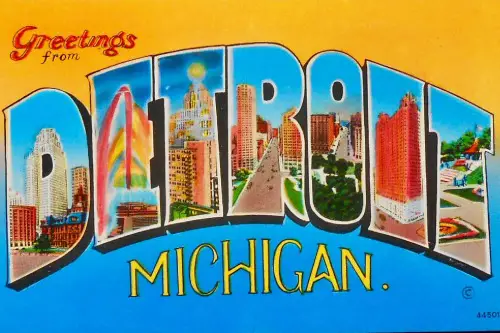
Detroit is often cited as the poster child for population loss, but demand tells a more nuanced story. While the city is far smaller than its peak, certain neighborhoods have seen strong resurgence. Investment tied to auto tech, mobility startups, and downtown redevelopment has reshaped demand patterns. The market is selective, not dead.
Downtown, Midtown, and Corktown continue to attract residents and investors. Housing stock in these areas is limited relative to interest. Cultural institutions and sports venues help sustain appeal. Detroit’s demand survives by concentrating rather than spreading evenly.
6. Cleveland, Ohio
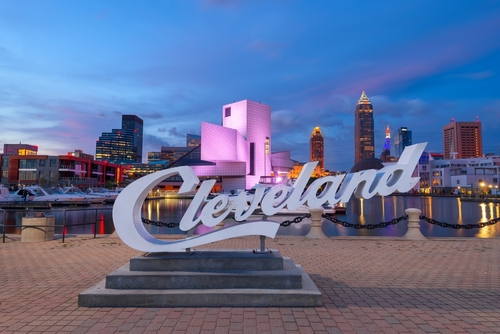
Cleveland’s population has steadily declined over decades, yet demand persists in key areas. The Cleveland Clinic acts as a massive economic engine with global reach. Healthcare workers, researchers, and students provide a constant inflow of residents. That keeps certain housing markets active.
Neighborhoods like Ohio City and Tremont remain popular with young professionals. Lakefront access and improving amenities add to the appeal. Cleveland also benefits from relative affordability compared to coastal cities. Demand here is anchored to institutions rather than raw population growth.
7. St. Louis, Missouri
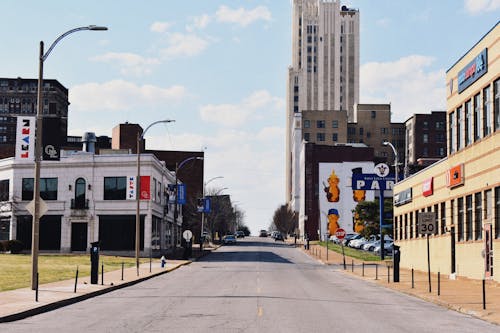
St. Louis city proper has lost residents for years, even as the metro area remains stable. Demand continues thanks to major employers in healthcare, biotech, and aerospace. Washington University and BJC Healthcare provide economic stability. Those anchors matter more than citywide population totals.
Historic neighborhoods like Central West End and Soulard remain desirable. Limited new construction helps keep supply in check. The city’s central location and cost advantages also attract relocations. St. Louis shows how strong institutions can sustain demand.
8. Baltimore, Maryland
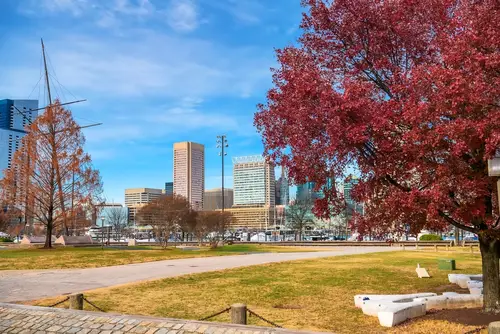
Baltimore has experienced long-term population decline, but housing demand hasn’t vanished. Johns Hopkins University and Hospital act as powerful economic drivers. Research, healthcare, and federal contracting support stable employment. That keeps renters and buyers in the market.
Neighborhoods like Federal Hill and Canton continue to see strong interest. Proximity to Washington, D.C. also plays a role. Some residents choose Baltimore for relative affordability while keeping D.C. jobs. Demand persists even as overall numbers fall.
9. Buffalo, New York
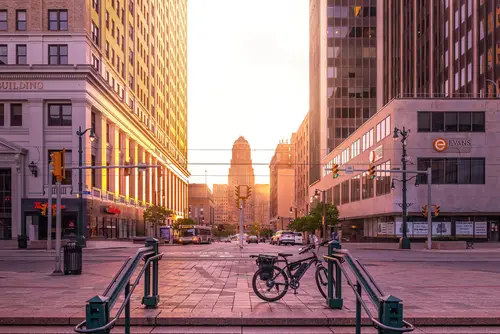
Buffalo’s population has shrunk dramatically since its industrial peak, yet demand has stabilized. Healthcare, education, and cross-border trade with Canada support the local economy. Major investments in medical campuses have reshaped parts of the city. That creates pockets of sustained housing interest.
The city’s historic housing stock also attracts buyers looking for character. Neighborhoods like Elmwood Village remain competitive. Buffalo’s affordability compared to other Northeastern cities adds to demand. Decline didn’t erase the city’s appeal.
10. Hartford, Connecticut

Hartford has struggled with population loss, particularly within city limits. Demand remains because it is a major insurance and finance hub. High-paying professional jobs continue to cluster there. That supports steady demand for housing, especially rentals.
Proximity to Boston and New York helps as well. Many residents work regionally while living locally. Neighborhoods near downtown employment centers remain active. Hartford’s economic role outweighs its population trends.
11. Albany, New York

Albany’s population growth has been flat to slightly negative, but demand holds firm. As New York’s state capital, government employment provides stability. Universities and healthcare systems add another layer of demand. These sectors are relatively recession-resistant.
The city benefits from consistent rental demand tied to public sector jobs. Historic districts and walkable neighborhoods stay attractive. Albany doesn’t need rapid growth to sustain its market. Predictability keeps demand alive.
12. Scranton, Pennsylvania

Scranton’s population is far below its coal-era peak, yet demand remains steady. Healthcare, logistics, and regional education institutions support employment. Its location between New York and Philadelphia also matters. Some buyers see it as a lower-cost alternative within reach of larger markets.
Housing affordability draws retirees and remote workers. Limited new construction keeps supply constrained. Certain neighborhoods have seen stable or rising prices. Scranton shows how modest demand can still thrive amid long-term decline.
13. Providence, Rhode Island
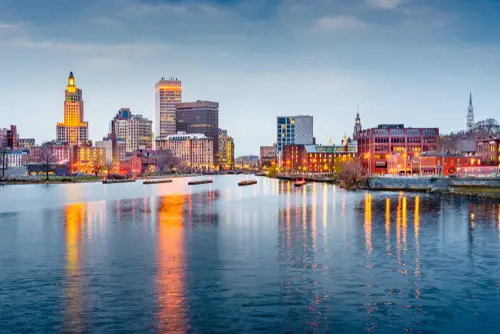
Providence has seen periods of population stagnation and modest decline. Demand persists thanks to strong higher education and healthcare sectors. Brown University and nearby institutions create consistent housing needs. That keeps the market active year after year.
The city’s arts scene and historic charm add lifestyle appeal. Proximity to Boston also helps draw residents priced out of larger metros. Walkable neighborhoods remain in demand. Providence benefits from being small but strategically positioned.
14. Honolulu, Hawaii

Honolulu has experienced population decline as residents move to the mainland for affordability. Demand remains intense due to extreme land constraints and global interest. Tourism, military presence, and international buyers all compete for housing. Supply simply cannot expand easily.
The city’s climate and lifestyle create constant appeal. Military rotations alone generate steady rental demand. Local job centers in government and defense provide stability. In Honolulu, demand stays strong even as headcounts dip.
This post 14 Places Where Population Decline Didn’t Kill Demand was first published on Greenhouse Black.
