
1. Buying without title insurance to save money

Title insurance exists to protect you from past ownership issues that you didn’t create. Liens, recording errors, undisclosed heirs, or forged documents can surface years after closing. When they do, the legal responsibility can land on the current owner. That is why lenders require it for themselves, even if buyers sometimes skip their own policy.
The consequence appears when someone else claims an interest in your property. Resolving title defects can cost tens of thousands of dollars in legal fees. Without insurance, you pay those costs yourself. With insurance, the policy typically covers defense and losses related to covered claims.
2. Skipping a property survey because the boundaries “look obvious”
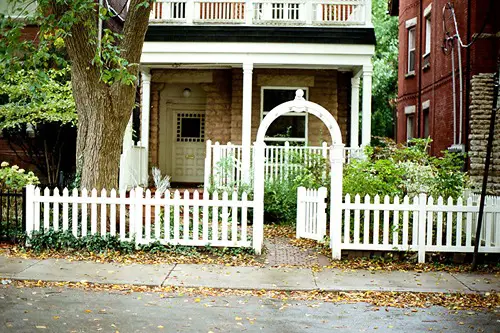
The reason this shows up on so many regret lists is that fences, trees, and driveways are not legal boundaries. A survey is the only way to confirm where your property actually begins and ends. Without one, you can unknowingly buy land with encroachments or build something that crosses a line. Fixing that later can mean legal fees, forced removal, or both.
This decision suddenly matters when a neighbor sells, builds, or disputes access. Title insurance often does not cover issues that a survey would have revealed. Municipalities can also deny permits if improvements sit over a boundary. What felt like a small upfront savings can turn into a very expensive correction.
3. Remodeling without permits because “it’s just cosmetic”
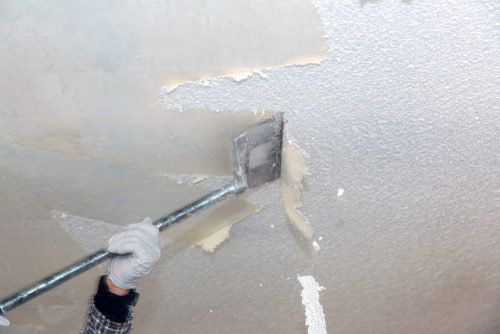
Permits exist to ensure work meets safety and building codes. Even projects that seem minor can involve electrical, plumbing, or structural changes. Unpermitted work can violate local ordinances or invalidate approvals for future projects. The issue is not the work itself, but the paper trail you skipped.
The consequences often show up when you sell or refinance. Buyers, inspectors, or appraisers may flag unpermitted work. Local authorities can require retroactive permits, fines, or removal. What saved time initially can delay a sale or reduce the property’s value.
4. Choosing an adjustable-rate mortgage without planning for the reset
Adjustable-rate mortgages often start with lower payments, which is why they are attractive. The key detail is that the rate adjusts after a fixed period, based on market conditions. When rates rise, monthly payments can increase sharply. This isn’t a surprise feature, but it is commonly underestimated.
The consequences hit when the adjustment period begins. Some homeowners find the new payment no longer fits their budget. Refinancing may not be an option if rates are higher or equity is lower. A decision made for short-term relief can reshape long-term affordability.
5. Ignoring zoning rules when changing how you use a property
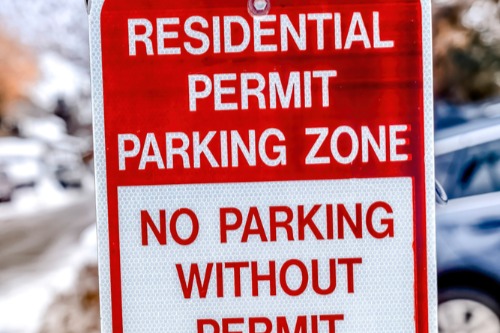
Zoning governs how land can be used, not just what can be built. Running a business from home, adding a rental unit, or converting a garage can all trigger zoning issues. Just because a previous owner did it does not mean it was legal. Zoning violations attach to the property, not the person.
This decision matters when neighbors complain or municipalities enforce compliance. Penalties can include fines, orders to stop use, or mandatory alterations. Some violations can also block permits or financing. Checking zoning first is far easier than undoing a noncompliant use later.
6. Assuming homeowners insurance covers every kind of damage

Standard homeowners insurance has clear exclusions. Flood damage, for example, is typically not covered without a separate flood policy. Earthquake coverage is also usually separate, depending on location. Many owners don’t realize these gaps until after a loss.
The consequence arrives when disaster strikes and a claim is denied. At that point, the policy language controls the outcome. Repair costs then fall entirely on the homeowner. Understanding coverage limits before something happens is critical.
7. Buying into an HOA without reading the governing documents

Homeowners associations have the power to enforce rules, collect dues, and impose fines. The covenants, conditions, and restrictions dictate what you can change, rent, or display. These documents are legally binding once you buy. Not reading them doesn’t weaken their authority.
Problems surface when you want to paint, remodel, or rent out the property. Violations can result in daily fines or legal action. In extreme cases, HOAs can place liens on properties for unpaid dues. That surprise loss of control is why this decision carries weight.
8. Turning a primary home into a rental without checking local laws

Short-term and long-term rentals are regulated differently across jurisdictions. Some cities require licenses, limit occupancy, or ban certain rental types outright. Taxes, safety requirements, and inspections may also apply. Assuming you can rent freely is a common mistake.
The consequences can include fines, forced tenant removal, or loss of rental income. Insurance policies may also change or become invalid if the use changes. Mortgage terms can be affected if occupancy requirements are violated. A quick check of local regulations can prevent these cascading issues.
9. Making improvements without considering property tax reassessment

Many local governments reassess property value after major improvements. Adding square footage, finishing a basement, or upgrading systems can increase assessed value. Higher assessments usually mean higher property taxes. The improvement itself may be desirable, but the ongoing cost is often overlooked.
The impact appears in the next tax bill. What felt like a one-time upgrade becomes a recurring expense. This can affect long-term affordability or resale calculations. Knowing how your jurisdiction handles reassessments helps avoid sticker shock.
10. Overlooking easements because they “don’t affect daily life”
Easements give others legal rights to use part of your property. Utility access, shared driveways, and drainage rights are common examples. They are recorded and remain with the land regardless of ownership. Easements limit what you can build or change in those areas.
The consequences emerge when you plan a fence, addition, or landscaping. You may be required to remove improvements that interfere with the easement. Disputes can also arise if access is blocked. Understanding easements upfront prevents costly redesigns.
11. Holding onto a property without understanding capital gains rules

Selling a property can trigger capital gains taxes depending on use and timing. Primary residences often qualify for exclusions, but rentals and investment properties are treated differently. The length of ownership and improvements made can affect tax liability. These rules are specific and strictly applied.
The issue arises at sale, when taxes reduce net proceeds. Owners are sometimes surprised by the size of the tax bill. Planning ahead can involve timing the sale or documenting improvements. Without planning, the financial hit feels sudden and unavoidable.
12. Failing to disclose known issues when selling

Most jurisdictions require sellers to disclose known material defects. This includes things like water intrusion, structural problems, or past repairs. Disclosure laws are designed to protect buyers from hidden risks. Omitting information can create legal exposure long after closing.
The consequences appear if a buyer discovers the issue later. Lawsuits can seek repair costs, damages, or even rescission of the sale. Defending these claims is expensive and stressful. Honest disclosure upfront is far safer than dealing with legal fallout later.
This post 12 Property Decisions That Suddenly Come With Consequences was first published on Greenhouse Black.
