
1. Trendy Wallpaper Everywhere
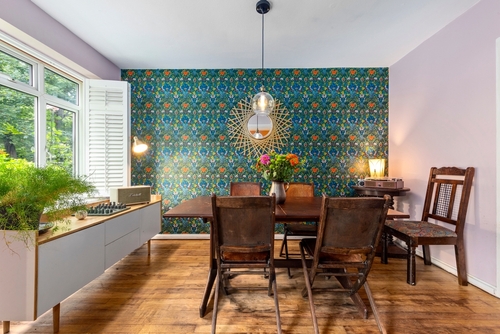
Wallpapers with bold patterns or metallic finishes are fun, but appraisers often consider them a temporary fad. They know buyers might want to strip it off rather than pay extra for it. Wallpaper can also hide wall damage, which makes it trickier for appraisers to assess a home’s condition. Neutral paint is always a safer bet for resale value.
A lot of homeowners think wallpaper makes a space unique, and it does—but uniqueness doesn’t always translate to dollars. Appraisers are trained to look at long-term appeal and comparability. If a future buyer removes the wallpaper, they might uncover imperfections or need to repaint. In other words, wallpaper is more “style statement” than “investment upgrade.”
2. Over-the-Top Open Floor Plans
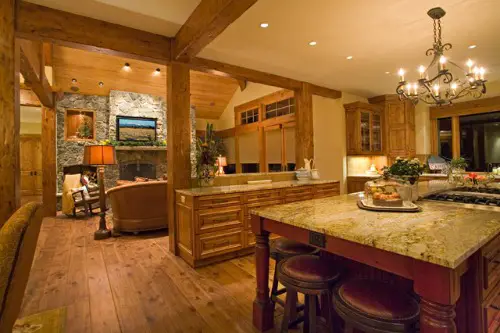
Open floor plans are all the rage, but appraisers sometimes see them as a mixed bag. While they make homes feel airy and modern, knocking down too many walls can reduce the perceived number of functional rooms. Appraisers like clear, defined spaces because they make the home easier to compare to others in the neighborhood. If a home loses too many rooms in the process, it can actually hurt value.
Buyers might love the flow, but appraisers are thinking about square footage utility. Homes with open layouts can also face challenges with heating, cooling, and acoustics—factors that appraisers know can impact long-term appeal. Sometimes, what looks trendy to a homeowner is a headache on the appraisal sheet. Essentially, it’s the difference between “Instagram-worthy” and “market-comparable.”
3. Exotic Hardwood Floors
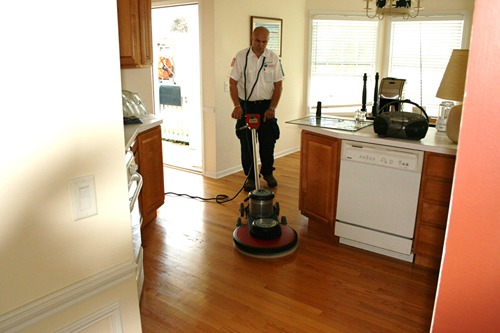
Exotic woods like Brazilian cherry or tigerwood can be stunning, but appraisers often see them as overkill. They are beautiful and durable, yet they’re not common in most neighborhoods. Appraisers compare homes based on standard materials, so a super-high-end floor might not increase value proportionally. It can even seem out of place if the rest of the home is mid-range.
Homeowners love the prestige, but appraisers are focused on market expectations. Exotic floors can be hard to repair or replace, making them a potential liability in a future sale. When the appraiser notes that “buyers in this area usually expect oak or maple,” the exotic wood doesn’t add much. It’s a classic case of spending big for personal taste, not market value.
4. Ultra-Custom Kitchens
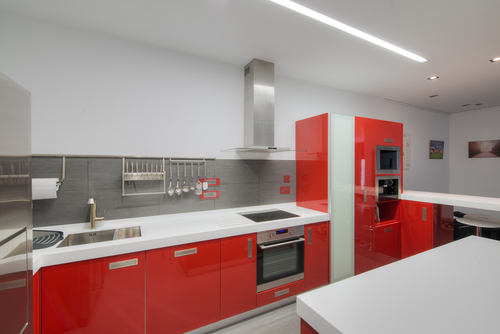
Custom cabinetry, intricate islands, and hidden drawers might wow guests, but appraisers focus on function and comparables. If your neighbors have simpler kitchens, your high-end build might not add as much value as expected. Appraisers want to know the home will appeal to the typical buyer in the area. Too much customization can actually make it less marketable.
Homeowners love the bespoke look, yet appraisers are thinking about replacement cost and resale. Over-customization can also make maintenance tricky. Specialized materials and unusual layouts may not appeal broadly. Sometimes, the kitchen ends up as a personal masterpiece rather than a market booster.
5. High-Tech Bathrooms

Smart toilets, digital showers, and LED mirrors are modern and flashy, but appraisers sometimes roll their eyes. These gadgets might impress visitors, but they rarely increase the home’s appraised value significantly. Appraisers are more concerned with square footage, plumbing condition, and functional layout. Technology upgrades can even date quickly if trends shift.
Luxury bathrooms are nice, but appraisers know most buyers prioritize practicality. If a gadget breaks or becomes obsolete, it can be more of a headache than a selling point. Traditional high-quality finishes usually offer better long-term value. In the appraisal world, “flashy” rarely equals “financial return.”
6. Bright, Non-Neutral Paint Colors

Painting your walls neon green or bright purple might show off personality, but appraisers usually prefer neutral palettes. Bold colors can make rooms feel smaller or distract from the home’s features. Appraisers are comparing homes in terms of broad appeal, not individual taste. They may note that potential buyers could need to repaint, which doesn’t help your value.
Neutral tones are a blank canvas, allowing the home to shine on paper and in person. When appraisers see unconventional paint, they consider it a cosmetic fix. Bright walls can inadvertently make a room feel dated or niche. It’s a reminder that what excites you may not excite the market.
7. Overdone Outdoor Living Spaces
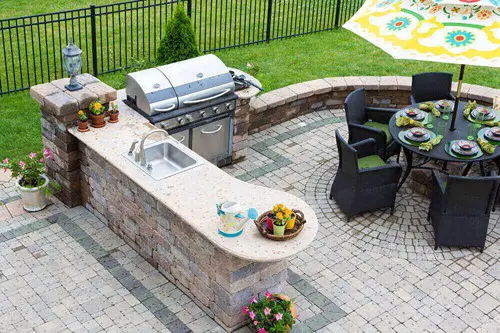
Outdoor kitchens, fire pits, and sprawling patios are fun for entertaining, but appraisers are cautious. While appealing, they are often considered bonus features rather than essential spaces. If your neighborhood doesn’t have similar amenities, appraisers may give them limited weight. They want to make sure your home fits the market standard.
Appraisers also consider maintenance and longevity. A large deck or exotic outdoor materials might require upkeep that future buyers won’t want. Sometimes, simpler landscaping offers better cost-to-value ratio. Over-the-top outdoor spaces can be admired but not always quantified.
8. Custom Pools With Wild Shapes

Pools shaped like seashells or freeform lagoons are visually striking, but appraisers approach them skeptically. Pools cost a lot to install and maintain, and not every buyer sees them as a benefit. If pools aren’t common in your area, the value added is limited. Appraisers prefer features that enhance appeal without limiting marketability.
Pool upkeep can be expensive, and appraisers know potential buyers consider ongoing costs. Irregular shapes or intricate designs can complicate insurance or repairs. Standard, simple pools are more “universally appreciated.” In short, novelty doesn’t always equal value.
9. Excessive Loft Conversions
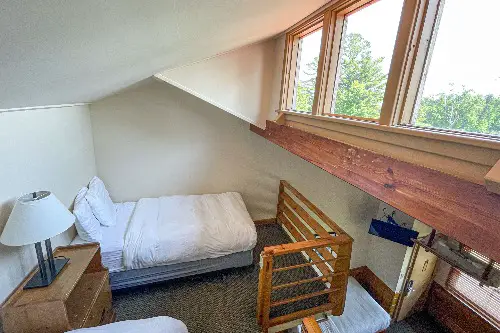
Converting attics or basements into lofts sounds like a good idea, but appraisers are cautious. They check for ceiling height, egress windows, and how the space compares to homes in the area. If it’s not up to code or isn’t functional, it may add little to value. An appraiser sees a cramped loft as a creative space, not necessarily a selling point.
Loft conversions can be great for personal use, yet appraisers weigh market norms. A tiny, angled attic bedroom might not count as a full bedroom. Even finished basements can have restrictions on valuation. They’re thinking like a buyer who wants usable, comfortable space.
10. Fancy Garage Transformations
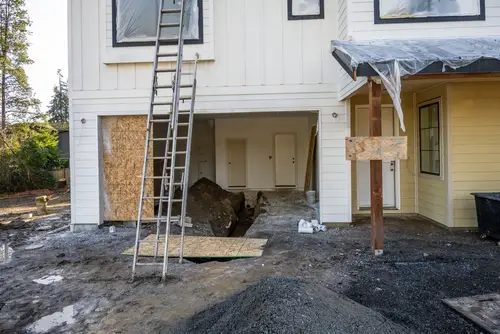
Turning your garage into a home gym, office, or bar may feel clever, but appraisers notice the lost parking. Garage space is highly valued, especially in areas where street parking is limited. Reducing functional garage space can negatively affect the home’s value. Appraisers see a garage as a practical necessity, not just bonus square footage.
While the interior space might be appealing, losing garage functionality can hurt comparability. Appraisers focus on features buyers expect to remain intact. Converting it may look trendy, but it can complicate the appraisal. Sometimes, the payoff for a fun garage is less than expected.
11. Ultra-Specific Theme Rooms

Home theaters, sports caves, or wine cellars might make your home feel unique, but appraisers are wary. The value added depends on whether the typical buyer wants that theme. A dedicated space with a niche purpose isn’t always a selling point. Appraisers often see them as personal flair rather than functional improvements.
Theme rooms can limit the home’s appeal to a broader market. A buyer uninterested in wine collecting may not see a wine cellar as worth extra money. Functional, flexible rooms are more marketable. Appraisers tend to favor spaces that serve multiple needs.
12. Over-the-Top Curb Appeal

Lavish gates, fountains, or statues can make a home look like a magazine cover, but appraisers judge curb appeal against neighborhood norms. Going too far might feel out of place and could even work against you. Appraisers look for balance: the home should complement, not overshadow, the surroundings. Excessive personalization doesn’t always translate to financial gain.
Curb appeal is important, but appraisers measure it against what buyers in the area expect. A house that sticks out too much may be less attractive to the average buyer. Appraisers focus on trends that enhance resale value. In short, sometimes less is more, even outside.
This post 12 Remodel Trends That Appraisers Secretly Roll Their Eyes At was first published on Greenhouse Black.
