
1. Painted-Over Light Switches and Outlets
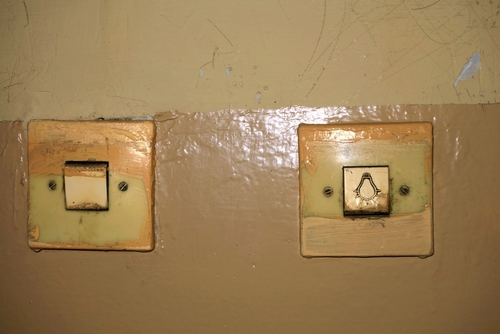
It’s a small detail, but when light switches and outlets are painted over, appraisers instantly notice. This usually signals that someone rushed through a DIY paint job without taking time to remove or tape fixtures. It’s not just cosmetic — paint can interfere with electrical components, which might be noted as a safety issue. To an appraiser, this kind of shortcut raises questions about how carefully the rest of the work was done.
Clean, unpainted outlets show pride in workmanship and awareness of detail. Professionals always remove faceplates or tape them carefully before painting. It’s a sign that they understand the right process and care about long-term value. That level of attention gives appraisers confidence that the renovation was done with quality in mind.
2. Mismatched Flooring Transitions
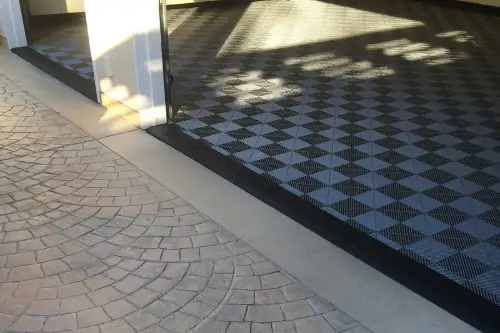
When each room has a different type of flooring, it can make a home feel disjointed and poorly planned. Appraisers see this as a sign that renovations happened in fragments rather than as part of a cohesive update. While mixing materials can work with design intent, random transitions — say, laminate next to tile without a proper threshold — look amateurish. These inconsistencies can subtly reduce a home’s perceived quality and value.
Professionals know that continuity in flooring helps tie spaces together visually and structurally. Even if different materials are used, the transitions should feel intentional and well executed. Proper leveling and consistent color tones are key. When those details are missing, it suggests cost-cutting or lack of experience.
3. Uneven Tile Grout Lines
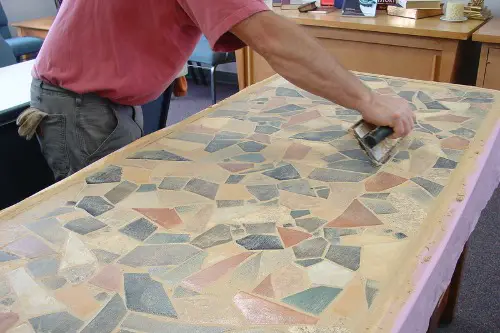
Appraisers can spot uneven grout lines or mismatched spacing in an instant. This often happens when homeowners take on tiling projects without the right tools or experience. Crooked tiles or uneven gaps don’t just look bad — they can lead to cracking and water issues over time. These flaws are a dead giveaway that the installation wasn’t professionally done.
A skilled tile setter ensures uniform spacing and clean edges that align throughout the space. The difference might seem subtle to some, but it’s immediately obvious to anyone evaluating property quality. Straight lines and even grout say “professional.” Wobbly ones say “weekend project.”
4. Floating Cabinets or Counters That Aren’t Level

Even a slightly tilted countertop or cabinet can jump out to an appraiser. It’s not only a visual issue — uneven installation can affect how doors close or how weight is distributed. Often, this happens when homeowners install cabinets without using proper shims or a level. It might save a few hours but instantly signals inexperience.
Pros measure multiple times and use leveling tools to ensure everything is flush and square. They know that even minor slopes become glaring once countertops and backsplashes are added. Uneven surfaces can suggest foundational problems too, which may affect appraisal scores. In short, a level surface speaks volumes about craftsmanship.
5. Poorly Installed Trim or Crown Molding
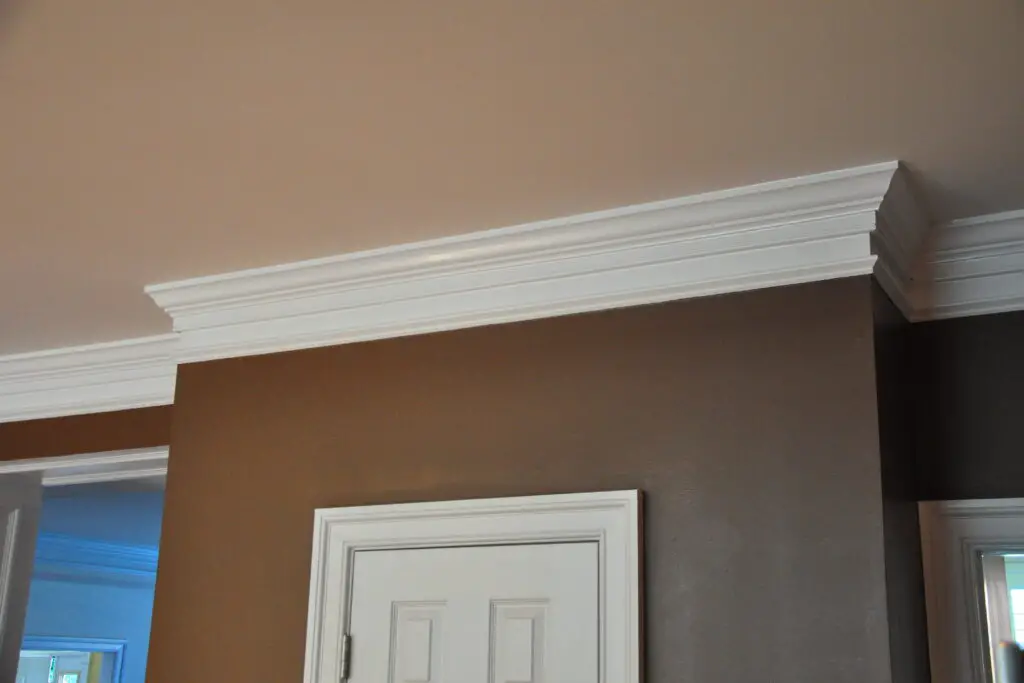
Trim work is one of those finishing touches that can elevate a room — or completely undercut it. Appraisers look closely at corner joints, seams, and caulking for signs of precision. Gaps, uneven cuts, or visible nail holes suggest the installer was inexperienced. These imperfections often make a renovation look rushed or incomplete.
Professional installers cope corners properly and fill seams before painting for a seamless look. Even spacing along walls and ceilings shows skill and patience. When the trim looks flawless, it enhances the entire room’s appearance. When it doesn’t, it cheapens even the nicest upgrades.
6. Sloppy Caulking Around Fixtures
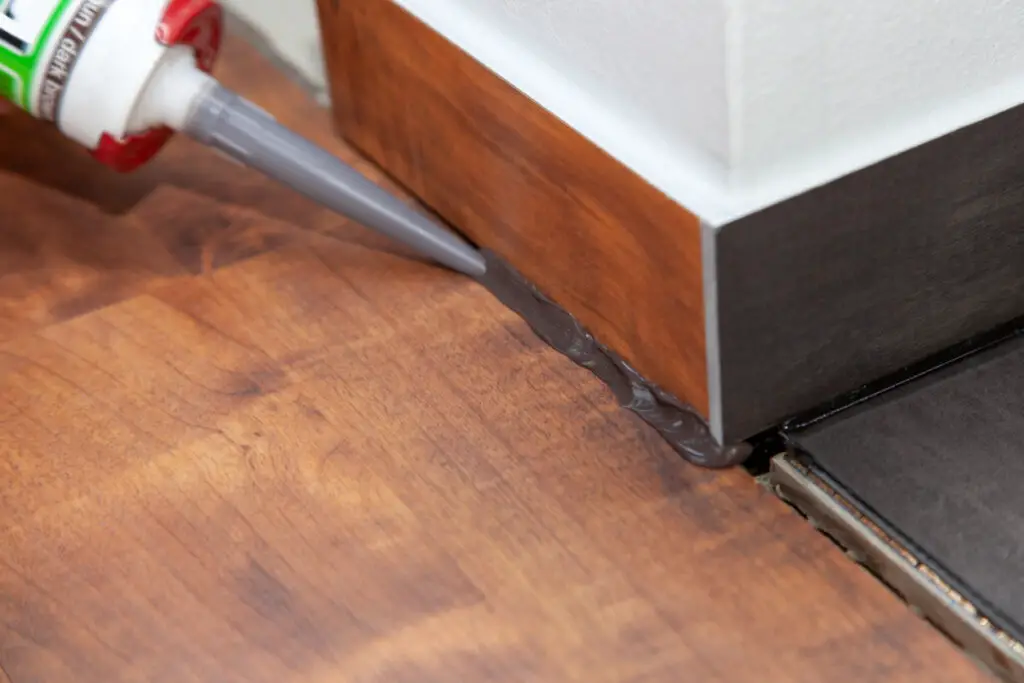
Caulk might seem minor, but it’s a big visual cue for appraisers. Thick, uneven, or smeared lines around tubs, sinks, or backsplashes are an instant red flag. This usually happens when DIYers use the wrong type of caulk or don’t smooth it evenly. It can also indicate moisture issues if not properly sealed.
Professionals use the correct product for each area — silicone for wet zones, acrylic for trim — and apply it neatly. The line should be clean, consistent, and functional. Well-done caulking prevents damage and looks refined. Bad caulking, on the other hand, screams “I watched one YouTube video.”
7. Patchy or Dripping Paint Finishes
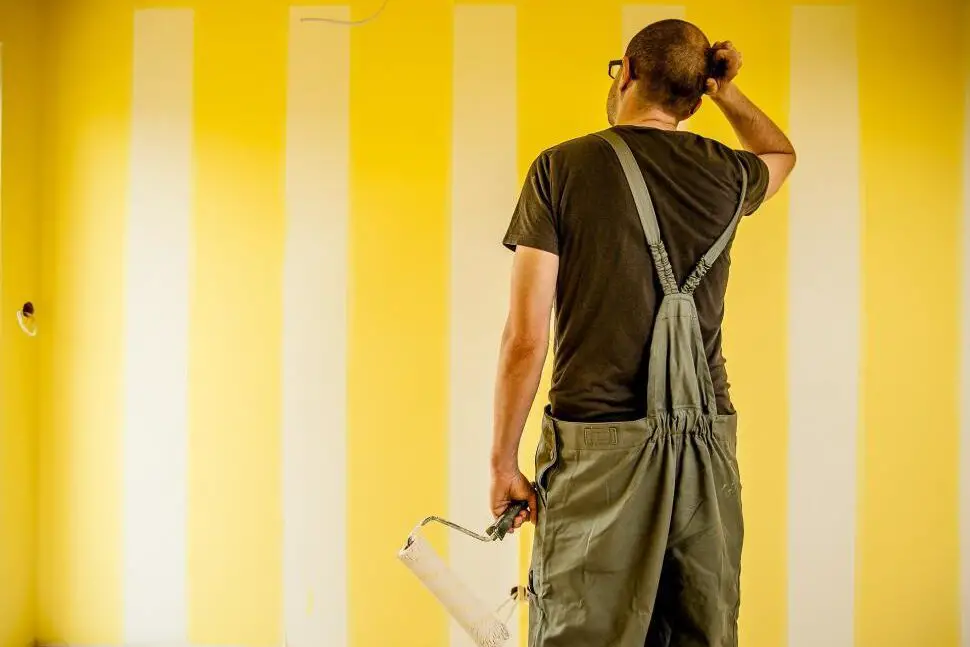
An uneven paint job can ruin the feel of even a high-end renovation. Appraisers quickly notice roller marks, drips, or thin coverage, especially around edges and ceilings. It tells them the painter skipped prep work like sanding, priming, or taping. Those shortcuts don’t just affect aesthetics — they can also reduce the longevity of the paint.
Professional painters take time to cut clean lines and apply multiple coats. They use the right finish for each surface, from eggshell on walls to semi-gloss on trim. Even light distribution and smooth coverage make a room look crisp. Anything less feels unfinished and lowers the perceived quality of the space.
8. Misaligned Hardware or Fixtures

Crooked handles, light fixtures, or towel bars are tiny details that stand out immediately. Appraisers know that these are easy fixes, so if they’re off, it suggests deeper inattention elsewhere. It’s also a clue that measurements weren’t double-checked before installation. That kind of inconsistency quietly hints at a DIY job.
A professional makes sure every fixture lines up perfectly — both visually and functionally. Symmetry and alignment create a sense of polish that boosts a home’s appeal. Even spacing between knobs or balanced lighting placement matters. Appraisers take note of that precision when determining quality levels.
9. Visible Seams in Countertops or Backsplashes
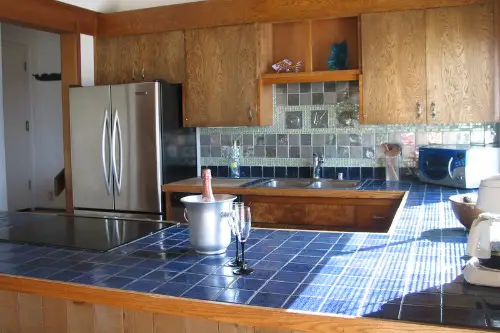
When countertop seams are obvious or poorly filled, appraisers can tell the installation wasn’t done by a pro. These seams might collect dirt and moisture, which can damage materials over time. It often happens when slabs weren’t measured precisely or when installers cut corners. The result is a kitchen that looks cheaper than it should.
Professional fabricators ensure tight, nearly invisible seams that align with the natural pattern of the stone. They also match finishes and edge profiles for consistency. When the seams are clean, the whole surface feels more expensive and durable. When they’re not, the craftsmanship comes into question.
10. Baseboards That Don’t Match Room Heights or Styles
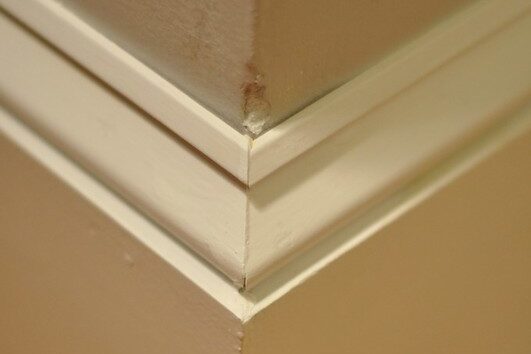
Appraisers are trained to notice inconsistencies in finishes, and mismatched baseboards are a classic tell. If one room has chunky, modern trim and the next has thin, dated molding, it feels disjointed. This usually happens when homeowners update rooms one at a time without considering flow. It gives away that the renovation was piecemeal.
Professionals ensure cohesive trim profiles throughout the home, even if wall colors or flooring differ. The goal is to create a continuous, intentional look. Consistency signals planning and investment in the home’s overall quality. Inconsistency, on the other hand, hints at shortcuts or budget limits.
11. DIY Backsplashes with Uneven Edges
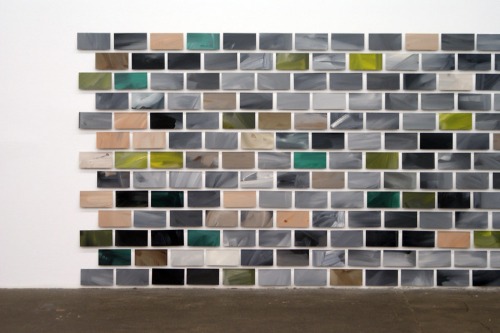
Backsplashes are popular DIY projects — but also one of the easiest ways to reveal inexperience. Uneven edges, messy grout, or tiles that stop awkwardly mid-wall are all giveaways. Appraisers see this and immediately know it wasn’t professionally installed. It might not lower value directly, but it affects the home’s perceived finish level.
A pro will frame the backsplash cleanly with edge trim or end caps. They’ll also ensure tiles line up perfectly and finish at a logical stopping point. Clean lines and symmetry elevate the space. Anything less can make even an expensive kitchen look unfinished.
12. Overly Trendy or Poorly Integrated Design Choices

When renovations chase fleeting trends — like neon cabinetry or faux-industrial walls — appraisers sometimes mark them as “non-standard.” That means the updates may not contribute much to resale value. Appraisers look for improvements that align with market expectations and overall home style. Overly bold or mismatched design choices can backfire.
Professionals know how to incorporate personality without compromising timelessness. They balance modern updates with materials and finishes that appeal broadly. Cohesion and neutrality tend to appraise better than extreme statements. In short, design confidence reads as experience — while trend-chasing often reads as amateur.
13. Uneven Door or Window Framing
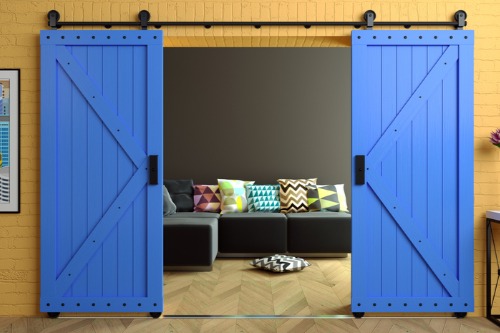
When doors or windows sit slightly crooked, it immediately reads as poor workmanship to an appraiser. Even minor misalignments can cause gaps, drafts, or difficulty closing — all of which suggest shortcuts in installation. This usually happens when DIYers rely on visual alignment rather than using a level or square. To an appraiser, it’s a red flag that the renovation lacked professional oversight.
Professionals measure, shim, and secure frames precisely to ensure smooth operation and balanced lines. The difference is subtle but easy to see once trim and paint are added. Proper framing doesn’t just look better — it also impacts insulation and efficiency. When everything fits perfectly, it reflects skill and structural awareness.
14. Poorly Fitted Doors or Cabinet Hinges
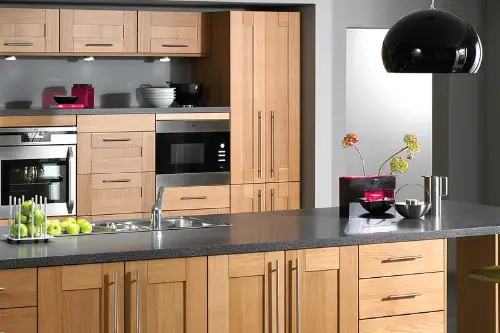
Cabinet doors that don’t close flush or interior doors that rub the frame are signs of rushed installation. Appraisers pick up on these cues because they point to a lack of calibration and finishing detail. Hinges that squeak, sag, or sit unevenly often mean they weren’t properly adjusted after mounting. These issues suggest that the work stopped short of a professional standard.
Experienced installers take time to align hinges, adjust clearances, and test each opening multiple times. That attention to function separates a polished renovation from a passable one. When doors swing smoothly and rest evenly, they enhance the entire space. Poor alignment, on the other hand, cheapens the look and signals inexperience.
15. Inconsistent Wall Textures
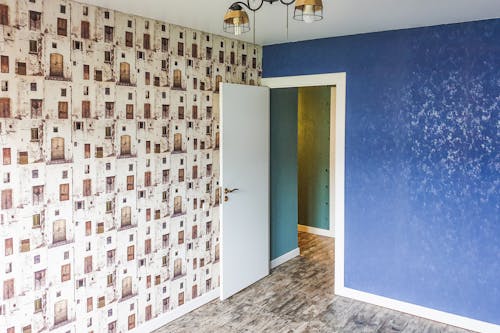
Appraisers often run their eyes — and sometimes hands — over walls to check for texture uniformity. Patchy or mismatched finishes, like rough spots next to smooth areas, stand out quickly. This typically happens when homeowners try to repair drywall or blend old and new sections without proper feathering. The result is a wall that catches light unevenly and feels inconsistent.
A pro uses joint compound, sanding, and priming techniques to achieve a consistent surface before painting. They understand how lighting will reveal imperfections and plan accordingly. When walls feel uniform from corner to corner, it signals thorough prep and finish work. Anything less reads as a rushed or partial DIY fix.
16. Visible Screw Heads in Drywall or Trim
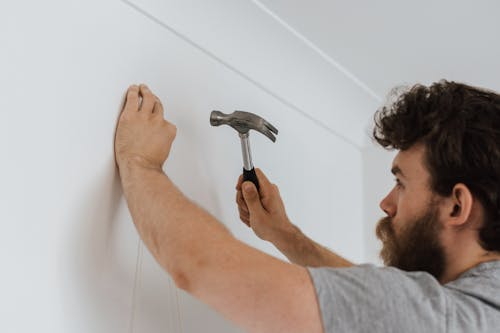
Exposed or improperly covered screw heads are another telltale amateur mistake. Appraisers see them as evidence that finishing steps like mudding, sanding, or caulking were skipped. These small details may not affect function but heavily influence perceived quality. Visible fasteners make a room feel unfinished, no matter how fresh the paint looks.
Professional installers countersink screws and apply multiple coats of joint compound before sanding smooth. They ensure surfaces are seamless before moving on to painting or staining. This attention to surface continuity is what gives professional renovations their polished look. When screw heads show through, it undermines the overall finish.
17. Incomplete or Misaligned Backsplash Edges
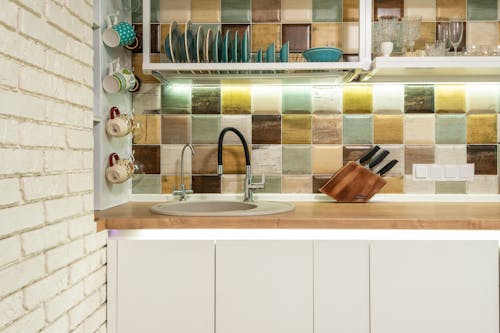
A backsplash that stops abruptly or doesn’t align with countertops signals inexperience. Appraisers recognize this as a hallmark of DIY efforts that lacked design planning or proper materials. Edges that end mid-wall or without trim caps look awkward and unfinished. These details make even high-end tiles look cheap.
Professionals measure layout lines carefully and ensure edges align with cabinets, outlets, and appliances. They finish sides with bullnose tiles or clean metal trims for a cohesive appearance. The goal is a backsplash that feels integrated into the design, not tacked on. When that flow is missing, appraisers assume the work wasn’t done by a pro.
18. Misaligned Vent or Lighting Cutouts
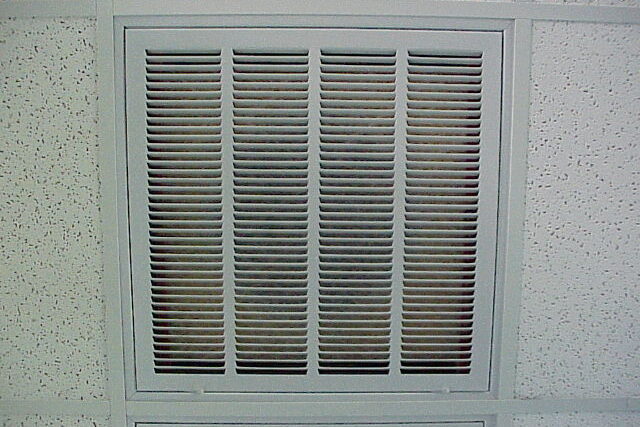
Ceiling vents and recessed lights that aren’t centered or aligned with features below draw an appraiser’s eye instantly. It might seem minor, but symmetry is a major indicator of professional precision. Off-center fixtures break visual balance and can make the room feel subtly “off.” This often happens when homeowners install features without measuring from key reference points.
Experienced tradespeople plan lighting and vent placement before drywall goes up, ensuring alignment with furniture or architectural lines. They double-check measurements to keep the ceiling grid consistent and cohesive. Properly aligned cutouts show foresight and coordination between trades. Misalignment, however small, suggests the work wasn’t carefully planned or executed.
19. Improperly Sealed Exterior Trim or Siding
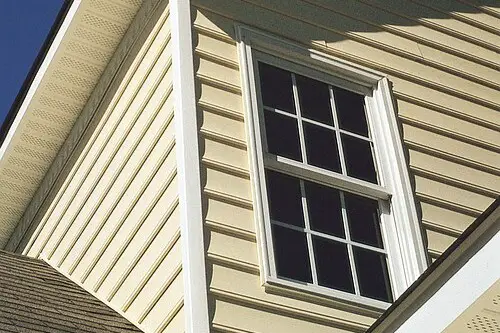
Exterior details often reveal more about renovation quality than interior ones. Appraisers look for gaps or cracks where siding meets trim, which indicate poor sealing and weatherproofing. DIY installers often underestimate the importance of flashing or proper caulking in these areas. Over time, that can lead to moisture damage and devaluation.
Professionals seal every joint with weather-resistant materials and ensure trim pieces overlap correctly. They also account for expansion and contraction to prevent future warping. These steps protect the home’s structure and improve its longevity. When appraisers see crisp, watertight seams, they know the renovation was done right.
This post 19 Renovation Choices That Quietly Signal “Amateur Work” to Appraisers was first published on Greenhouse Black.
