
1. The Villages, Florida
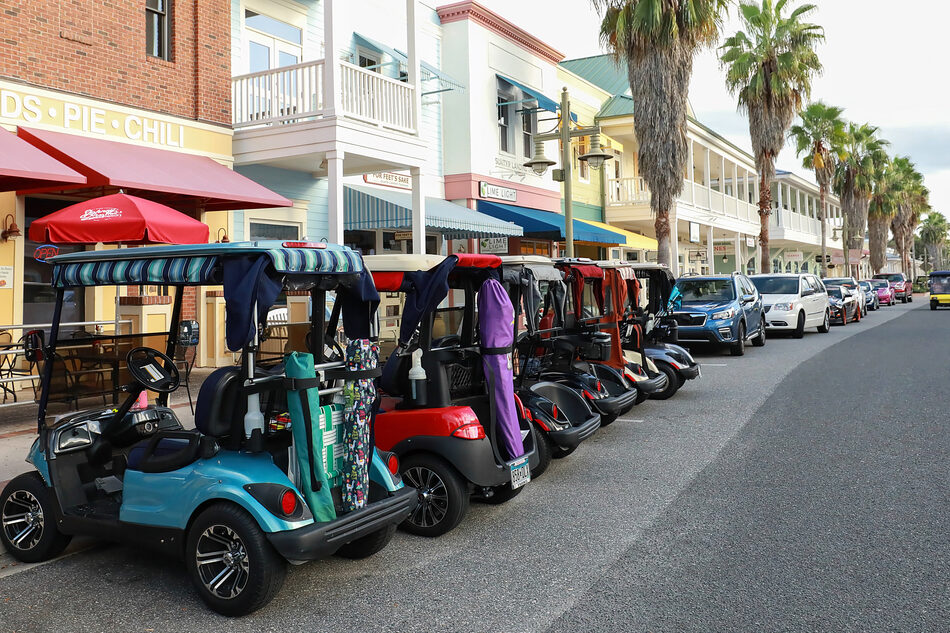
For years, The Villages sold itself as the ultimate active-adult playground, but reality has crept in. Rapid growth has strained roads, utilities, and medical services, making everyday errands feel less leisurely than advertised. Insurance costs, especially homeowners insurance, have risen sharply across Florida and hit fixed-income retirees hard. Add hotter summers and more frequent storm anxiety, and the carefree image feels thinner than it used to.
Another issue is how homogenous the lifestyle can feel once the novelty wears off. Many residents report social burnout from constant scheduled activities and limited cultural variety. Healthcare exists, but specialized care often requires long drives outside the community. What once felt like a perfectly curated bubble can start to feel confining.
2. Scottsdale, Arizona
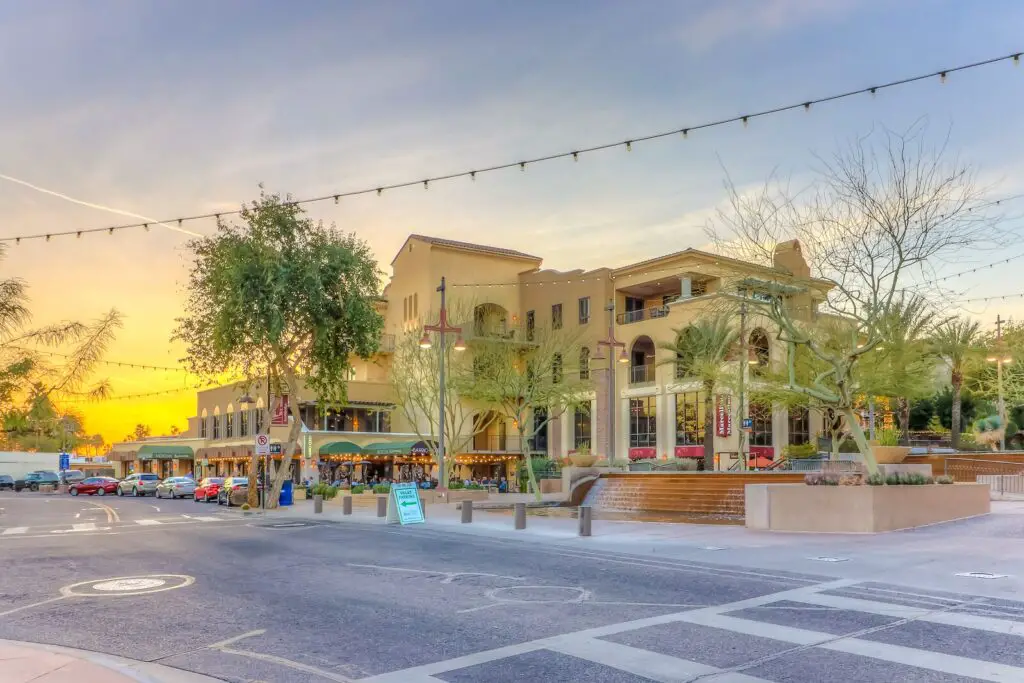
Scottsdale has long been marketed as sunny, upscale, and retiree-friendly, and those things are still true. The problem is that housing prices have surged far beyond what many retirees anticipated. Extreme summer heat has intensified, making outdoor life difficult for months at a time. Water scarcity in the region is also a growing concern that isn’t easily ignored anymore.
Traffic has increased as the city has grown, undercutting the relaxed desert vibe. Many services now cater more to luxury travelers and second-home owners than retirees. Everyday costs, from dining to healthcare, reflect that shift. The result is a city that feels less accessible than its brochures promised.
3. Naples, Florida
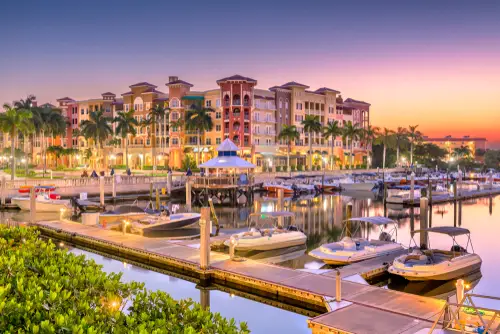
Naples built its reputation on pristine beaches and polished living, and it still looks great on postcards. However, the cost of living has climbed steadily, especially housing and insurance. Hurricane risk and flood concerns have become more central to daily life. Seasonal overcrowding also makes the city feel congested for much of the year.
Healthcare access can be uneven, particularly for specialized or urgent care during peak season. Many service workers can no longer afford to live nearby, affecting everything from home maintenance to dining options. Traffic worsens dramatically during winter months. For retirees seeking calm consistency, the reality can feel surprisingly hectic.
4. Palm Springs, California
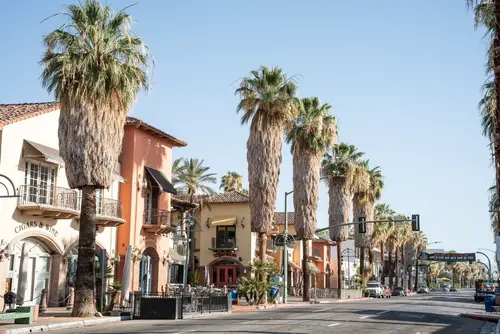
Palm Springs has been a retirement darling thanks to its mid-century charm and resort atmosphere. Rising temperatures, including prolonged extreme heat, now limit outdoor activities for much of the year. Water use restrictions are more common, reshaping landscaping and daily habits. Housing prices have also surged, driven by investors and short-term rentals.
The city’s healthcare infrastructure is smaller than many retirees expect. Specialized medical care often means traveling to larger Southern California cities. Tourism dominates the local economy, which can make the city feel transient rather than community-focused. That mix can leave full-time retirees feeling like they’re living in a vacation zone that never fully slows down.
5. Myrtle Beach, South Carolina

Myrtle Beach has attracted retirees with low taxes and ocean access. Overdevelopment has strained roads, hospitals, and local services. Flooding and storm-related issues are increasingly common in some neighborhoods. The cost of insurance has followed that trend upward.
Tourism heavily shapes daily life, especially during peak seasons. Traffic and noise can be constant, even in areas marketed as quiet. Healthcare options exist but are limited for complex or specialized needs. Many retirees find the infrastructure hasn’t kept pace with the population growth.
6. Asheville, North Carolina
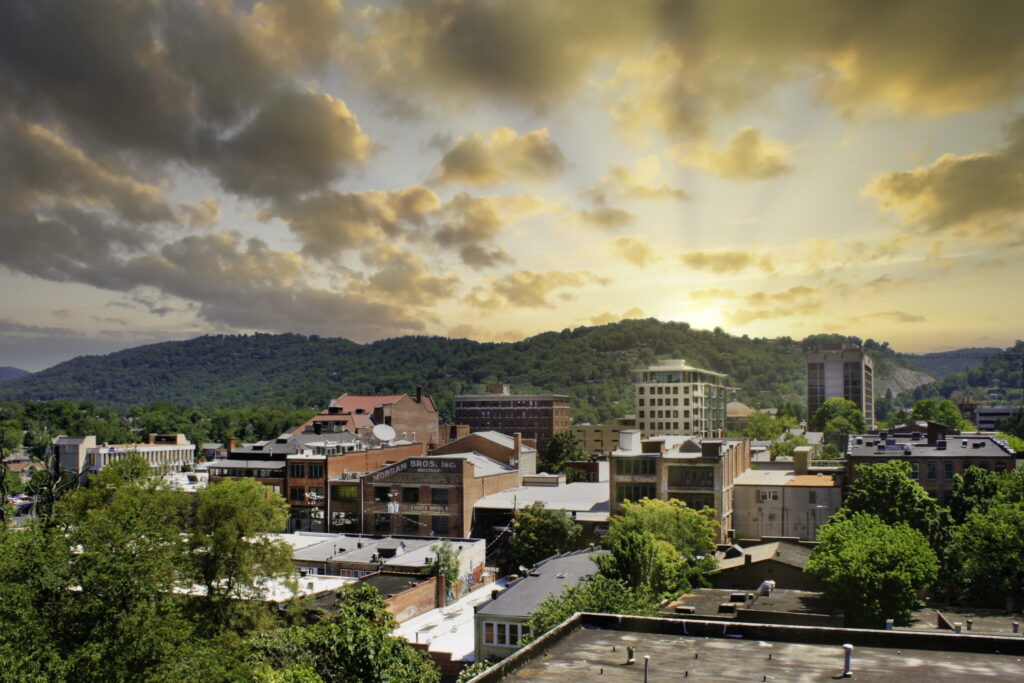
Asheville once promised a perfect blend of mountains, arts, and laid-back living. Popularity has driven up home prices and rents faster than local wages. Traffic congestion has worsened due to limited road expansion. The city’s charm now comes with crowds nearly year-round.
Healthcare access has been a sticking point, particularly for specialists. Service shortages have affected restaurants, maintenance, and caregiving. Retirees often discover that small-city systems are under real pressure. What felt like a peaceful haven can now feel overstretched.
7. Santa Fe, New Mexico
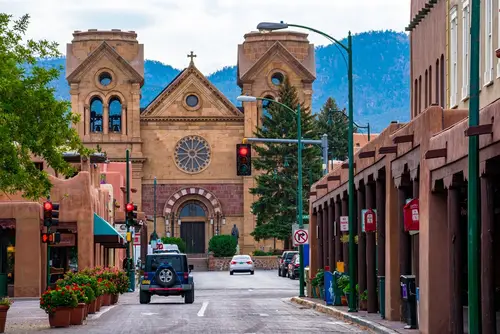
Santa Fe appeals to retirees with its culture, history, and slower pace. The downside is a tight housing market with high prices and limited inventory. Healthcare options are relatively narrow for a city of its size. Many residents travel to Albuquerque for advanced medical care.
The high altitude can pose health challenges for some retirees. Cost of living is higher than expected, especially for groceries and utilities. Infrastructure investment has lagged behind population needs. The romantic image sometimes masks practical hurdles.
8. Boca Raton, Florida
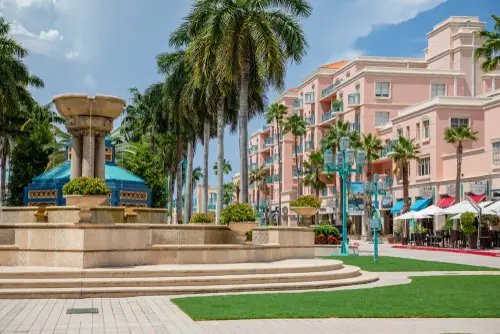
Boca Raton has long symbolized polished South Florida retirement. Housing costs and HOA fees have climbed well beyond earlier projections. Insurance premiums are a growing financial strain. Summers are hotter and wetter, limiting outdoor activity for months.
Traffic congestion has worsened as development continues. The city increasingly caters to luxury buyers and younger professionals. Medical care is available but often expensive. Some retirees feel priced out of the lifestyle they moved for.
9. Sun City, Arizona
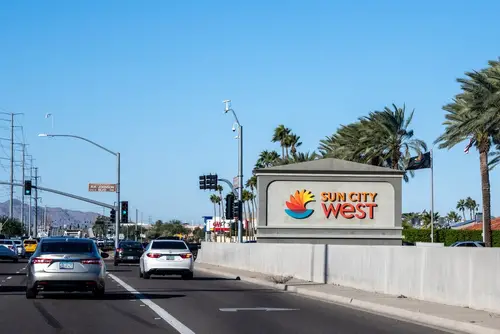
Sun City was one of the original master-planned retirement communities. Aging infrastructure is now a real concern, from roads to community facilities. Extreme heat limits outdoor life for long stretches of the year. Water supply worries are becoming more visible to residents.
Healthcare access is adequate but not expansive. Younger retirees sometimes find the social scene less dynamic than expected. The community can feel dated compared to newer developments. That gap between expectation and reality can be jarring.
10. Prescott, Arizona
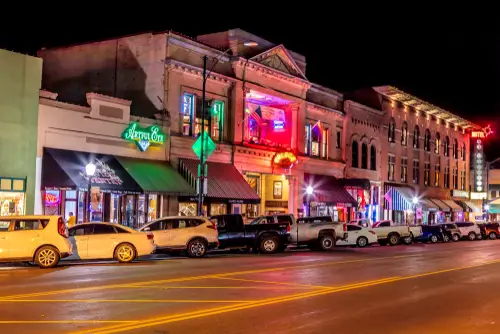
Prescott markets itself as cooler and calmer than Phoenix. Rapid population growth has driven up housing costs. Traffic has increased on roads not designed for the surge. Water availability is an ongoing regional concern.
Healthcare options are limited for complex conditions. Many retirees travel to larger cities for treatment. The small-town feel is harder to maintain with growth. What once felt quietly charming now feels increasingly crowded.
11. Hilton Head, South Carolina
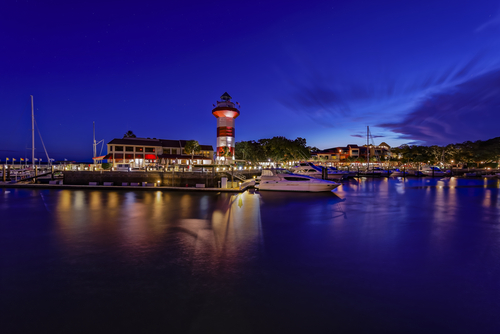
Hilton Head attracts retirees with beaches and golf-focused living. Rising insurance costs and flood risks have become part of daily calculations. Tourism keeps the island busy much of the year. Seasonal congestion affects everything from groceries to medical appointments.
Healthcare facilities on the island are limited. Specialized care usually requires traveling inland. Housing costs have climbed as demand remains high. The island lifestyle can feel less convenient over time.
12. St. George, Utah
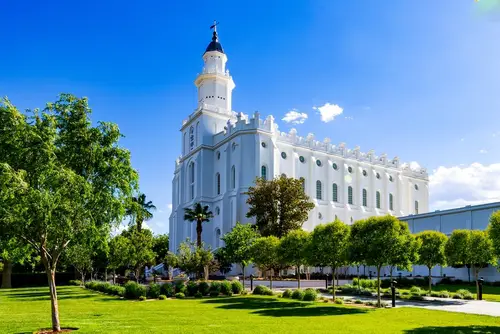
St. George offers dramatic scenery and an active lifestyle. Extreme summer heat now rivals hotter desert cities. Rapid growth has stressed infrastructure and water resources. Housing prices have risen sharply.
Healthcare services are improving but still limited. Many retirees must travel for specialized care. Traffic congestion is increasing with development. The city feels less small and less affordable than promised.
13. Charleston, South Carolina
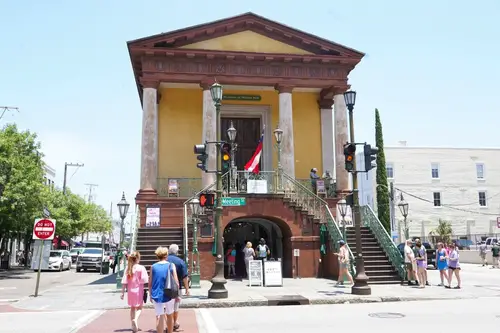
Charleston blends history, charm, and coastal living. Flooding and drainage issues are increasingly disruptive. Housing prices have surged well beyond many retirement budgets. Tourism keeps the city crowded most of the year.
Traffic congestion is a daily frustration. Insurance costs reflect coastal risk. Healthcare is solid but often busy. Retirees sometimes find the city more exhausting than expected.
14. Naples Park, Florida
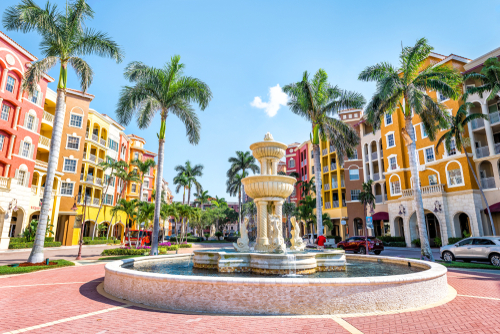
Naples Park attracted retirees seeking a quieter, more affordable Naples experience. Rising home values have brought higher taxes and insurance. Flooding concerns are growing in low-lying areas. Seasonal traffic affects even residential streets.
Infrastructure hasn’t fully kept pace with demand. Healthcare access can be strained during winter months. The neighborhood feels less sleepy than it once did. Affordability has steadily eroded.
15. Lake Havasu City, Arizona
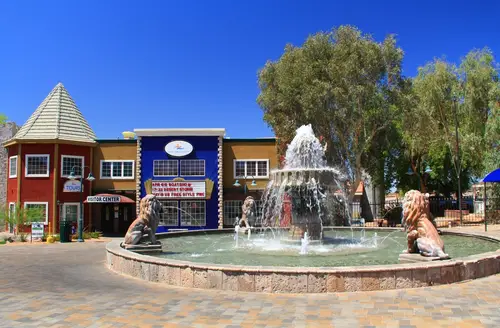
Lake Havasu City promised sunshine and affordable desert living. Summers are extremely hot, limiting outdoor activities for months. Healthcare options are limited, especially for specialists. Water concerns tied to the Colorado River loom large.
The city’s economy is heavily seasonal. Some services scale back outside peak months. Housing prices have risen faster than expected. Retirees often find the trade-offs sharper than advertised.
This post 15 Retirement Cities That Aren’t Aging as Gracefully as Promised was first published on Greenhouse Black.
