
1. Texas Hill Country

The Hill Country is marketed as a relaxed, scenic alternative to big Texas cities. Rapid population growth has brought traffic, development, and strain on local resources. Small towns can change character quickly as new residents arrive. Longtime locals and newcomers don’t always share expectations.
Weather can also be more extreme than advertised. Flash flooding is common due to the region’s terrain. Heat waves can rival those in the desert Southwest. For retirees seeking predictability, the mix of growth and climate risks can feel unsettling.
2. Florida
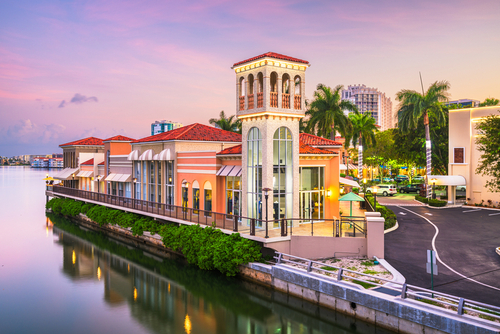
Florida is marketed as the default retirement answer, but the reality can feel far more volatile than the brochures suggest. Hurricane seasons have become longer and more expensive to live through, especially as homeowners insurance premiums rise or policies are dropped altogether. Flood risk maps and rebuilding costs are now part of everyday decision-making for retirees who expected stability. Even inland areas can face sudden cost increases tied to storm damage elsewhere in the state.
Day-to-day life can also feel unpredictable due to rapid population growth. Traffic congestion in traditionally quiet areas has increased as more retirees and remote workers move in. Healthcare systems in some regions are stretched thin during peak seasonal months when “snowbirds” return. For people expecting an easygoing routine, Florida can feel surprisingly high-maintenance.
3. The Villages, Florida
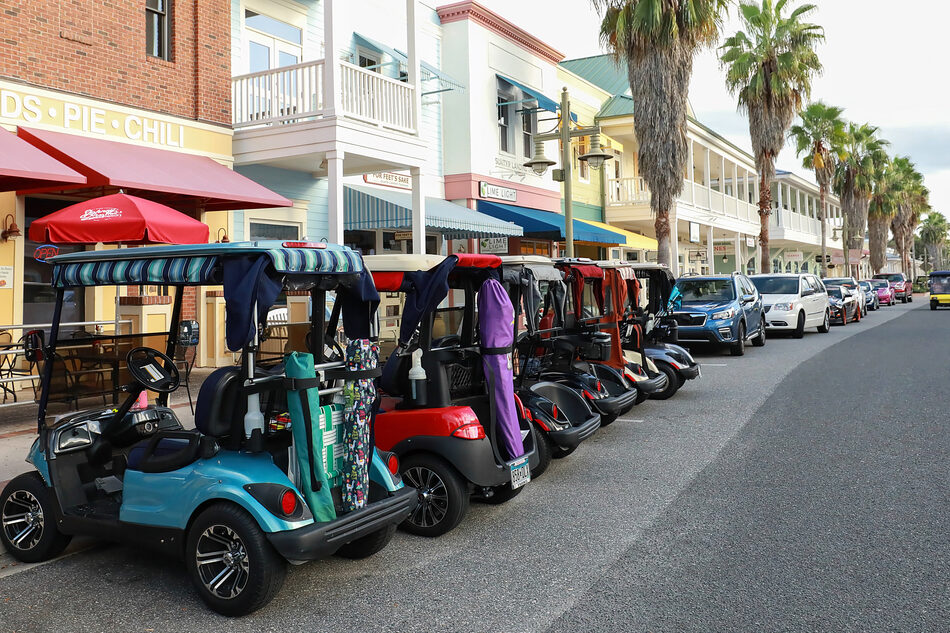
The Villages is often advertised as a perfectly engineered retirement utopia. In practice, its size and rapid expansion can make it feel less personal and more corporate than expected. Neighborhoods are constantly under construction, which means noise, traffic, and shifting amenities. Some retirees are surprised by how quickly familiar surroundings change.
Social life there is abundant but not always comfortable for everyone. The culture can feel intense, competitive, or exclusionary depending on personality and background. Rules set by homeowners’ associations are extensive and strictly enforced. For retirees who value flexibility and privacy, the predictability promised can feel illusory.
4. Phoenix and Tucson, Arizona
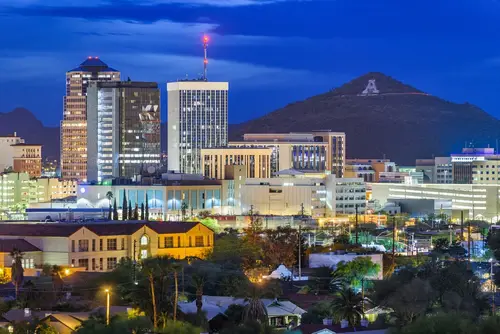
Arizona’s desert cities are promoted as sunny, dry havens for aging bodies. What’s often underestimated is how extreme and prolonged the summer heat has become. Extended stretches of 110-degree days limit outdoor activity and increase health risks for older residents. Air conditioning costs can also climb higher than newcomers expect.
Water concerns add another layer of uncertainty. Ongoing drought conditions in the Southwest affect long-term planning and municipal policies. Retirees may encounter restrictions on landscaping and rising utility rates. The climate that once felt reliably pleasant can start to feel increasingly precarious.
5. Sun City, Arizona

Sun City pioneered the modern age-restricted community, but its predictability has shifted over time. Many homes are aging, which means unexpected renovation costs and infrastructure issues. Some neighborhoods struggle to attract buyers, affecting resale values. This can be surprising for retirees counting on housing equity.
The community’s strict age and usage rules also limit adaptability. Younger family members face restrictions when visiting for extended periods. Retail and dining options nearby may fluctuate as demographics change. What once felt like a self-contained bubble can feel oddly unstable.
6. Coastal California
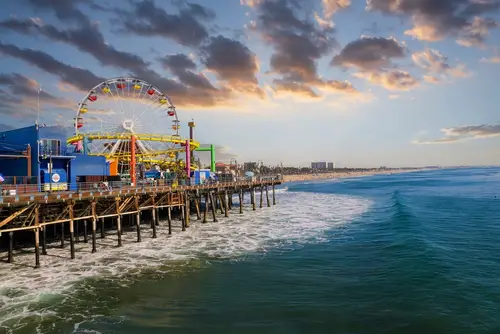
California’s coast is often portrayed as an idyllic retirement dream with mild weather and ocean views. The reality includes wildfire risk, mudslides, and periodic evacuations even near the shoreline. Insurance availability in fire-prone areas has become a major concern. These factors introduce stress that many retirees did not anticipate.
Cost of living adds another unpredictable element. Property taxes may be stable under state law, but maintenance and utilities are not. Local regulations around remodeling and rentals can change quickly. Retirees expecting calm consistency may instead find constant adaptation.
7. Coastal Carolinas
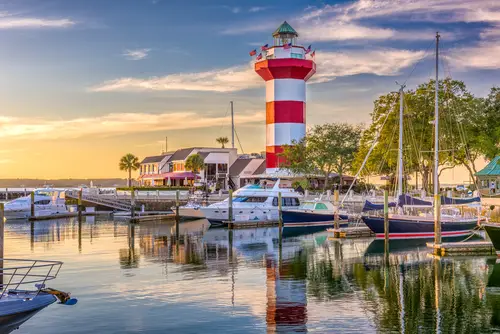
North and South Carolina are often pitched as affordable coastal retirement options. Hurricanes and flooding, however, are regular concerns in many seaside and low-lying communities. Insurance costs and evacuation planning become part of routine life. This can clash with expectations of peaceful coastal living.
Healthcare access can vary widely by location. Popular retirement towns may lack specialized medical services. Seasonal tourism affects traffic and local pricing. Retirees may find the rhythm of life less steady than anticipated.
8. Southern Nevada
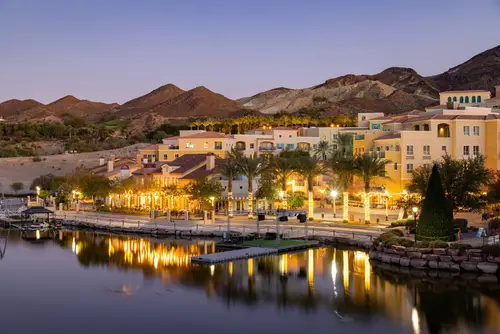
Las Vegas and nearby cities are marketed as tax-friendly and entertainment-rich retirement destinations. The region’s reliance on tourism can make the local economy feel volatile. Service availability and pricing often shift with visitor demand. Retirees may feel they’re sharing infrastructure with a constantly changing population.
Environmental factors also play a role. Extreme heat limits outdoor activity for much of the year. Water supply issues tied to the Colorado River add long-term uncertainty. The stability promised by low taxes can be offset by environmental unpredictability.
9. Idaho
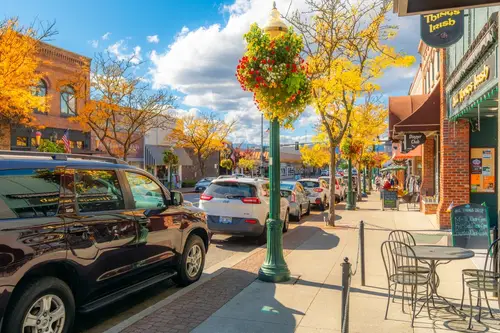
Idaho has gained popularity as a quieter, scenic retirement choice. Rapid in-migration has driven up housing prices in cities like Boise and Coeur d’Alene. Retirees on fixed incomes may feel squeezed sooner than expected. The affordability narrative has changed quickly.
Healthcare access can be uneven, especially outside urban centers. Specialized care often requires long drives or out-of-state travel. Winters can be harsher than many newcomers anticipate. The peaceful image can give way to logistical challenges.
10. New Mexico
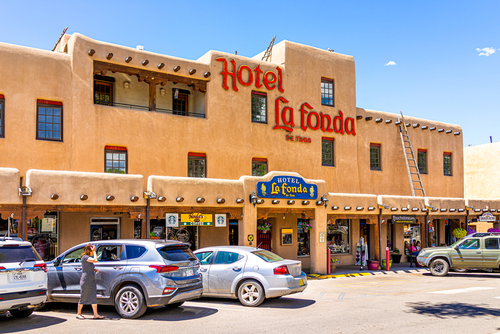
New Mexico appeals to retirees with its culture, art scenes, and desert landscapes. Infrastructure issues, including road conditions and utility reliability, can come as a surprise. Rural areas may lack consistent access to services. This creates uncertainty in daily routines.
Healthcare availability varies significantly by region. Some retirees must travel long distances for advanced care. Water scarcity and wildfire risk also factor into long-term planning. The charm of the state can coexist with unexpected instability.
11. Colorado Mountain and Front Range Communities

Colorado is often seen as an active, healthy retirement destination. Rapid growth along the Front Range has increased traffic and housing costs. Mountain towns face seasonal fluctuations tied to tourism and weather. This can disrupt the sense of predictability retirees seek.
Wildfire risk and winter storms add environmental uncertainty. Insurance and emergency preparedness are ongoing concerns. Altitude can also affect health in ways some retirees don’t anticipate. What looks like a stable outdoor paradise can feel more variable in practice.
This post Retirement Living That Feels Less Predictable Than Advertised was first published on Greenhouse Black.
