
1. Naples, Florida
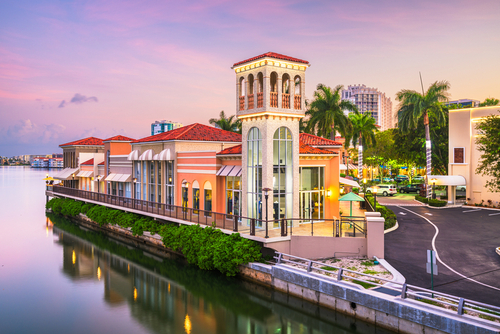
Naples sounds like a retirement dream because of the beaches, manicured streets, and seemingly endless sunshine. The first year feels like a reward for decades of work, especially if you arrive during peak winter weather. It also helps that Florida has no state income tax, which looks great on paper. Many retirees feel they’ve cracked the code when they first settle in.
By year two, the costs start to bite harder than expected. Homeowners insurance and flood insurance can rise sharply, sometimes unpredictably, and maintenance costs add up in a coastal climate. Seasonal crowding makes everyday errands slower and more stressful than newcomers anticipate. Healthcare access is good, but competition for specialists can mean long waits during high season.
2. Scottsdale, Arizona
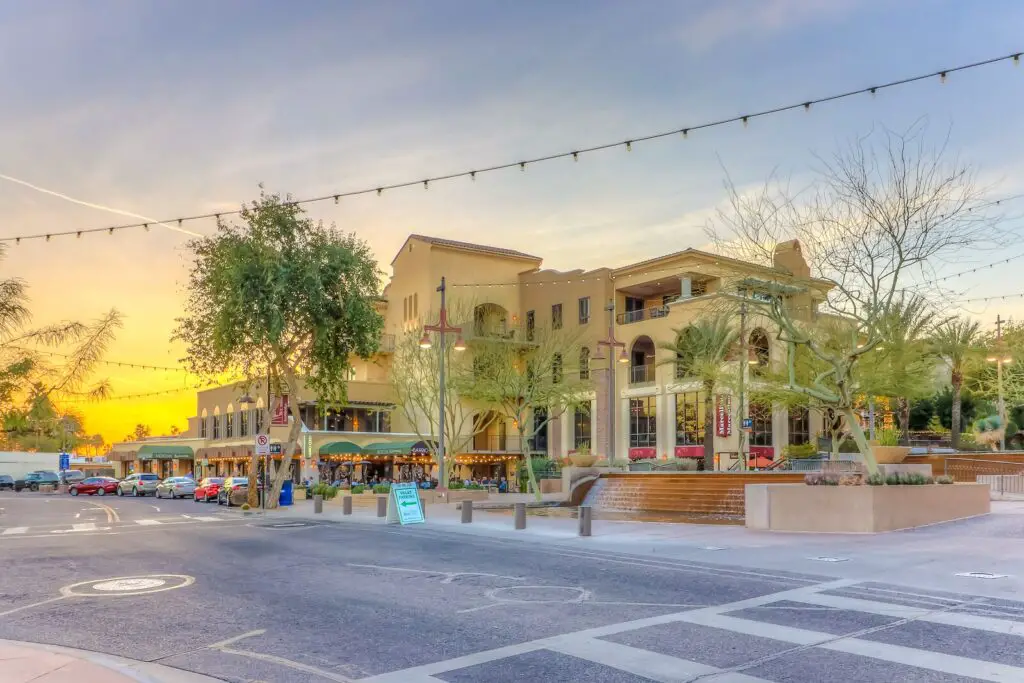
Scottsdale attracts retirees with its desert beauty, golf culture, and polished feel. The dry climate can feel like a miracle if you’re coming from humidity or cold winters. There’s a strong social scene built around active adults, which makes the first year lively. Everything feels thoughtfully designed for comfort and leisure.
The second year often reveals how relentless the heat really is. Summers can be isolating, with triple-digit temperatures limiting outdoor activity for months. Utility bills spike as air conditioning becomes non-negotiable. Some retirees also find the sprawl makes driving unavoidable, which can become tiring over time.
3. Asheville, North Carolina
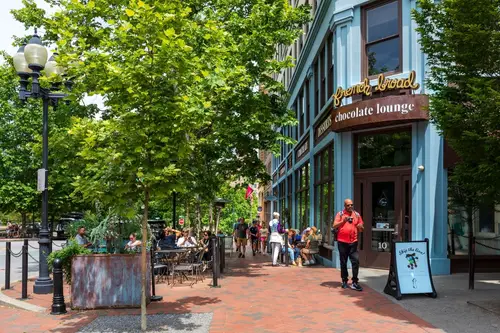
Asheville draws retirees with its artsy vibe, mountain views, and craft food scene. It feels progressive, friendly, and outdoorsy all at once. The town markets itself as a cultural hub, which makes newcomers feel intellectually engaged. Many retirees fall in love with the scenery during their first autumn.
Living there longer exposes some practical challenges. Healthcare options are more limited than people expect for a town its size, especially for specialized care. Tourism congestion can make daily life frustrating, particularly downtown. Housing costs have risen quickly, which can strain fixed incomes.
4. Charleston, South Carolina
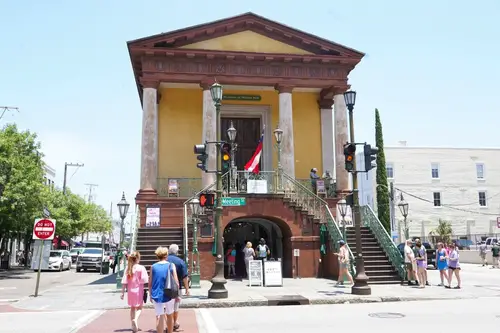
Charleston’s historic charm and coastal setting make it an easy sell. Walking past pastel homes and oak-lined streets feels like living inside a postcard. The food scene and cultural events keep the first year exciting. Mild winters also appeal to retirees escaping colder climates.
Over time, humidity and heat can become exhausting. Flooding and drainage issues are a real concern in many neighborhoods. Tourism never truly slows down, which affects traffic and pricing year-round. Healthcare is solid, but navigating the system can be harder during peak visitor seasons.
5. Santa Fe, New Mexico
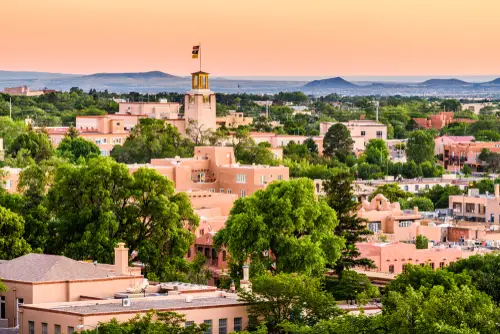
Santa Fe feels sophisticated and soulful, with art, history, and dramatic landscapes. The high desert climate offers sunshine without extreme humidity. Many retirees enjoy the slower pace and strong creative community. It can feel like a place designed for reflection and enrichment.
The reality after a year can be more complicated. The altitude affects some people more than they expect, especially as they age. Healthcare options are limited, often requiring travel to Albuquerque or beyond. Housing costs are high relative to local services, which can surprise newcomers.
6. Sarasota, Florida
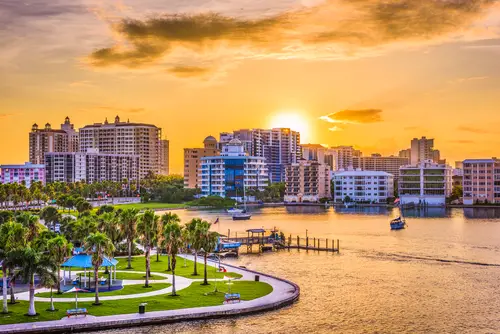
Sarasota is often marketed as a refined, cultural retirement spot. The beaches, performing arts, and walkable neighborhoods feel tailor-made for retirees. Florida’s tax structure adds to its appeal. The first year often feels like a permanent vacation.
By the second year, the crowds become harder to ignore. Seasonal population swings strain infrastructure and medical providers. Housing prices and insurance costs continue to climb. The heat and humidity can also limit how much you actually enjoy the outdoors.
7. Bend, Oregon
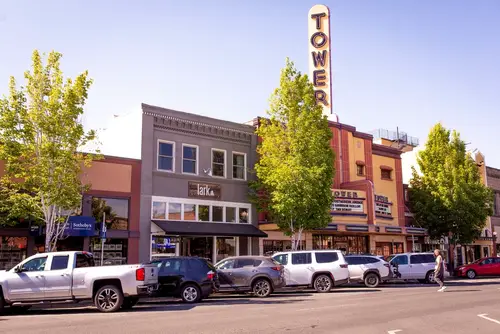
Bend attracts retirees with its mountain scenery and active lifestyle. It feels youthful, energetic, and outdoors-focused. Many people are drawn to the idea of staying physically engaged well into retirement. The first year often feels invigorating and healthy.
Longer-term residents notice the downsides of rapid growth. Housing costs have risen sharply, making downsizing less affordable. Winters can be harsher than expected, especially for those with mobility issues. Healthcare access is improving but still limited for specialized needs.
8. Hilton Head, South Carolina
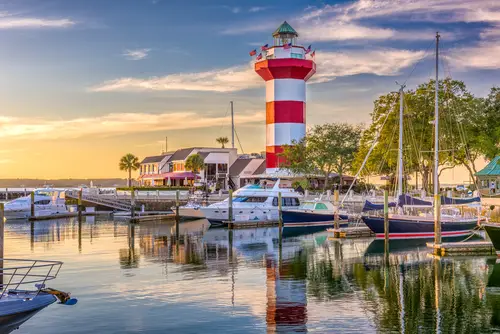
Hilton Head promises coastal beauty and a resort-like atmosphere. Gated communities and golf courses give a sense of order and security. The island feels calm and exclusive during the first year. It’s easy to imagine aging comfortably there.
Island living brings challenges that surface with time. Traffic bottlenecks make simple trips feel complicated. Healthcare options are limited on the island, often requiring off-island travel. Hurricanes and evacuation planning become more stressful as you age.
9. Prescott, Arizona
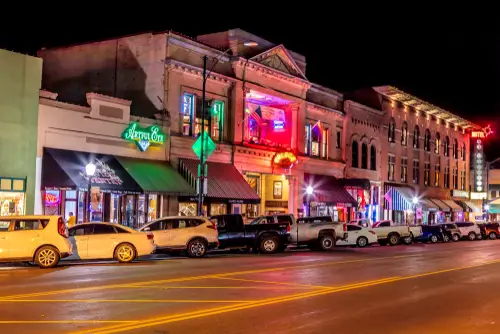
Prescott appeals to retirees who want Arizona sunshine without Phoenix heat. The historic downtown and smaller-town feel are comforting. It often feels like a balanced compromise between activity and calm. Many people feel they’ve found a hidden gem.
After settling in, some limitations become clearer. Healthcare resources are modest, especially for advanced or specialized care. The town skews quieter than expected, which can feel isolating over time. Winter weather can also be colder and snowier than newcomers anticipate.
10. St. George, Utah
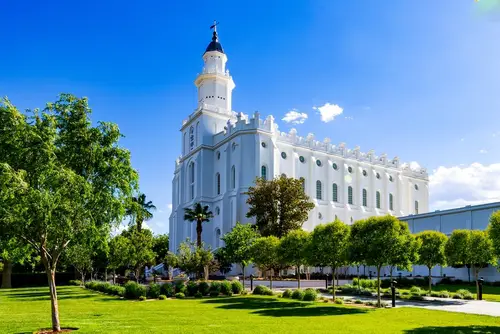
St. George is known for its red rock scenery and mild winters. It attracts retirees who enjoy hiking and natural beauty. The area feels clean, orderly, and relatively affordable at first. Many people appreciate the sense of safety and community.
Over time, extreme summer heat becomes a major factor. The cultural environment can feel limiting for some retirees, especially those seeking diversity. Healthcare options are improving but still require travel for complex needs. Rapid growth is also putting pressure on infrastructure.
11. Traverse City, Michigan
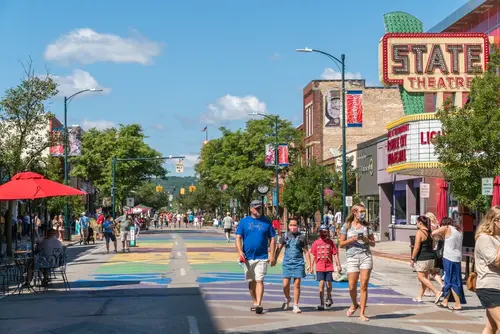
Traverse City charms retirees with its waterfront setting and small-town feel. Summers are beautiful, with festivals and fresh produce everywhere. The town feels vibrant without being overwhelming during peak season. Many retirees enjoy the strong sense of local pride.
Year two often brings a reckoning with winter. Long, cold, and gray months can feel isolating, especially for those used to sun. Seasonal tourism creates boom-and-bust rhythms in daily life. Healthcare is decent but limited for highly specialized care.
12. Taos, New Mexico
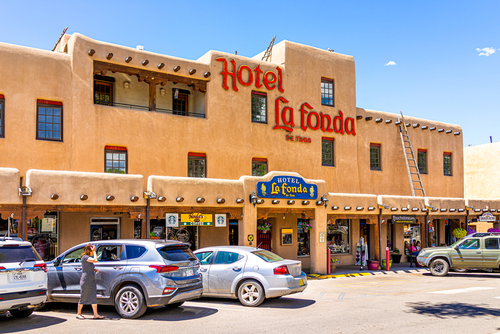
Taos appeals to retirees seeking authenticity and natural beauty. The arts scene and dramatic landscapes feel deeply inspiring. It attracts people looking for a slower, more intentional lifestyle. The first year often feels like a personal reset.
Living there longer reveals practical hurdles. Healthcare access is limited, requiring frequent travel. Winters can be colder and more isolating than expected. The town’s remoteness can wear on people as mobility or energy declines.
13. The Villages, Florida
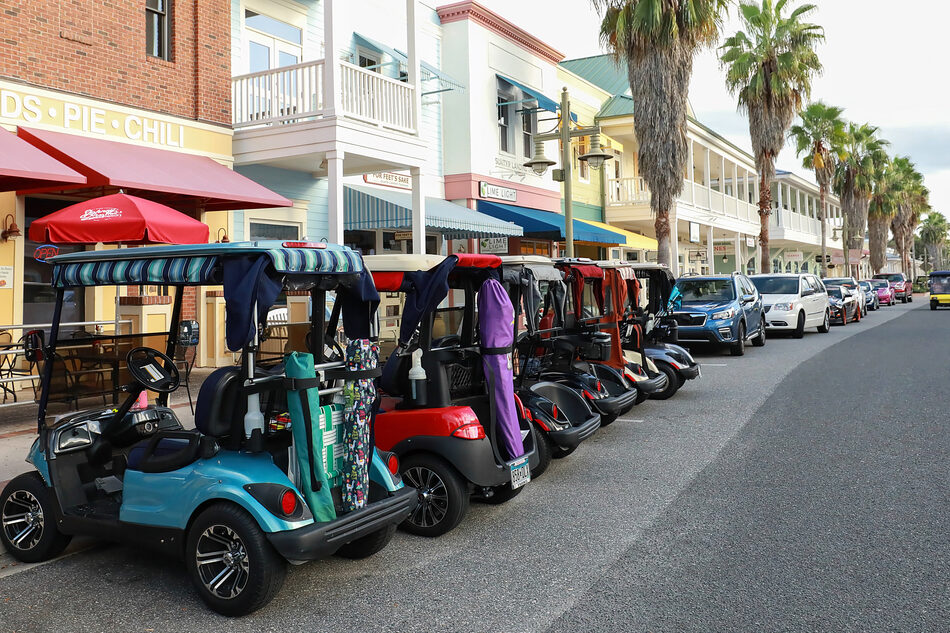
The Villages is famous for its built-in social life. Clubs, activities, and events make the first year feel nonstop. Many retirees love how easy it is to meet people. Everything feels optimized for convenience and fun.
By year two, some find the environment too uniform. The social scene can feel repetitive or pressure-filled. Healthcare access is heavily used, which can mean long waits. Rising fees and housing costs also surprise some residents.
14. Palm Springs, California
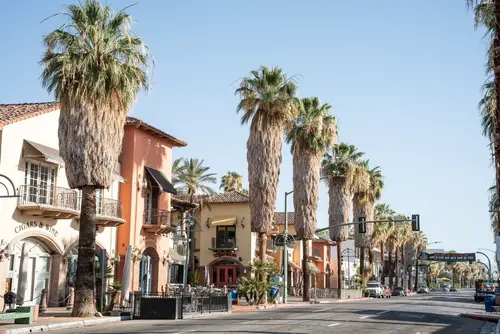
Palm Springs offers sunshine, style, and a strong retiree community. The architecture and cultural history add to its appeal. Winters are especially attractive for seasonal residents. The first year feels glamorous and relaxed.
Then summer arrives, and it’s intense. Extreme heat limits outdoor activity for months. The cost of living, including utilities and taxes, adds up quickly. Some retirees also find the area feels transient rather than rooted.
15. Galveston, Texas
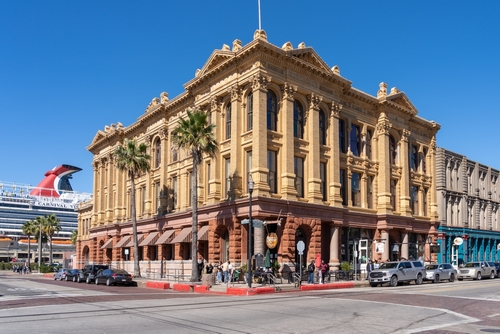
Galveston attracts retirees with its affordability and coastal charm. Texas has no state income tax, which looks appealing at first. The historic districts and beach access feel like a bargain. Many people enjoy the casual, unpretentious vibe.
Living there longer highlights environmental risks. Hurricanes, flooding, and insurance costs are ongoing concerns. The humidity and heat can be draining year after year. Healthcare access is decent but often requires travel to Houston for specialized care.
This post 15 Retirement Town Choices That Sound Smart — Until Year Two was first published on Greenhouse Black.
