
1. The “Free Overnight Parking” Lot Behind the Big Box Store
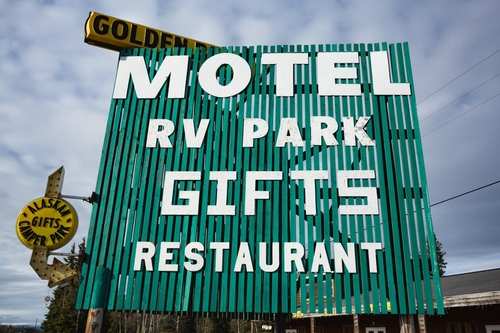
Seasoned RVers know that “free” overnight parking can come with a hidden price. Those dimly lit lots often attract late-night noise, delivery trucks, or worse—thieves looking for an easy grab. While some Walmarts still welcome RVs, more locations are cracking down or posting “no overnight parking” signs. Veterans have learned to check apps like Campendium or Allstays instead of rolling the dice.
They’ve also discovered that what starts as a quick overnight stay can turn into a stressful wake-up call at 3 a.m. from security or local police. The lack of consistent policies makes it unpredictable, and that unpredictability isn’t worth the hassle. Add in bright parking lot lights and constant engine noise, and you’ve got a recipe for a sleepless night. Even the most budget-conscious RVer now prefers safer, designated boondocking areas.
2. The Scenic Pull-Off with a “Perfect View”
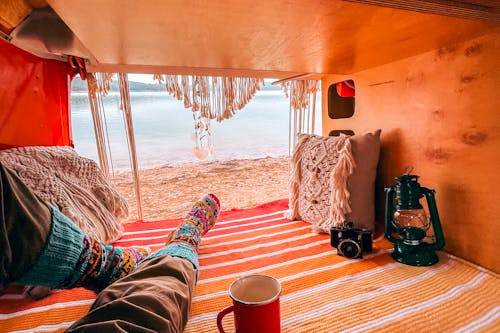
Those highway turnouts with jaw-dropping mountain views are almost irresistible—until you realize they’re not designed for 40-foot rigs. The soft shoulders can sink under the weight of an RV, especially after rain or snowmelt. Once you’re stuck, you’ll be lucky if cell service works well enough to call for a tow. Experienced drivers just admire the view as they roll past.
Even when the ground seems firm, the angles and slopes can make leveling impossible. It only takes one incident of a slide-out catching on uneven ground to swear off these “perfect photo spots” forever. Veteran RVers now opt for established scenic overlooks or rest areas with marked truck parking. They’ve learned that beauty is better enjoyed without the stress of wondering if your tires are sinking.
3. The Gas Station with “RV-Friendly” Signs

Not all “RV-friendly” gas stations live up to the promise. Many advertise wide lanes but forget to mention low canopies or tight turnarounds. Newbies might find themselves stuck, backing into traffic while everyone honks. Those who’ve been around the block know to look for truck stops or travel plazas with dedicated RV lanes.
Experienced RVers also know that apps like GasBuddy and RV Life Trip Wizard can save a ton of frustration. They use satellite view to scout exits before committing. Nothing ruins a travel day faster than scraping an awning on a low overhang or blocking traffic at the pumps. Once you’ve had that experience, you’ll never skip a quick Google Maps check again.
4. The “Rustic” Campground with No Hookups
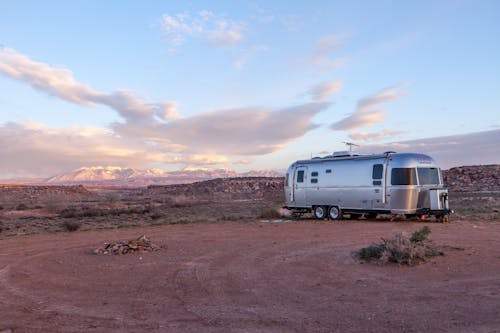
A sign promising “off-grid charm” can sound great until you’re lugging water jugs at dawn. Some older campgrounds haven’t upgraded since the 1970s—think cracked concrete pads and sketchy electrical posts. For those who rely on air conditioning or CPAP machines, that’s a dealbreaker. Seasoned RVers have learned that “rustic” sometimes just means neglected.
Veterans also know to check recent reviews before booking. Many of these spots look fine online but haven’t seen a working dump station in years. Worse, some are so uneven that you’ll burn through leveling blocks just to sleep straight. The nostalgia might be cute for a night, but most prefer comfort over campfire romance these days.
5. Tourist Traps Masquerading as “World’s Largest” Anything

Every major highway has one—the “World’s Largest Ball of Twine,” “Biggest Dinosaur,” or “Giant Chair.” Veteran RVers smile and wave as they drive past because they’ve seen how these stops eat up time and parking space. Many have tight lots not meant for motorhomes, and often the souvenir shops feel more like cash grabs than roadside wonders. It’s fun once, but not worth the 45-minute detour.
Experienced travelers know their rig isn’t exactly nimble, and turning around in a tiny parking lot can be a white-knuckle experience. The so-called attractions rarely deliver more than a quick photo op. After the third overpriced cup of coffee, the charm wears off fast. These days, pros skip the gimmicks and head for real local gems instead.
6. The Highway Rest Stop Near a Major City
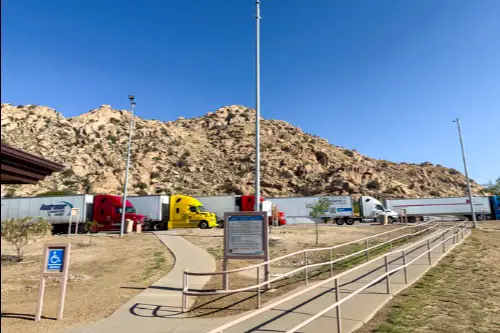
On paper, they seem convenient—clean restrooms, picnic tables, and quick access to the freeway. But rest stops near large metro areas are magnets for crime, especially at night. Theft from unlocked rigs and catalytic converter removal are real issues. Veteran RVers have learned that “convenient” doesn’t mean “safe.”
Instead, they aim for rural rest areas or small-town parks with better visibility and security. Urban rest stops also tend to fill up fast, forcing RVers to squeeze into awkward spots. The noise from constant semis and nearby highways makes rest nearly impossible anyway. Those who’ve tried it once rarely do it again.
7. The “Farm Stay” Without Verified Reviews
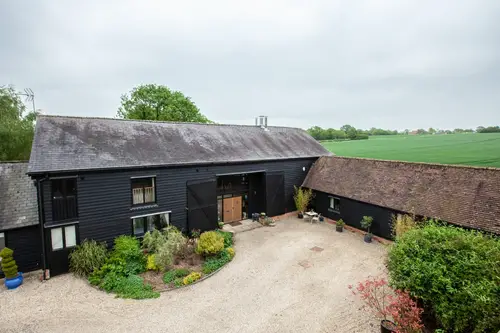
The idea of parking next to a barn and waking up to chickens sounds idyllic—until the smell hits. Some farms listed on platforms like Harvest Hosts don’t accurately describe their facilities. Lack of level parking, narrow access roads, or unfriendly animals can turn a peaceful stay into a nightmare. Experienced RVers only book verified hosts with detailed reviews.
It’s not just about comfort—it’s about safety. A muddy field can trap your rig, and rural cell service might make it impossible to call for help. The charm of “authentic country life” fades quickly when your tires sink past the axles. Pros double-check every listing before heading down that dirt road.
8. Scenic Routes with Hidden Low Bridges
A beautiful backroad through the hills might look great on a map, but height restrictions can turn it into a disaster. GPS apps not made for RVs often skip those warnings. One missed sign and you could be facing a 10-foot bridge with a 12-foot rig. Veteran RVers never rely solely on standard navigation tools.
They’ve learned to use RV-specific GPS systems that account for height, weight, and propane restrictions. Many keep a paper atlas as backup, too. The stories of RV roofs peeled open like sardine cans are enough to make anyone cautious. The view isn’t worth the risk—or the repair bill.
9. The “Convenient” Interstate Exit Diner
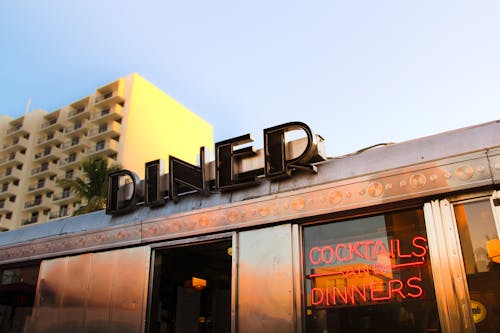
Those neon-lit diners right off the exit might seem perfect for a quick bite. But they often lack proper parking for large vehicles. Even if you manage to fit, the food is rarely worth the juggling act. Veterans know to plan meals at truck stops or local diners with wide lots and decent coffee.
They’ve also learned that these spots often overcharge because of their location. And after a few limp pancakes and burnt burgers, the appeal fades. Apps like Yelp or Google Maps help find hidden gems just a few miles off the highway. The extra detour is almost always worth it.
10. The “Private” Dump Station Behind a Gas Station
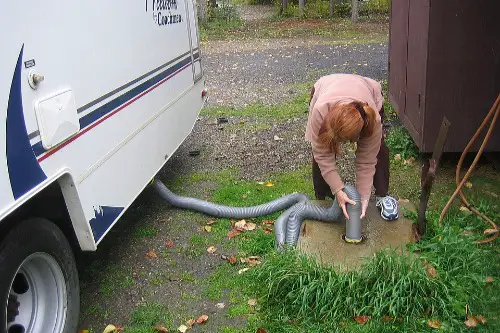
Sure, it’s convenient—but it’s often unmaintained and overpriced. You’ll find leaky hoses, clogged drains, and missing covers. That’s not just gross—it’s a health hazard. Experienced RVers know to find municipal dump stations or those at reputable campgrounds instead.
They’ve learned that even a short wait at a clean facility beats wrestling with bad plumbing. Gas station attendants often don’t even know the station exists or if it’s working. There’s nothing worse than discovering it’s out of order when you’re already committed. Once bitten, twice shy.
11. Any “Abandoned” Attraction Off Route 66
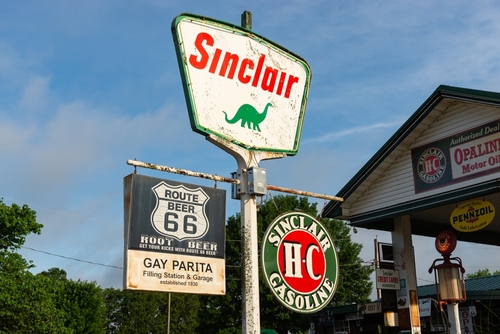
There’s a certain nostalgia in the old neon signs and faded postcards, but these spots often hide broken glass and collapsing structures. Veteran RVers have seen too many curious travelers end up with flat tires—or worse. These ghost attractions might look cool on Instagram, but the risk isn’t worth the reel. They’re great to drive past, not park near.
Even with caution, maneuvering an RV through narrow, crumbling access roads is a gamble. Many of these sites are on private property, too. Trespassing signs can turn a fun detour into an awkward encounter. Veterans stick to open museums and restored landmarks instead.
12. “Overflow” Fairgrounds During Big Events

County fairs and festivals sometimes allow RV overflow parking, but the conditions are rarely ideal. Think packed lots, no hookups, and loud music until midnight. It sounds like a good deal until you realize your rig is boxed in by others. Experienced RVers have learned that chaos is not their idea of a getaway.
They’ve seen the aftermath of muddy exits and neighbors who treat quiet hours as optional. The lack of dump facilities and security can make even a short stay stressful. Unless you’re there for the event itself, it’s just not worth it. A quiet boondocking site wins every time.
13. “New Management” RV Parks Without Online Photos
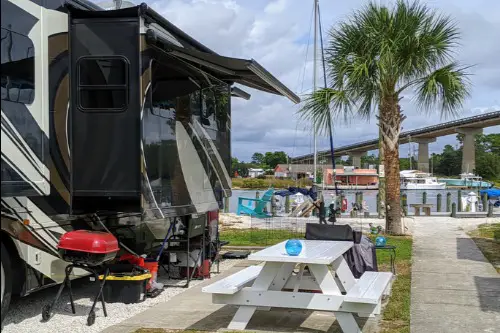
When a park suddenly rebrands under “new management,” that’s often code for “work in progress.” The reality might be broken hookups, patchy Wi-Fi, and overgrown lots. Longtime RVers know that a lack of recent photos is a red flag. If it looks sketchy online, it probably is.
They’ve learned to check Google Street View and recent reviews before pulling in. A smooth check-in process and clean facilities go a long way. But when everything feels half-finished, it’s a sign to move on. After enough experience, you can smell the disappointment from a mile away.
This post 13 Roadside Stops Every Veteran RVer Avoids at All Costs was first published on Greenhouse Black.
