
1. Mailboxes are federal property
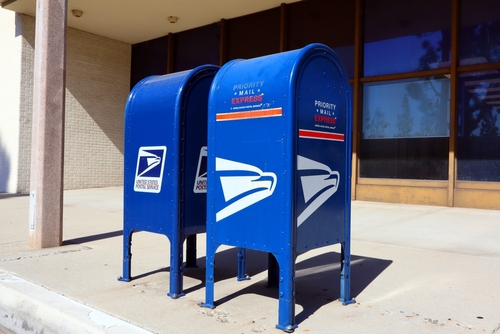
That mailbox at the curb isn’t just another container. In the U.S., mailboxes are protected under federal law. Tampering, placing unstamped items inside, or damaging them can lead to federal charges. The rule exists to protect the integrity of the postal system.
People usually learn this when trying to be helpful or convenient. Dropping flyers or notes inside a mailbox is illegal without postage. Even homeowners technically don’t own the mailbox once it’s designated for mail. The surprise comes from how strict the protection is.
2. Right on red isn’t always allowed
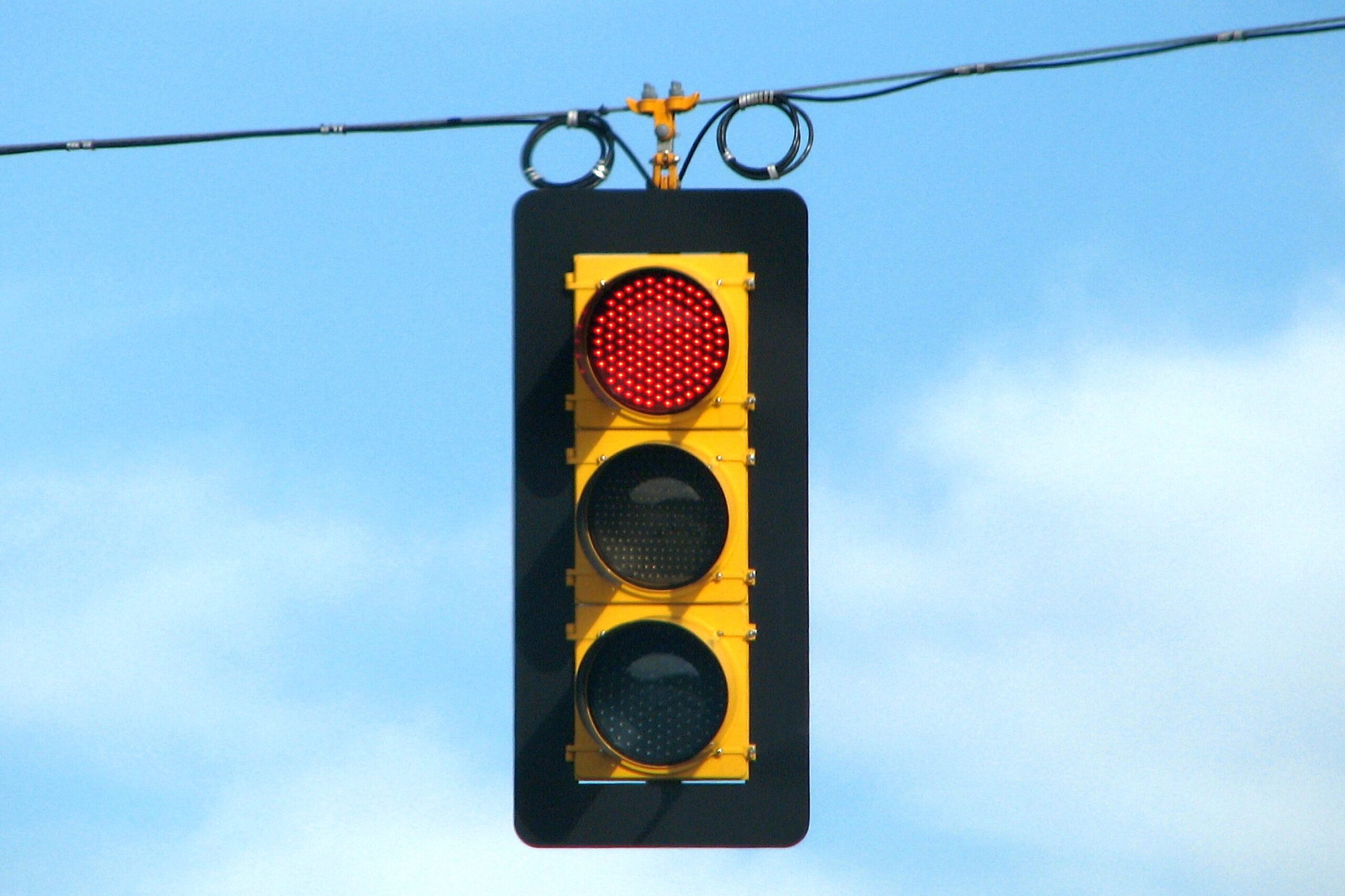
Many Americans learn this after a honk, a ticket, or both. While right on red is legal in most states, it’s banned where signs say so, and those signs are common in cities. Some intersections restrict it during certain hours or when pedestrians are present. The reason this rule exists is safety, especially in dense areas where foot traffic and bike lanes change the risk.
People assume it’s a universal permission because it’s so widespread. That assumption breaks down fast in places like New York City, where right on red is generally illegal unless posted otherwise. Tourists and new residents get caught because the default rule flips depending on location. Cities use this rule to reduce pedestrian injuries at busy crossings.
3. The price on the shelf isn’t the price you pay
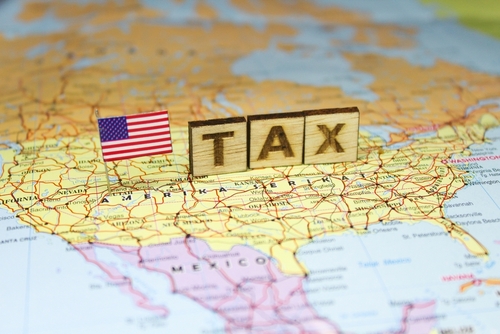
Sales tax being added at checkout confuses many Americans at least once. Unlike many countries, U.S. prices usually exclude sales tax from listed prices. Rates vary by state, county, and even city, which makes universal labeling impractical. The rule exists because sales tax authority is decentralized.
People notice this most when budgeting tightly or making large purchases. A listed $1,000 item can cost noticeably more depending on where you live. Some states have no sales tax at all, adding to the confusion when traveling. The inconsistency is frustrating, but it’s a byproduct of local control.
4. Tipping isn’t optional in sit-down restaurants

Tipping culture often feels like a suggestion until you skip it. In most states, tipped workers are paid a lower minimum wage that assumes tips will make up the difference. Leaving little or nothing can directly reduce a server’s income for that shift. The system exists because labor laws allow tip credits for employers.
People usually learn this after an awkward look or a pointed receipt. Standard tips are generally 15 to 20 percent before tax for table service. Counter service and takeout are different, which adds another layer of confusion. The rule persists because the restaurant industry is built around it.
5. Quiet hours are enforced by local law
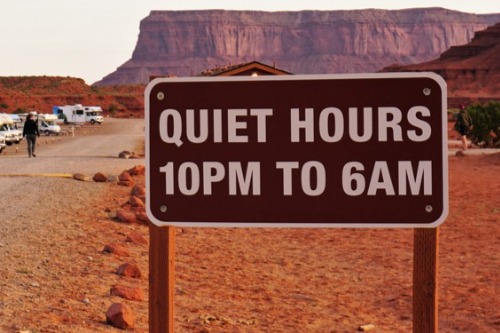
Noise complaints aren’t just neighbor drama, they’re often legal issues. Most cities and towns have ordinances that limit noise during late-night and early-morning hours. Violations can lead to fines, even for one-time events like parties. These rules exist to balance personal freedom with community livability.
Many people assume police won’t bother unless things get extreme. In reality, a single call can trigger a warning or citation. Construction, music, and even lawn equipment can fall under these rules. People usually learn this when a knock comes at 11 p.m.
6. Homeowners associations can fine you legally

HOAs feel unofficial until they hit your wallet. These organizations can enforce rules through fines, liens, and even foreclosure in extreme cases. When you buy into an HOA, you legally agree to its covenants and bylaws. The authority exists because HOAs are private governing bodies tied to property ownership.
People often discover this after changing landscaping or parking incorrectly. The rules can cover paint colors, trash cans, and holiday decorations. Ignoring notices can escalate costs quickly. The shock comes from underestimating how binding the agreement really is.
7. Open container laws apply beyond driving

Open container rules don’t stop at the driver’s seat. Many states and cities prohibit open alcohol containers in public places like sidewalks and parks. Violations can result in fines even if you’re not causing trouble. These laws exist to limit public intoxication and related safety issues.
People learn this when leaving a bar with a drink in hand. Some cities allow it in designated entertainment districts, but those are exceptions. Enforcement depends heavily on location and timing. Assuming it’s fine everywhere is where people get caught.
8. You must stop for school buses in both directions
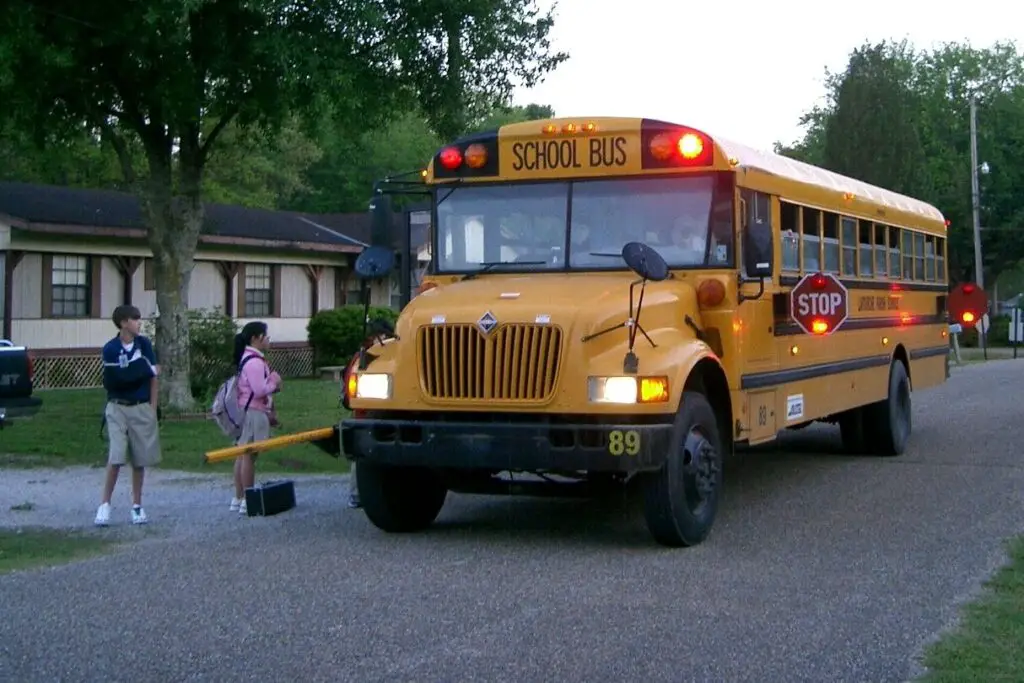
This rule surprises drivers more than almost any other. In most states, traffic in both directions must stop when a school bus extends its stop arm on undivided roads. Fines are steep and violations can add points to your license. The rule exists to protect children crossing the street.
People often assume oncoming traffic can keep moving. That assumption is only true on divided highways with a physical median in some states. Cameras on buses increasingly enforce this automatically. Many drivers learn the rule from a ticket in the mail.
9. Recording conversations depends on state consent laws

Recording a call or conversation can be legal or illegal depending on location. Some states require only one-party consent, while others require all parties to agree. Violating these laws can lead to criminal charges or civil penalties. The rule exists to protect privacy rights.
People often assume their own consent is enough everywhere. Problems arise when crossing state lines or recording someone from a stricter state. This comes up often with phone calls, workplace disputes, and personal conflicts. The legal difference is subtle but serious.
10. Jaywalking laws actually get enforced sometimes
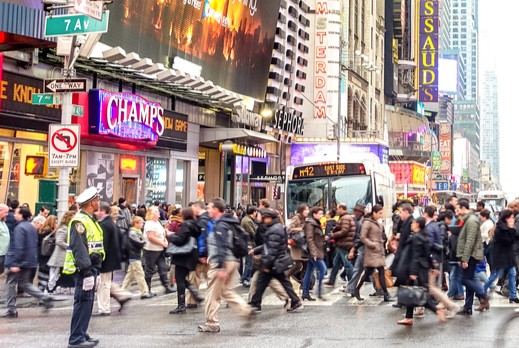
Jaywalking sounds like a fake crime until you’re handed a citation. While enforcement varies, many cities do ticket pedestrians for crossing outside marked areas or against signals. It’s especially enforced during traffic safety campaigns or after pedestrian accidents. The rule exists because unpredictable crossings increase collision risks for drivers and walkers.
People often learn this when they move from a small town to a dense city. In places like Los Angeles or Seattle, enforcement can be sporadic but very real. Police often focus on high-traffic corridors where accidents have happened before. The surprise comes from assuming cultural norms override written law.
11. Employment is usually at-will

Many Americans assume they can only be fired for a reason. In most states, employment is at-will, meaning either party can end it at any time for almost any legal reason. Employers don’t need to prove poor performance or misconduct. The rule exists to provide labor market flexibility.
People often learn this after a sudden termination. Exceptions exist for discrimination, retaliation, and contracts, but they’re narrower than expected. Employee handbooks don’t usually change at-will status unless stated clearly. The misunderstanding comes from confusing fairness with legality.
12. Parking rules change overnight and seasonally
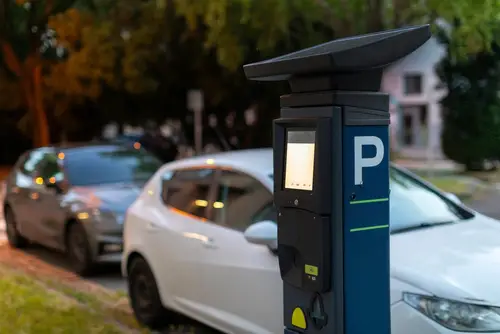
Parking legally at night doesn’t mean it’s legal by morning. Many cities have overnight restrictions, street sweeping schedules, or seasonal bans. Violations often lead to tickets or towing without warning. These rules exist to allow cleaning, snow removal, or traffic flow.
People usually learn this after waking up to a missing car. Signs can be permanent, temporary, or posted only during certain months. Locals memorize the patterns, but newcomers struggle. The lesson sticks once it gets expensive.
This post 12 Rules Americans Don’t Learn Until They Accidentally Break Them was first published on Greenhouse Black.
