
1. Letting Pets Roam or Bark

Unleashed pets are a common source of campground tension. Even friendly animals can frighten people or approach other pets unexpectedly. Constant barking carries far in tight camping loops. Neighbors quickly connect the noise to the rig it comes from.
Most campgrounds require pets to be leashed and under control at all times. These rules protect animals, owners, and other campers. Ignoring them suggests you expect others to tolerate the disruption. That assumption rarely goes over well.
2. Running a Generator During Quiet Hours
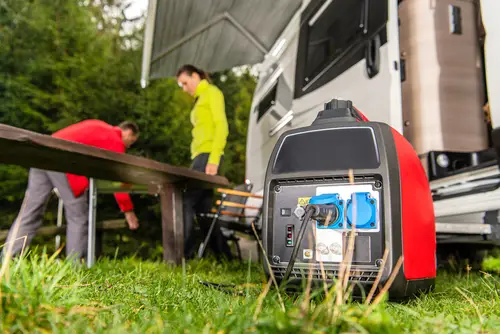
Campgrounds usually post quiet hours, and they are not suggestions. Firing up a generator late at night or early in the morning carries sound far beyond your site. Even inverter generators that seem quiet to you can disrupt nearby rigs. This is one of the fastest ways to get complaints or a knock from the host.
Quiet hours exist because many RVers are sleeping, working remotely, or traveling early. Breaking them signals that you value your power needs over everyone else’s rest. Most parks allow generator use at specific times, so planning around that is expected. Ignoring those rules quickly earns you a reputation.
3. Encroaching on a Neighbor’s Site
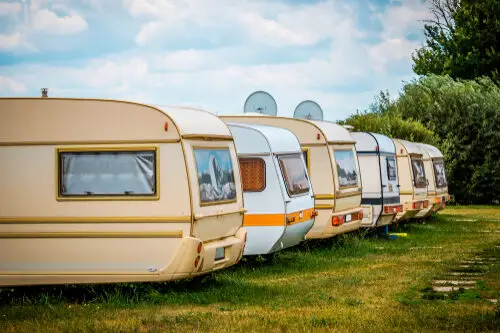
Spreading your gear into the neighboring site might feel harmless at first. Chairs, awnings, hoses, or vehicles that cross boundaries are noticed immediately. Other campers often picked their spot carefully and paid for that space. Seeing it partially occupied by someone else creates instant friction.
Campground site lines are there for safety, access, and fairness. Blocking part of another site can interfere with hookups, parking, or emergency access. It also puts the host in the awkward position of having to intervene. All of that could be avoided by keeping everything within your pad.
4. Dumping Tanks Improperly
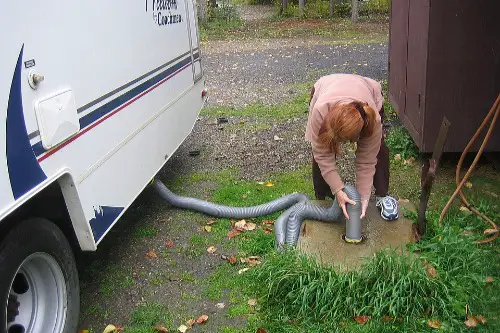
Dumping black or gray tanks anywhere other than an approved dump station is a serious violation. That includes letting gray water run onto the ground. Even small amounts leave odors and residue that linger. Other RVers notice immediately and do not forget it.
These rules exist to protect health, groundwater, and campground infrastructure. Improper dumping can attract pests and create sanitation hazards. It can also lead to campground fines or permanent bans. This behavior is widely viewed as disrespectful and irresponsible.
5. Driving Too Fast in the Campground

Speed limits in campgrounds are usually very low for a reason. Kids, pets, cyclists, and pedestrians are often sharing the road. Driving fast kicks up dust, reduces reaction time, and feels threatening. It only takes one pass to get noticed.
Most campgrounds enforce speed limits strictly after complaints. Excessive speed shows a lack of awareness of your surroundings. It also puts staff in the position of having to address safety concerns. Slowing down signals that you respect the shared space.
6. Ignoring Check-In and Site Rules
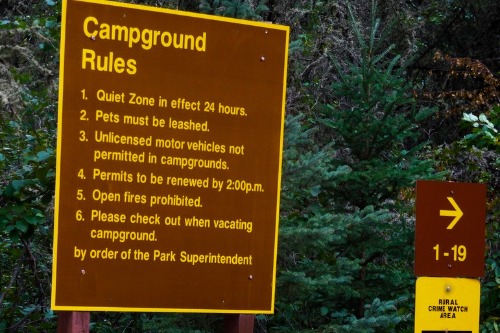
Skipping the office or ignoring posted procedures is more noticeable than you think. Hosts track arrivals, departures, and site assignments carefully. Parking in the wrong site or staying past checkout causes logistical problems. Those problems usually affect other guests.
Rules about check-in, checkout, and site use keep the campground running smoothly. When one person ignores them, staff has to spend extra time fixing it. That can delay check-ins or create confusion for others. Being careless with rules is often labeled as entitlement.
7. Using Open Fires or Grills Improperly

Fire rules vary by location, season, and weather conditions. Starting an unauthorized fire or ignoring burn bans is taken very seriously. Smoke and sparks can spread quickly in dry conditions. Other campers will report it immediately.
Campgrounds restrict fires to reduce wildfire risk and property damage. Improper fires can end an entire campground’s season. Even grilling in prohibited areas can trigger alarms or complaints. Following fire rules is non-negotiable in the RV world.
8. Blocking Roads or Access Points

Parking rigs, tow vehicles, or toys in the road creates instant frustration. Campground roads are often narrow and shared. Blocking access can prevent large rigs from maneuvering safely. It is one of the fastest ways to draw staff attention.
Clear roads are essential for emergency vehicles and maintenance crews. Even short-term blockages can cause backups or safety risks. Many campgrounds will tow or fine without warning. Being mindful of access shows basic campground awareness.
9. Creating Excessive Outdoor Noise
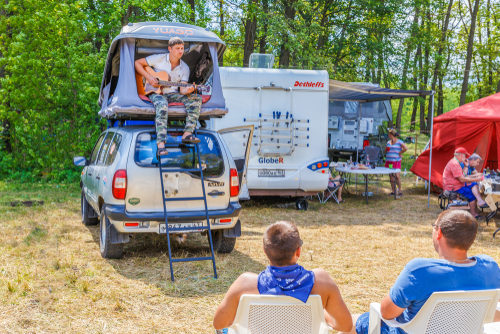
Loud music, outdoor TVs, and group gatherings can overwhelm a campground. Sound travels farther than most people expect, especially at night. What feels like a reasonable volume at your site may dominate the loop. Neighbors often hesitate once before complaining.
Campgrounds are shared spaces, not private backyards. Excessive noise limits others’ ability to relax or sleep. Repeated disturbances quickly identify the source rig. That label tends to stick for the duration of the stay.
10. Misusing Hookups
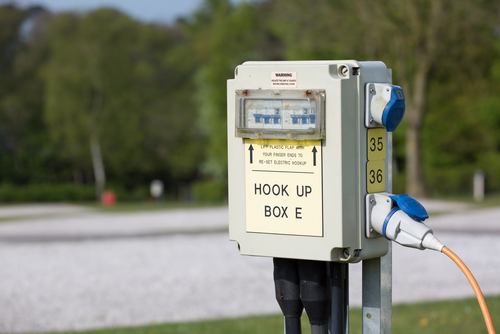
Improper use of electrical, water, or sewer hookups causes real problems. Overloading electrical pedestals can trip breakers for multiple sites. Leaving water running or connections leaking wastes shared resources. These issues are visible and traceable.
Hookup systems are designed with specific limits in mind. Misuse creates extra work for maintenance staff and inconvenience for neighbors. It also risks damage to campground infrastructure. Experienced RVers notice and judge this quickly.
11. Cutting Lines or Ignoring Campground Flow
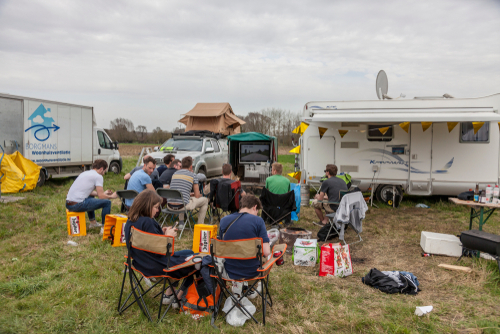
Arriving at busy times requires patience and awareness. Cutting into dump station lines or bypassing traffic flow frustrates everyone waiting. Other RVers remember rigs, not excuses. One shortcut can undo a lot of goodwill.
Campground systems rely on cooperation to function smoothly. Ignoring flow creates backups and increases tension. Staff may intervene if conflicts arise. Respecting the process shows you understand campground culture.
12. Acting Defensive When Corrected

Everyone makes mistakes while RVing, especially when learning. How you respond when corrected matters more than the mistake itself. Becoming defensive or argumentative escalates the situation quickly. Others nearby take mental notes.
Campground staff and fellow RVers usually address issues to keep things running smoothly. A calm, cooperative response resolves most problems fast. Digging in makes you memorable for the wrong reasons. Courtesy goes a long way in close quarters.
This post RV Behaviors That Get You Labeled a Problem — Fast was first published on Greenhouse Black.
