
1. Return Shared Facilities the Way You Found Them
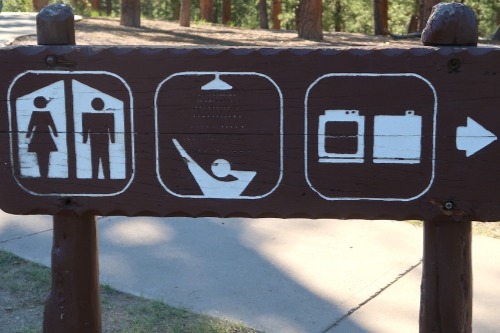
Bathhouses, laundry rooms, and dishwashing stations are shared spaces. Even when cleaning staff is on duty, campers are expected to tidy up after themselves. That means wiping down sinks, removing lint from dryers, and disposing of trash properly. Leaving a mess impacts everyone who comes after you.
Campground maintenance teams often service multiple sites and facilities daily. They rely on campers to do their part. Simple acts like rinsing out a shower stall keep facilities pleasant. A little personal responsibility goes a long way in shared environments.
2. Respect Quiet Hours (Even If No One Reminds You)
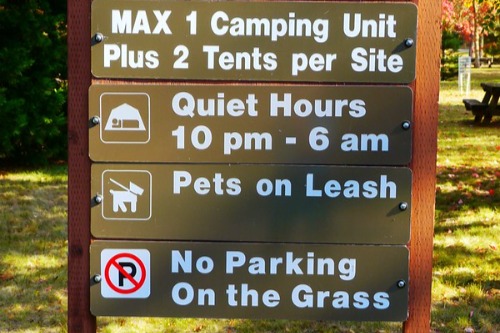
Most campgrounds post quiet hours, but even when they don’t, seasoned RVers know they usually run from about 10 p.m. to 7 a.m. That means lowering voices, turning off outdoor speakers, and skipping late-night generator runs unless it’s an emergency. Sound travels farther in open campgrounds than people expect, especially across water or through trees. Being mindful at night ensures everyone gets the rest they came for.
The reason this rule exists is simple: people camp to relax. Families may have kids going to bed early, and retirees often turn in before midnight. Even if you’re on vacation mode, your neighbors might have a long drive the next morning. Keeping things quiet helps maintain the peaceful atmosphere campgrounds are known for.
3. Keep Your Generator Use Reasonable
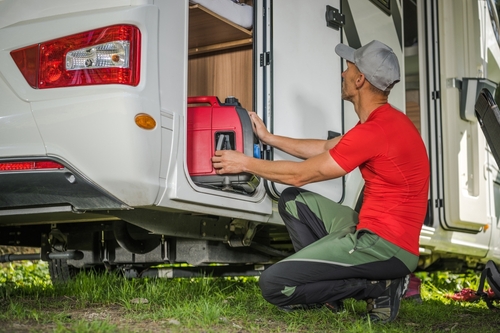
Generators are common in RV camping, especially in areas without full hookups. Even so, many campgrounds restrict generator use to certain hours, often mid-morning to early evening. Running one during meal times or late at night can quickly irritate neighbors. The steady hum carries farther than most people realize.
The unspoken part is to limit how long you run it, even during allowed hours. If you only need to recharge batteries, try to do it efficiently rather than letting it run for hours. Some campers rely on solar panels or battery banks to minimize noise. Being considerate about generator use helps maintain a friendly atmosphere.
4. Control Your Campfire Smoke
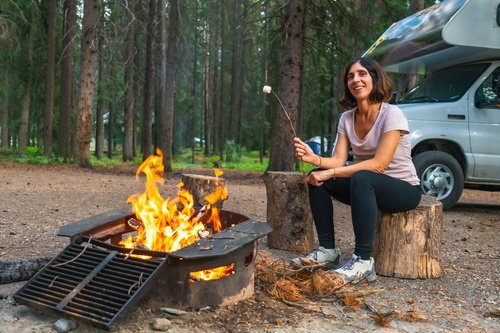
Campfires are a big part of the camping experience, but smoke direction matters. Wet wood or trash creates heavy smoke that drifts into neighboring campsites. No one enjoys sitting in a cloud of smoke while trying to eat dinner. Choosing seasoned firewood reduces excess smoke.
You also want to keep your fire at a reasonable size. Oversized fires can be both unsafe and smoky. In many areas, local regulations require fires to stay within designated rings and be fully extinguished when unattended. Managing your campfire responsibly protects both your neighbors and the campground itself.
5. Clean Up After Your Pets Immediately
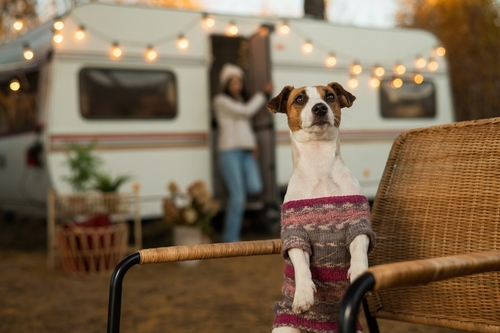
Most campgrounds allow dogs, which means pet etiquette is essential. Even if no sign is posted, picking up after your dog right away is expected. Leaving waste behind creates odors and health concerns. It also makes walking around the campground unpleasant for others.
Leash rules are also commonly enforced, typically requiring dogs to be on a leash no longer than six feet. Not everyone is comfortable around unfamiliar animals, no matter how friendly they seem. Immediate cleanup and proper restraint prevent conflicts. Responsible pet ownership keeps campgrounds pet-friendly.
6. Don’t Arrive and Set Up at Midnight
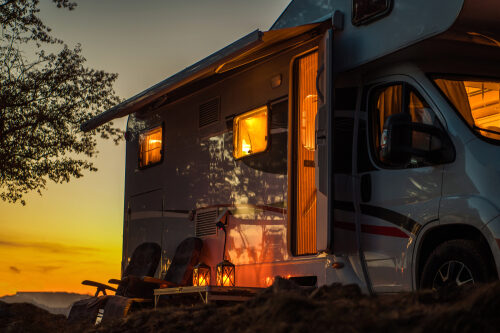
Late arrivals happen, especially after long travel days. However, pulling in well after quiet hours and starting a full setup can disturb multiple campsites. Leveling jacks, slamming doors, and bright headlights can wake sleeping campers. Even friendly greetings feel loud in the dark.
If you must arrive late, many experienced RVers do a “minimal setup.” That usually means parking safely, plugging into power if needed, and finishing the rest in the morning. Avoiding extended setup tasks at night shows respect for others’ rest. It’s a small adjustment that makes a big difference.
7. Keep Exterior Lighting Subtle
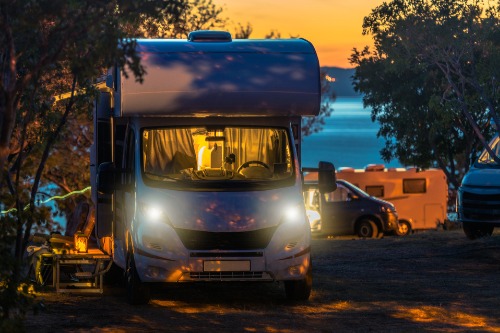
Modern RVs often have bright LED accent lights under awnings or along the frame. While they look great, they can spill into neighboring campsites after dark. Not everyone wants their campsite illuminated by someone else’s decorative lighting. Dimming or turning off nonessential lights at night is considerate.
Excessive lighting also affects the night sky experience. Many campers choose destinations specifically for stargazing. Bright lights interfere with that and can attract insects. Keeping your exterior lighting low preserves the atmosphere for everyone.
8. Manage Your Sewer Connections Carefully
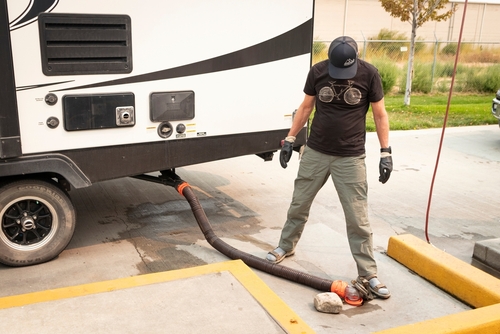
Hooking up to a sewer connection is part of RV life in full-hookup sites. The unwritten rule is to use proper hoses, secure fittings, and avoid leaks. Nobody wants to see or smell someone else’s wastewater issues. Most campgrounds require sewer hoses to be supported off the ground when possible.
It’s also considered good practice not to leave your black tank valve open continuously. Doing so can cause solids to build up in the tank rather than draining properly. Dumping when the tank is at least two-thirds full helps ensure effective flow. Proper sewer management prevents unpleasant surprises for you and your neighbors.
9. Park Only in Your Assigned Space
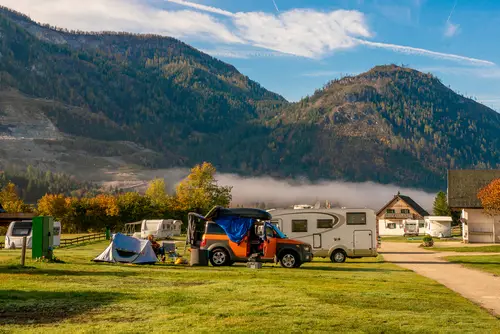
Campgrounds mark sites clearly for a reason. Extending your vehicle, tow car, or gear into the road or a neighboring site can block access. Large RVs, especially fifth wheels and motorhomes, already require careful navigation. Keeping everything within your boundary helps maintain safe traffic flow.
Overstepping your site can also create tension with neighbors. People choose specific sites for space, shade, or views. Respecting the physical limits of your reservation shows basic courtesy. It keeps the campground organized and stress-free.
10. Don’t Cut Through Someone Else’s Campsite
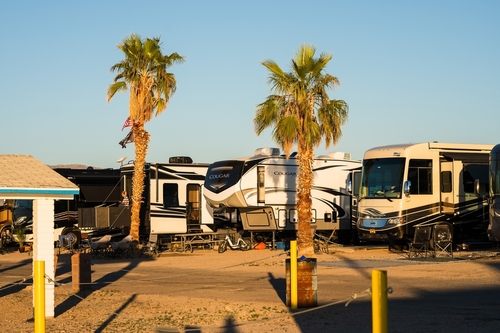
It might seem harmless to take a shortcut across a campsite to reach the bathhouse or lake. However, that patch of gravel, grass, or picnic table area is considered someone’s temporary home. RVers often set up chairs, cooking gear, and personal items in their designated space. Walking through it can feel intrusive and disrespectful.
Campgrounds are typically designed with roads and pathways for foot traffic. Using those routes protects privacy and prevents awkward encounters. It also keeps you from accidentally tripping over guy lines, power cords, or pets. Giving people their space makes the campground feel more comfortable for everyone.
11. Be Friendly, But Read the Room

Campgrounds are social places, and many RVers enjoy chatting with neighbors. A quick wave or greeting is common courtesy. However, not everyone wants an extended conversation every time they step outside. Paying attention to body language helps you gauge interest.
Some campers are working remotely, spending family time, or simply enjoying solitude. Knocking on someone’s RV door uninvited is generally frowned upon unless necessary. Friendly interactions should feel natural, not forced. Respecting social boundaries keeps the campground welcoming without being overwhelming.
This post RV Campground Rules That Exist Without Being Written Down was first published on Greenhouse Black.
