
1. Portable Tire Inflator
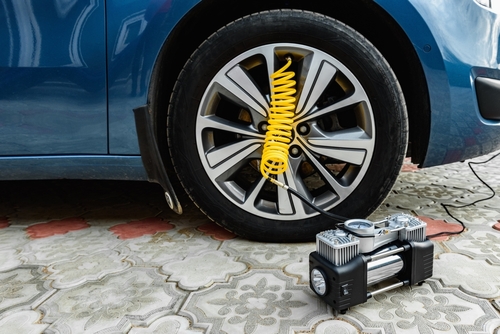
Tire pressure matters far more with RVs than with regular cars. Large motorhomes and trailers carry heavy loads, and underinflated tires can overheat and fail. A portable air compressor lets you check and correct tire pressure wherever you are. That’s especially helpful before long driving days or when you’re parked far from a service station.
Veteran RV travelers usually keep a reliable compressor in their storage bay. It saves time, prevents unnecessary trips into town, and helps maintain safe handling on the road. Consistent tire pressure also improves fuel efficiency and extends tire life. When someone sees you topping off your tires at camp, it’s a clear sign you take road safety seriously.
2. Surge Protector With Electrical Monitoring
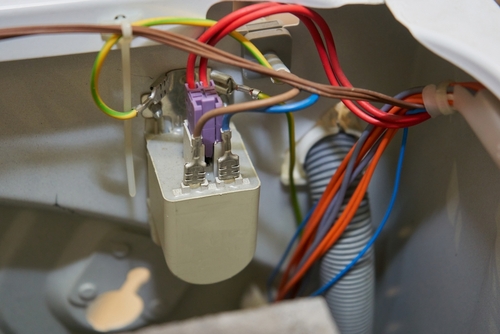
A good RV surge protector does more than just block sudden spikes in power. It constantly monitors voltage and wiring conditions at the campground pedestal before electricity even reaches your rig. If something is miswired or voltage drops too low, it simply refuses to connect. That kind of protection can save thousands of dollars in damaged appliances.
Seasoned travelers recognize this piece of gear instantly because they know how unpredictable campground power can be. Many long-term RVers rely on units from brands like Progressive Industries or Hughes for that reason. Air conditioners, microwaves, and converters are all sensitive to unstable power. When people see one plugged into your pedestal, it signals you’ve learned the hard lessons already.
3. Leveling Blocks
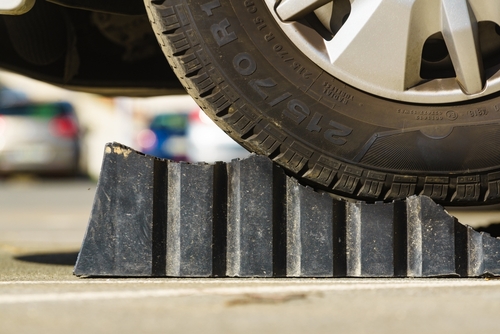
Leveling blocks are those stackable plastic squares you often see under RV tires. They help stabilize your rig when a campsite isn’t perfectly flat, which happens more often than you’d expect. Even a small tilt can cause problems with sleeping, cooking, and appliance performance. Refrigerators in particular are designed to operate best when the RV is level.
Experienced RVers rarely pull into a site without reaching for their leveling blocks. You’ll see them adjusting the stack until their bubble level reads just right. This small bit of setup makes the entire stay more comfortable. Other travelers notice it because it shows you care about doing things properly instead of just parking and hoping for the best.
4. Water Pressure Regulator
Campground water systems can vary wildly in pressure. Some parks have gentle flow, while others push water through the lines with surprising force. Without a regulator, that pressure can damage plumbing inside your RV. A small brass regulator connected to the spigot prevents burst hoses and leaking fittings.
Most experienced RVers attach the regulator before anything else touches the water source. It quietly keeps the pressure within safe limits, usually around 40 to 50 PSI. That protects pipes, faucets, and your water heater from stress. Fellow travelers recognize it immediately as one of those simple pieces of gear that prevents expensive problems.
5. Sewer Hose Support
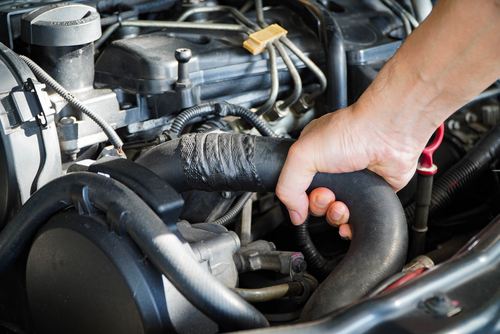
A sewer hose support might not be glamorous, but it’s incredibly practical. It lifts and angles the hose so wastewater flows downhill toward the dump connection. Without support, low spots can trap waste and create unpleasant blockages. The raised design keeps everything moving smoothly.
Many campgrounds actually require sewer hose supports for sanitary reasons. They prevent hoses from sitting directly on the ground where they can get damaged or leak. A tidy, supported sewer line is something experienced RVers appreciate seeing at neighboring sites. It shows someone understands proper waste management on the road.
6. Portable Waste Tank
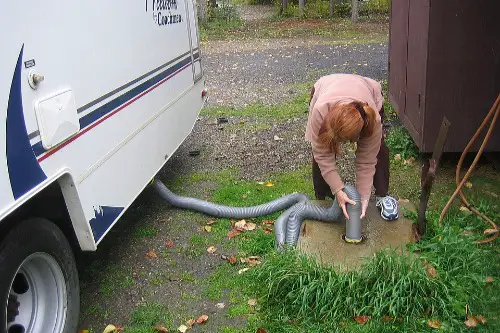
A portable waste tank is one of those items you hope you rarely need, but you’re glad to have when you do. It allows you to empty your RV’s holding tanks without moving the entire vehicle. That’s especially helpful if you’re parked for several days at a site without full sewer hookups. You simply transfer the waste to the portable tank and tow it to the dump station.
These tanks typically have wheels and a handle so they can be rolled or slowly pulled behind a vehicle. They come in different capacities, often ranging from 15 to 40 gallons. Long-term campers and boondockers rely on them frequently. When people spot one at a campsite, they know the owner is prepared for longer stays.
7. Extra Drinking Water Hose
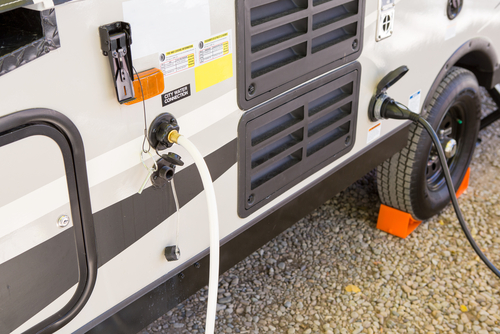
RVers often carry a dedicated drinking-water-safe hose that’s designed for potable water. These hoses are typically white or blue and made from materials that won’t contaminate your water supply. Using a regular garden hose can introduce unpleasant tastes or chemicals into the water system. A proper hose keeps drinking and cooking water safe.
Experienced travelers usually carry more than one hose length. Campground spigots aren’t always located conveniently near the hookup area. Having extra length prevents awkward stretches or connections. It’s a small detail that makes setting up much easier.
8. Wheel Chocks
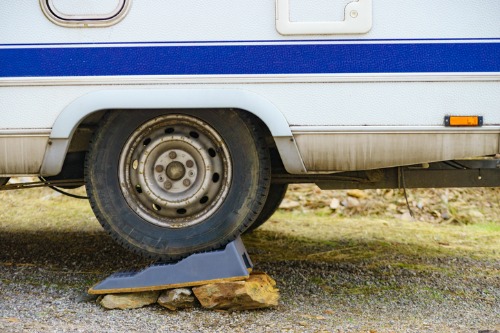
Wheel chocks are simple wedges placed against your RV tires to keep the vehicle from rolling. Even on what looks like flat ground, slight slopes can cause movement. Chocks add an important layer of safety, especially before leveling or unhitching a trailer. They essentially lock the wheels in place.
Most RVers place them immediately after parking and before doing anything else. This habit prevents accidents during setup. It’s especially important with travel trailers and fifth wheels. Seeing sturdy chocks at a campsite usually means the owner knows proper RV setup procedures.
9. Portable Generator
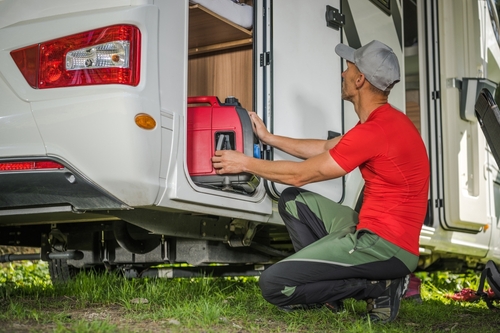
A portable generator can turn an off-grid campsite into a surprisingly comfortable base. It provides electricity for charging batteries, running small appliances, and sometimes even powering an air conditioner. Many RVers use inverter generators because they’re quieter and produce stable electricity. Popular models often come from companies like Honda or Yamaha.
Even travelers who usually stay in campgrounds sometimes carry a generator as a backup. Power outages and remote overnight stops do happen. Having your own power source adds flexibility to travel plans. Other campers recognize it as a sign you’re ready for almost any situation.
10. RV Water Filter
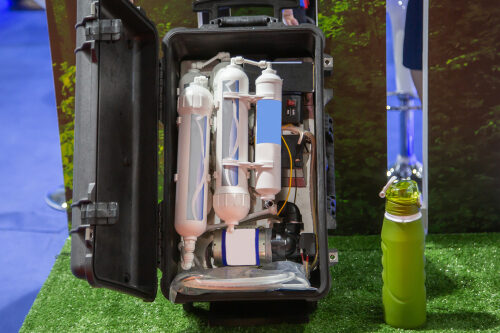
Campground water quality can vary depending on the park and local infrastructure. An inline water filter attaches between the spigot and your hose to remove sediment, chlorine taste, and some contaminants. This helps protect your RV’s plumbing and improves the taste of drinking water. It’s a simple upgrade that makes a noticeable difference.
Many RVers install the filter right at the campground faucet before connecting anything else. Some travelers even use multi-stage filtration systems for extra purification. Clean water matters when you’re cooking, showering, and filling tanks. Seeing that filter in place usually signals someone who thinks ahead.
11. Folding Camping Chairs

Comfortable outdoor seating might sound basic, but it’s a core part of RV culture. Folding camping chairs create an instant living room outside your rig. They’re perfect for relaxing, socializing with neighbors, or watching sunsets at the campground. Many RVers keep them in an exterior storage compartment for quick setup.
You’ll often see people gathering around a fire ring or picnic table with these chairs. They make it easy to enjoy the outdoors without dragging furniture outside. Lightweight designs fold up small but stay sturdy once opened. Other travelers recognize them as the universal sign that someone is settling in for a good stay.
12. Basic RV Tool Kit
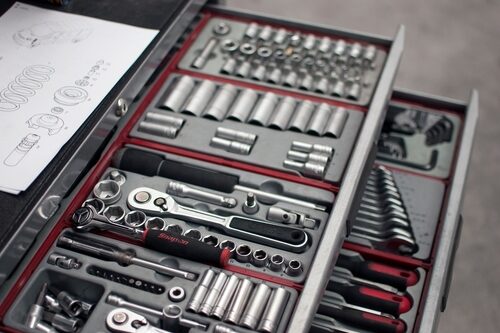
Every experienced RVer eventually learns that small repairs are part of life on the road. A basic tool kit with screwdrivers, adjustable wrenches, pliers, and socket sets can solve many common issues. Loose cabinet hardware, minor plumbing adjustments, and battery maintenance are all easier with the right tools. Having them on hand saves time and frustration.
Many travelers also add items like electrical tape, spare fuses, and a tire pressure gauge. These small tools can prevent minor inconveniences from turning into trip-ending problems. Campground neighbors sometimes become impromptu helpers when repairs are needed. When someone opens a storage compartment and pulls out a well-stocked tool kit, it’s clear they’re prepared for the realities of RV travel.
This post RV Equipment That Tells Other Travelers You’re Fully Prepared was first published on Greenhouse Black.
