
1. Smart Climate Control

Summer heat waves and unpredictable winters make inconsistent cabin temperatures a real concern. Smart climate systems will automatically adjust heating and cooling based on real-time data and traveler preferences. These systems can also learn routines, reducing energy waste. RVers will appreciate not having to constantly tweak thermostat settings while driving or parked.
Manufacturers are already adding better insulation, so pairing that with smarter controls makes sense. Remote monitoring through phone apps will feel especially handy on travel days. Families will also value the ability to pre-cool or pre-warm their RV before stepping inside. It’ll help RVs feel more livable year-round rather than seasonal-only vehicles.
2. Solar-Plus-Battery Roof Systems
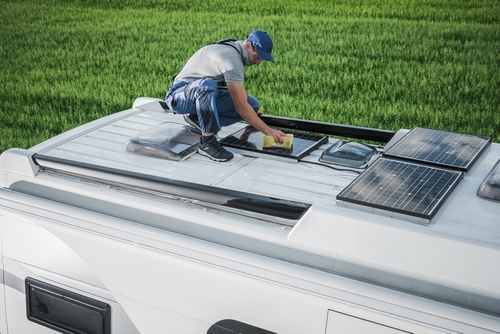
RV travelers are increasingly frustrated with noisy generators, so solar roofs paired with larger integrated batteries will feel like a must-have by 2026. These systems can run essentials like fridges, fans, and laptops without constant recharging. They also help reduce fuel consumption for those using generator-assisted setups. Most importantly, they offer quieter, cleaner energy for campsites where noise rules are strict.
Manufacturers are already experimenting with lightweight flexible panels, so scaled-up versions feel inevitable. These new setups may deliver enough power to support longer boondocking trips. Travelers will appreciate the independence that comes with better off-grid capability. It’ll also make RV life feel more like home, with consistent energy instead of juggling charging windows.
3. Enhanced Air Filtration and Purifiers
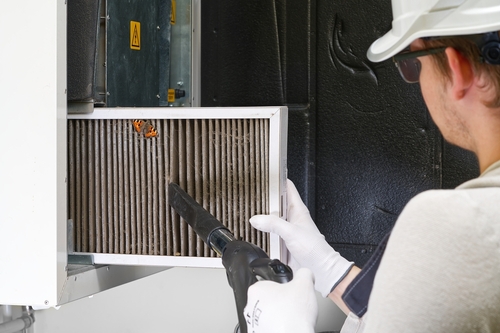
Wildfire smoke, dust, and allergens have become major concerns for road travelers. By 2026, upgraded cabin air filtration systems will be treated like essential health features. These may include HEPA filters and built-in air purifiers designed for small interiors. Travelers will feel safer knowing they’re breathing cleaner air, especially in smoky regions.
Manufacturers already dabble in residential-style filters, so dedicated RV-specific technology seems likely. These systems will reduce headaches, congestion, and general discomfort during long road trips. Families with kids or pets will especially value the improvement. It also makes long-term RV living more comfortable for those working remotely on the road.
4. Connected Navigation With RV-Specific Routing
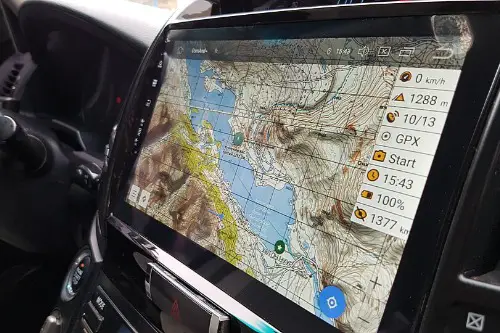
Drivers often struggle with low-clearance bridges or roads that restrict long vehicles. RV-specific GPS systems that auto-update road conditions will be highly demanded. These systems can also factor in vehicle height, weight, and towing needs. Travelers will appreciate avoiding stressful last-minute reroutes.
Real-time hazard reports will feel especially valuable as road construction continues to change routes. Integration with campground directories will help drivers plan stops more efficiently. Travelers may also gain automatic alerts for narrow mountain passes or severe weather. This reduces guesswork and helps ensure safer trips for newer RV drivers.
5. Modular Interior Layouts
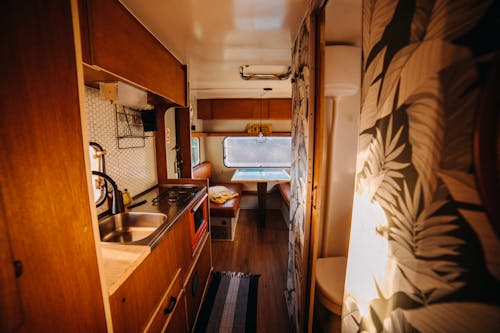
More people are working remotely, so static RV layouts often feel too limiting. Modular designs with movable walls, convertible office spaces, and flexible storage will respond to this shift. Families can shift between “work mode” and “relax mode” without feeling cramped. These flexible setups also support multi-purpose use for long-term travelers.
Current RV prototypes already showcase slide-out desks and convertible bunks, so 2026 versions will likely be more polished. Travelers will enjoy customizing their interior without needing a total remodel. A modular approach helps RVs stay relevant as needs change over time. It’ll also appeal to buyers who want one vehicle for both weekend trips and months-long journeys.
6. Water-Saving Smart Plumbing

Water conservation is a big pain point, especially for boondockers. Smart plumbing systems that regulate flow, recycle greywater, and monitor tank levels will feel groundbreaking. These features help travelers make every drop count. They also reduce the need for frequent refill stops.
Some companies already test greywater-filtering showers, so wider adoption feels realistic. Travelers will enjoy longer stays off-grid without worrying about tank capacity. Families will also find it easier to manage daily routines like dishes and showers. Such improvements will make RV living feel less like constant resource juggling.
7. Built-In Starlink or Equivalent Connectivity

Remote work and entertainment needs keep rising, making reliable internet a top priority. By 2026, many RVers will expect factory-installed satellite or hybrid connectivity systems. This means consistent high-speed internet, even in remote areas. Travelers won’t need to set up complicated aftermarket equipment.
Built-in mounts and wiring will also reduce installation headaches. Manufacturers can integrate rooftop placement for ideal signal coverage. Travelers who depend on video calls or streaming will love the reliability. It transforms RVs into true mobile offices or classrooms.
8. Safer Driver Assist Tech

Large vehicles can be intimidating, especially for newcomers. RV-specific driver assist features—like improved lane-keeping, blind-spot detection, and trailer sway control—will be in high demand. These systems reduce the mental load of driving a heavy rig. They also help prevent accidents caused by fatigue or misjudging distance.
Many trucks already include these features, so extending them to RVs is a logical step. Travelers will appreciate the added peace of mind on long interstate runs. Older RVers may also find driving more comfortable with these safety boosts. Ultimately, it makes RVing more accessible for a wider audience.
9. Noise-Dampened Cabins

Road noise can make long drives exhausting. Travelers will look for improved sound insulation that reduces engine hum and wind roar. Better cabin acoustics help drivers remain alert and comfortable. Passengers can also enjoy conversations or music without shouting.
Quieter interiors also make overnight parking more restful. Manufacturers may use upgraded materials like laminated glass and insulated flooring. Families with kids will appreciate a calmer space for naps and downtime. It adds an overall sense of quality and comfort to the RV experience.
10. Expanded Exterior Storage Solutions

Travelers often bring bikes, paddleboards, tools, and bulky gear. More aerodynamic, weatherproof exterior storage will meet this need. Manufacturers may include integrated cargo pods or slide-out equipment trays. These options help keep interiors clutter-free.
With more people mixing adventure sports into road trips, storage becomes a bigger priority. Secure exterior compartments also deter theft when parked. Travelers will appreciate not having to choose between gear and comfort. It supports more spontaneous and active lifestyles.
11. Efficient Heat Pump HVAC Systems
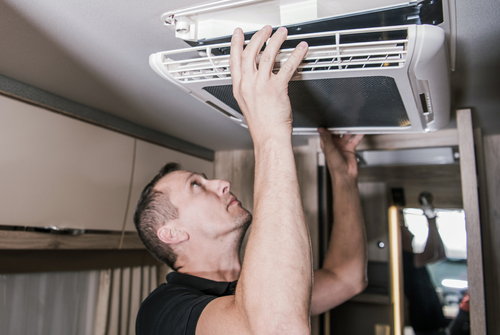
Heat pumps offer both heating and cooling while using less energy than traditional systems. As sustainability becomes more important, these will feel like expected upgrades. They’re efficient in mild to moderate climates and reduce reliance on propane. Travelers will enjoy lighter fuel loads and better energy performance.
Some RVs already use small heat pumps, so refinement seems likely for 2026 models. These systems also integrate well with improved battery setups. Families will benefit from quieter, more consistent climate control. It’s a practical upgrade for both comfort and cost savings.
12. App-Based Vehicle Management
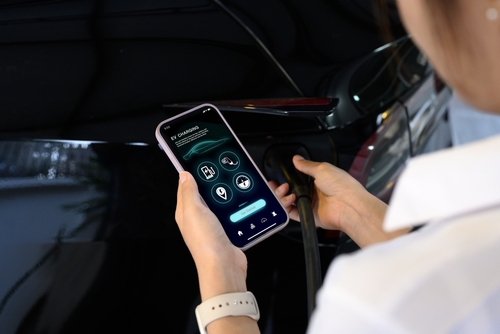
RVers already juggle battery levels, tank capacities, and maintenance schedules. App-based systems that track all of these in one place will simplify ownership. Travelers can receive alerts for low water, power usage spikes, or tire pressure issues. This reduces surprises and costly breakdowns.
Integration with smart-home-like controls will make RVs feel more intuitive. Travelers can check on their rig from a trail, a café, or another vehicle. Families will love being able to coordinate responsibilities more easily. It’s a step toward making RV ownership feel less technical and more user-friendly.
This post 12 RV Features Road Travelers Will Demand by 2026 was first published on Greenhouse Black.
