
1. Running a generator during quiet hours
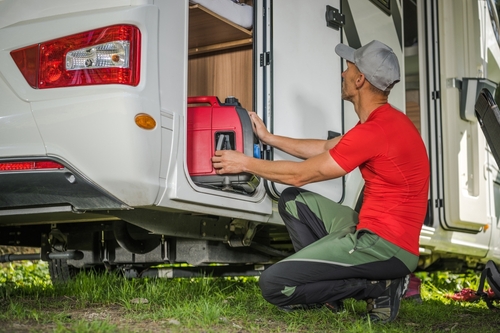
Most campgrounds post quiet hours for a reason, and firing up a generator late at night or early in the morning breaks that social contract fast. Even if your rig is loud inside already, sound carries surprisingly far across open campsites. People remember the RV that rattled their cabinets at 6 a.m. more than the one with a nice paint job. If hookups aren’t available, many parks expect generators to be used only during specific daytime windows.
There’s also a safety and courtesy angle beyond noise. Exhaust fumes can drift into neighboring rigs, especially when sites are close together. Campers with kids, pets, or health issues are often extra sensitive to that. Using batteries, solar, or a generator at approved times shows you understand shared space.
2. Taking up more than one campsite without permission
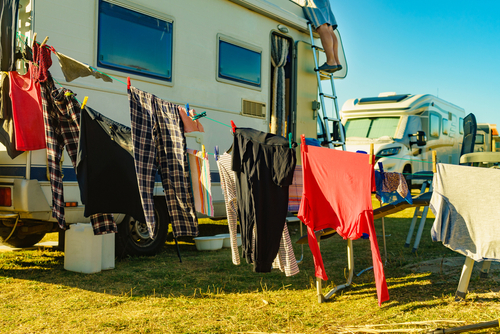
Parking your tow vehicle, trailer, or gear across empty-looking sites might seem harmless, but it’s a quick way to irritate staff and neighbors. Those sites may be reserved, arriving later, or needed for emergency access. Campground layouts are designed with spacing and traffic flow in mind, not first-come sprawl. When one RV claims extra real estate, it disrupts that balance.
Other campers notice because it directly affects their options. Someone circling for a spot will remember the rig that blocked two sites with cones and leveling blocks. Most parks allow overflow parking if you ask, and some even direct you to larger pull-throughs. Asking first is the difference between looking considerate and looking entitled.
3. Dumping gray or black water on the ground
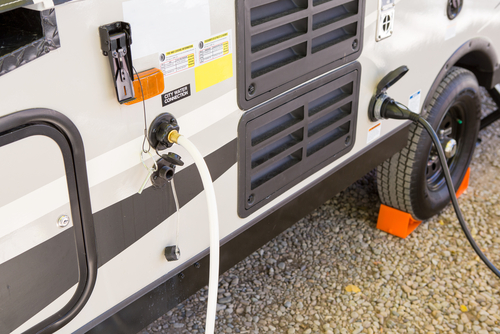
Letting wastewater drain onto the dirt is one of the fastest ways to get noticed for all the wrong reasons. Even gray water contains food particles, grease, and bacteria that attract pests. In most campgrounds and jurisdictions, dumping any tank water on the ground is illegal. The smell alone is enough to turn nearby campers against you.
There’s also an environmental impact that goes beyond the campsite. Runoff can contaminate soil and nearby waterways, especially after rain. Camp hosts are trained to watch for this and will often issue fines or eject offenders. Using the dump station or a proper sewer hookup isn’t optional etiquette, it’s basic compliance.
4. Speeding through campground roads

Campground speed limits are usually low, often 5–10 mph, and blowing past them stands out immediately. These roads are shared by kids on bikes, people walking dogs, and uneven terrain. Dust clouds and engine noise make speeding even more noticeable in tight loops. It gives the impression that you’re impatient or unaware of your surroundings.
The reason people care is safety, not nitpicking. RVs have longer stopping distances, and pedestrians expect slow traffic in these areas. Many campgrounds rely on complaints from guests to enforce rules. One fast drive-through can earn you a reputation that follows you for the rest of your stay.
5. Leaving blinding exterior lights on all night
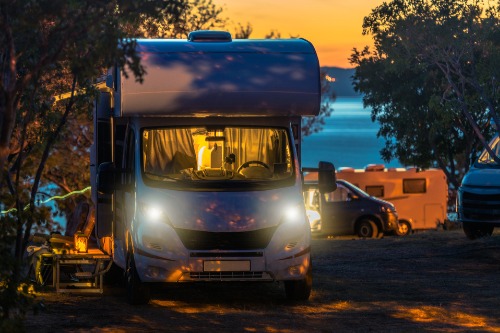
Modern RVs often come with extremely bright LED awning and security lights. Leaving them on overnight can flood neighboring sites with harsh, white light. Campgrounds are typically darker by design so people can relax and sleep. That glow can shine straight into bedroom windows even with shades drawn.
Other campers notice because it disrupts their sense of privacy and calm. Stargazers and early sleepers are especially affected. Most parks expect exterior lights to be turned off when not in use. Switching to softer porch lights or turning them off entirely shows situational awareness.
6. Ignoring leash rules for pets
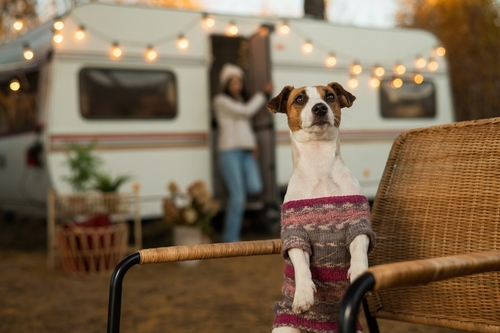
Letting dogs roam free might feel normal at home, but campgrounds are shared spaces with posted leash requirements. Not every camper is comfortable around unfamiliar animals, no matter how friendly you think yours is. Loose pets can wander into other sites, tangle with leashed dogs, or approach kids uninvited. Those moments stick in people’s memories.
There’s also a wildlife and safety concern. Campgrounds often border natural areas where animals can react unpredictably. Hosts are usually strict about pet rules because incidents escalate quickly. Keeping your dog leashed protects them and helps everyone relax around you.
7. Hogging the dump station
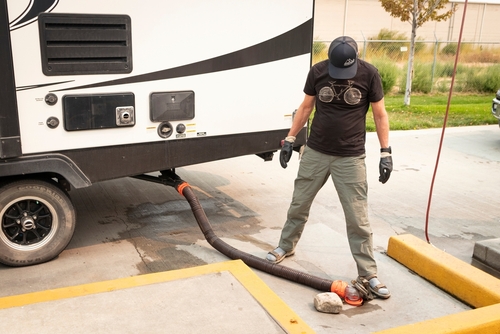
Taking excessive time at the dump station draws attention fast, especially when others are waiting. Rinsing tanks repeatedly, reorganizing storage, or walking away mid-dump holds up the line. Dump stations are meant for efficient in-and-out use. When one RV monopolizes it, frustration builds quickly.
Other campers notice because they’re often on tight travel schedules. Courtesy means arriving prepared, knowing your valves, and pulling forward when finished. Many parks even post reminders to limit time there. Being efficient shows respect for everyone else’s plans.
8. Playing music or TV loud enough for others to hear
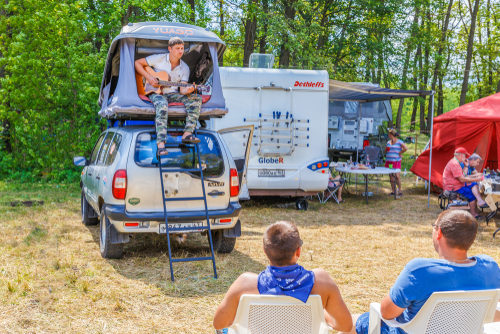
Sound travels farther outdoors than many people expect, especially in quiet campgrounds. Music or TV that seems reasonable inside your rig can be clearly heard several sites away. Taste aside, unwanted noise breaks the illusion of nature people came for. It’s one of the most common complaints camp hosts receive.
The issue isn’t that you’re enjoying yourself, it’s that others didn’t opt in. Headphones or lower volume solve the problem instantly. Quiet hours usually apply to all noise, not just generators. Being mindful of volume helps you blend in instead of standing out.
9. Washing your RV at the campsite
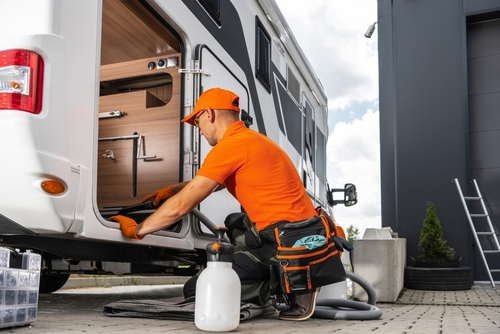
Breaking out hoses, soap, and brushes at your site can raise eyebrows quickly. Many campgrounds prohibit washing RVs due to water use and runoff concerns. Soapy water can damage grass, attract bugs, and overwhelm drainage systems. Even where it’s allowed, it can look intrusive.
Neighbors notice because it takes up shared water pressure and creates mud or puddles. Some parks designate specific wash areas or allow rinse-only cleaning. Checking the rules first avoids awkward conversations with hosts. It also prevents you from being seen as careless with resources.
10. Leaving trash or food out overnight
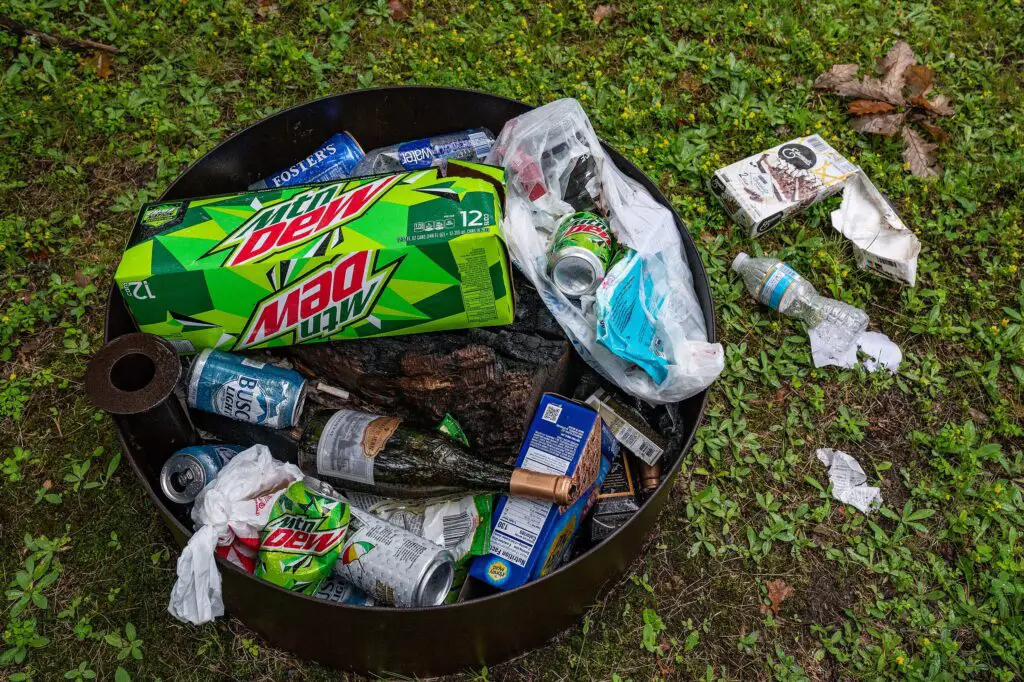
Unsecured trash is an open invitation for raccoons, birds, and other wildlife. Once animals learn a campground has easy food, everyone pays the price. Scattered garbage and tipped bins make a site look neglected fast. Campers nearby will remember who left the mess.
This habit also creates real safety and cleanup issues. Wildlife can become aggressive or dependent on human food. Many parks have strict rules about storing trash in sealed containers or vehicles. Following them helps keep the campground pleasant and animal encounters minimal.
11. Forgetting basic setup safety like wheel chocks

Skipping wheel chocks or improper leveling doesn’t just affect you, it can affect others. An RV that shifts or rolls even slightly gets noticed immediately. Campers are attuned to unusual movement because it signals potential danger. It suggests inexperience or carelessness.
The reason this stands out is that everyone relies on shared safety norms. Chocks, stabilizers, and proper hookups are standard practice for a reason. Hosts and seasoned campers notice when they’re missing. Taking the time to set up correctly reassures everyone around you.
This post RV Habits That Get You Noticed — in the Worst Way was first published on Greenhouse Black.
