
1. Leaving Your Awning Out in Windy Weather

It’s a beautiful sunny afternoon, so you extend the awning and head out for a hike. A campground veteran will quietly glance at the sky and wonder how long yours will survive. RV awnings are surprisingly vulnerable to sudden gusts, and even moderate winds can bend arms or tear fabric. Repairs or replacements are notoriously expensive.
The reason seasoned RVers retract their awnings whenever they leave is simple risk management. Weather can shift quickly, especially in open areas or higher elevations. Many campgrounds even have posted reminders about wind damage for this reason. Bringing the awning in every time you’re away is a habit born from experience.
2. Pulling Into a Site Without a Plan
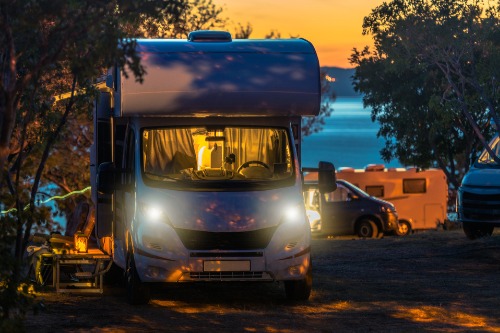
Seasoned campers can spot this one before your engine even turns off. If you pull straight into a tight back-in site without getting out to look, you’re basically announcing it’s your first rodeo. Experienced RVers almost always hop out to check clearance, tree branches, hookups, and the slope of the pad. They know a five-minute walk-around can prevent scraped paint, broken awnings, or a frustrating repositioning dance.
The reason this matters is simple: campsites aren’t uniform. Even within the same campground, pads can tilt differently or have obstacles that aren’t obvious from the driver’s seat. Campground veterans have learned—often the hard way—that visibility is limited, especially in larger rigs. A quick scouting step shows you understand how unpredictable a site can be.
3. Forgetting to Level Before Extending Slide-Outs
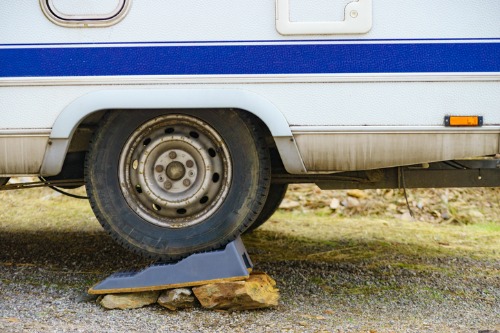
Nothing says “new” faster than deploying your slide-outs before leveling your rig. Most RV manufacturers recommend leveling first to avoid putting stress on the frame and slide mechanisms. Veterans know that operating slides on an unlevel coach can cause alignment issues over time. They’ve either read the manual thoroughly or paid for repairs once and never made that mistake again.
Leveling ensures doors close properly and appliances like refrigerators function as intended. Absorption fridges in particular need the RV to be relatively level to cool efficiently. If you skip this step, you risk long-term wear or even costly damage. Experienced campers treat leveling as step one, not an afterthought.
4. Arriving or Setting Up After Quiet Hours
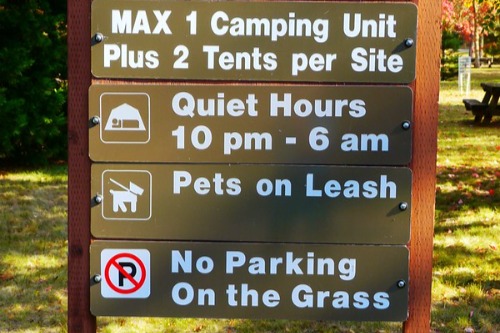
Rolling in late at night and firing up leveling jacks or running a generator will instantly label you as new. Most campgrounds enforce quiet hours, commonly from around 10 p.m. to 7 a.m. Veterans plan their travel days to avoid noisy setup during those windows. They know campground etiquette is as important as hookups.
The reason is community respect. RV parks are shared spaces where sound carries easily between sites. Hydraulic jacks, slamming doors, and loud conversations disrupt neighbors who turned in early. Longtime campers understand that good campground karma goes a long way.
5. Overlooking Proper Sewer Hose Setup
If your sewer hose is stretched across the ground without support or a proper slope, experienced campers notice immediately. Many campgrounds require a sewer hose support system to keep waste flowing downhill and contained. Veterans often use a sloped support to prevent standing waste in the hose. It’s not glamorous, but it’s part of responsible RVing.
The reason behind this habit is sanitation and compliance. A sagging hose can trap waste, leading to unpleasant backups or leaks. In some parks, failure to use proper equipment can even result in warnings. Campground regulars understand that clean, secure connections protect everyone.
6. Driving Too Fast Through the Campground

Speeding down campground roads is one of the quickest ways to identify a newcomer. Most parks have posted speed limits around 5 to 10 mph. Veterans creep along slowly, watching for kids, pets, and cyclists. They know campgrounds are pedestrian-heavy environments.
The reason for slow driving isn’t just courtesy—it’s safety. Many sites have limited visibility due to trees, parked vehicles, or curves. Children often ride bikes or scooters near the road. Experienced RVers understand that a relaxed pace keeps everyone safe.
7. Not Checking Electrical Compatibility
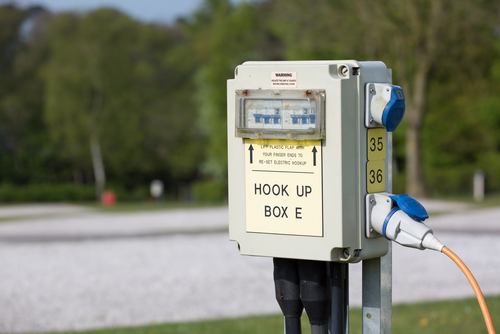
Plugging in without confirming your service type is another rookie move. RVs typically use 30-amp or 50-amp service, and the wrong hookup can cause problems if not managed correctly. Seasoned campers carry adapters and know how to identify the correct outlet. They also understand the importance of a surge protector.
The reason is protection of your rig’s electrical system. Power pedestals can have wiring issues or voltage fluctuations. A quality surge protector can guard against damage from surges or miswired outlets. Veterans treat electricity with caution because repairs can be costly.
8. Letting Pets Roam Off-Leash

Allowing your dog to wander freely around the campground will draw immediate attention. Most campgrounds have leash rules for pets, typically requiring them to be restrained at all times outside your RV. Experienced RVers keep their pets secured and supervised. They know not every camper—or dog—is friendly.
The reason is both safety and liability. Even well-behaved pets can react unpredictably in new environments. Other campers may have allergies or fear of animals. Following leash rules keeps the campground peaceful and avoids potential conflicts.
9. Ignoring Campfire Regulations

Starting a fire without checking current restrictions is a classic beginner mistake. Many regions implement burn bans during dry conditions to reduce wildfire risk. Veterans always check campground rules or local advisories before lighting up. They also keep fires within designated rings.
The reason is serious: wildfire prevention. A stray ember can travel farther than you think, especially in dry or windy conditions. Campgrounds in areas like the western United States are particularly vigilant. Experienced campers understand that fire safety is non-negotiable.
10. Skipping a Tire Pressure Check Before Moving
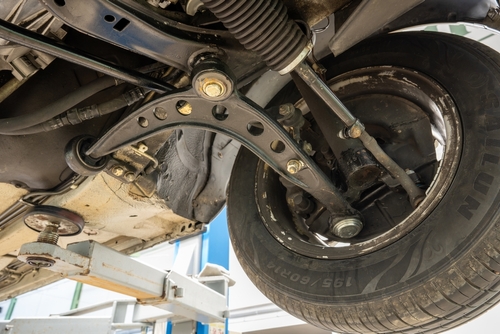
Packing up and hitting the road without checking tire pressure is another giveaway. RV tires require proper inflation based on load and manufacturer specifications. Seasoned travelers often use a tire pressure monitoring system (TPMS) or manually check before departure. They know underinflated tires can overheat and fail.
The reason this habit matters is safety and cost. A blowout can cause significant damage to your RV’s body or undercarriage. Tire failures are more common in heavy vehicles if maintenance is overlooked. Veterans treat tire checks as part of their standard departure routine.
11. Treating Your RV Like a Regular Car at Fuel Stops
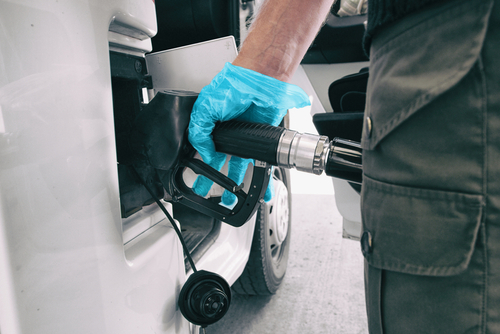
Pulling into a tight gas station without considering clearance or exit strategy makes experienced RVers wince. Larger rigs need wide turns and ample overhead clearance, especially with rooftop air conditioners. Veterans often seek out truck-friendly fuel stations or travel centers designed for big vehicles. They plan their fuel stops in advance.
The reason is maneuverability and damage prevention. Low canopies, narrow lanes, and crowded lots can quickly turn into stressful situations. Getting boxed in is more common than you’d think. Campground veterans have learned that thinking ahead at the pump saves headaches later.
This post RV Habits That Instantly Tell Campground Veterans You’re New was first published on Greenhouse Black.
