
1. Spreading Out Beyond Your Campsite
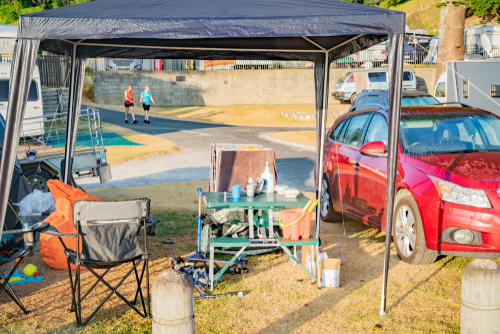
When you’re setting up camp, it’s easy to let chairs, rugs, and gear spill over into the next site. But that extra space isn’t yours to claim, and doing so can make neighbors feel cramped. Campground spots are carefully measured to give each group their own area. Taking more than your share is like parking across two spaces—it’s just not cool.
Keep your setup tidy and confined within your site’s boundaries, including slide-outs and tow vehicles. This simple habit signals respect for shared space. If you need more room, consider upgrading to a larger site when booking. Most people won’t say anything, but they’ll definitely notice when you hog the space.
2. Leaving Your Generator Running All Night
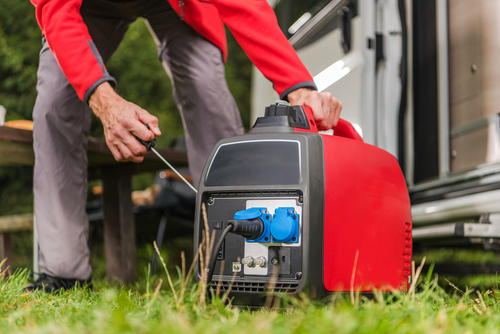
Few things will sour campground vibes faster than a constantly humming generator. While it might seem harmless to keep it going for your AC or fridge, most campgrounds have quiet hours to preserve peace. Ignoring them makes it impossible for your neighbors to enjoy the sounds of nature—or even get a decent night’s sleep. A little courtesy goes a long way toward keeping the community happy.
If you need power overnight, invest in solar panels or a high-capacity battery bank instead. These options are quieter, more eco-friendly, and won’t draw glares from nearby campers. Even small adjustments—like turning off nonessential appliances—help minimize your generator time. Remember, everyone came to relax, not listen to a motor all night.
3. Arriving Late and Making a Racket
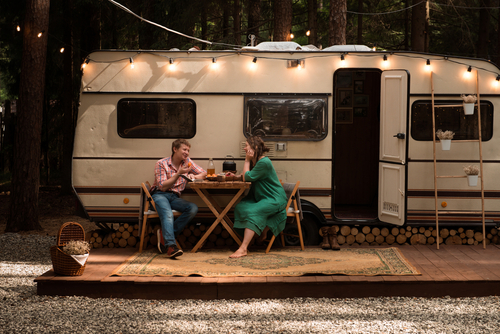
Rolling in after dark with headlights blazing and engines revving can wake the entire campground. Many RVers underestimate how much noise setup can make—especially when backing in or leveling. Add slamming doors or loud conversations, and suddenly you’ve become the evening’s unintentional entertainment. Quiet hours exist for a reason, and everyone appreciates those who follow them.
If you know you’ll arrive late, plan ahead. Choose a pull-through site for easier parking, or wait until morning to handle noisy tasks. Use minimal lighting and keep your voices low to avoid disturbing nearby campers. Your thoughtfulness won’t go unnoticed, especially by early risers.
4. Ignoring Pet Etiquette
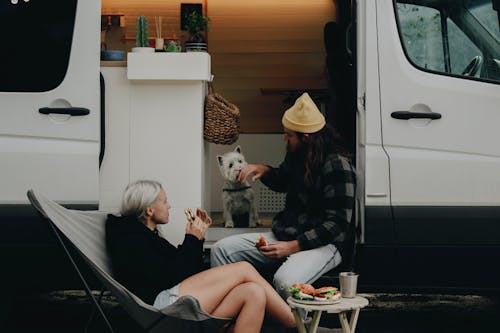
Dogs are welcome in most campgrounds, but not everyone enjoys surprise encounters with unleashed pets. Letting your dog roam free or bark constantly creates tension fast. Even friendly pups can make others nervous—or damage property by digging or marking. Campgrounds usually have leash rules for good reason.
Always keep your pet leashed, pick up after them, and try to curb excessive barking. A barking dog might seem normal to you, but it can ruin the peace others came to find. Bring along toys or chew treats to keep them occupied. Responsible pet owners make campgrounds friendlier for everyone.
5. Dumping Tanks Improperly
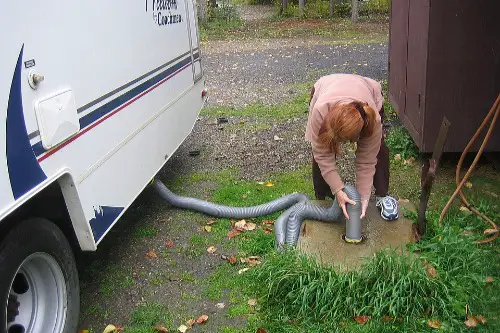
Improper waste disposal is one of the biggest campground offenses. Dumping gray or black water on the ground is both illegal and unhygienic. It contaminates the environment and creates a serious health risk for others. Unfortunately, a few careless campers can give all RVers a bad name.
Always use designated dump stations or full-hookup sewer connections. Double-check your hoses and fittings before releasing anything. After dumping, rinse the area to keep it clean for the next person. A little extra care keeps the campground sanitary and neighborly.
6. Playing Loud Music or TV Outside
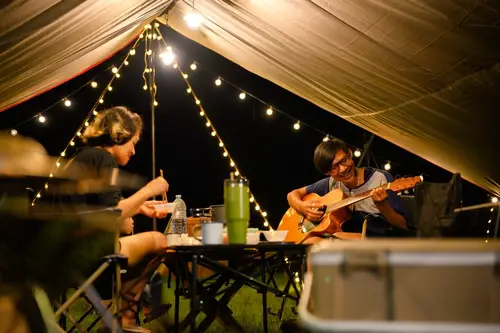
Your taste in music or late-night movie marathons might not match your neighbors’. Even moderate volume carries far in quiet outdoor spaces. Once the sun goes down, sound seems to travel even more. That’s why loud speakers or outdoor TVs are a common campground complaint.
Keep entertainment volume low or use headphones instead. If you’re hosting a group, check in with nearby campers first. You’ll build goodwill by showing you care about their comfort. In most places, quiet hours mean more than just silence—they mean respect.
7. Leaving Trash Out Overnight
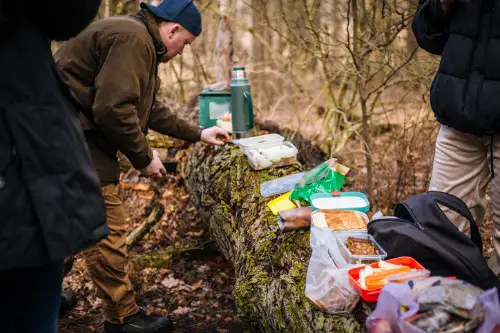
It might seem harmless to leave a bag of trash outside your rig until morning, but wildlife sees it as an open invitation. Raccoons, bears, and stray cats can rip it apart, scattering garbage everywhere. This not only makes the campground unsightly but also attracts more pests. It’s one of the fastest ways to frustrate both rangers and neighbors.
Always seal your trash and dispose of it promptly in designated bins. If bins are full, store it inside your RV until morning. Keeping food waste out of reach helps protect wildlife too. Clean habits make campgrounds safer and cleaner for everyone.
8. Speeding Through the Campground

Campground roads often have posted speed limits of 5–10 mph for a reason. Children, pets, and distracted walkers can appear suddenly between rigs. Driving too fast can startle people and create dust clouds that drift into campsites. Even if you’re just making a quick trip to the bathhouse, slow down.
Treat every road like a shared pedestrian zone. A cautious pace shows respect for families and fellow travelers. Plus, driving slowly helps prevent damage to your rig on uneven ground. A few extra seconds can prevent an accident and a lot of resentment.
9. Ignoring Campground Rules
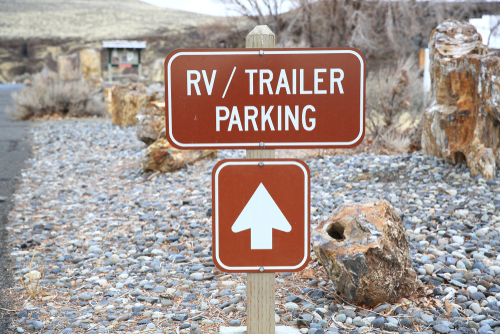
Each campground has its own set of guidelines—some stricter than others. They exist to protect guests, facilities, and the environment. Skipping check-in procedures or bypassing restrictions on fires or alcohol sends the message that you think you’re above the rules. That attitude can turn neighbors and hosts against you quickly.
Take a minute to read the posted regulations or ask the camp host if something’s unclear. Following the rules shows respect for the property and your fellow campers. Plus, it makes everyone’s stay smoother and more enjoyable. It’s amazing how far a little compliance can go.
10. Drying Laundry or Hanging Lights Everywhere

Those long clotheslines or strings of decorative lights may look festive, but they can clutter the shared view. Some campgrounds prohibit them because they damage trees or create tripping hazards. A few lights are fine, but going overboard turns your site into a glowing distraction. What’s charming to you can be an eyesore to others.
Keep decorations simple and confined to your space. If you need to dry clothes, use a portable rack inside your RV or near your rig discreetly. The goal is to maintain that peaceful, natural setting everyone came for. Subtle setups always blend better into the campground vibe.
11. Leaving Campfires Unattended
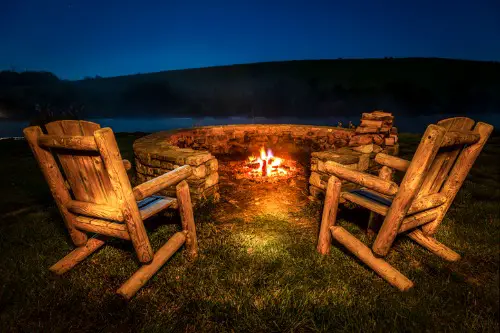
Even a small, smoldering fire can reignite or spread unexpectedly. It’s one of the biggest causes of campground emergencies. Walking away from a fire pit—especially on a windy night—is never safe. Other campers notice this quickly and it makes everyone uneasy.
Always drown your fire completely before heading to bed or leaving your site. Use water, stir the ashes, and ensure everything is cold to the touch. Not only is this required in most parks, but it’s also basic courtesy. Responsible fire management protects the entire community.
12. Taking Over Shared Facilities
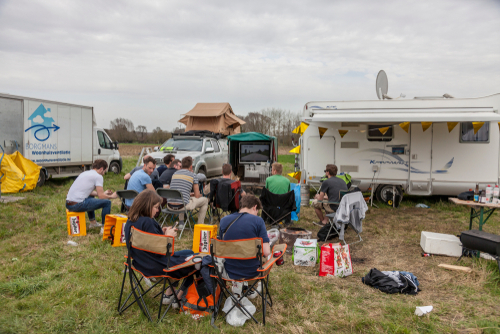
Whether it’s the laundry room, picnic shelter, or dump station, shared facilities work best when everyone takes turns. Staying too long or leaving messes behind irritates those waiting. Long showers or hogging washers during busy times quickly creates tension. These amenities are communal, not personal extensions of your RV.
Be mindful of time limits and clean up after yourself. A little awareness helps everyone enjoy the space fairly. When you’re considerate, others are more likely to return the favor. Campground harmony depends on small acts of respect.
13. Ignoring Children’s Supervision
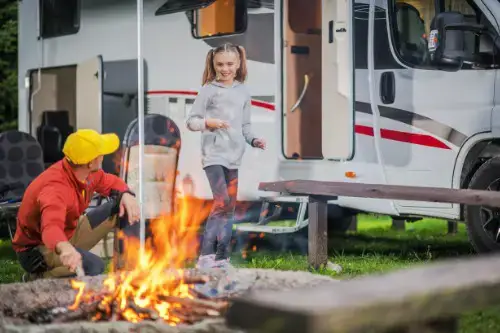
Kids love exploring campgrounds, but unsupervised play can turn chaotic fast. Running through other campsites, shouting late at night, or disturbing wildlife isn’t just inconsiderate—it’s unsafe. Parents who assume “it’s just camping fun” may not realize how disruptive it feels to neighbors. Other campers shouldn’t have to play referee.
Encourage kids to explore within safe limits and keep noise down near others’ spaces. Set clear boundaries about respecting property lines and quiet hours. Many campgrounds have playgrounds or activity areas designed for this purpose. Teaching campground manners early helps preserve the friendly atmosphere everyone enjoys.
14. Forgetting to Greet or Be Neighborly
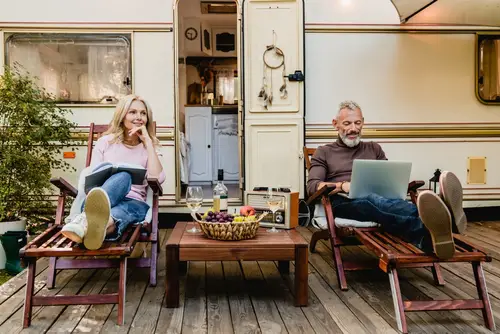
A simple wave or hello can set the tone for your entire stay. Ignoring your neighbors might not be rude on purpose, but it can make you seem standoffish. RV communities thrive on small courtesies and friendly exchanges. When you engage, people are more likely to lend a hand if you need it later.
You don’t have to be overly social—just approachable. Compliment someone’s setup or offer to share a tip about the best hiking trail. Those small moments build camaraderie that defines the RV lifestyle. After all, good neighbors make even the smallest campground feel like home.
This post 14 RV Habits That Turn Friendly Campgrounds Against You Fast was first published on Greenhouse Black.
