
1. Hanging Fruit Hammocks
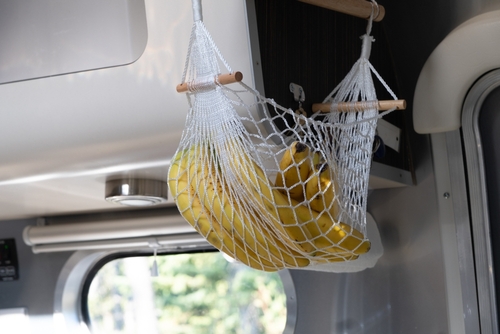
Fruit hammocks look charming in an Instagram-worthy RV kitchen. Unfortunately, every turn and pothole sends fruit swinging like a wrecking ball. Bananas bruise, apples smack into each other, and delicate produce like peaches won’t last a day. Instead of reducing food waste, you end up throwing out more than you save.
Even worse, the hammock pulls on its anchor points, loosening screws in your cabinets over time. That little sag you see after a month is the start of bigger damage. A shallow basket or drawer with non-slip liners keeps fruit secure without stress on your cabinetry. Hammocks are better left to porches than motorhomes.
2. Magnetic Spice Racks on the Fridge
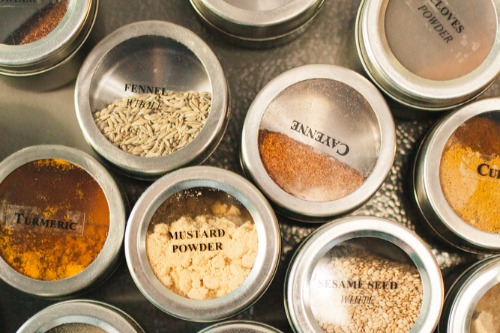
Lots of RVers slap magnetic spice tins on the fridge door, thinking it’s a clever space-saver. The problem is, every bump in the road rattles those tins loose, spilling spices everywhere. Even if the magnets hold, the constant vibration slowly weakens them. Before long, you’re cleaning paprika dust out of your fridge seal instead of cooking dinner.
A better fix is using a dedicated spice drawer with foam inserts or slim shelf organizers that keep things upright. Those stay put while driving and don’t leave residue behind. The fridge is already working hard to stay cold while jostling down the highway, so adding extra weight and vibration isn’t ideal. Sometimes “free wall space” really isn’t free at all.
3. Peel-and-Stick Command Hooks Everywhere
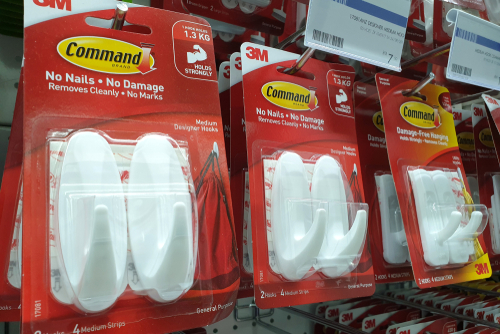
Command hooks are marketed as the RV owner’s best friend, and at first, they feel like magic. They let you hang jackets, bags, and towels without drilling holes. But RV walls and ceilings flex with travel, and adhesive doesn’t always cooperate. After a few trips, hooks fall off and sometimes peel wallpaper with them.
Moisture is another culprit—humidity inside an RV makes adhesives lose their grip. That’s why you’ll often find hooks crashing down in the bathroom or kitchen. Mechanical fasteners, like small screws with anchors, tend to last much longer. It’s less “damage-free” at first, but far less of a headache in the long run.
4. Collapsible Dish Drying Racks
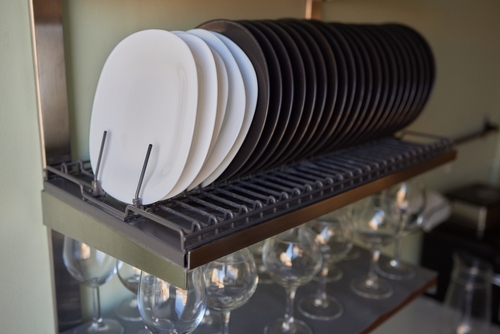
Collapsible racks seem like the perfect answer to tiny counter space. They fold flat, tuck away, and keep dishes from piling up. The issue is that many designs are flimsy and don’t drain water efficiently. You wind up with standing puddles that smell musty in a few days.
Add in the constant setup and breakdown, and the “convenience” wears thin. Many RVers end up leaving them out all the time, which defeats the purpose. A slim, fixed rack with proper drainage into the sink works better for most. The collapsible version is usually just a soggy compromise.
5. Velcroed Rugs and Runners
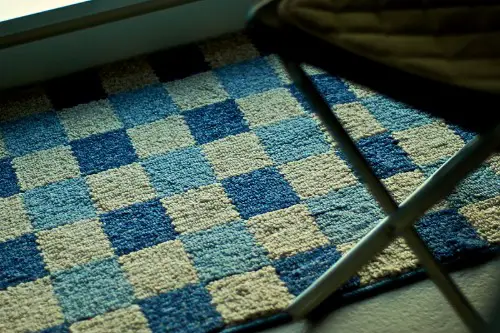
Velcro strips under rugs sound like a clever way to stop them from sliding. But when you peel them up to wash the rug or rearrange, the adhesive often leaves behind sticky residue. On vinyl RV floors, that residue collects dirt and becomes a permanent gray streak. Over time, the Velcro also loses grip and stops working.
Another issue is cleaning—Velcro edges catch pet hair and dust, making rugs look dingy. Plus, RV floors already expand and contract with temperature changes, which stresses the adhesive. Washable non-slip mats with rubber backing are a smarter choice. They stay put without damaging your flooring.
6. Over-the-Door Organizers
At first glance, over-the-door shoe or pantry organizers seem like lifesavers for storage. They add vertical space without drilling holes. But RV doors don’t always align perfectly, and the extra weight throws them off even more. Soon you’ll notice doors that don’t close right or hinges that squeak and sag.
The constant swinging while driving also wears down the organizer and its contents. Items tumble, rip, or bang against the door. It’s especially bad on bathroom or pantry doors that get used all the time. Wall-mounted pocket organizers or lightweight baskets on fixed rails hold up much better.
7. DIY PVC Pipe Sewer Hose Holders
Many RVers build under-chassis holders from PVC pipes to stow sewer hoses. The idea makes sense—it’s cheap and keeps smelly gear outside. But the road grime, heat, and vibration quickly wear on the PVC, causing cracks. The caps also tend to pop off, leaving hoses dragging behind.
Moisture trapped inside these pipes creates a nasty breeding ground for mold and bacteria. Without proper airflow, hoses deteriorate faster than they would in a vented storage tube. Commercially made hose carriers include ventilation and locking end caps for a reason. A DIY solution here often ends up costing more in the long run.
8. Suction Cup Shower Accessories
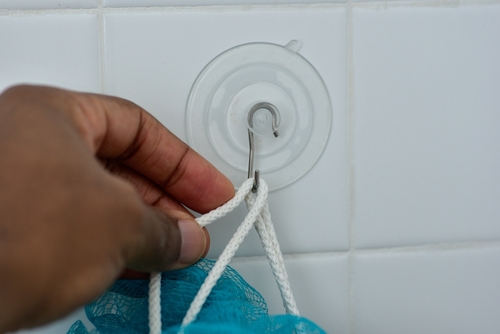
Suction-cup baskets and hooks seem like the ideal way to keep shampoo off the tiny RV shower floor. Unfortunately, few RV shower walls are perfectly smooth. The constant temperature changes loosen suction over time, and everything crashes down mid-shower. Glass bottles especially can chip or crack, creating a mess.
RVers often spend more time re-sticking these than actually using them. Plus, they slide around during travel, leading to spills even before you park. A better option is tension-pole organizers or wall-mounted racks with screws. Once they’re in, they stay put through miles of bumps.
9. Storing Shoes in the Step Well
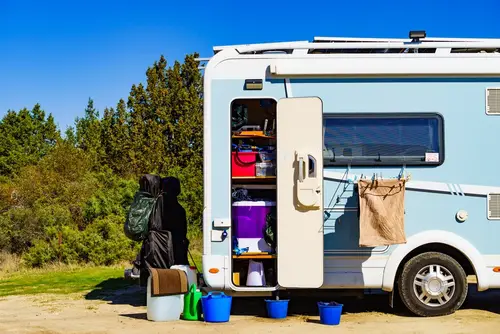
It’s common advice to toss shoes in the step well by the entry door. It keeps dirt out of the living area, sure, but it creates another issue. Shoes pile up, block the steps, and become a tripping hazard. On rainy days, wet shoes also create a slippery mess right where you least want it.
Some RVers even find critters drawn to the shoe pile when parked long-term. The damp, dark space is perfect for bugs or even mice. Wall-mounted shoe racks or under-bed bins keep things tidier and safer. The step well isn’t meant to double as a closet.
10. Collapsible Silicone Cookware
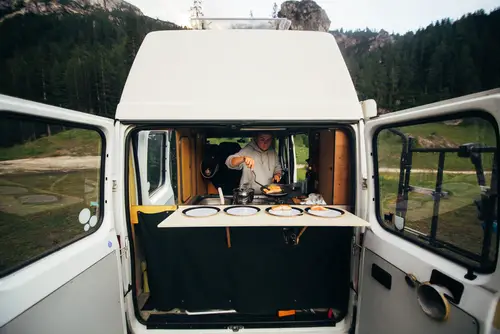
Collapsible silicone pots, bowls, and kettles seem like a brilliant way to save cabinet space. But many don’t distribute heat evenly, leading to scorched food. Some aren’t even safe for direct stovetop use, despite being marketed that way. Over time, the constant folding weakens seams and makes them prone to leaks.
Even if they last, cleaning them can be frustrating. Silicone tends to retain oily residues and pick up dust and lint. Lightweight stainless steel or nesting cookware often ends up being more practical. Collapsible designs just add unnecessary maintenance.
11. Attaching Solar Lights with Tape
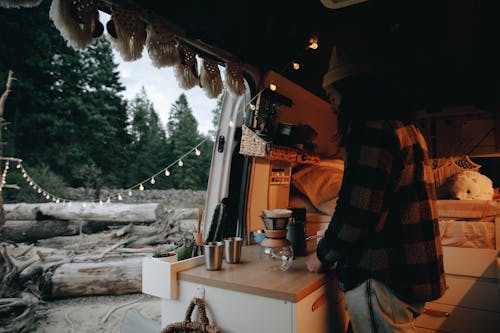
Sticking solar lights to the side of the RV with double-sided tape is a common hack. It avoids drilling holes, but the reality is brutal. Heat from the sun and road vibration cause the adhesive to fail. Lights fall off mid-drive or dangle by wires, scratching your paint.
Even when they stay put, tape leaves hardened residue that’s tough to clean. Plus, you risk damaging gel-coat or decals. Mounting brackets or magnetic bases designed for RV use are sturdier. Skipping tape here saves your finish and your patience.
12. Using Pool Noodles Everywhere
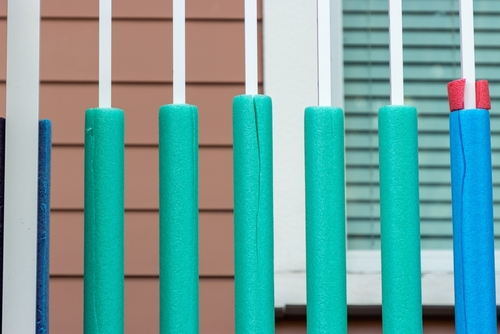
Pool noodles cut in half get recommended constantly as padding—on bed frames, slide edges, cabinet handles. While cheap and easy, they look tacky and break down quickly. Foam compresses under stress, turning sticky or crumbly in heat. You’ll find little neon flakes all over your rig before long.
They also don’t hold up well to cleaning. Soap and moisture make them deteriorate faster, especially in humid areas. Rubber edge guards or silicone bumpers last much longer and look neater. Noodles are fun in the pool, less so in your kitchen cabinets.
13. Stashing Heavy Items Under the Bed
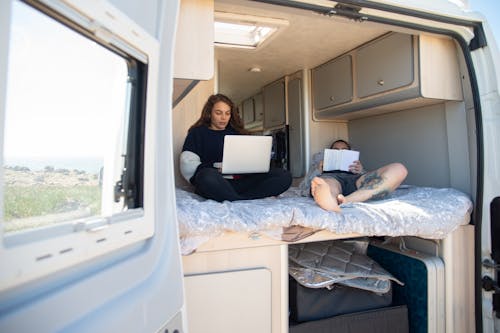
That huge storage area under the bed is tempting for bulky gear like tools or water jugs. The problem is that most bed-lift struts aren’t designed for serious weight. Overloading bends hinges or makes the bed nearly impossible to lift. You end up straining your back just to grab a screwdriver.
Weight distribution is another issue—too much in one spot throws off your RV’s balance. That affects handling, tire wear, and even fuel efficiency. Lightweight, rarely-used items are fine under the bed, but not the heavy stuff. Tools and dense gear belong in exterior bays designed for them.
14. Using Tension Rods for Cabinet Storage
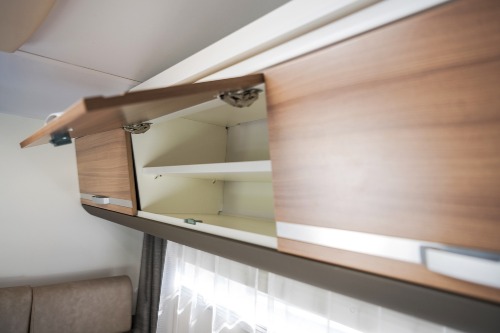
Tension rods are often suggested for holding pantry items in place while traveling. In practice, they jiggle loose over time. A single pothole or hard brake, and all your canned goods are tumbling onto the floor. Instead of preventing mess, they create bigger ones.
The pressure also bows out thin RV cabinet walls, leaving dents or cracks. You might not notice until months later when doors don’t close properly. Adjustable shelf dividers or bungee nets are far more reliable. Tension rods just aren’t built for highway turbulence.
This post 14 RV Hacks That Turn Into Daily Headaches was first published on Greenhouse Black.
